Home Soundproofing - 10 Ways to Create a Quiet Space
By Amanda Harvey
Updated on March 31, 2025
Today, it feels impossible to get a moment of silence. Especially if you’re not living alone, or your current abode is one of those trending condos. Whatever the case, homeowners and renters alike would love to infuse a little bit of peace and quiet into their lives. Unfortunately, we can’t control the sound coming from those around us.
However, we can control how this sound is dispersed, and in turn, how much of an effect it has on our daily existence. Determine the noise source, then focus on fixing the problem area with these easy soundproofing strategies for any homeowner to implement!
Here Are Various Ways to Soundproof Your Home!
Source: Canva
1) Plug Sound Leaks
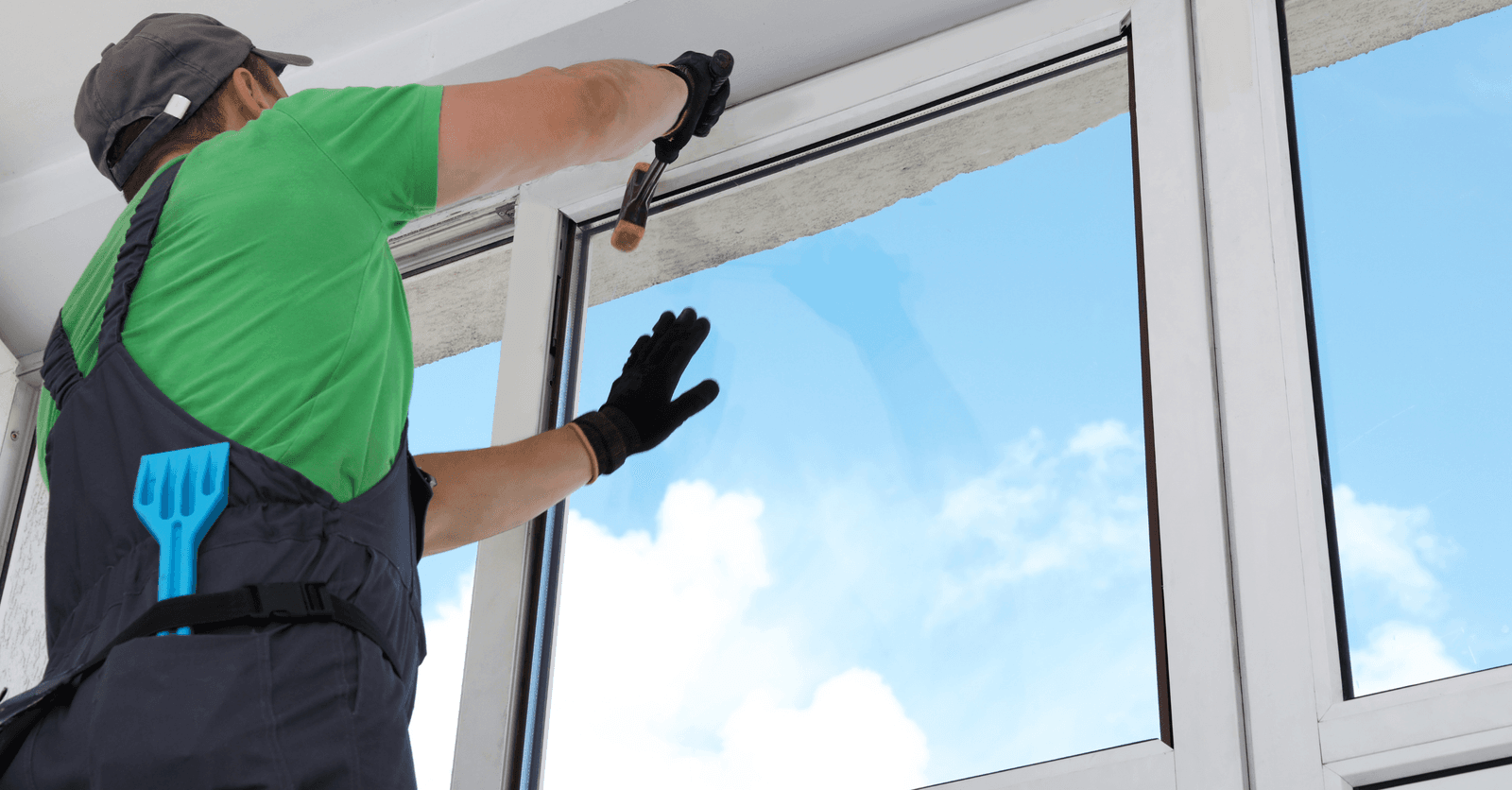
Sound is ephemeral, and therefore, can worm its way through even the tiniest of cracks. To stop sound from finding its way around your home, you must plug the places where it can leak through.
To do this, buy some acoustic sealant and apply it to any gaps you find in between overhead light fixtures, walls, trims, and ceilings as well as door casting, switch boxes or large appliances that require outdoor access. Carefully filling in all the gaps will keep sound at bay, halting it from travelling as easily.
2) Soundproof with Drywall
Source: Canva
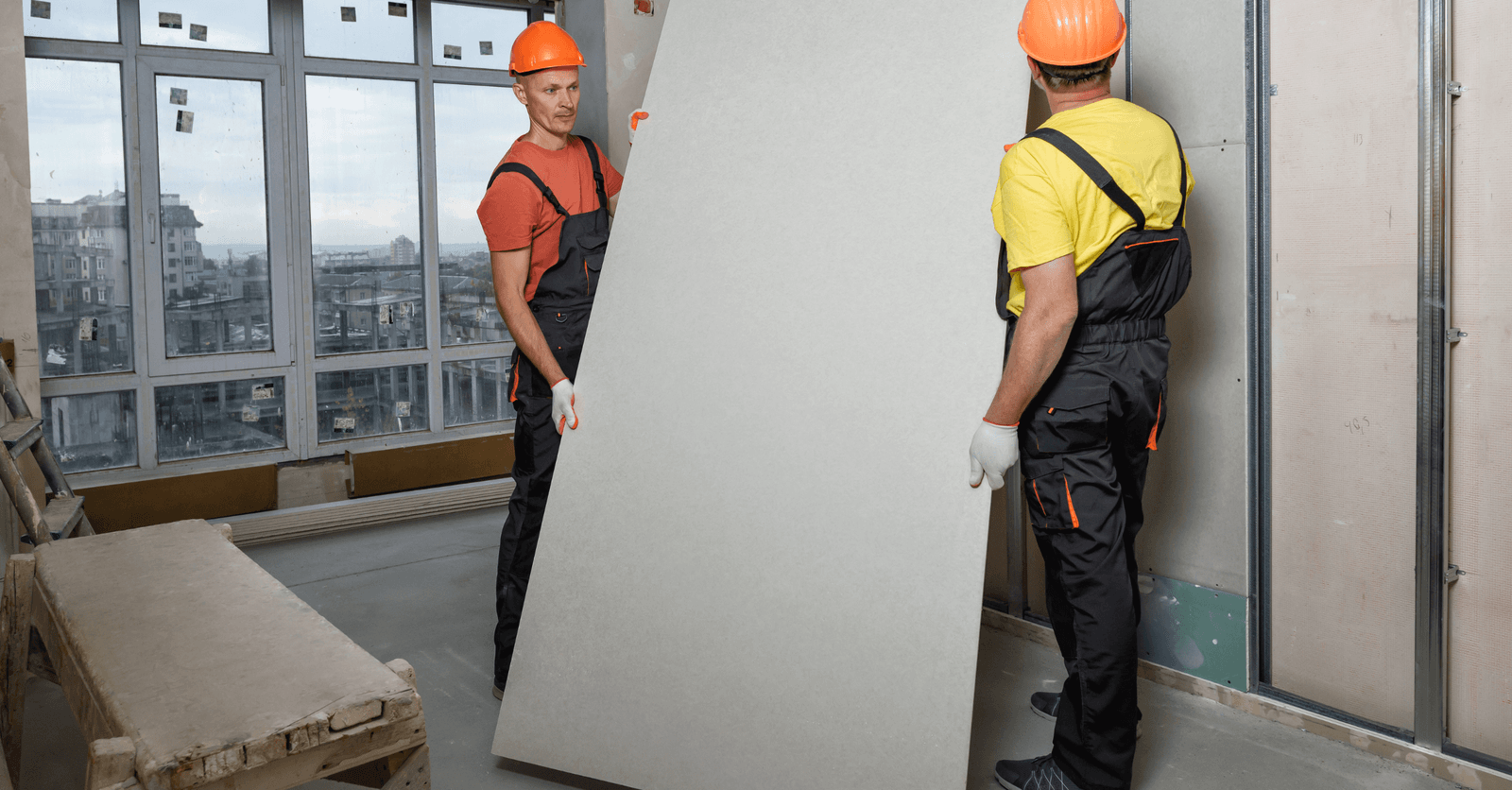
As we’ve mentioned in our 10 Best Soundproofing Materials article, drywall works wonders for any home soundproofing project. Drywall comes in several forms, including sheetrock and dampened drywall, which is best for soundproof projects, as these panels incorporate a dampening layer and are built specifically for this purpose!
Regular drywall holds up as well and can aid in the elimination of noise, as it is a dense material. It is not necessary to double drywall the entire house, just focus on the specific rooms where noise carries or others that you want to keep quiet.
3) Build a Home Studio with Acoustic Panels
Acoustic panels are designed specifically to absorb sound, therefore, they are a perfect buffer around rooms that are particularly loud, such as the place where your entertainment system is located or that in-home studio you've been working on. Acoustic panels will help to reduce noise transmission through exterior and interior walls, but it would be worth using an acoustic caulking sealant alongside them to maximize soundproofing potential.
4) Soundproof Your House by Changing Your Doors
Source: Canva
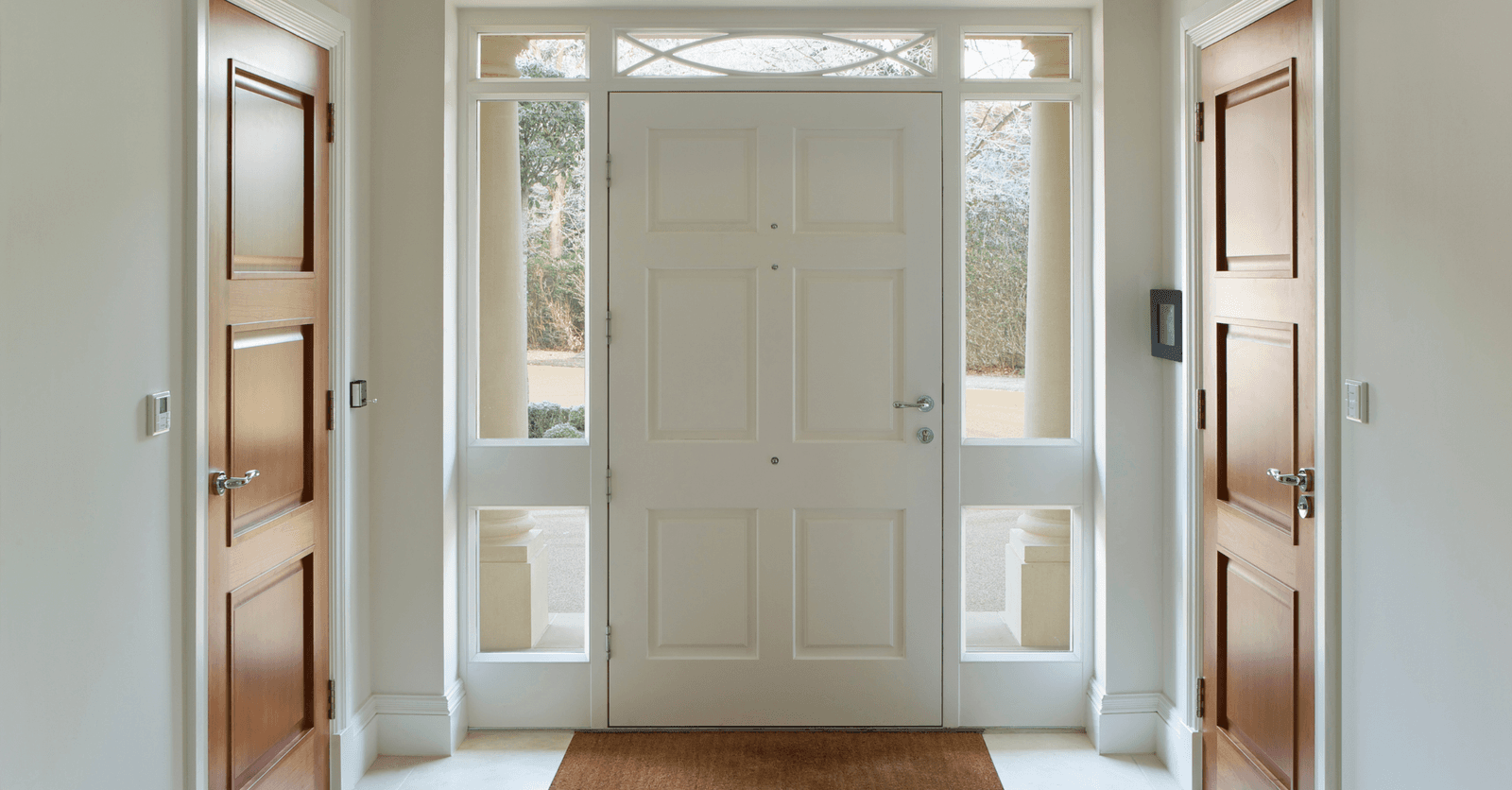
If the doors of your home are hollow, of lightweight or inexpensive material, then it is worth your while to consider replacing them with doors of soundproof material.
In terms of sound blocking, homeowners may not realize how much sound passes through a door even when it’s closed, so consider getting a door made of a material that doesn’t allow sound to pass. More expensive options include a heavy wood or steel, while inexpensive options include fiberboard, particleboard, or composite-core.
5) Soundproof Your Home with New Windows
Noise can easily slip through the cracks of your windows, from outside to inside and vice versa. To ensure noise isn’t escaping, try weather-stripping each window in your home by filling in any cracks or gaps with acoustical caulk sealant.
If you’re finding that filling in cracks just isn’t cutting it, you could replace existing windows with those of triple pane glass or go even further, and block out sounds with specifically designed soundproof windows. They may cost a pretty penny, but if you can sleep through the night they’ll surely be worth it.
6) Repaint Using Sound-Absorbing Paint
Source: Canva
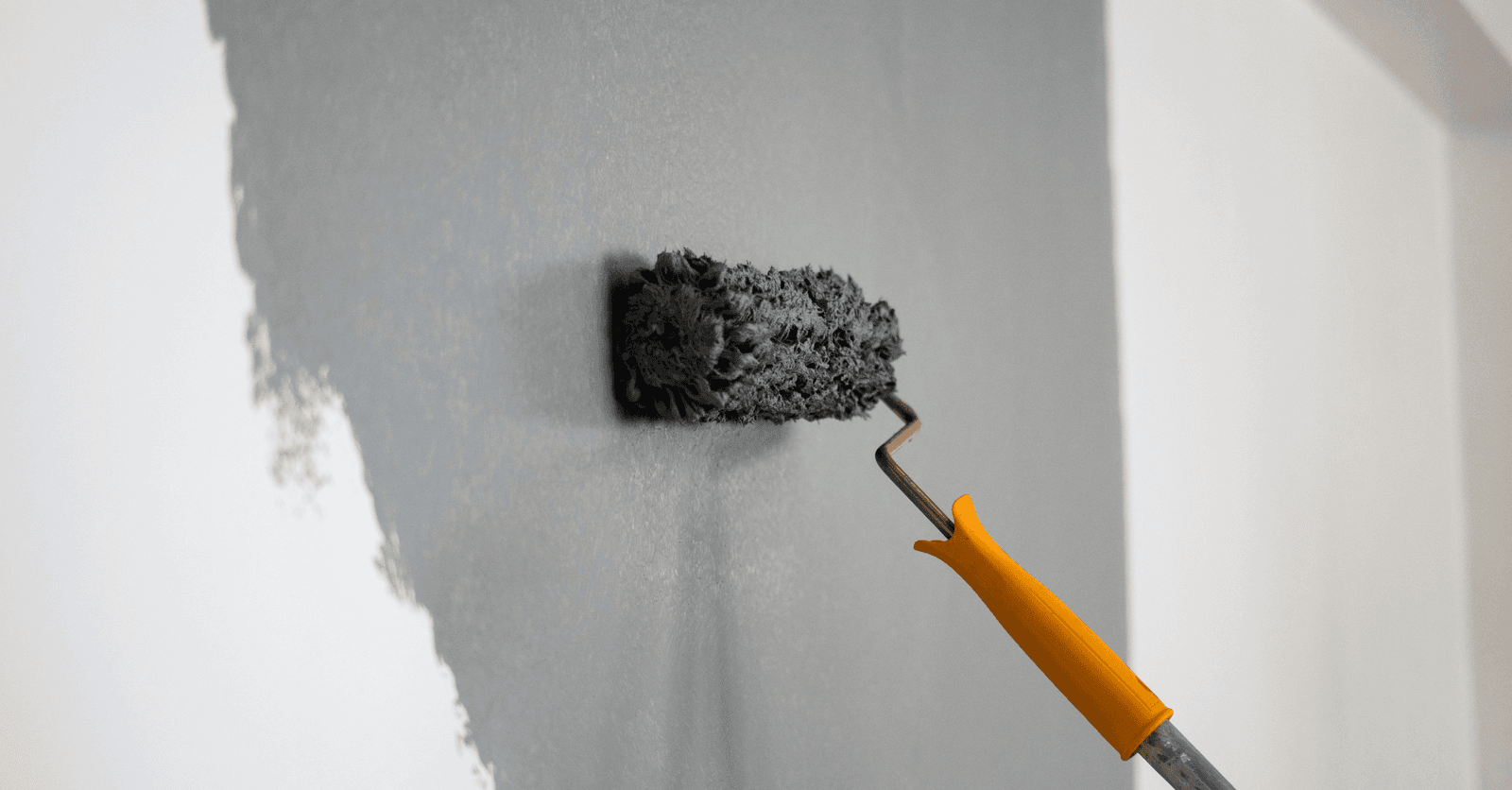
The myth, the legend! But in fact, it’s true, soundproof paint is out there on the market, and it is specially formulated to coat your walls in a noise reducing film. Manufacturers claim it can reduce noise by up to 30%, and there are several brands available that are there to reflect and absorb excess sound waves!
7) DIY with Carpets and Rugs
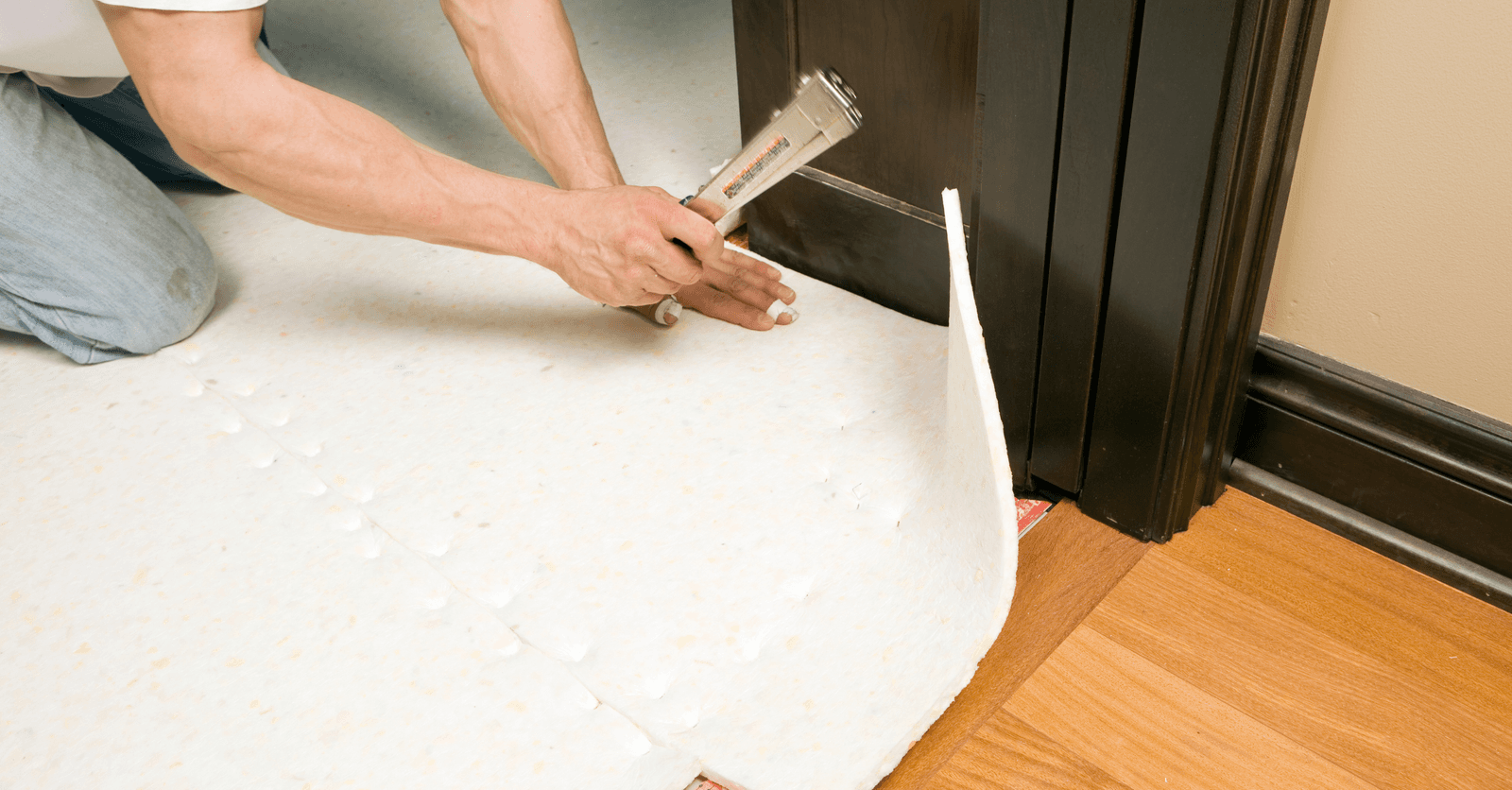
Although not made to withstand heavy walls of sound, using rugs, carpets and even drapes can reduce the amount of ambient noise that travels throughout your home. If you have a loud room that feels bare, consider adding a large throw rug or carpet to reduce the echo within the space. Opt for padded carpeting in place of hardwood, tile or laminates. Soft fabrics help to dampen the noise while adding some character to a dull room at the same time!
8) Install Bookshelves
Source: Canva
Have you been dreaming about an at-home library, but didn’t have a real push to take on the project? Well, if you’re finding that sound travels effortlessly around your apartment, then install those shelves, as books help to create a barrier against unwanted noise. Just make sure to build up your collection, as empty spaces on the shelves will allow noise to travel.
9) Fix What’s Broken
Do your floors squeak when you walk down the hallways or do your pipes make noise every time you turn on the tap? You may tune out or get used to these annoying sounds, however, when a house is quiet, these sounds can be incredibly prominent. If your home suffers from squeaky floors or noisy pipes, it’s time to get down to business and take care of these issues.
Consider pipe isolators or pipe hangers to cut down on vibration created by water running. Fixing either of these problems is relatively easy, but if you’re uncertain about the DIY job it would be worth your while to have a contractor do the job!
10) Soundproof Your Apartment by Limiting Noise from Appliances
Source: Canva
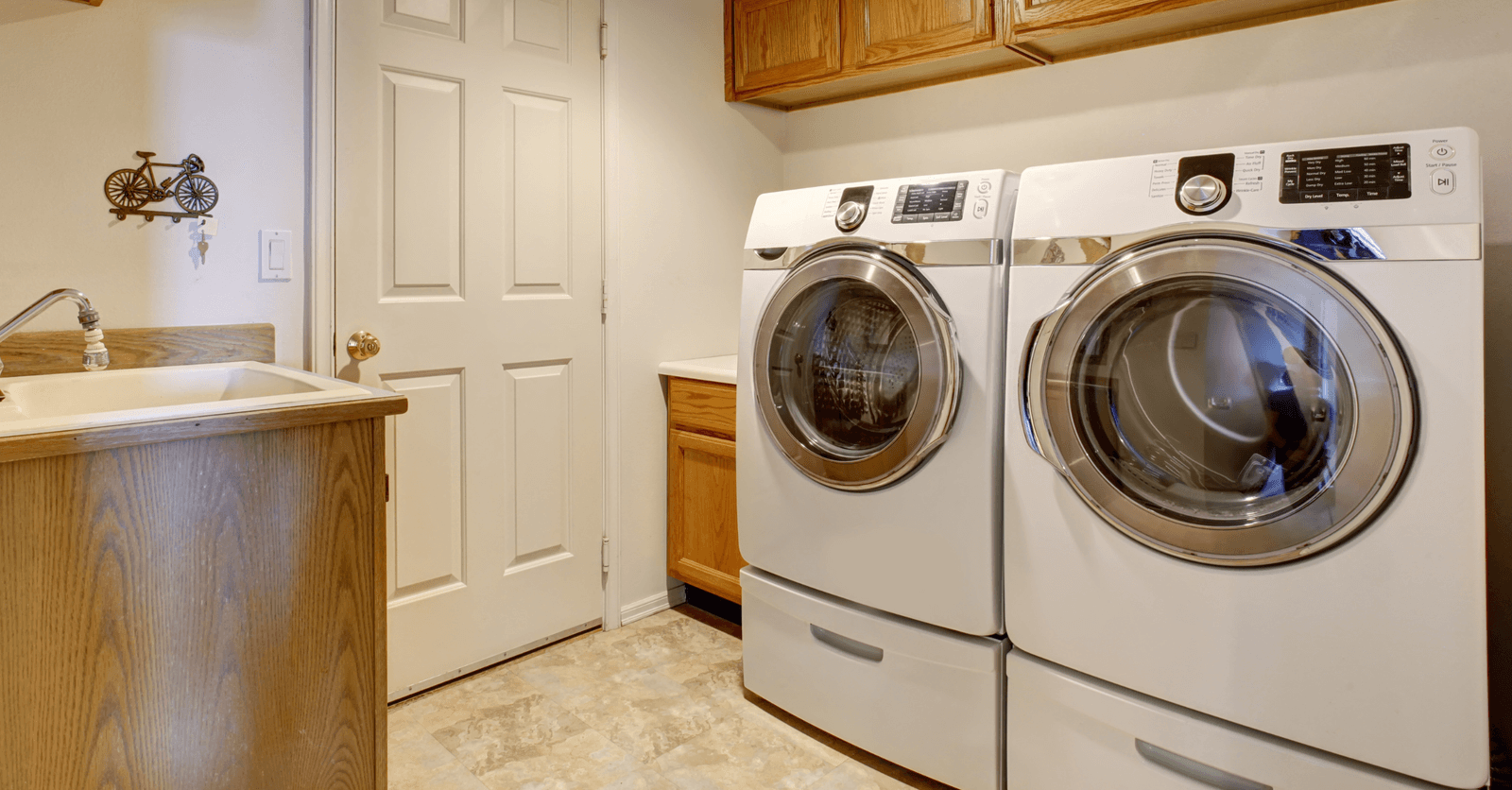
Heating and cooling systems, as well as washing machines, dryers and dishwashers are all convenient things to have in the home. However, these items produce a lot of noise without us realizing it. Heating and cooling systems both create and distribute noise, but sound-absorbing flexible duct can be purchased from your local hardware store to help isolate furnace rumble from the rest of the house.
Also, try spacing refrigerators, dryers and washing machines away from the walls so the walls don’t amplify the sound. Isolate appliances from the floor by placing resilient materials, such as rubber or cork underneath them. These little steps can help to greatly improve the sound, or lack thereof, in your home environment!
FAQ
Can you soundproof an existing house?
Yes, of course you can! While it's easier to soundproof a home while it's being built, even after construction is finished, as seen in this article, there's many ways to go about soundproofing such as acoustic panels or with carpets and rugs.
How do I block noise on a shared wall?
For a shared wall, the most effective soundproofing methods are those that directly target the wall itself. The acoustic panels, bookshelves, and sound-absorbing paint are your best options. If you want to take it a step further, you can even buy soundproof insulation, but that'll require some handywork.
How do soundproof walls work?
Soundproof walls reduce noise by using materials that absorb or block sound. Common techniques include adding insulation, using heavy materials like mass-loaded vinyl, or installing specialized drywall. Increasing the wall's density, adding layers, and creating air gaps also help. These methods disrupt sound waves, preventing them from passing through the walls.
How can I make a room completely soundproof?
In most cases, it's impossible to 100% soundproof a room. Nevertheless, it's possible to greatly soundproof it if you're looking to create a home studio or theater. To do so, it's simply a matter of utilizing a combination of the ideas listed in this article. Use panels, paint, insualtion, rugs, new windows, plug leaks, etc.
Looking for something else?
Related articles
The latest industry news, interviews, technologies, and resources.

Cynthia Pigeon
•08 Nov 2023
Have you just had an amazing summer vacation with your family aboard your recreational vehicle, loading up on memories? Well then, a quick inspection of your RV's roof might be in order.

Cynthia Pigeon
•11 May 2026
Urethane foam insulation kits have been widely used since the 1970s, in high-tech industries, with the likes of nuclear reactor domes and cryogenic piping.
Équipe éditoriale
•03 Mar 2026
Shopping for a heat pump is less about picking “one model” and more about choosing the right system type for your building: a duct-free mini-split for one space, a multi-zone setup for multiple rooms, a concealed ducted unit for a cleaner look, or an air-to-water system for hydronic heating.
Editorial Team
•08 Nov 2023
At first sight, the bathroom might appear to be a rather dull and boring space, an afterthought to the overall home. However, humans spend a significant amount of time in their bathrooms, and the style and beauty of the individual should be reflected in the floors, ceilings and walls of every room!
Editorial Team
•25 Jul 2025
Residential paint is used to revamp walls, ceilings, and furniture, but it's not customarily used for a floor renovation project.