Window Well Cost Guide: How Much to Budget in 2026?
By Editorial Team
Updated on January 28, 2026
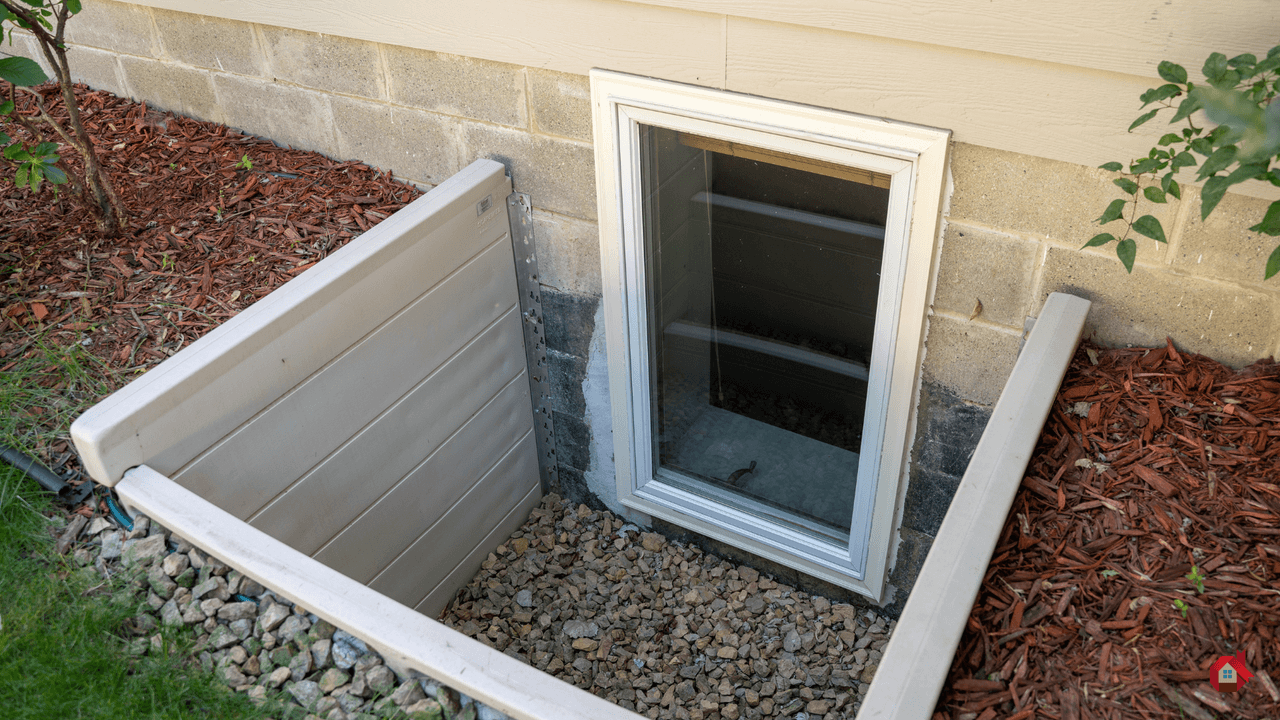
Window wells are key features used during the construction and planning of basement units. They’re designed to prevent water intrusion and ensure proper drainage around ground-level or underground windows.
Beyond their protective function, window wells allow for sunlight to filter into below or partially below-ground installations, further contributing to the structure's aesthetic, integrating a slew of different materials, depending on the architectural and practical requirements.
How much do window wells cost? What factors are likely to affect overall project fees? What additional cost should you consider? This guide answers all your questions, allowing you to plan your budget accordingly.
How Much Should You Budget for Window Wells Per Square Foot?
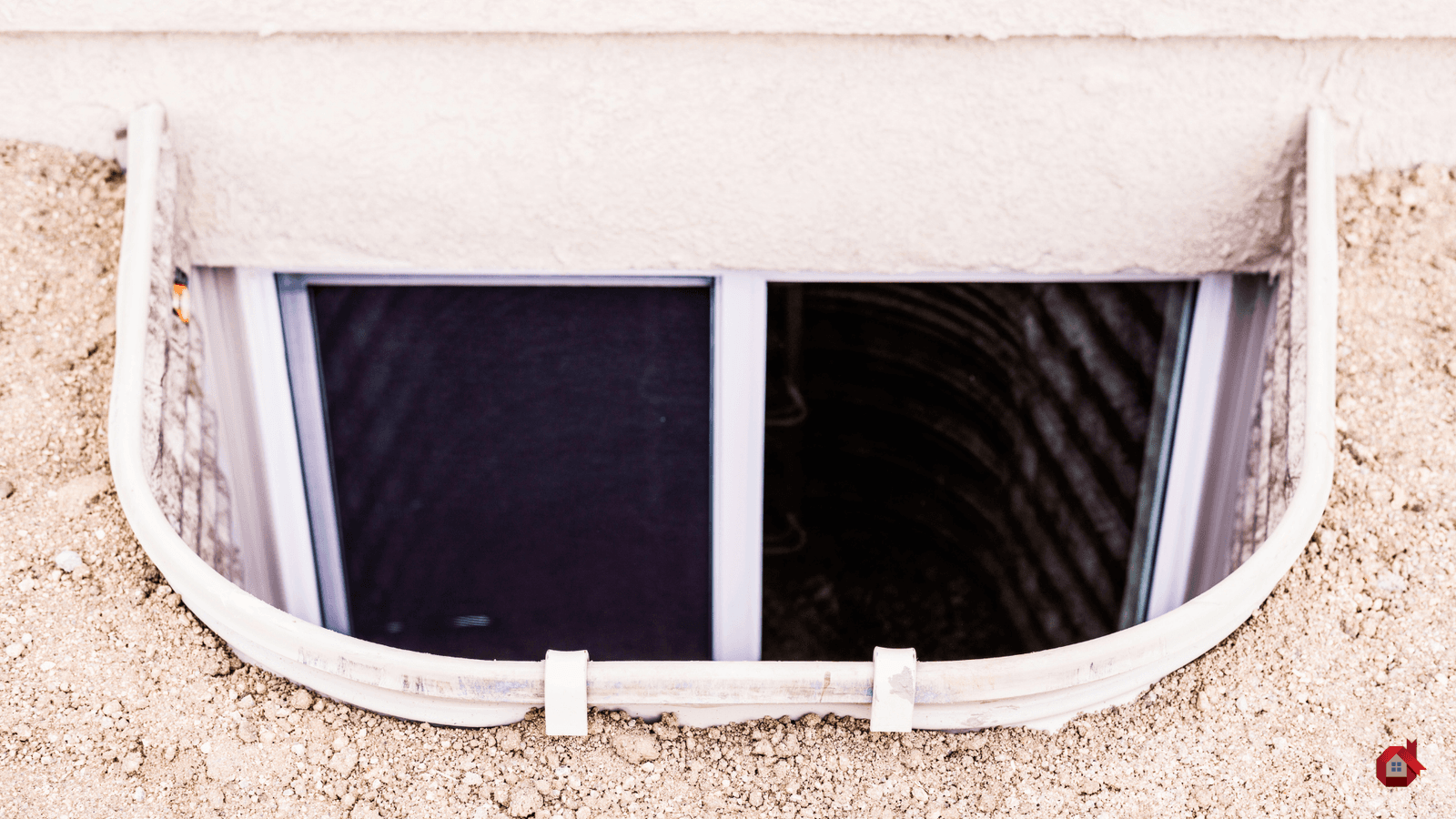
Window well prices vary based on the selected material. Here are a few price per square-foot examples for different materials:
Material | Cost |
Fibreglass | $50–$60/sq. ft. |
Aluminum | $60–$70/sq. ft. |
Treated wood | $55–$65/sq. ft. |
Composite wood | $85/sq. ft. |
Stainless steel | $50–$50/sq. ft. |
Steel | $40–$50/sq. ft. |
Concrete | $70/sq. ft. |
Wooden window wells aren’t as common an option but are mainly used for aesthetic reasons, especially to match a traditional-looking home. When it comes to wooden window wells, the primary drawback is the regular maintenance needed to prevent rotting, insect infestation, and moisture-related damage.
Steel window wells are very sought after given their affordable price point and durability. They’re weather-resistant and easy to install, making for a practical choice.
Albeit pricier, stainless steel provides both a long-lasting and modern-looking feature. It’s the perfect choice for homeowners looking to invest in high-quality window wells.
Corrosion-proof and aesthetically pleasing, anodized aluminum is also a top-notch choice for trendy, modern window wells.
Concrete window wells are also especially sought after. They’re affordable, solid, resistant, and suited to a slew of different window measurements. Their durability makes for a reliable, long-term choice.
Composite window wells are often designed to mimic the look of wood, without the associated maintenance. This material is appreciated for its durability and reasonable price point. It’s a great option if you’re looking for affordable aesthetics.
Fibreglass window wells are especially durable and weather-resistant, making for a high-end choice. This material is often used for high-quality products requiring little maintenance.
High-end options typically make for more fitted features, architecturally speaking. Some window wells can also contribute to the home’s overall energy efficiency by improving insulation around basement windows. Lastly, high-end products are generally paired with longer, fuller warranties.
What Factors Affect the Cost of Window Wells?
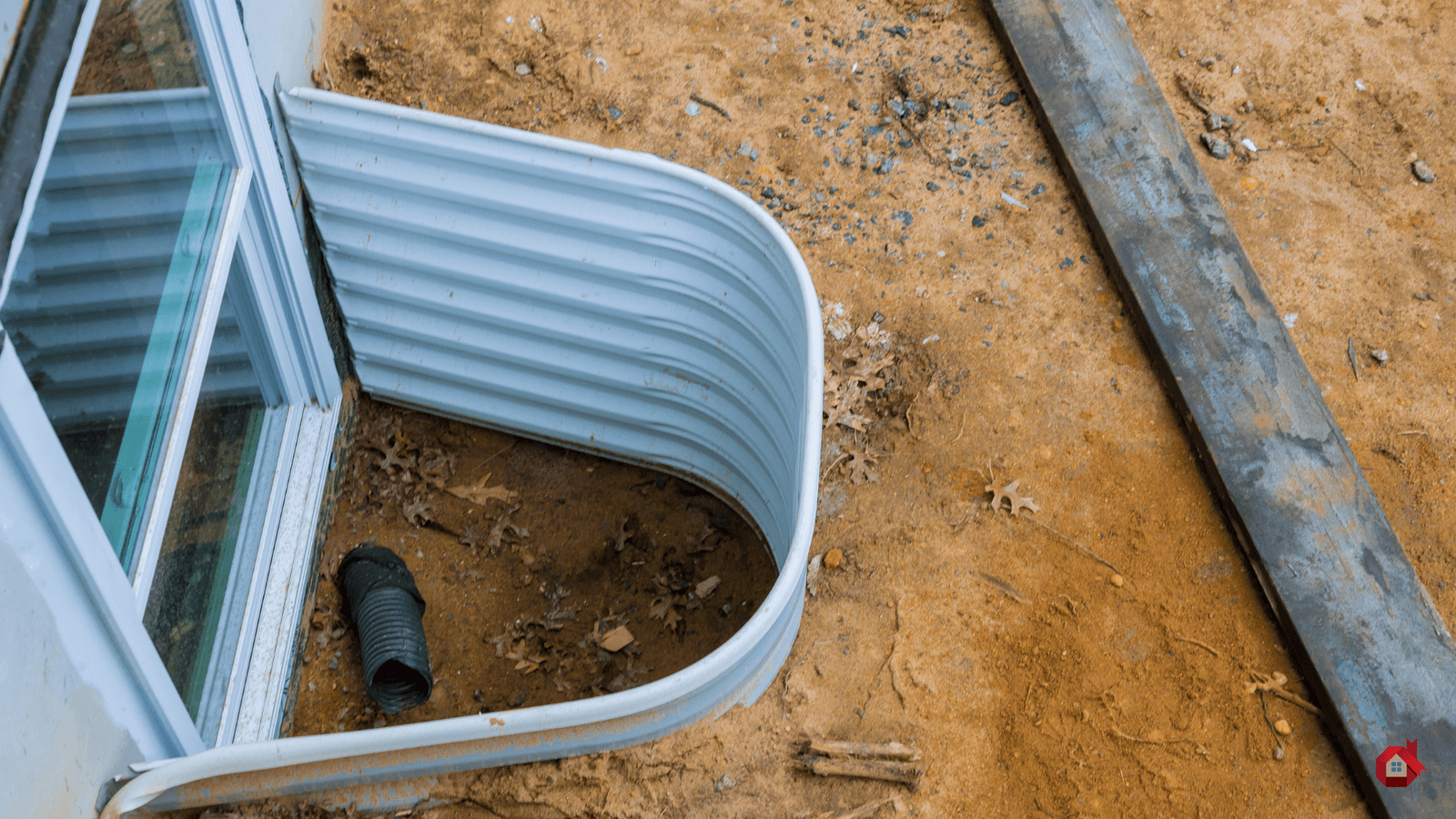
A window well budget is likely to vary based on several factors. Here are a few aspects to consider when gauging the necessary budget:
Sizing
The window well’s size will directly impact costs. Big or custom window wells will naturally be more expensive.
Additional Features
Basement Window Well Cover
Window well covers are an essential feature, providing both protection and functionality. It prevents rainwater and debris from pooling in your well. Some models are designed with hinges, allowing for easy access for cleaning and maintenance purposes.
Window well covers are usually made with durable materials like steel or aluminum.
Anti-Rust or Anti-Corrosion Coating
Window wells, often exposed to harsh weather, can be prone to rusting and corrosion, especially if made with metal. To extend their service life and maintain their appearance, using an anti-rust or anti-corrosion coating is usually an effective solution.
Aesthetic Finishes
Window wells can be embellished in numerous ways to improve your home’s exterior aesthetic. Here are some of the options made available:
Natural stone veneer
Treated wood finish
Stoneware siding
Decorative paints
Mosaic tiles or traditional tiles
Textured finish
Installation Complexity
A window well installation can involve different complexity levels due to varying aspects:
Required Sizing and Depth
Window wells have to be sufficiently deep and wide. Typically, at least 22 inches (550 mm) of space is recommended between the window and the well, with a 16-inch (400 mm) drop below the window, which can mandate significant excavation work.
In some parts of Canada, namely Quebec, there are specific standards regarding basement bedroom windows used as emergency exits.
Type of Soil and Foundation
Installing window wells can be rendered more complex depending on the soil type. Rocky or clay soils are harder to excavate. The current foundation’s state and depth, much like the presence of nearby obstacles (ducts, cables, tree roots) will make installing a window well more complex.
Drainage
Having proper drainage is essential. This might include digging down to the existing French drain snaking around the foundation and installing a vertical drain pipe.
Materials Used (Galvanized Steel, Metal, and More)
Corrugated galvanized steel window wells are relatively easy to install. On the other hand, using materials like natural stone or concrete may call for expert skills and dedicated tools.
Aesthetic Finishes
Adding a decorative finish or integrating lighting options can increase window well installation complexity.
Expert Installation Fees
A professional’s rates typically range from $50–$125 per hour. The labour cost for a window well installation is likely to vary based on project complexity and area of residence. Experienced professionals are likely to charge more, yet often guarantee standard-compliant and longer-lasting installations.
What Are the Additional Costs?
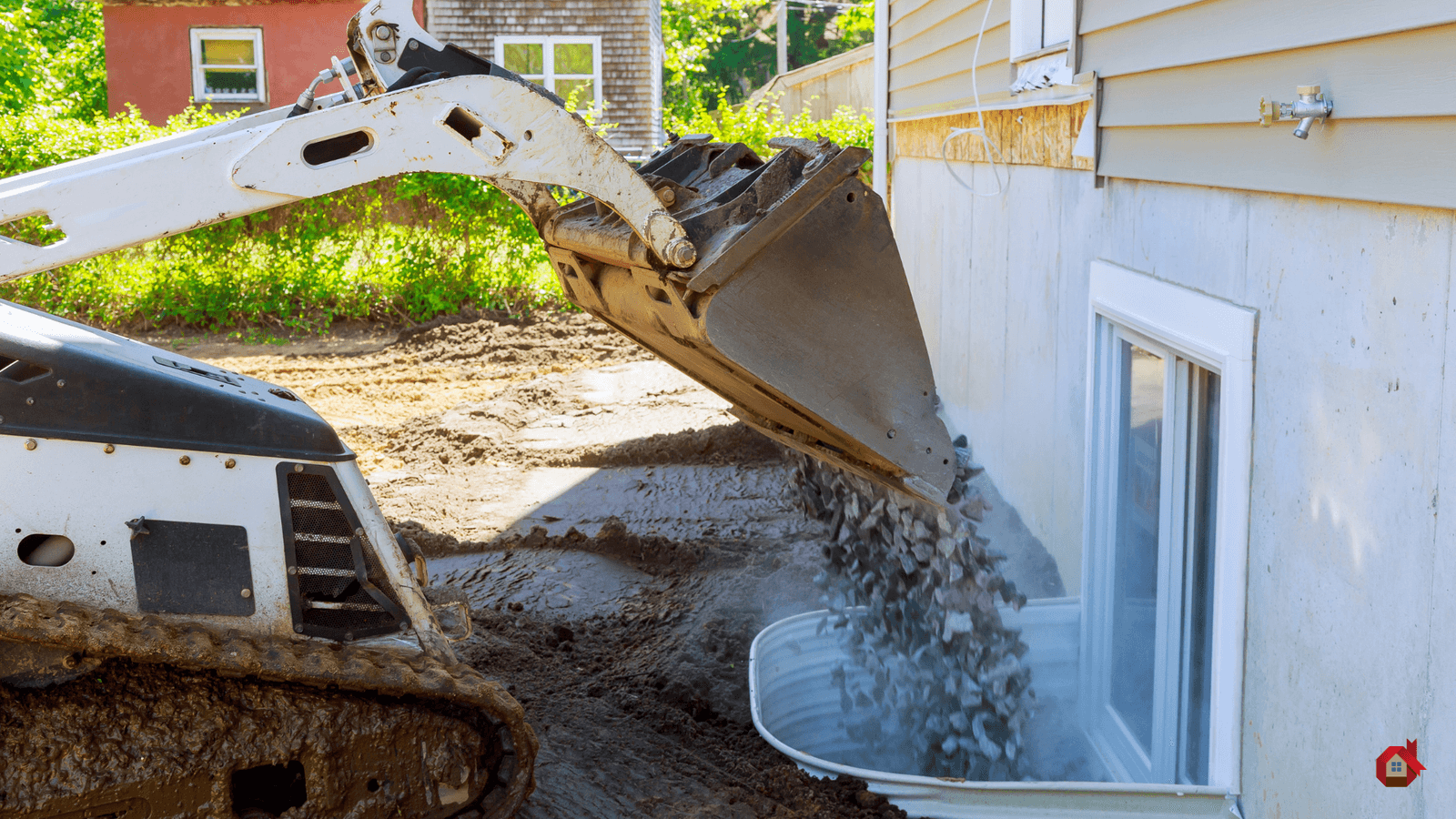
Installing window wells can entail some additional costs based on project specificity and land conditions. Here’s an overview of the primary additional costs to consider:
Land Excavation and Preparation
Digging up soil around a window to install a well and ensure its proper clearance. This often includes excavating down to the French drain surrounding the foundation and may require the use of specialized equipment.
Cost: Between $200–$500 per window well
Drainage System
Installing a vertical drain pipe, channelling water toward the foundation drain. This also includes putting an aggregate backfill on the bottom of the window well to facilitate drainage.
Cost: Varies, typically between $100–$300
Maintenance and Upkeep
Regular window well maintenance prevents debris build-up and ensures proper drainage. This includes washing the metal grate covers and clearing the snow during wintertime.
Are Window Wells Worth It? Our Tips for Making a Well-Informed Decision
Installing window wells requires one to pay special attention to several factors. One needs the following:
Durable, weatherproof material
Proper sizing meeting security and aesthetic requirements
Effective and standard-compliant installation
Given the different aspects listed above, installing window wells can vary significantly from a simple, DIY project suited to a skilled handyperson to a rather complex undertaking. Hiring skilled professionals is recommended to ensure a proper, standard-compliant installation, which can also help prevent unforeseen expenses in the long run. Also, don’t forget to budget adequately to cover all associated costs. By considering all the tips detailed, you can choose a window well that will boost home security and aesthetics.
FAQ About Egress Window Wells
When should you install a window well?
According to Quebec’s Construction Code, a window well is deemed mandatory when a window sill is less than 150 mm from ground level, which highlights the importance of such an installation to prevent moisture and material degradation problems.
Can I dig my own window well?
Here are the primary steps to install a window well:
Dig a trench around the window, reaching the base of the foundation
Install a drainage system on the bottom of the trench to drain water
Fit the window well against the foundation and make sure it’s level
Secure the window well to the foundation with fasteners or screws
Backfill the trench with compacted soil, allowing for a slight slope to facilitate water flow
Test the drainage by pouring water around the window well, checking to see if the water flows away from the foundation
Looking for something else?
Related articles
The latest industry news, interviews, technologies, and resources.
Cynthia Pigeon
•08 Nov 2023
Whether to revitalize your home or prevent heat loss, it may be tempting to replace your windows.

Editorial Team
•01 Oct 2026
A home inspection costs $300 to $800 in Canada, with most buyers paying between $400 and $600. A condo runs $300 to $450, a standard detached house $450 to $650, and a large or rural property $850 to $1,500.
Editorial Team
•05 Sep 2024
In most rooms, flooring is subject to a lot of wear and tear from constant foot traffic, shifting furniture, falling objects, etc., making it a key surface to consider when designing the floor plan of any room.

Editorial Team
•21 Jan 2025
Renovating a house is an essential step for preserving and increasing property value while ensuring the safety and comfort of occupants. Amongst large-scale renovation projects, lifting or raising a house is highlighted by its numerous upsides, whether done as a flood prevention measure, to increase the dwelling’s square footage, or to fix structural problems. Albeit this technical process may seem complex, with proper preparation and the right professionals, it makes for a durable and advantageous solution.
Cynthia Pigeon
•08 Nov 2023
Although interior doors may seem secondary in any renovation project, they can play an important role in your planned interior design. Swinging, bifold, or sliding door, there are so many different models to choose from and that can fit any room in your home.