
Have you purchased an old house with an equally aged structure? Despite completing renovation work over the years, odds are, your household plumbing pipes are still exposed. So, the question is, how can you make exposed piping aesthetically pleasing? Here are seven hacks to conceal your plumbing pipes or, at least, make them a little more visually appealing.
How to Conceal Exposed Plumbing Pipes
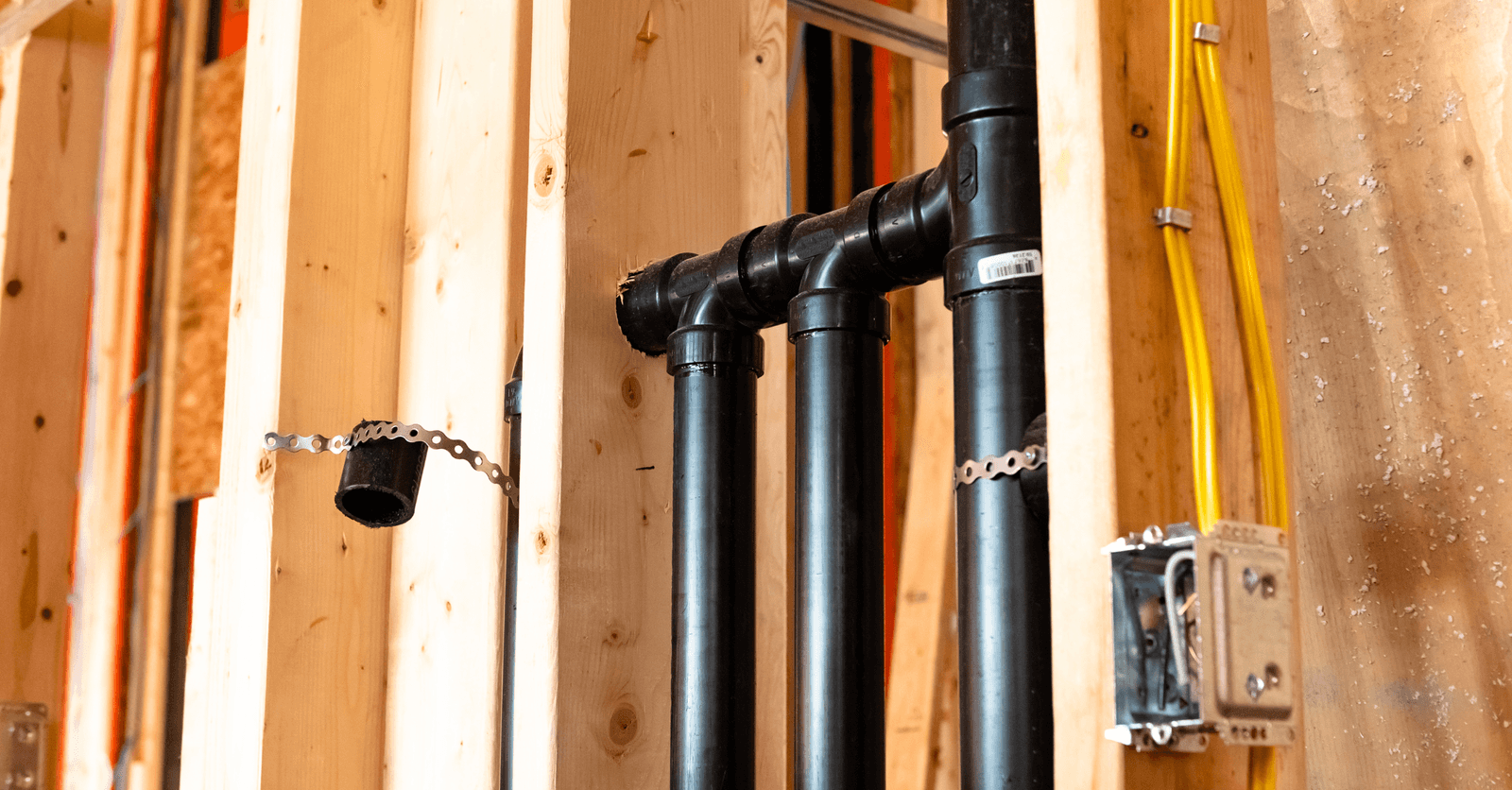
Source: Canva
1) Install pipe-concealing moulding
You can purchase moulding to conceal the pipes. Some moulding is specifically designed for horizontally-laid piping, like those running between the top part of the wall and ceiling, and for vertical ones too. The benefit of moulding is that it’s both practical and aesthetically pleasing.
It can also serve as a decorative piece while concealing numerous pipes. It’s easy to install and makes for a budget-friendly project. You can find moulding in various hardware stores, or you can also hire a contractor to install it if you’re not too handy with home improvement projects.
2) Build a custom-made casing
Another option is to build a custom-made casing around the piping. Start by measuring the area to allow for clearance between the pipes and the casing. Next, affix support battens to the wall to make it sturdier. Then, install the boards atop the battens. Finish off by applying putty over the seams and screws, followed by paint. And there you have it! Your pipes are concealed.
3) Paint the pipes to fit your décor
On the other hand, if you want to retain the exposed pipes, you can always paint them in a bright colour to showcase them even more. This look is well-suited for open-space layouts, like lofts or industrial-looking homes. If you’re artistically skilled, why not use your talents to improve your décor? It can actually add value to your ceiling and add a more personal touch to the room as a whole. Doing so will make the pipes more appealing.
Another option is painting the pipes the same colour as the walls to help conceal them. This is a very common method and it’s rather simple to execute when you’re already planning some paint-related work. If you want to add a touch of colour, painting the plumbing is a worthwhile option. You can also change the colour at will. Just find out what type of paint is best used on pipes.
4) Makeshift towel bar
Some companies actually design and retail towel rail radiators. That way, your exposed pipes become an aesthetic element that blends into the bathroom’s design instead of an eyesore. There are various models available on the market.
5) Bring characters to life using paint
If you’re skilled at drawing and have a head full of ideas, you can always turn your pipes into characters. Otherwise, you can look on Pinterest or Instagram to get character ideas. This can be a playful way to give the room some character, and you get to explore your creative side at the same time. It's a win-win!
6) Conceal plumbing using pipe trunkings
To hide plumbing, use pipe trunkings as follows: measure and choose suitable casings, secure them to the wall using dedicated supports, close the trunking against the pipes, and there you have it, a sleek-looking finish! Make sure everything is secured properly and aesthetically appealing using sturdy fittings. Apply a fresh coat of paint to blend the casing with the wall if necessary.
7) How to decorate exposed pipes
To revamp your dull-looking, exposed pipes, consider wrapping them in decorative rope and painting them to further suit your décor. You could also use houseplants to tone down the rather aggressive look of metal pipes. Such solutions allow you to conceal pipes effectively and improve the overall aesthetics of the room.
Looking for something else?
Related articles
The latest industry news, interviews, technologies, and resources.
Amanda Harvey
•28 Oct 2024
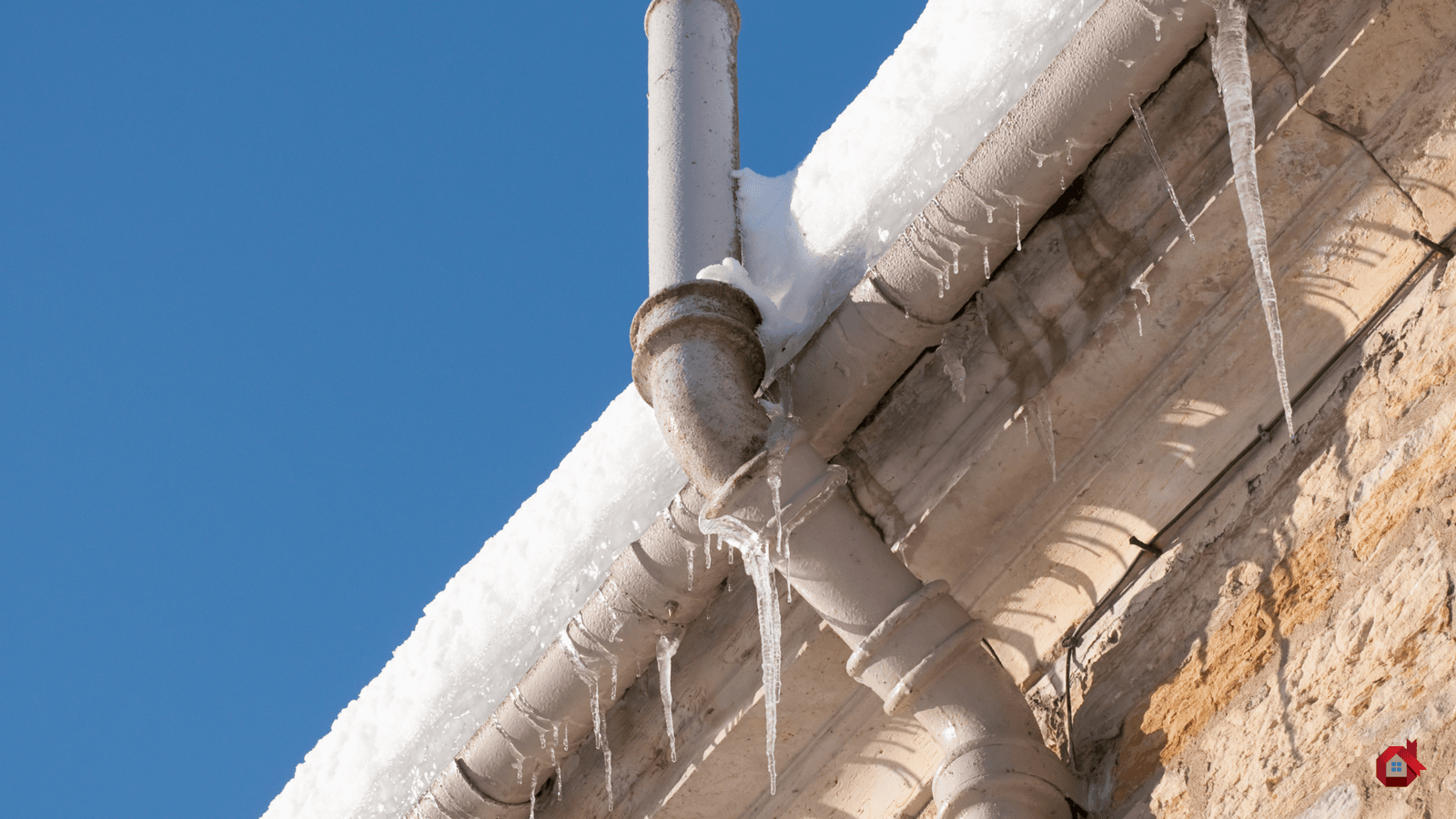
Imagine arriving home in the dead of winter after a long day of work and all you’re hoping for is a hot bath. You turn on the faucet and prepare for steaming water to stream out, but nothing happens. What’s the problem? Are your pipes frozen? Is something obstructing water flow? Is your water heater dead? When winter rears its ugly head, plumbing problems escalate, making it difficult to pinpoint where the issues might be coming from.

Editorial Team
•11 May 2026
Walls are blank canvases awaiting your creative genius. Adding personality and character to a room by way of wall treatments isn’t all that difficult. If you’re a homeowner looking to move beyond the obvious gloss, semi-gloss, or matte paint finishes, then decorative wall coverings could be right up your alley.
Editorial Team
•08 May 2025
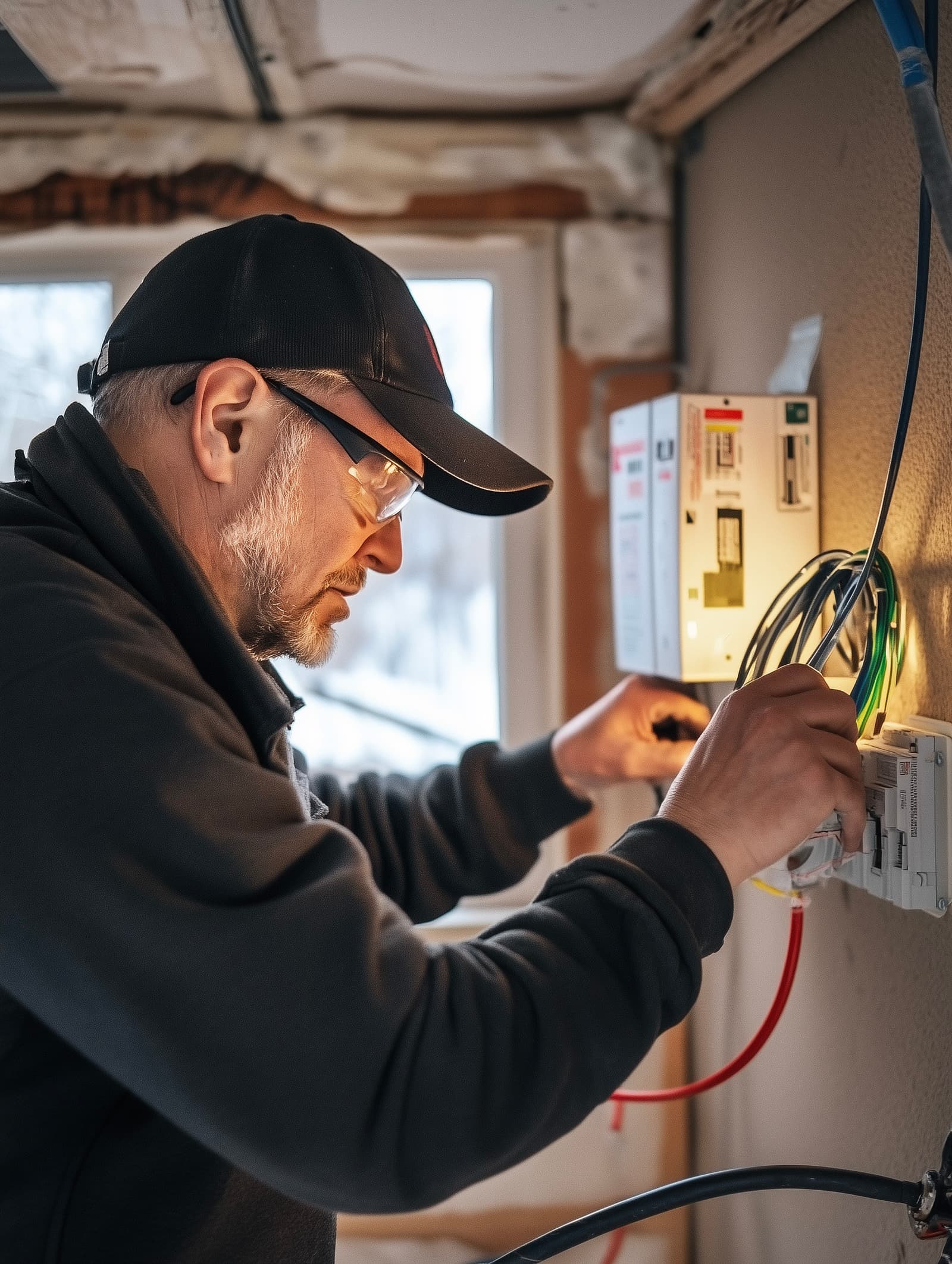
Whether you’re installing a new light fixture, upgrading your electrical panel, or connecting an EV charging station, one question always comes up: how much does it cost in 2025? Do all types of electrical work require a professional? What factors affect an electrician’s pricing? In this article, we’ll explore the different types of electrical work—from interior lighting to smart home systems—and help you understand pricing, identify DIY-friendly tasks, and decode your quotes.

Amanda Harvey
•08 Nov 2023
Without a roof on your home, it would be like living outdoors. Your home's roof is essential for keeping your family, as well as your furniture, dry, cozy and warm. If there is a leak, a crack or a break detected, it is important to repair it as soon as possible so as to avoid further damage to the material underneath as well as to other parts of your home.

Paul Riopel
•17 Jun 2026
Navigating Ontario's booming construction industry requires savvy bidding strategies. From understanding bid packages to mastering the bidding process, contractors must equip themselves with essential knowledge.