The 5 Most Common Foundation Problems
By Editorial Team
Updated on November 8, 2023
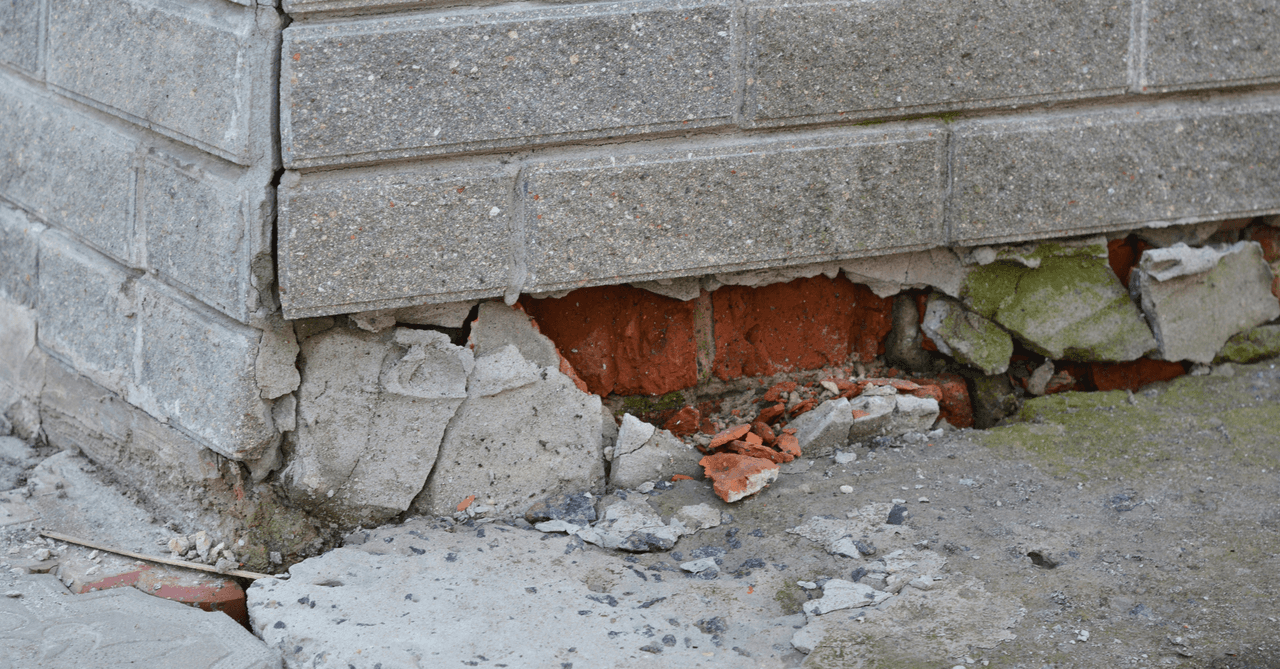
For homeowners, the age of their home and any impending renovations are often a source of stress. Whether it be piping, framing or roofing, if your house is 30 years old or older, it may be time to plan ahead and start looking out for warning signs related to these types of repairs.
In both urban and rural environments, foundation problems are not uncommon. Since the foundation of a structure supports its weight, it's often prone to certain unforeseen problems.
Before we delve into the warming signs of foundation problems in older homes, let's first look at what are the main causes of foundation issues.
What's Considered a Major Foundation Issue?
Source: Canva
When it comes to home foundation issues, homeowners often turn to the obvious: cracks on interior or exterior walls. Although the latter may be a telltale sign, some foundation issues may creep up in the form of:
Bouncing (or uneven) floors
Cabinets (or counters) detaching from the wall
Mildew smell
Warped or cracked siding
Drainage issues
Sinking (water pooling around the foundation)
As such, if you notice any of the above-mentioned in or around your home, check your basement and crawl space, inside and out. Whether it's a new construction or not, it may be time to hire a professional to look into it, as procrastinating on this matter can only lead to more serious problems. Even though some cracks or issues might seem like an easy fix, it's not always the case as excess moisture or hairline cracks may be the root cause of a much bigger issue.
What Are the 5 Most Common Signs of Foundation Problems in Older Homes?
Source: Canva
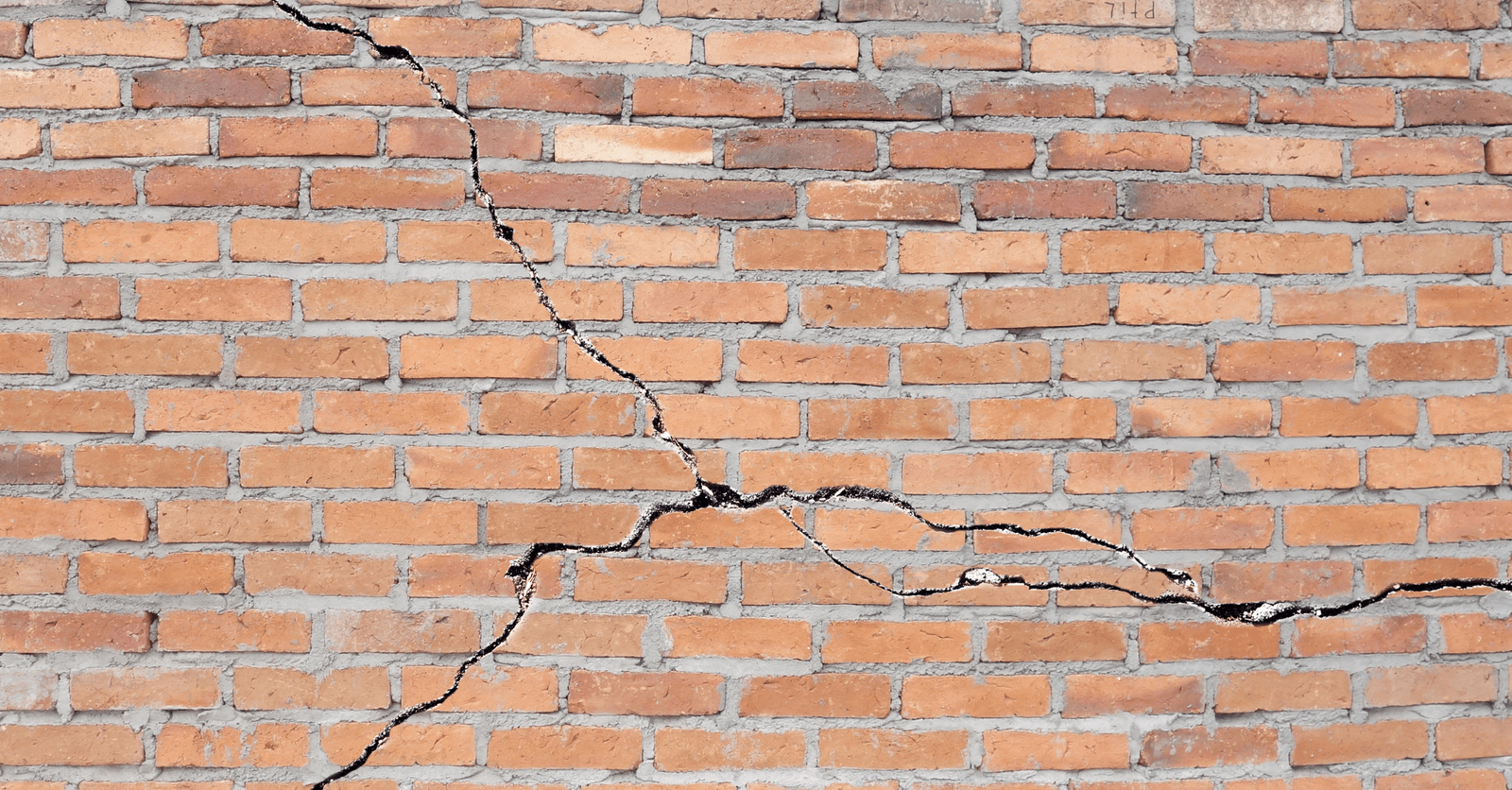
1- Cracks in the concrete
One of the most common problems that homeowners face is cracking, whether visible from the inside or the outside of the home, aging foundations tend to crack. Varying in length and width, some cracks are more dire than others.
However, it’s important that all cracks are taken seriously and dealt with as quickly as possible before they lead to additional damage, such as water infiltration or mould growth.
To learn more about how to diagnose and repair foundation cracks when they threaten to degrade the structure of your home, read our article on the subject:
How to repair cracks in your foundation
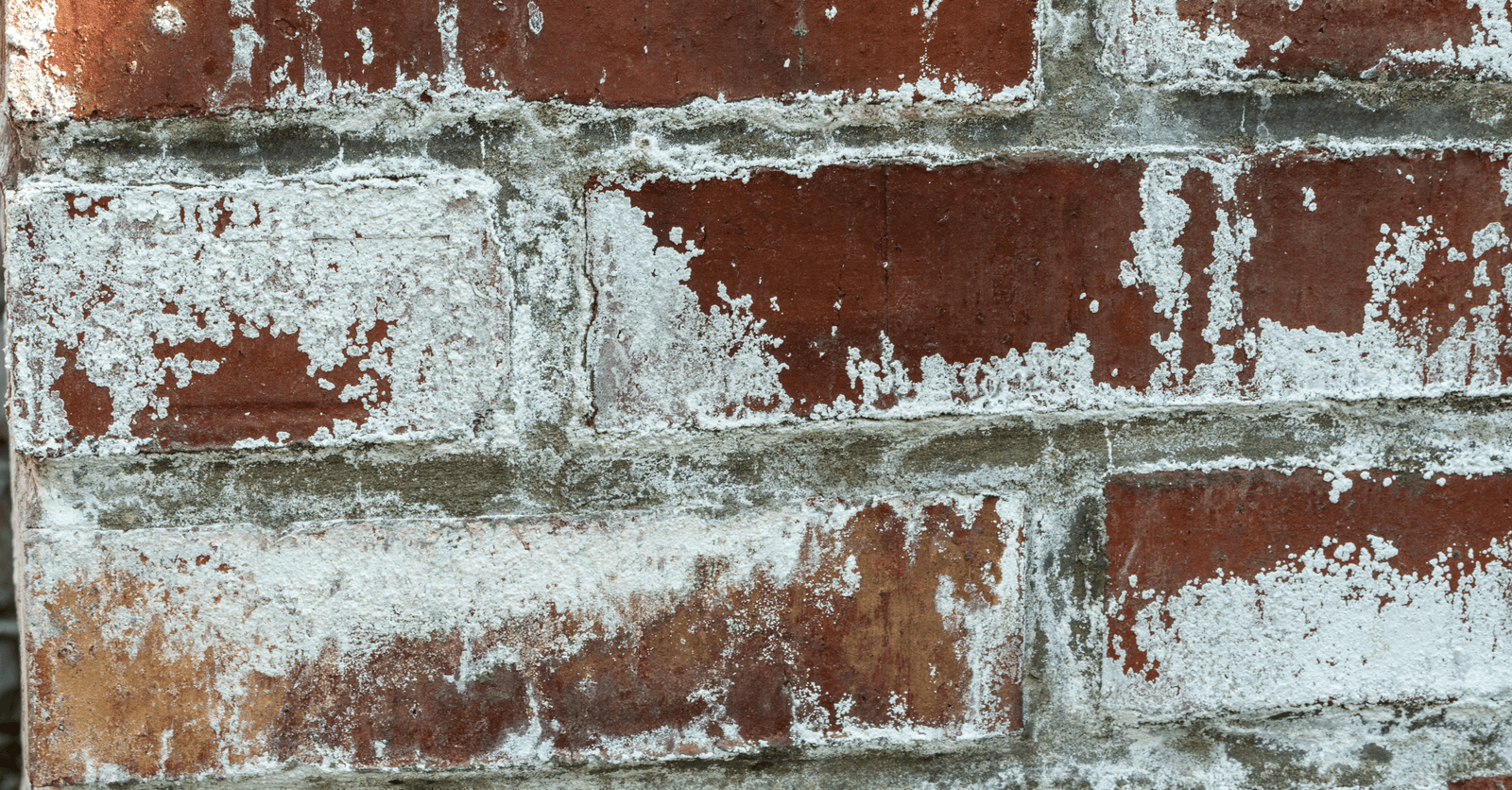
2- Efflorescence
Also common on masonry, efflorescence is a pesky, but not urgent, problem. This phenomenon consists of the formation of white stains that will appear on the concrete of your home's foundation walls.
This problem can be easily remedied by using a brush and water, alongside a specialized product. However, if the problem comes back on a regular basis, it is best to seek the help of a professional who can advise you properly.
3. Crooked floors, doors and windows that won’t close properly
Over the years, old homes have to put up with a lot and the repercussions can be seen throughout them. At some point, you may begin to notice that your foundation has moved or shifted, and this can be done by assessing the condition of your house or apartment.
Several examples are a good indication: doors and windows that just don't close properly or stick, or that won’t close at all, growing cracks in the walls, increasingly crooked floors, etc. If you are not completely sure of the seriousness of your situation, a professional inspection can appease your concerns.
If it turns out that your foundation is no longer stable, you may need to replace it or install additional means of support.
Here is an article on this subject:
How to repair or replace your foundation
4. Water infiltration
If you notice visible cracks, this could point to the beginning signs of water infiltration as well as a good indication that your foundation is getting old. Although this may be caused by other factors, such as a defective French drain, it is a good idea to have everything checked.
Check out our article about foundations and water infiltration: water infiltration signs
5. Pyrite
Composed of iron and sulphide, pyrite is a mineral found in the concrete used in the foundation of older houses. Although normally not a concern, it causes a real issue when in contact with air and water, as it swells and leads to cracks in the walls of the foundation.
Unfortunately, it can take up to 5, even 10 years after the construction of your house before you see the first indications that you have pyrite in your walls.
Do you fear that you may have a pyrite problem that affects your home and your foundation? Read our article What is Pyrite?
Are other areas in your home in need of refurbishing? Here's an article that may interest you:
Inspecting an older home
How Can You Know if Foundation Cracks Are Serious or Not?
Source: Canva
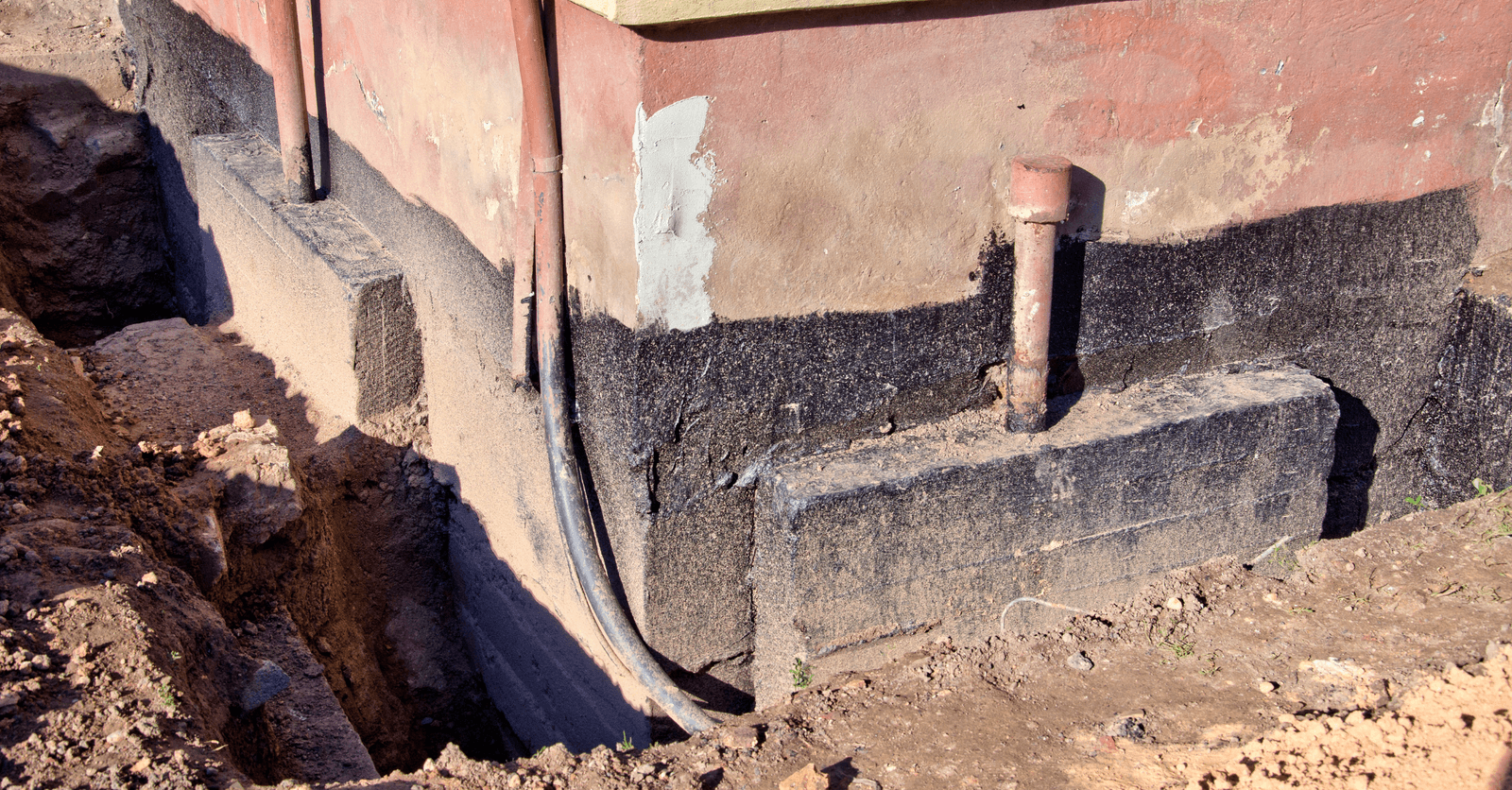
First thing first, to know whether a foundation crack is serious or not, one must identify the type of crack. Is it:
Vertical
Hairline fracture
Horizontal crack
Structural
Diagonal
Stair-step
etc.
Once you've established the type of crack you're looking at, you can start to ascertain its degree of seriousness. Another aspect to consider is whether the crack is admitting water. If so, the problem is most definitely more serious than a hairline crack that's less than one-eighth of an inch long.
Take pictures of all cracks found if you're planning on hiring an expert in the field, as they're likely to want to examine the cracks, virtually or in person, prior to starting any work. Also, depending on how much time has elapsed between the time the picture was taken and the contractor's starting date, the crack may have worsened, which may be a cause for concern.
How to Repair Foundation Problems
In this day and age, there's nothing like a D.I.Y. project to get your mind shifting from one idea to the next. With the ton of videos and How-To articles out there, we may all consider ourselves seasoned fixer-uppers after changing a sink valve or sealing a window or two come wintertime. Although some repairs are easier done than others, when it comes to foundation damage, it's best left in the trusted hands of professionals, as it's not always a matter of sealing gaps. A home's concrete slab foundation must be repaired according to a set of fixed steps, and sealing the cracks with epoxy or other sealing agent won't always fix the problem.
Get 3 renovation quotes for your foundation project
RenoQuotes.com can help you get quotes for your foundation renovation project. If you submit your project, we’ll put you in contact with top-rated contractors. Fill in the form on the homepage (it only takes a few minutes) and get estimates from trusted professionals.
Dial 1-844 828-1588 to speak with one of our customer service representatives.
Looking for something else?
Related articles
The latest industry news, interviews, technologies, and resources.
Amanda Harvey
•29 May 2026
For many homeowners, the hardest part of starting a home renovation project is finding a reliable contractor to carry out the job. So, if you're wondering how you can locate the best tradesperson for the job, then you've come to the right place! For homeowners that are looking for a quick and cheap home renovation experience, it's likely you're going to get what you pay for.

Editorial Team
•09 Jul 2025
Dreaming of moments of relaxation and swimming? Installing a fibreglass pool means choosing thermal comfort, minimal maintenance, and exceptional durability.

Editorial Team
•31 Mar 2025
It’s a well-known fact that windows are more than a vital part of a home. During the day, they allow natural sunlight to seep in, and in summer, they allow for a nice, occasional breeze of fresh air.

Editorial Team
•08 Nov 2023
A renovation project without delays is like thunder without lightning; when one occurs, the other follows. Yes, the truth of the matter is that almost every single renovation project will experience a small or large bump in the road.

Editorial Team
•28 Aug 2024
The wires running behind the walls of your home are hidden, but that doesn’t mean they aren’t putting in plenty of work. Having electricity that runs smoothly is key to keeping your home safe and comfortable. It’s crucial to keep your home wiring in excellent condition, as doing otherwise will compromise the safety of both your family and your home. Wiring that is outdated, damaged or in poor condition needs to be taken seriously, but how do you spot a problem?