5 Must-Know Facts About Post-Disaster Restorations
By Editorial Team
Updated on December 12, 2024
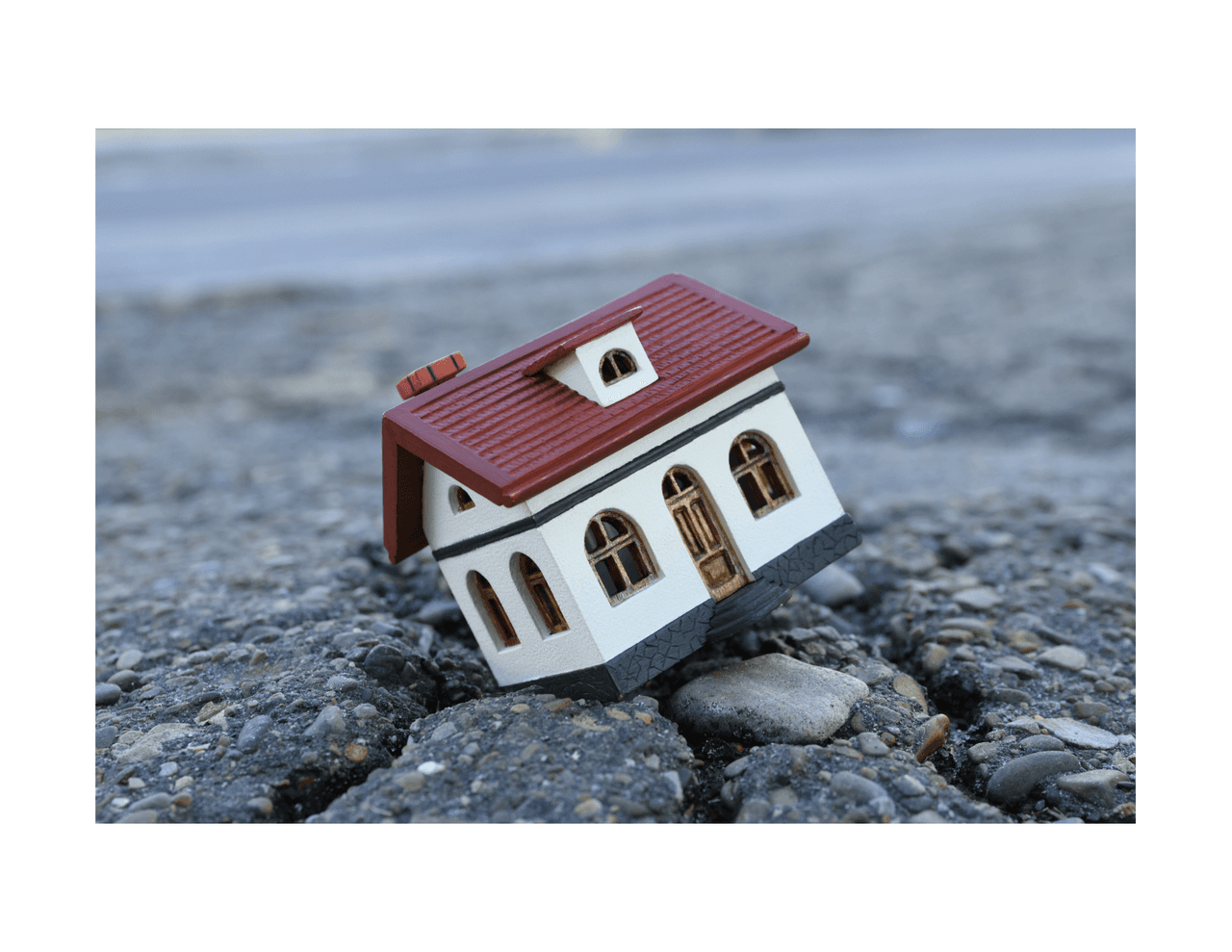
Whether small or large-scale, when disaster strikes, it generally causes a great deal of stress, not to mention dealing with claims and negotiating with your insurance company for reimbursement. Needless to say, this is one trial you’d be happy to forget about. If you’re at a loss and aren’t sure which way is up, rely on the steps detailed by the Chambre de l’assurance de dommages (ChAD).
A natural disaster, such as water damage or a fire, can cause a lot of damage to your home. Solely a specialized contractor can restore your home to its pre-loss condition, ensuring your peace of mind moving forward.
What Is Post-Disaster Recovery? What to Know About Post-Disaster Restorations
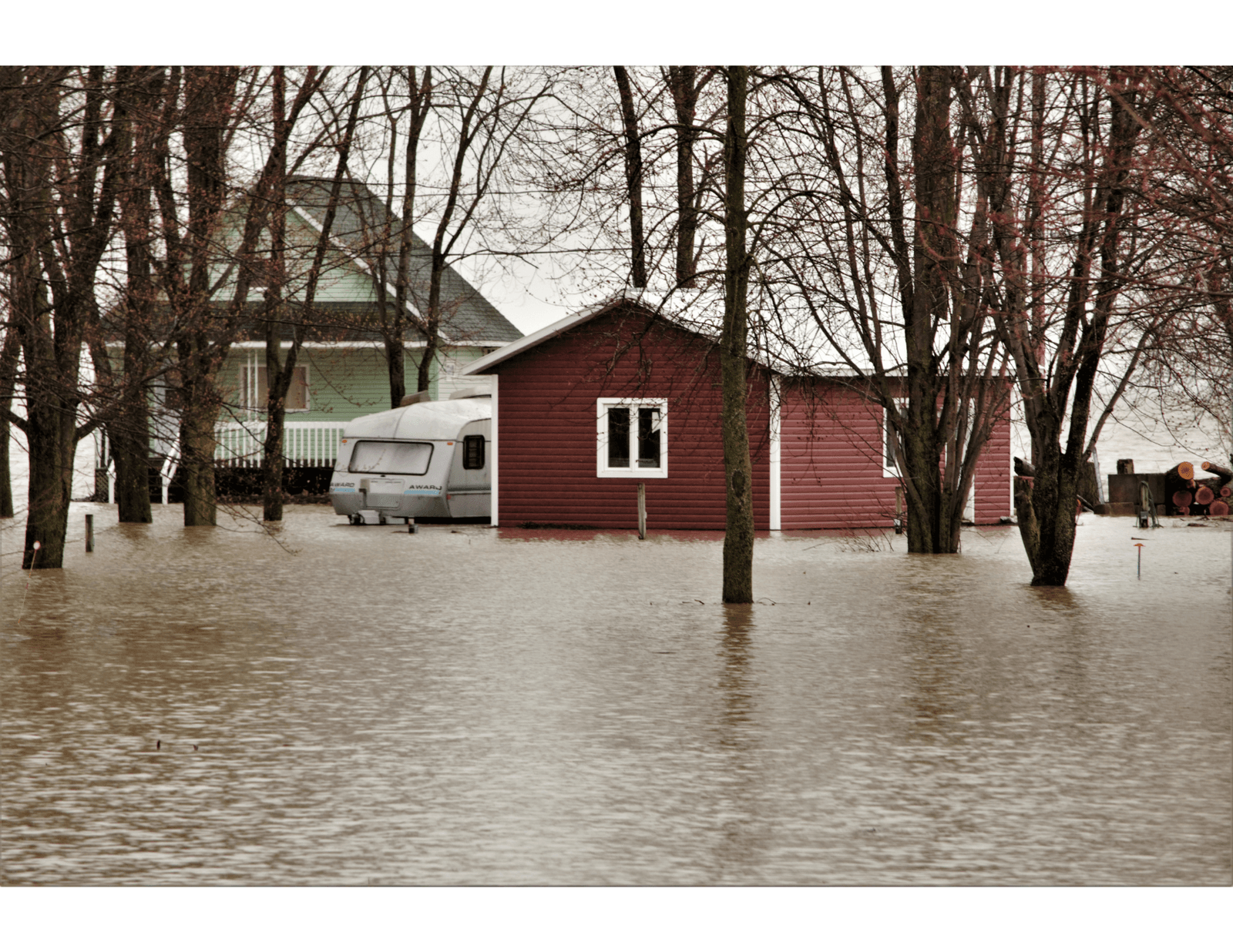
1. You don’t have to hire the contractor suggested by your insurance service provider
Depending on your insurance policy, your insurer will cover damages up to a certain threshold. They will, without a doubt, suggest hiring an approved contractor, but you can decline their proposal. The best course of action is to compare contractor quotes received for the best value-for-money outcome.
To reduce restoration-related costs, you can always DIY a part of the work, leaving the contractor to tackle the more complex part of the job. Talk it through with the disaster restoration expert assigned to your file, so that both parties agree on the terms of the settlement.
After choosing your restoration professional, one with the necessary technical expertise, looking over the quote to determine exactly what work will be done is the top priority. Note that your claims adjustor is just the person to help guide you in that regard. Bear in mind that your insurer must approve your renovation project details prior to the work start date.
2. Post-disaster cleanup: A stepping stone to renovations
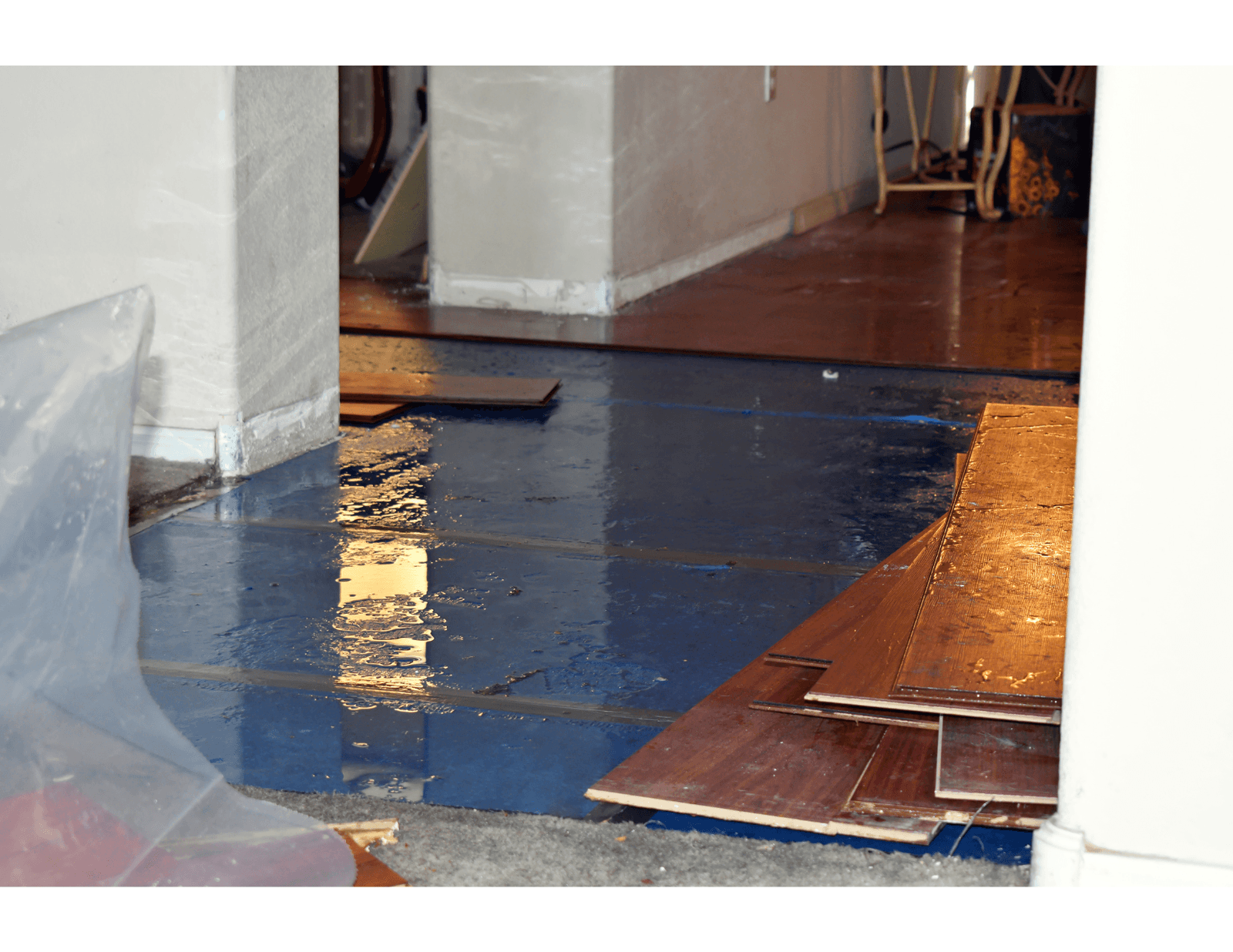
No matter the cause of the damage, it’s your responsibility to contact your insurance provider promptly to describe the circumstances of the incident. Also, take the necessary steps to limit the damage and prevent the situation from getting any worse. For example, in the event of a flood, it’s important to evacuate stagnant water and dry everything to prevent mould growth.
Before jumpstarting your renovations, the hired contractor will first clean and sanitize the affected areas. Note that your presence is required at this step to determine your priorities and make the right choices. When it comes to cleaning, some people find that replacing some furniture or personal belongings is much cheaper than cleaning and restoring them. Depending on your settlement, make budget-friendly decisions.
3. Signing an assignment of claim is advised against by experts
If you’re insured, the contractor hired to renovate your home will ask you to sign an assignment of claim—a document allowing them to receive payments directly from your insurance provider.
First, it’s important to know that you’re perfectly entitled to decline signing an assignment of claim. Furthermore, even though it might seem like it’s streamlining the process, it makes monitoring work-related expenses harder. Should you choose to sign said document and hope to maintain some control over your settlement, the ChAD recommends detailing a “[...] maximum cost for the work to be done,” and “require [...] a letter of satisfaction be signed before the final cheque is sent [...].” You can also “Ask the insurer to make [...] the final cheque out to the contractor in both your names. By doing so, you avoid signing a blank cheque with your assignment of claim, and you also confirm that the work was done to your entire satisfaction before making the final payment.”
4. Post-disaster restoration companies: The importance of job satisfaction
Even if you have to relocate to allow the workers to do their jobs, you’re entitled to track on-site progress. Moreover, doing so is recommended, especially since it’s still your home! It’s also important to jot down anything you might notice and stay available at all times to be kept abreast of critical steps and make important work-related decisions.
As the work progresses, little by little, you’ll be asked to approve the work, ensuring it was completed to your satisfaction. If you deem the work to be sub-par, you’ll need to make a note of it in your statement of satisfaction and request your insurer withhold a specific amount until the job is completed to your satisfaction thereafter. Also, it’s important to understand that if the damage stemming from a natural disaster doesn’t exceed your insurance’s limit, your deductible may be taken from your financial compensation.

5. Make the most of post-disaster restorations to revamp your home
Albeit hardly thought about in the aftermath of a disaster, but restoring a sense of normalcy is paramount. As such, carrying out post-disaster restoration work may come as the best time to revamp your home, beyond its original state. Naturally, your insurance will only issue reimbursement for what was damaged during the natural disaster. However, if you can afford to change the insulation or improve your home’s weatherization system, doing so at that time may be the most appropriate.
Unbeknownst to you, there are grants and tax credits meant to encourage homeowners to improve their home’s energy efficiency. So think about it and don’t hesitate to discuss it with your general contractor to know how you can make it happen.
Looking for something else?
Related articles
The latest industry news, interviews, technologies, and resources.

Cynthia Pigeon
•30 Apr 2026
Across Canada, the cost of an asbestos test for a residential property typically ranges between $200 and $950. A simple DIY sampling kit costs around $200, while a full professional inspection with a certified report generally falls between $500 and $950. Testing materials before any demolition or renovation—especially in homes built or heavily renovated between 1930 and 1990—is a critical step to protect occupants’ health and ensure compliance with occupational health and safety regulations.
Editorial Team
•16 Dec 2023
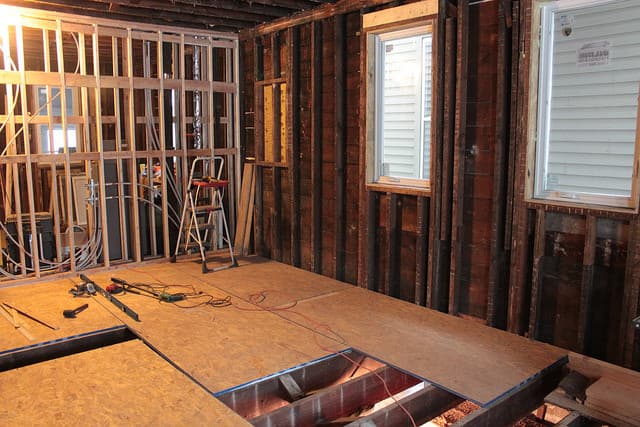
Floors are made up of several layers. Beyond the walking surface, meaning the flooring, the strength and durability of the floor rely on the structure of the house, joists, subfloor, and underlayment. When building or renovating a floor, you have to think about each of these layers, as they play a much more important role than one may know.
Editorial Team
•15 May 2026
If you plan on renovating your house, whether it’s a transformation, remodel, or extension, checking whether you need to apply for a building permit with the city is paramount.

Editorial Team
•30 Jun 2026
A 3-way switch lets you control the same light fixture from two different locations. It is commonly used in staircases, hallways, basements, garages, and rooms with more than one entrance.

Editorial Team
•08 Nov 2023
Every spring, homeowners, and especially those who live close to waterways, fear being flooded. The damage this disaster causes is serious, and thus, we can understand the concern.