Home Adaptations Cost Guide: How Much to Budget in 2026?
By Editorial Team
Updated on January 28, 2026
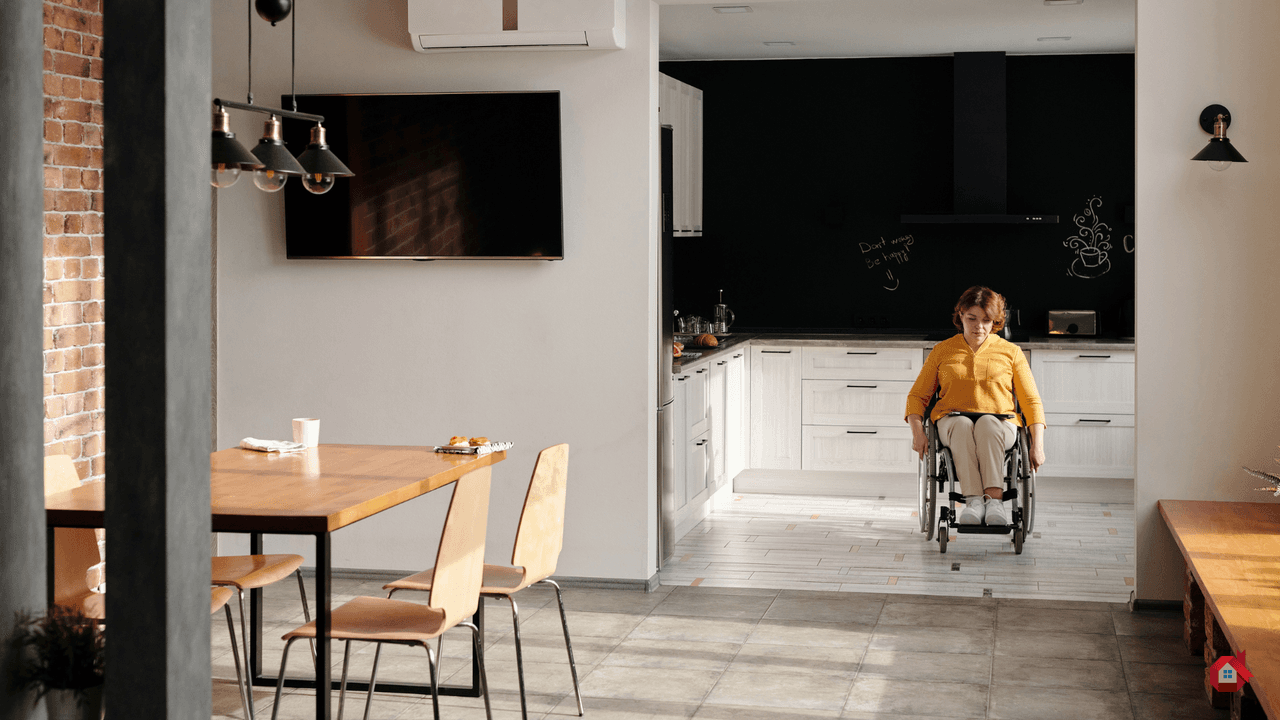
In this home adaptation financial guide, we’ll explore the expenses associated with essential home improvements, enhancing accessibility and functionality. How much should you budget to install a wheelchair ramp or upgrade a bathroom? What factors affect the cost of home adaptations? This guide addresses these questions and more, helping you plan your project as efficiently as possible.
How Much Should You Budget to Adapt a Home?
Adaptation | Price Point |
Wheelchair ramp | ≈$100–$1,000 |
Elevator | ≈$30,000–$40,000 |
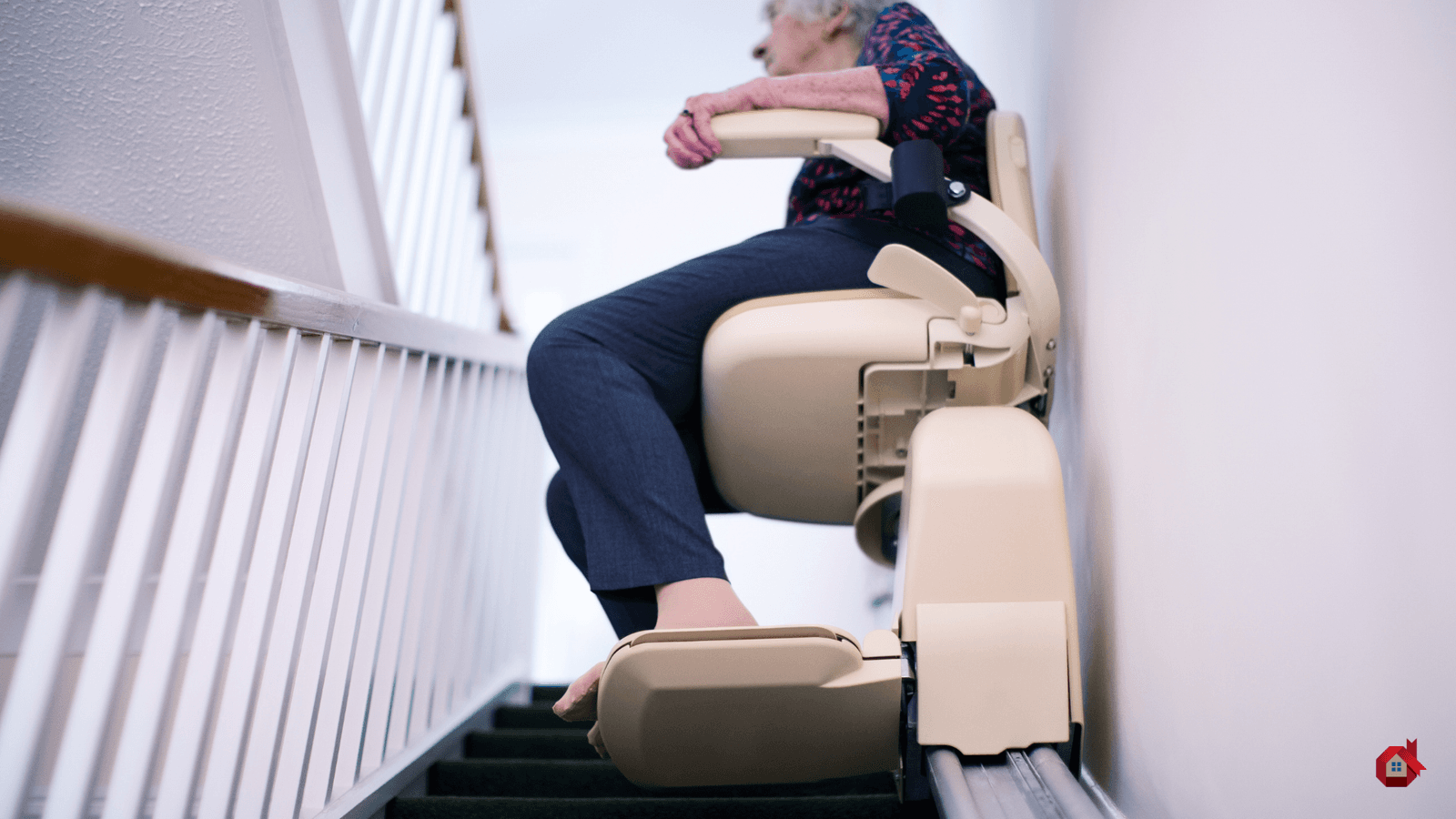
Stair lift | ≈$10,000–$15,000 |
Grab bar (bathroom) | ≈$30–$100 |
Thresholdless shower | ≈$1,000–$4,000 |
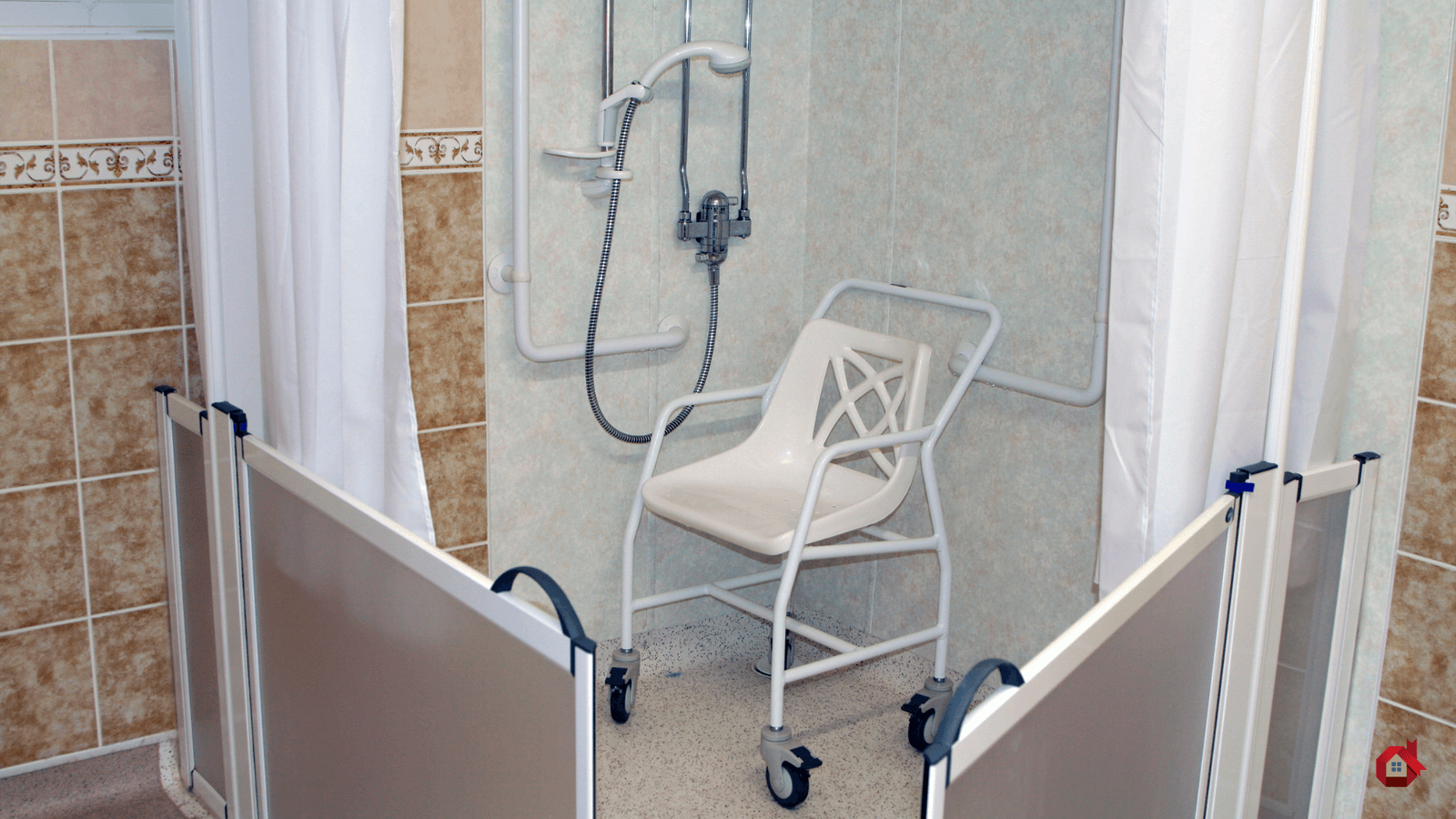
Shower chair | ≈$50–$400 |
Toilet seat riser | ≈$50–$350 |
Height adjustable countertop | ≈$300–$500 |
Smart thermostat | ≈$100–$400 |
Remote monitoring system | ≈$600–$2,000 |
What Factors Affect the Cost of Home Adaptations?
Types of Adaptations: Structural vs. Technical
Home adaptations can be both structural and technical. Here’s an overview of the most common home adaptations:
Structural Adaptations
Structural adaptations are significant improvements made to a house’s structure, rendering it more accessible, safe, and functional for individuals with specific needs, such as disabled or elderly people. Below are some examples:
Outdoor ramp installation to improve wheelchair access to and from the home
Doorway widening to allow wheelchair access
Bathroom improvements (installing thresholdless shower and grab bars)
Kitchen remodelling to improve accessibility (lowering countertops, cabinet/cupboard adaptations)
Technical Adaptations
Regarding technical adaptations, these improvements aren’t made to the structure itself but rather entail the addition of life-changing technologies, such as:
Installing lifts
Setting up home monitoring systems
Installing safety devices (alarm system, fall detection devices)
Installation Complexity
Installing housing adaptations can be complex on account of a myriad of factors, including administrative requirements, financial costs, and technical challenges associated with housing design.
What Are Home Environment Adaptations for Seniors or Mobility-Impaired Individuals?
Accessibility Adaptations
The following are the essential adaptations to enhance home accessibility for those with mobility impairments:
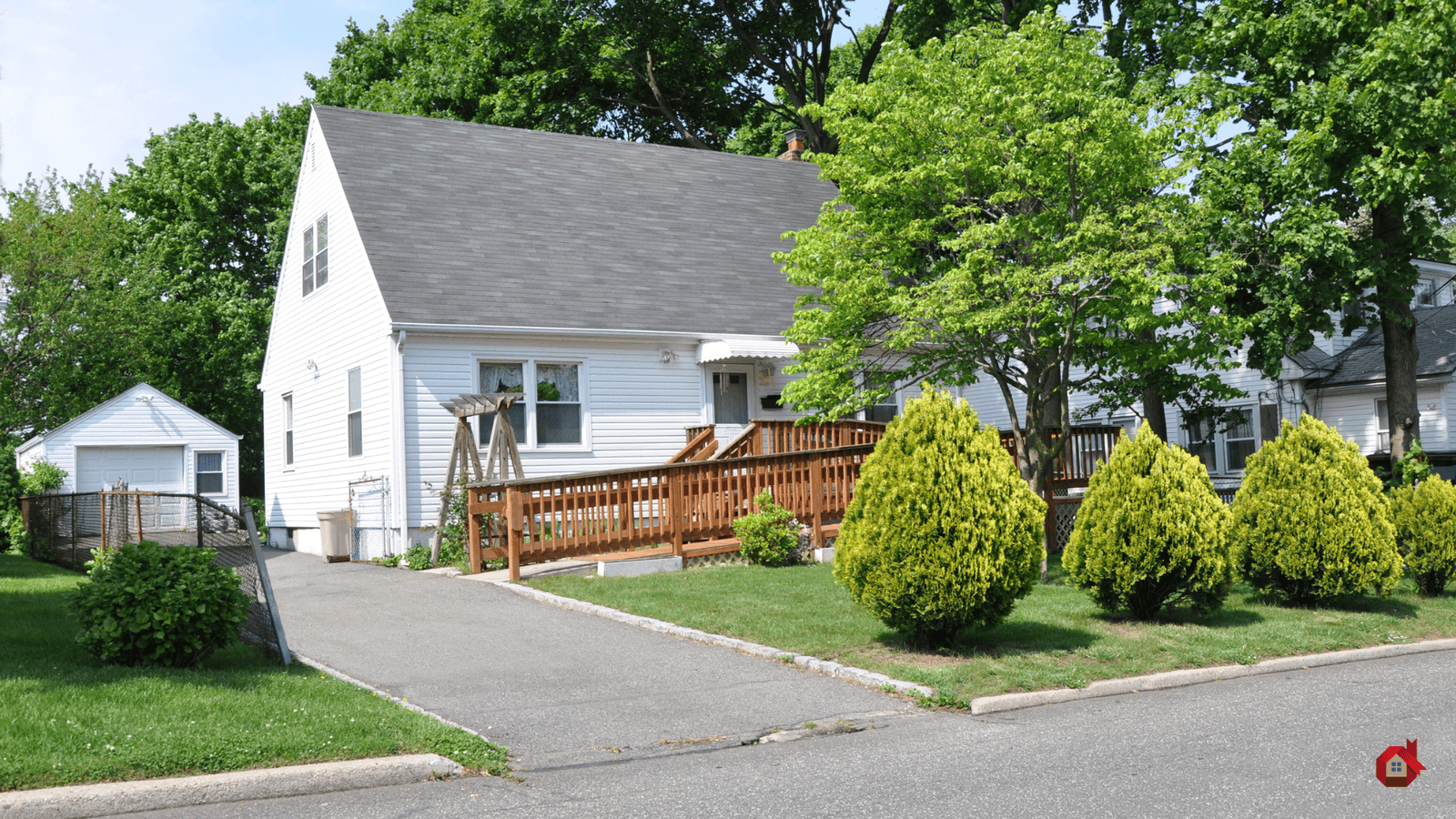
Wheelchair Ramps
Access ramps are key for allowing wheelchair-bound individuals to come and go as they please. Below are examples of additional factors to consider:
The recommended slope ranges between 1:12 and 1:20 (the gentler the slope, the better)
Mandatory skid-proof surface
Necessary lateral protection (elevated edge or guardrail)
For new constructions, having a ground-level entryway or at least a gently sloping ramp is preferable.
Elevators and Stair Lifts
When there’s a significant difference in ground alleviation from point A to point B, installing an elevator or a lift is preferred over a long ramp. Stair lifts should also be considered for indoor staircases.
Doorway Widening
Widening doorways is often mandatory for wheelchair access. Make sure all entryways and exits are devoid of obstacles.
Bathroom Adaptations
Several adaptations can be implemented in bathrooms to improve mobility and safety. Here are some common solutions:
Grab Bars
Grab bars are essential to provide additional support, preventing falls. They can be installed in strategic areas, alongside bathtubs, toilets, and showers. Handlebars make for something solid users can hold on to when moving around the bathroom.
Thresholdless Showers
Thresholdless showers are tailored for accessibility purposes, negating the need to step over the ledge, which is especially useful for mobility-impaired and wheelchair-bound individuals. It allows for easy and safe access, limiting fall risks. Moreover, it allows for ample space for those in wheelchairs to easily manoeuvre.
Shower Chair
Whether fixed or portable, shower chairs allow users to sit comfortably while bathing. These apparatuses can be as simple as stools or as sophisticated as can be, fitted with arm- and/or backrests for additional support.
Toilet Seat Risers
Toilet seat risers make sitting down and getting up easier, alleviating the physical strain of lifting one's body or lowering it beyond comfort level. These are particularly beneficial for individuals with mobility impairments or joint pain. Toilet seat risers can also be fitted onto existing fixtures for a height-adjustable seat. These adaptations were designed to improve the safety and autonomy of disabled individuals when using the bathroom, making lavatories all the more accessible and safe.
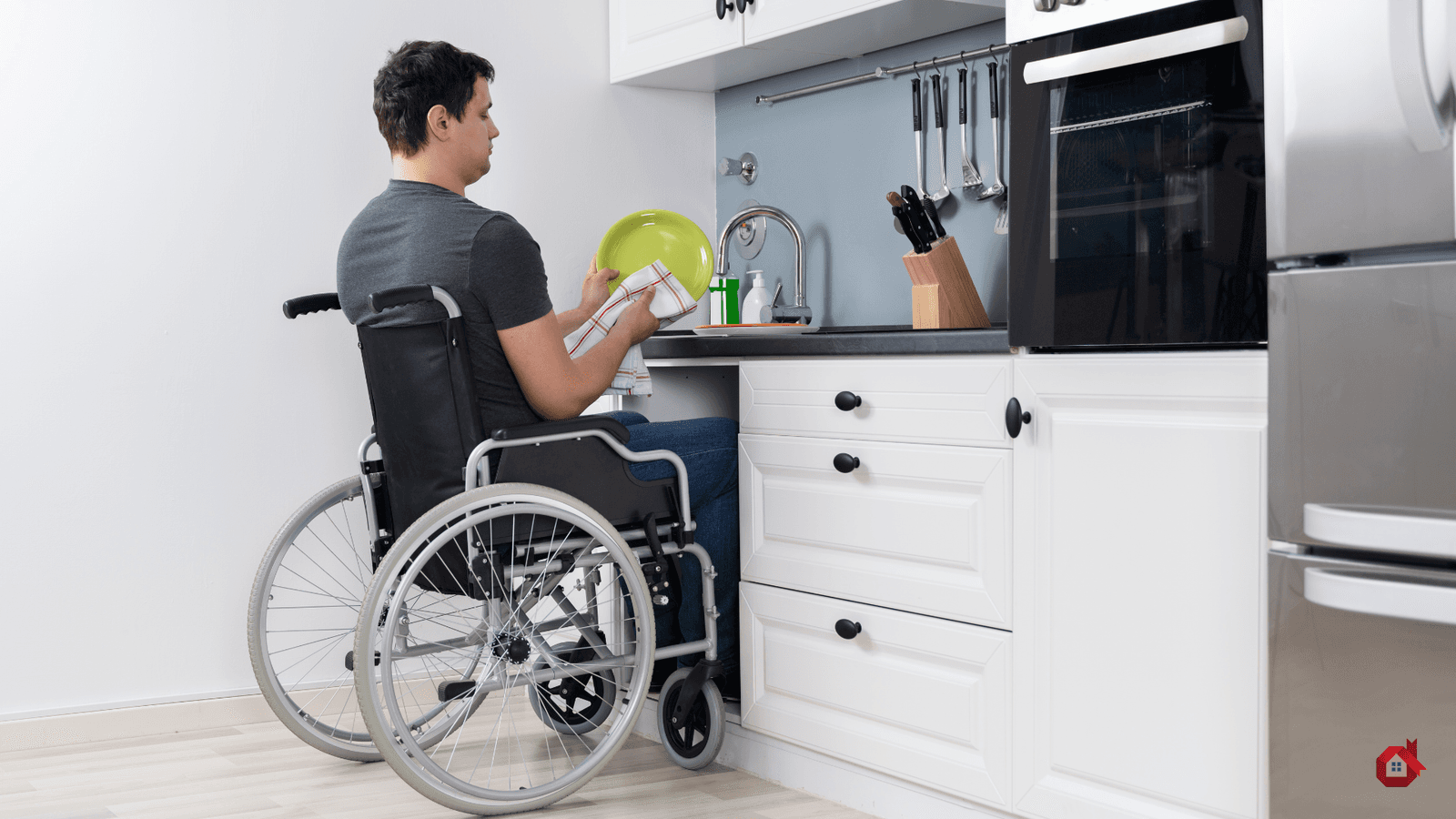
Kitchen Adaptations
Height Adjustable Countertops
Counters are what allow for a seamless transition, moving from the stovetop, sink, back to the countertop. They can be height-adjustable for user-friendly purposes.
Adjustable Sinks
Sinks should also be designed with height adjustability and built with forward-tilting bowls for improved visibility and accessibility. A single-tap faucet simplifies controlling and setting the water temperature.
Accessible Kitchen Cabinets
Upper kitchen cabinets can be equipped with motorized systems to move the cupboards up and down or be installed within reach (between 40 cm and 1.30 m). Pull-out shelves inside cabinets are also worth considering to optimize cupboard accessibility.
Increased Independence: Assistive Technology and Home Automation
Home automation options are transforming homes more than ever. Such technology is a must-have feature, making homes more secure and comfortable, especially for seniors or mobility-impaired individuals, thereby ensuring their self-sufficiency and improving their quality of life. Below are some examples:
Voice Commands
Such devices allow occupants to voice commands, controlling in-house features like:
Lighting
Temperature
Appliances
Door lock systems
Smart Thermostats
These devices allow for indoor temperatures to be set automatically, based on one’s habits and preferences. Smart thermostats not only provide customizable comfort, they’re also energy-efficient.
Remote Monitoring Systems
With the help of strategically placed surveillance cameras and sensors around the property, alarms are triggered to alert residents or emergency services in case of an accident, such as a fall or break-in. Additional safety measures are essential to maintain a high level of security, especially when residents are vulnerable or on their own.
What Other Costs Should Be Considered?
Planning and Design Fees
Before undertaking a home adaptation project, you have to assess your specific needs. Seek out the guidance of experts, such as architects, specialized interior designers, or accessibility consultants to help you design adaptations tailored to your requirements.
Maintenance and Upkeep
Home adaptations, especially those including specialized equipment or cutting-edge technologies, require regular upkeep and maintenance to ensure their proper functioning and durability. Recurrent fees might include:
Service contracts
Regular inspections
Occasional repairs
Training
Training aimed at using new technologies or equipment might be necessary for yourself, your family, or at-home care providers, which incurs additional costs.
Electric System Upgrades
Installing new home adaptation equipment may require you to upgrade your current electric system to accommodate additional charges. Such modifications must be completed by certified professionals and can represent a significant investment.
Home Adaptation Grant for Disability
Note that home adaptation costs can vary significantly based on the work-specific scope and person-based needs. The Home Adaptation Program (HAP) in Quebec, as well as other grants, provide financial assistance to fund necessary adaptations, tailored to the needs of disabled individuals, making their homes more accessible and functional.
FAQ
Who is eligible for the BC RAHA?
The BC Rebate for Accessible Home Adaptations (BC RAHA) offers financial assistance—rebates—to eligible low-income households for making residential modifications that support independent living. Approved applicants have 180 days to complete the planned repairs.
What is the home renovation grant for seniors in BC?
The BC Seniors' Home Renovation Tax Credit is a refundable personal income tax credit designed to help individuals aged 65 and older with the cost of specific, permanent home renovations.
For more information, check out these articles:
Get 3 quotes for your home renovation project
RenoQuotes.com can help you get quotes from a general contractor. By submitting your project, you’ll connect you to top-rated contractors. Fill in the form on the homepage (it only takes a few minutes) to estimates from trusted professionals.
Dial 1-844 828-1588 to speak with one of our customer service representatives.
Looking for something else?
Related articles
The latest industry news, interviews, technologies, and resources.
Editorial Team
•27 Jan 2026
Are you looking to upgrade your kitchen with a new countertop? Here, you’ll find not only pricing but also the pros and cons of the most popular materials, including quartz, granite, laminate, and wood. We provide detailed information on each option to help you make an informed choice based on your budget, needs, and kitchen style.
Cynthia Pigeon
•08 Nov 2023
Although interior doors may seem secondary in any renovation project, they can play an important role in your planned interior design. Swinging, bifold, or sliding door, there are so many different models to choose from and that can fit any room in your home.
Cynthia Pigeon
•30 Jan 2025
From time to time, when showering, you may experience a loss of water pressure. If this problem persists, it really does make your shower routine somewhat annoying and unpleasant. Check out this article to find out about the causes and possible solutions for this lack of water flow while showering.
Editorial Team
•27 Aug 2025
Concrete panels are durable, cost-effective, and viable options for both indoor and outdoor walls. Their list of attributes doesn’t end here: they're also easy to install, especially aesthetic-looking, thermal insulators, and soundproof. We’ll delve into why and how these panels should be installed.
Cynthia Pigeon
•08 Nov 2023
Clearly, the term “weep hole” is not something you hear on a daily basis. If you were to ask those around you, people are more likely to let their imagination run wild, drawing a connection between the verb weep and the noun hole. And yet, a weep hole does not pertain to weeping in the slightest.