All About Geothermal Energy | Renovation Quotes
By Editorial Team
Updated on July 17, 2026
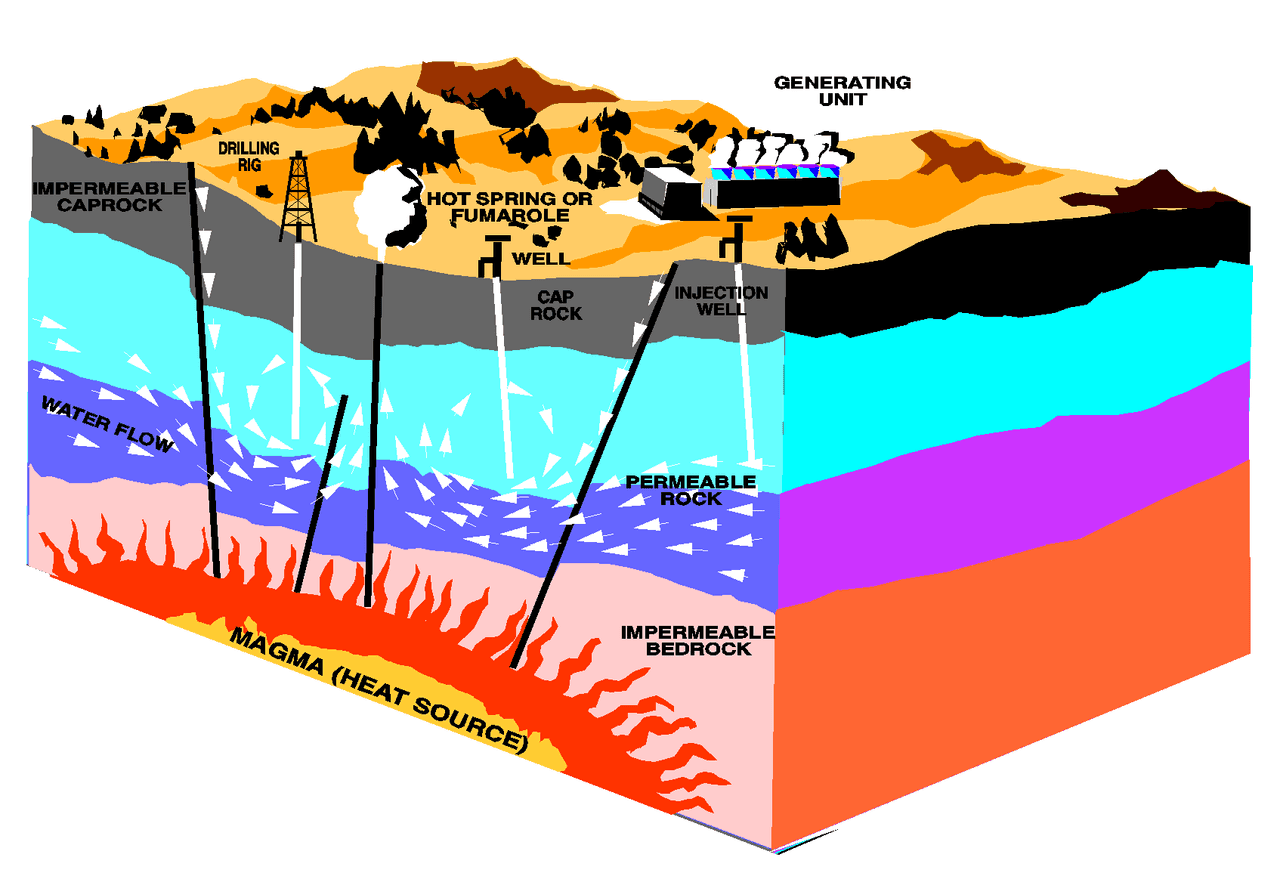
Homeowners are constantly exploring sustainable methods to heat and cool their homes, and it should come as no surprise that the earth itself holds the ultimate answer. This energy source is referred to as geothermal, and it can be tapped right from your own backyard. Modern homes are leaning into this highly efficient and sustainable technology to power their climate control systems. But what exactly is it, and how does it work?
If you’re a homeowner curious about eliminating your dependency on fossil fuels—or you just want to know how 2026’s massive financial incentives can bring this premium technology within reach—look no further. We’re here to break down everything you need to know about geothermal energy and help you decide if it’s the right fit for your home!
What are Geothermal Heating and Cooling Systems?
If you dig deep enough into the earth—approximately 6 to 10 meters down—the ground temperature stabilizes and is no longer influenced by Canada's extreme seasonal weather. The underlying principle of geothermal heating and cooling is to take advantage of these constant underground temperatures. The system functions by absorbing heat from the earth during the winter and reversing the process to remove heat from your home in the summer.
In the Winter: The system extracts natural heat energy from the ground and transfers it into your home.
In the Summer: It functions similarly to standard air conditioning. However, instead of that indoor heat being rejected and wasted into the outside air, a geothermal system deposits it back into the ground.
The Thermal Battery Effect: Homeowners who adopt this system are essentially using the heat extracted during summer months to warm the earth below their property. This recharges the ground's temperature, further increasing the system's efficiency when winter rolls back around. As a result, geothermal is incredibly cost-effective, saving Canadians up to 60% on their annual utility bills.
A standard Canadian residential geothermal setup relies on three primary elements working together:
The Ground Loop: A network of high-density polyethylene pipes buried underground. Depending on your lot size and soil conditions, these pipes are installed either horizontally (in shallow trenches below the frost line) or vertically (in deep boreholes). A water-based antifreeze solution circulates through these pipes to move heat.
The Indoor Heat Pump Unit: The "brain" of the system. It houses the compressor and heat exchanger that compress and concentrate the energy drawn from the ground loop to heat or cool your indoor air.
The Distribution System: The mechanism that delivers the conditioned air throughout your home, utilizing traditional ductwork (forced air) or a hydronic radiant in-floor heating system.
Unlike ordinary HVAC units, geothermal systems do not burn fossil fuels to generate climate control, operate quietly, and require very little maintenance.
The Canadian Standard: Because the underground loop infrastructure is a permanent asset designed to last for generations, it is vital that the system is engineered correctly. Across the country, systems must be installed in accordance with the CSA C448 standard by certified professionals to guarantee longevity and qualify for any regional utility rebates.
Common Residential Geothermal Heating and Cooling

source: Wikimedia Commons
Vertical Closed Loop System
This configuration utilizes a sealed, U-shaped pipe made of high-density polyethylene (HDPE) that circulates a heat-transfer fluid in a continuous, unbroken loop. The thermal exchange between the fluid and the surrounding earth occurs entirely through conduction across the pipe walls. Depending on the season, the warmed or cooled liquid travels back to the surface, where the indoor heat pump uses it to heat or cool your home.
Depth Requirements: Vertical boreholes are typically drilled to a depth of 150 to 400 feet (approximately 45 to 120 meters), with 300 feet (90 meters) serving as a common standard.
Space Efficiency: Because they go straight down, vertical loops are the premier choice for Canadian urban or suburban lots with limited backyard space, leaving your existing landscaping largely undisturbed.
Cost Structure: The installation cost for a vertical system is highly dependent on the total depth required. Drilling contractors typically charge on a price-per-foot (or price-per-meter) basis. Keep in mind that depending on your home's total heating and cooling load, a project may require multiple boreholes spaced roughly 15 feet (4.5 meters) apart.
Horizontal Closed Loop System
The horizontal closed-loop system functions on the exact same thermodynamic principles as the vertical configuration. The primary difference lies entirely in how the piping network is laid out. Instead of drilling straight down, a horizontal system utilizes loops of pipe spread out laterally inside wide trenches buried 6 to 10 feet (approximately 1.8 to 3 meters) below the surface.
Installation Footprint: This setup involves heavy excavation rather than drilling a deep borehole. It requires digging long trenches that can frequently stretch up to 300 feet (90 meters) or more depending on the heating load of the home.
Land Disruption: While this configuration is significantly cheaper to install than a vertical system because it utilizes standard excavation machinery, it does require a massive amount of open land. This makes it ideal for rural properties or large suburban lots, but it will temporarily disrupt a large portion of your backyard's landscaping until it is re-seeded.
Efficiency Nuance: Horizontal systems are slightly less efficient than vertical systems. Because they sit closer to the surface, the shallow soil experiences minor seasonal temperature fluctuations. While it still vastly outperforms standard heating systems during a harsh Canadian winter, the system has to work just a bit harder during seasonal temperature extremes.
Open Loop Systems
An open-loop configuration acts as a direct connection to nature by utilizing local groundwater as its heat-transfer fluid. The system pumps water from a conventional supply well, passes it through the indoor heat pump's heat exchanger to extract or deposit thermal energy, and then discards the water safely.
Discharge Methods: The water is typically returned back underground via a second well (known as a return or discharge well) or released into an approved surface water body like a large pond or lake.
The Pros: Open-loop systems are not only highly thermally efficient, but they are also significantly less expensive to install than vertical closed-loop systems—often saving homeowners up to 25% on upfront drilling costs because fewer deep holes are required.
The Cons & Urban Limits: This setup requires very specific conditions to function properly. First, you need an abundant and sustainable supply of clean groundwater. Second, you need enough acreage to space your supply and discharge lines apart. Because of these constraints, open-loop systems are rarely feasible in compact urban environments.
Important Regulatory Note for Canadians: Because open-loop systems actively draw from local aquifers, they are subject to strict provincial environmental protections under the CSA C448 national standard. Homeowners must apply for specialized water-use permits and ensure their local water quality is tested for iron and mineral hardness, as poor water quality can lead to system scaling and clogged return wells.
Looking for something else?
Related articles
The latest industry news, interviews, technologies, and resources.
Editorial Team
•06 Jul 2026
As more of us shift to working from home, managing our energy consumption has become crucial. Not only does it help in reducing our monthly bills, but it also plays a significant role in lessening our environmental impact.
Editorial Team
•08 Nov 2023
No matter how much you love hanging out at home, staying inside for long periods of time can feel stifling. Many try their best to keep home interiors looking pleasant, put together and feeling fresh.
Editorial Team
•21 Aug 2026
A media room does not need a dedicated wing of the house to feel like a real home theatre. A spare bedroom, a basement corner, or even a nook off an open-plan living area can become a comfortable spot for movie nights once the layout, lighting, and sound are handled with a small space in mind.

Editorial Team
•08 Nov 2023
The sets of your favourite films can sometimes serve as an inspiration to transform your interior decor. Whether a period piece, a 1960s inspired environment or a more modern layout, there is always room to draw inspiration from these much-loved stories.
Cynthia Pigeon
•08 Nov 2023
Are you thinking about purchasing an air exchanger to improve the comfort level in your home? If you want to get the most out of this device, installation is key.