
Although we may have heard about volatile organic compounds, the fact remains that we know very little about their origin, as well as the consequences of their presence for the environment as well as our health.
To gain a better understanding of their impact, here’s an overview of everything you need to know about volatile organic compounds.
What you need to know about volatile organic compounds
What are VOCs?
In short, we can say that volatile organic compounds are substances present in the atmosphere in a gaseous state. These are made up of at least one hydrogen atom and one carbon atom.
While some VOCs, such as benzene and formaldehyde, are considered hazardous substances, others, along with nitrogen oxides, contribute to the formation of ozone.
Sources of volatile organic compound emissions

Sources of volatile organic compound emissions
Volatile organic compounds found in the greatest quantities in our environment include benzene and formaldehyde. The former can be found in several products, including synthetic, preservative, or cleaning agents, as well as solvents and degreasers.
These products are used in a wide number of sectors including printing, metallurgy, mechanics, textiles, pharmaceutical production, plastics production, and more. That being said, remember that solvents come first in the production of volatile organic compounds, accounting for 45% of total emissions.
On the other hand, formaldehyde manifests itself more during the combustion of chipboard or via cigarette smoke.
The impact of VOCs on the environment and our health

As we briefly mentioned, VOCs contribute to the formation of ozone and more importantly, to its overproduction. Indeed, when present in the air, VOCs degrade the chemical equilibrium, resulting in too much ozone production.
Unfortunately, as a whole, this has negative consequences for our health, although the effects vary from one individual to another. Problems identified include chest pain, nasal and eye irritation, and several other types of discomfort. Although the majority of the population can cope well with low-intensity exposure to VOCs, the fact remains that those with health problems will feel the effects more intensely.
While the side effects mentioned may seem modest, it should be emphasized that VOCs can have much more serious consequences and be considered toxic substances. Some volatile organic compounds like benzene and formaldehyde are considered carcinogens, especially when people are exposed to them over long periods and in high concentrations.
We should clarify that low-dose exposure doesn’t pose long-term problems. For more information on the formaldehyde exposure limits to observe, see the Residential Air Quality Guidelines: Formaldehyde document.
We should remind you that while the overproduction of ozone has health consequences, it also has harmful effects on the environment. In this regard, we’ll mention that it greatly alters the resistance of plants and generates an additional greenhouse effect.
How to reduce your exposure to volatile organic compounds
In a residential environment
Several recommendations can help you limit your exposure to volatile organic compounds. First, if you smoke, do it outside. Second, be an informed consumer and choose products with low emissions. Let’s continue by emphasizing the importance of proper ventilation in your home when products containing VOCs are used (glues, paints, cleaners, varnishes, and others) indoors.
Also, be sure to minimize the use of products intended to mask interior smells (such as those in the form of aerosols or fresheners), as these also produce volatile organic compounds so that they’re effective.
Lastly, at the time of purchase be sure to read the technical and toxicological data sheets that accompany products containing VOCs. You’ll find valuable information regarding the precautions to take when using them to avoid negative health impacts as much as possible.
In a working environment
Regarding exposure to volatile organic compounds in the workplace, it’s recommended that you avoid using products containing them as much as possible. Where appropriate, it’s suggested that you prioritize low emission products.
Second, it’s recommended that ventilation is increased. Ideally, this should not only be done by opening windows or doors, but also by installing fans capable of drawing in stale indoor air and expelling it outside.
Recently, storing products containing VOCs outside the workplace is a measure worth considering to ensure workers’ safety, as is wearing protective clothing when handling them.
Get 3 renovation quotes for your home renovation project
RenoQuotes.com can help you get quotes for your home renovation project. If you submit your project to us, we’ll put you in contact with top-rated contractors. Fill in the form on the homepage (it only takes a few minutes), and you will get estimates from trusted professionals.
Dial 1-844 828-1588 to speak with one of our customer service representatives.
Looking for something else?
Related articles
The latest industry news, interviews, technologies, and resources.
Amanda Harvey
•28 Oct 2024
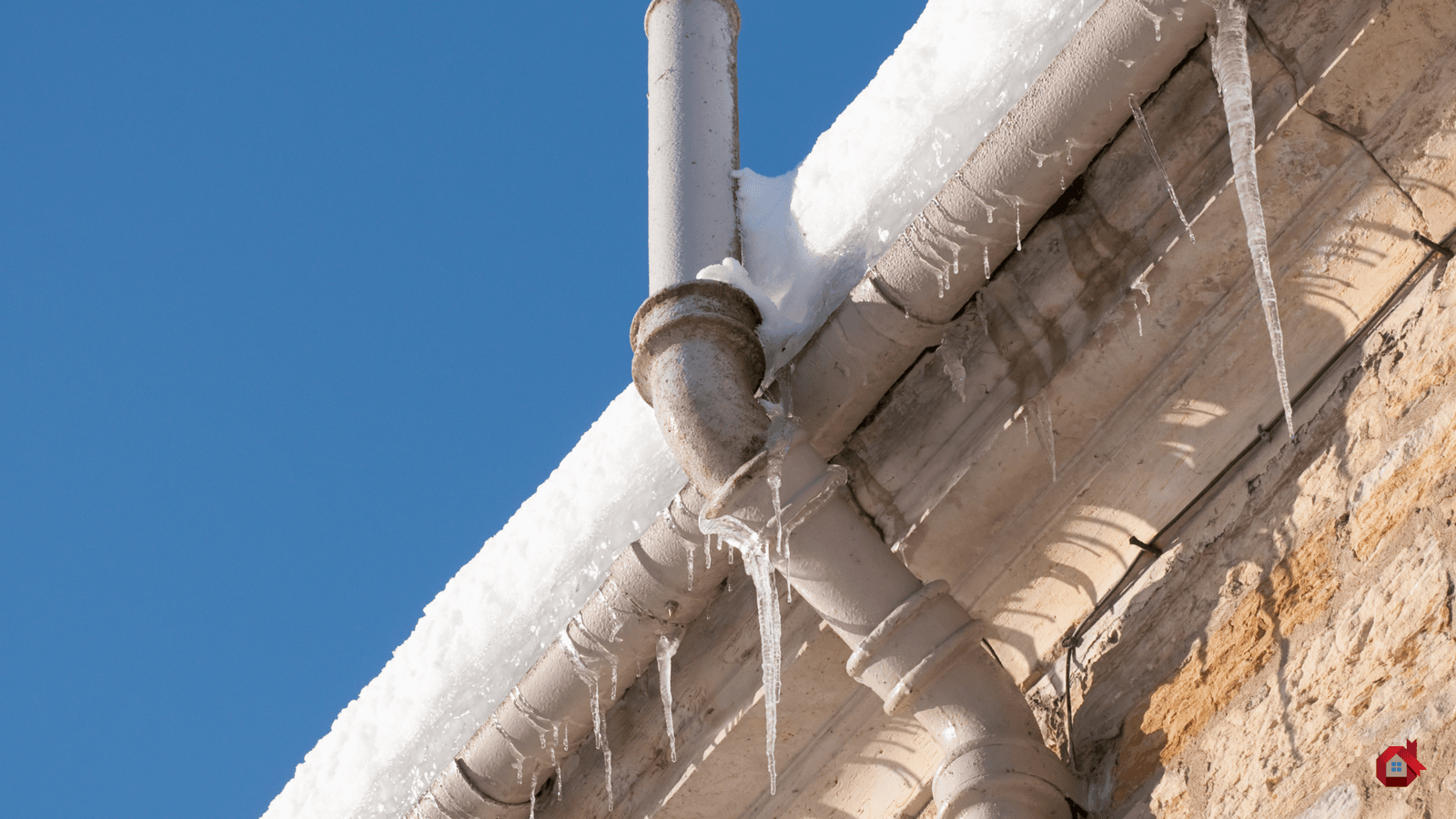
Imagine arriving home in the dead of winter after a long day of work and all you’re hoping for is a hot bath. You turn on the faucet and prepare for steaming water to stream out, but nothing happens. What’s the problem? Are your pipes frozen? Is something obstructing water flow? Is your water heater dead? When winter rears its ugly head, plumbing problems escalate, making it difficult to pinpoint where the issues might be coming from.

Editorial Team
•07 May 2026
We’re accustomed to seeing two classic types of wardrobes: the small cluttered closet or the huge walk-in wardrobe reserved for upscale homes. Of course, to limit yourself to these two options is to forget a multitude of closet arrangements that exist and that can be easily adapted to your needs.

Cynthia Pigeon
•18 Dec 2024
With the new year ahead, major developments are being ushered into the renovation industry.
Cynthia Pigeon
•07 May 2026
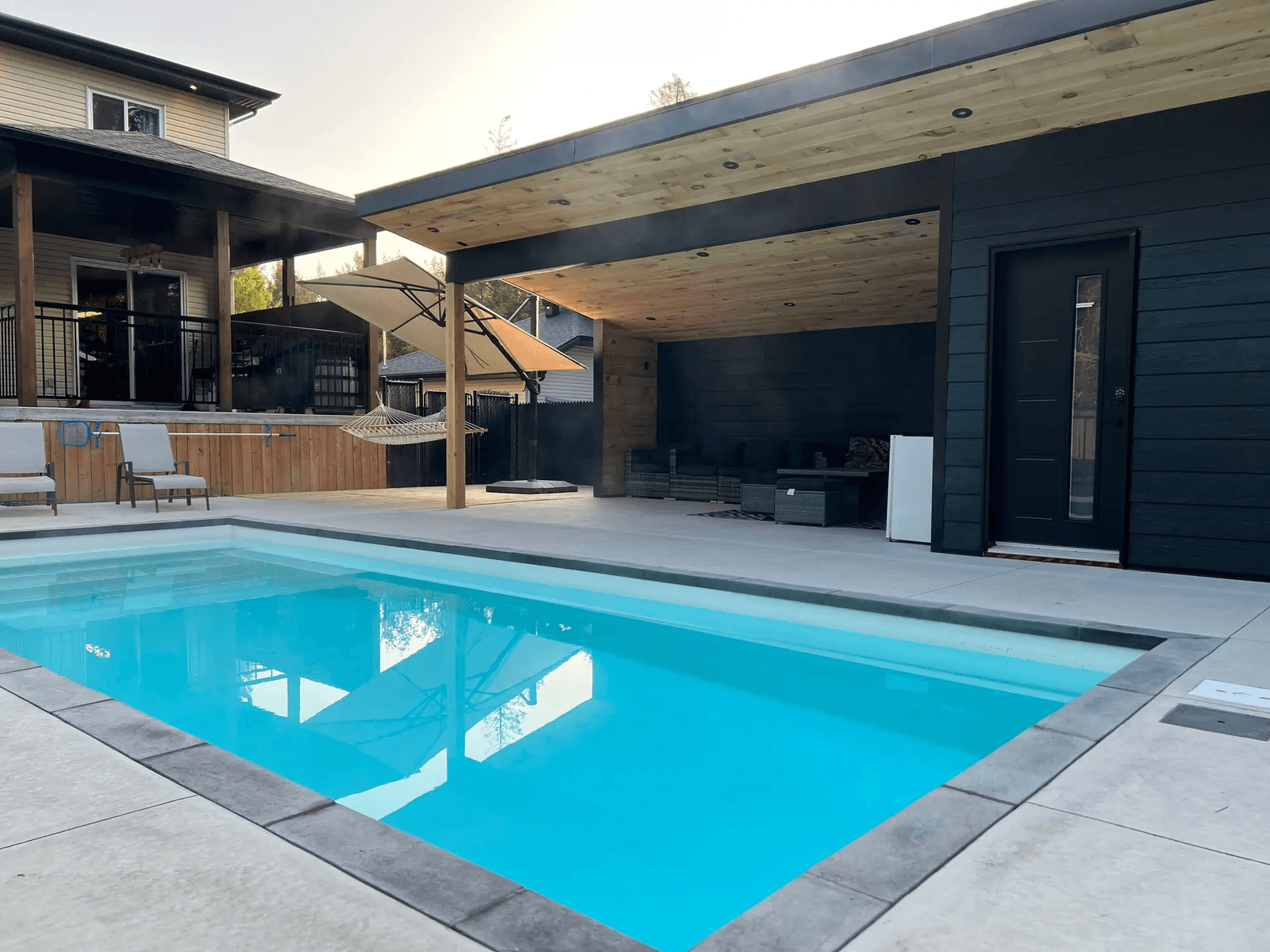
Building a pool house in Canada usually requires a building permit and strict compliance with local setback rules. These setbacks vary by municipality, but they often determine how close your structure can be to property lines, fences, neighbouring buildings and easements. Any electrical or plumbing work should be completed by qualified, licensed trades in accordance with provincial regulations. Your pool house must also respect local pool safety requirements to ensure it does not create unsafe or unsupervised access to the swimming area.
Amanda Harvey
•09 Sep 2024
Are you looking at your kitchen cabinets thinking about how they're old and outdated but still intact? Maybe you aren’t quite ready to replace them because the frames and doors are structurally sound, or a whole new cabinet renovation just isn't in your budget. Whatever the case, for a quick kitchen update, all that cabinets require is a fresh coat of paint!