All about multi-layer asphalt membranes
By Editorial Team
Updated on November 8, 2023
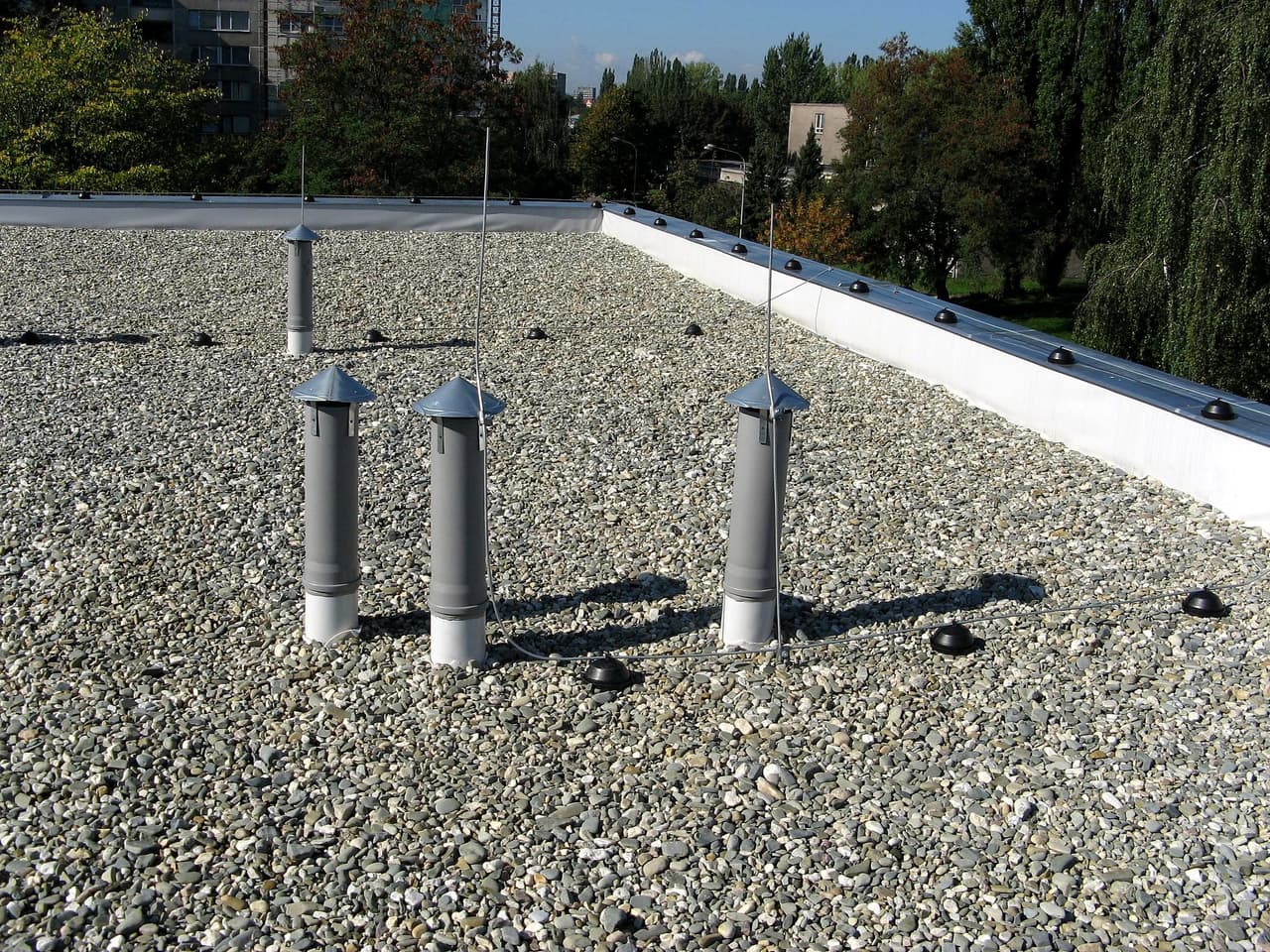
Are you in need of a new roofing material? While asphalt shingles are a popular option that many homeowners end up choosing, those with flat roofs must look to other choices including multi-layered asphalt and gravel membrane. In this article, we've got everything you need to know on the subject!
Multilayer asphalt and gravel roofing: what you need to know
What is multilayer asphalt exactly
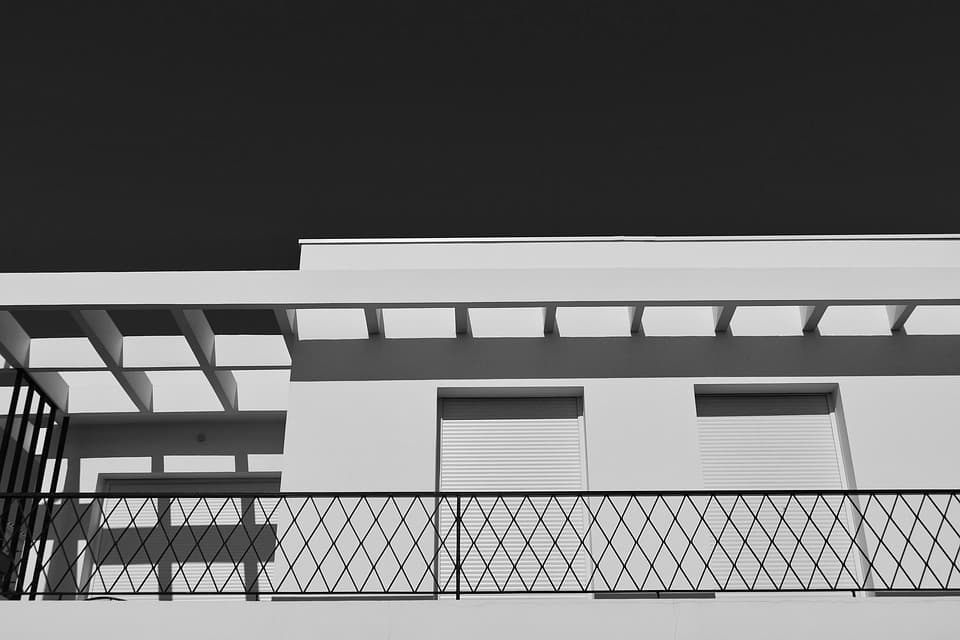
Before going further in our discussion about multi-layered asphalt and gravel membranes, let's start by explaining how they are made. This type of material is made up of several layers of felt, and each layer of felt is immersed in asphalt.
What type of felt is used? To this point, you should know that 2 types of felt can be used: organic bitumen felt (perforated #15) as well as fibreglass felt (type IV). The construction method will vary depending on the type of felt chosen. In the first case, two layers of dry felt will be nailed down and then three more soaked in asphalt.
If the felt installed is fibreglass, first a dry felt will be nailed to a piece of wood. Following this, four more layers of felt dipped in asphalt will be laid.
Of course, you may not know which of these two types you should use. One element that can be factored in is that fibreglass felt has better durability than its counterpart due to its rot-proof nature. However, its unique qualities also make it a more expensive option than organic asphalt felt.
For asphalt, two grades are used in the manufacturing process: grade #2 asphalt and grade #3 asphalt. The choice of one or the other is determined by the type of slope your roof has. Thus, category #2 will be reserved for roofs with an incline of 1:10 to 1:12 and category #3 for steeper slopes with an inclination between 1:12 and 1: 6.
To ensure a quality installation, it will be necessary to apply 20 lbs of asphalt per 100 square feet, in addition to making sure that the third coat is three times thicker than the first. Another very important precaution: the asphalt must reach 220 degrees Celsius.
When it comes to gravel, in most cases, a product made up of crushed stones varying in diameter from ¼ to 5/8 of an inch is used. On average, it will take about 4 pounds of gravel per square foot. While it’s quite possible to use standard coloured gravel, it’s often recommended to use white gravel. This will improve the reflectivity of the coating and help reduce the presence of heat islands.
Remember that at intersections (the chimney and others), it will be necessary to install the membrane so that it rises 8 inches above the roof. Also, it should be nailed down to ensure that it stays in place. If organic felt is used, two plies of cotton fabric pre-dipped in hot asphalt will usually be inserted between the two plies.
Finally, the installation of metal flashings will adequately protect the membrane against any harmful effects of the sun. Remember that it’s essential to use galvanized steel flashings. Regarding installation conditions, it’s best to avoid working when the temperature is below -18 degrees Celsius.
Maintenance and life of a multi-layer asphalt and gravel membrane
On average, multi-layer asphalt and gravel roofs have a lifespan of 10 to 15 years. Regarding the maintenance required to ensure preservation, note that it’s essential to sweep the surface of your roof from time to time to be sure that the roof gravel is evenly dispersed.
As this allows the membrane to be protected from the harmful effects of the sun, it’s a much needed precautionary measure. Otherwise, the asphalt could become brittle and eventually crack. Moreover, it should be noted that the sun is precisely the main cause of degradation of this material.
Note that it’s essential to make small, necessary repairs as quickly as possible to avoid any premature degradation. To this point, we should mention that a lack of maintenance can reduce the lifespan of your roof by several years. So, if the gravel is displaced, tamp it down carefully and then reapply liquid asphalt to the roof surface. Finally, replace the gravel as needed.
Let’s finish by reiterating the importance of checking drains once in a while, as gravel can eventually build up and lead to a blockage.
Want to learn more about maintaining your flat roof? See our article Maintaining a flat roof: 6 things to know.
Advantages vs disadvantages of multilayer membranes
The main advantage we must highlight is the cost of this type of roofing material, which comes in quite low at between $7 and $12 per square foot. Also, an asphalt and gravel roof tends to resist impact well and is therefore unlikely to be damaged in inclement weather.
Moreover, this type of coating effectively protects against water that may accumulate on your roof’s surface. Thus, water infiltration is unlikely. Finally, an asphalt and gravel roof is easy to repair and in the event of a fire, will limit the spread.
As for the drawbacks relating to this roofing material choice, we should start by mentioning that this material has a rather limited tolerance for the expansion and contraction cycle that naturally takes place in the changing temperatures.
Second, the rising cost of oil could eventually prove to be a major constraint over time and make this option less affordable than it is currently. Also, it’s impossible not to mention the environmental consequences associated with the use of petroleum as part of this material's manufacturing process.
Besides, the insulation options are more limited, some insulation being incompatible with this type of coating. Finally, it will be essential to call in a professional for the installation of this material because of the degree of expertise required to carry out this task.
Want to do some reading on the subject? We have other articles for you:
Get 3 renovation quotes for your roofing renovation project
RenoQuotes.com can help you get quotes for your roofing renovation project. If you submit your project to us, we’ll put you in contact with 3 qualified professionals. Fill in the form on our homepage (it only takes a few minutes), and you will receive quotes from the best roofing companies.
Dial 1-844 828-1588 to speak with one of our customer service representatives.
Looking for something else?
Related articles
The latest industry news, interviews, technologies, and resources.
Editorial Team
•08 Nov 2023
Your home is important, providing a place to nest, offering shelter to loved ones and giving you a space to rest your head. Of course, to make sure your house is in good working order, you need to keep everything in good shape while working with the best materials.
Karine Dutemple
•03 Nov 2025
It should come as no surprise that the roof of your home is one of the most integral and important parts. A well-maintained, beautiful roof is essential for keeping interior temperatures regulated.
Editorial Team
•27 Jul 2026
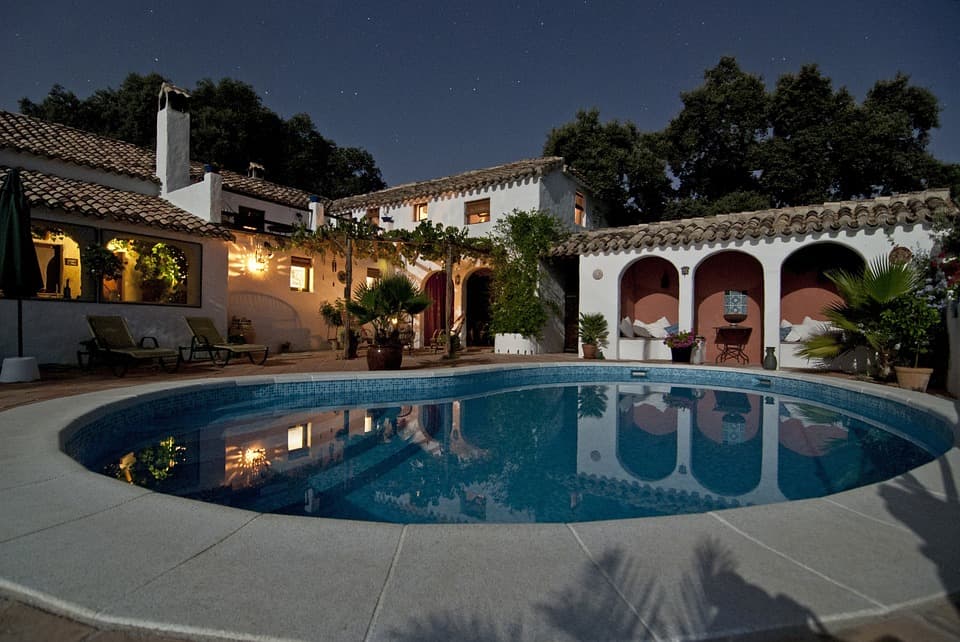
While the summer heat is much appreciated throughout Canada, that doesn’t make it easy to bear. Have you ever dreamed of lounging by the pool while the sun is at its hottest? Does the idea of spending your summer weekend entertaining around a pool sound enticing? Imagine taking a cool dip or swimming a few laps to help alleviate the intense summer heat!

Christine Simard
•08 Nov 2023
Whether you live in a small apartment or a large family home, the organization of your space is the key to keeping your household neat and well kept together.
Amanda Harvey
•08 Nov 2023
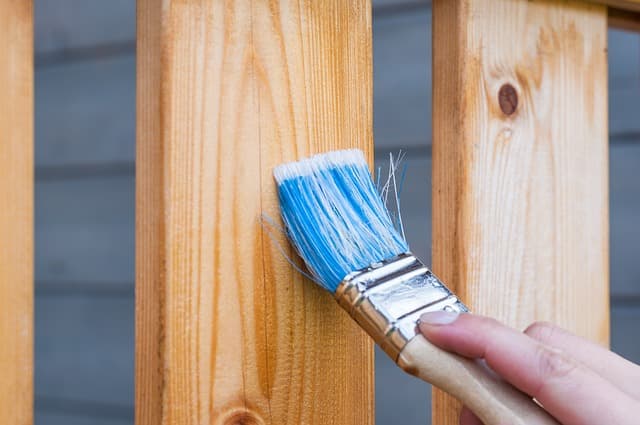
A fence protects the exterior of your home, and when well maintained, can add some serious curb appeal to any property. Since this structure is left outside day and night, it comes up against some severe conditions: snow, rain, sleet, heat, both freezing and melting water. Therefore, it's only natural that the paint on an outdoor fence should easily wear and fade.