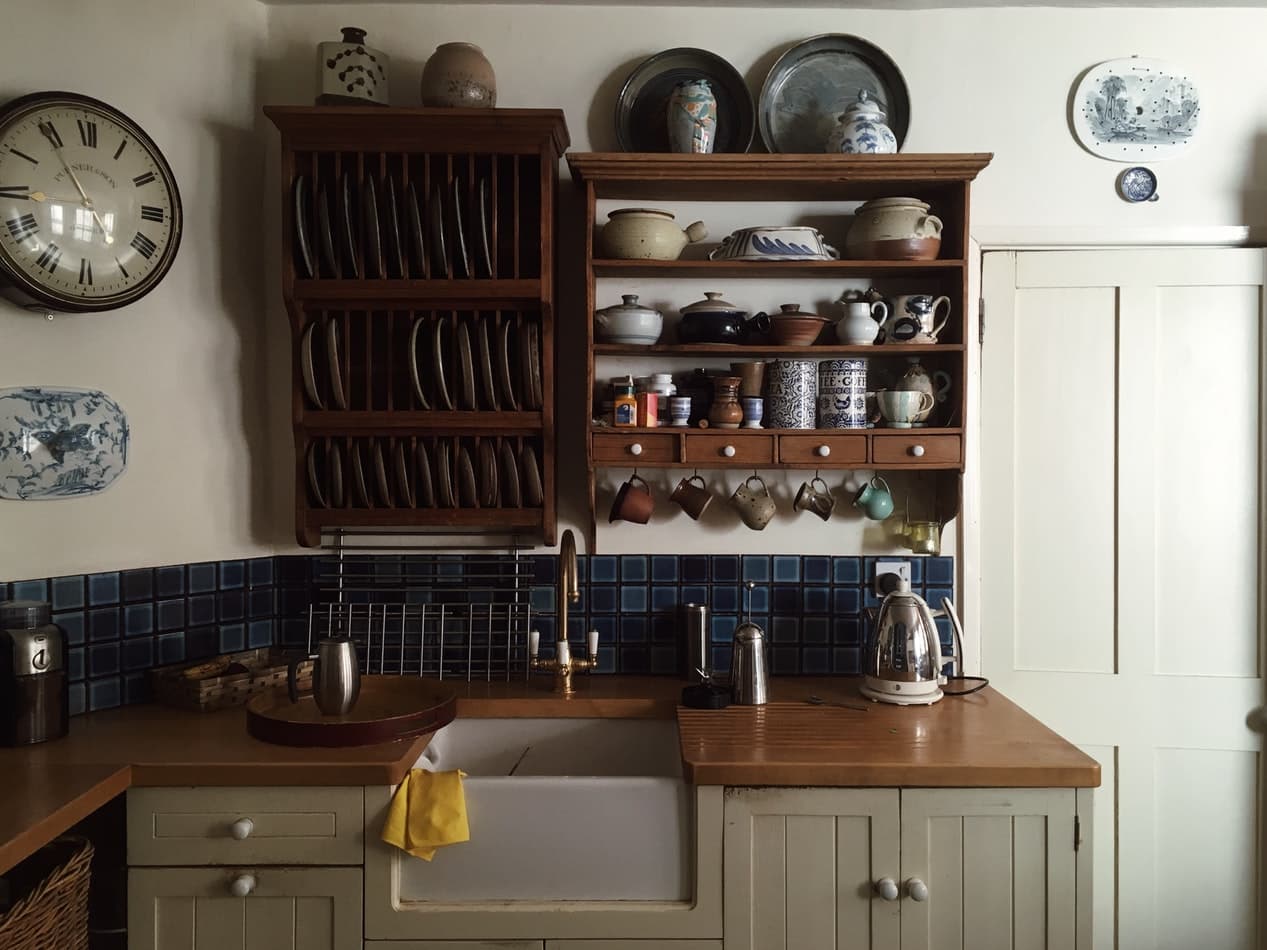
For the novice DIYer, a plumbing project can at first appear challenging. Regardless if your project entails clearing clogs, expanding pipes, fixing leaks, or installing new appliances, these projects need to be carefully completed with tact and patience.
With a little bit of concentration and a lot of research, anyone can get through a first-time plumbing job, so where do you start? Well, if we’re looking at the plumbing in your kitchen, we are here to share tips and tricks to tackle almost any plumbing issue.
Considering installing a new facet? Have the pipes under your sink been leaking for months? Now is the time to face the facts and get the job done. We’re here to offer insight into the inner workings of kitchen plumbing, information that will be useful for beginners and experts.
Know How to Shut Off Your Water

source: unsplash
This is the first thing to know when it comes to working on any plumbing project, in any room of the home: learning how to shut off your water. To do this, you’ll need to locate the main shut-off valve for your home's water source. This will likely be located in a few areas: on the outside of your home close to an exterior wall, in your basement or crawlspace or lastly, directly underneath your kitchen sink.
Once you locate the valve, the task of turning it off is fairly simple and should require you to turn the nozzle clockwise as far as possible. This is a very important step at the beginning of every plumbing project, and also a great piece of knowledge if you ever have a plumbing nightmare such as a burst pipe.
On top of knowing where the main water valve is located, it’s important to take stock of where individual appliances' water valves are. Every single sink or appliance that needs water will have one. Again, this is necessary information to know about the fixtures in your home, as it’s possible for plumbing problems to easily go awry. Remember not to overlook appliances like the dishwasher, washing machine or even the water heater.
Learn How to Read Your Water Meter
You’re likely reading this article and wondering when we’re going to get down to the nitty-gritty of plumbing tips, but knowing how to read your water meter is another integral step to dealing with any kitchen plumbing issues in general. Your water pressure needs to be between 30 and 80 PSI in order for the flow to run smoothly and again, to avoid any major plumbing mishaps.
When the flow of water is functioning correctly, water will flow to your fixtures evenly and offer the proper dispersal of water. When water pressure is too high, it can cause the flow to run unevenly and lead to burst pipes, stressed leaks and awkward faucet pressure. To do this, you can grab a water pressure gauge from your local hardware store, or call up your water or hydro company to complete a reading for you.
Another suggestion is to keep track of your water meter readings. This can help you to spot a problem, such as a spike in water usage that can't be explained. This will lead to excessive leaking in certain areas of the home, including the kitchen.
Fixing a Leaky Faucet
Your faucet gets used daily. For this reason, it’s an important skill to master fixing one that leaks or drips when it isn’t in use. A leaky faucet isn’t only annoying, it can cause a spike in energy bill costs. Start by examining the faucet to determine where the drip is coming from. It will be coming from either the base or the spout, and these will require different repairs.
Start by turning off the water supply, a step we’ve already explained in detail above. You’ll need to let the excess water run out of the faucet, and then remove it from its place on the sink. Make sure that when disassembling the faucet, you pay close attention to the way the parts are removed. If you notice mineral deposits, soak the parts in vinegar. Look down the drain for any clogs, cleaning these out with a small tool such as a screwdriver. Following this, you’ll need to reassemble and attach the faucet in place.
If you’re looking for more detailed steps, we have an entire article dedicated to the subject of how to fix a leaky kitchen faucet!
Replacing Your Kitchen Sink
Since the kitchen sink is another fixture used every single day, there may come a time when it needs to be replaced. The difficulty of this job will come down to two main factors and these are what type of sink you’re removing and the type you’re planning on installing. There are a few different sink styles and thee include drop-in, undermount, farmhouse and integral.
If you’re replacing it with the same sink style, then the job will be fairly straightforward and will require you to remove the sink, including the sealant holding it in place. Again, the specifics of this process will come down to the material of your countertop and the sink you’ve chosen. Another point to consider is the tap. Are you installing a new one or reinstalling the old one? Make sure it’s the right size or you may need to insert holes into your new sink.
For more complex plumbing jobs, we'd recommend working with a certified entrepreneur.
If you’re looking for more detailed steps for this project, look no further, we have an entire article on the subject of how to replace your kitchen sink!
Permits
Again, before we get into specifics we need to discuss another important point: permits. In some cities and municipalities, a permit will be required to complete a plumbing project. So, if it’s not a simple job and requires changing the layout of piping in your home, it may be best to do your research. Check local plumbing codes and whether a plumber is required for the job. If the job you carry out is in fact prohibited, then you may end up with a fine on your hands. It’s always better to be safe than sorry!
Looking for something else?
Related articles
The latest industry news, interviews, technologies, and resources.
Cynthia Pigeon
•01 Oct 2026
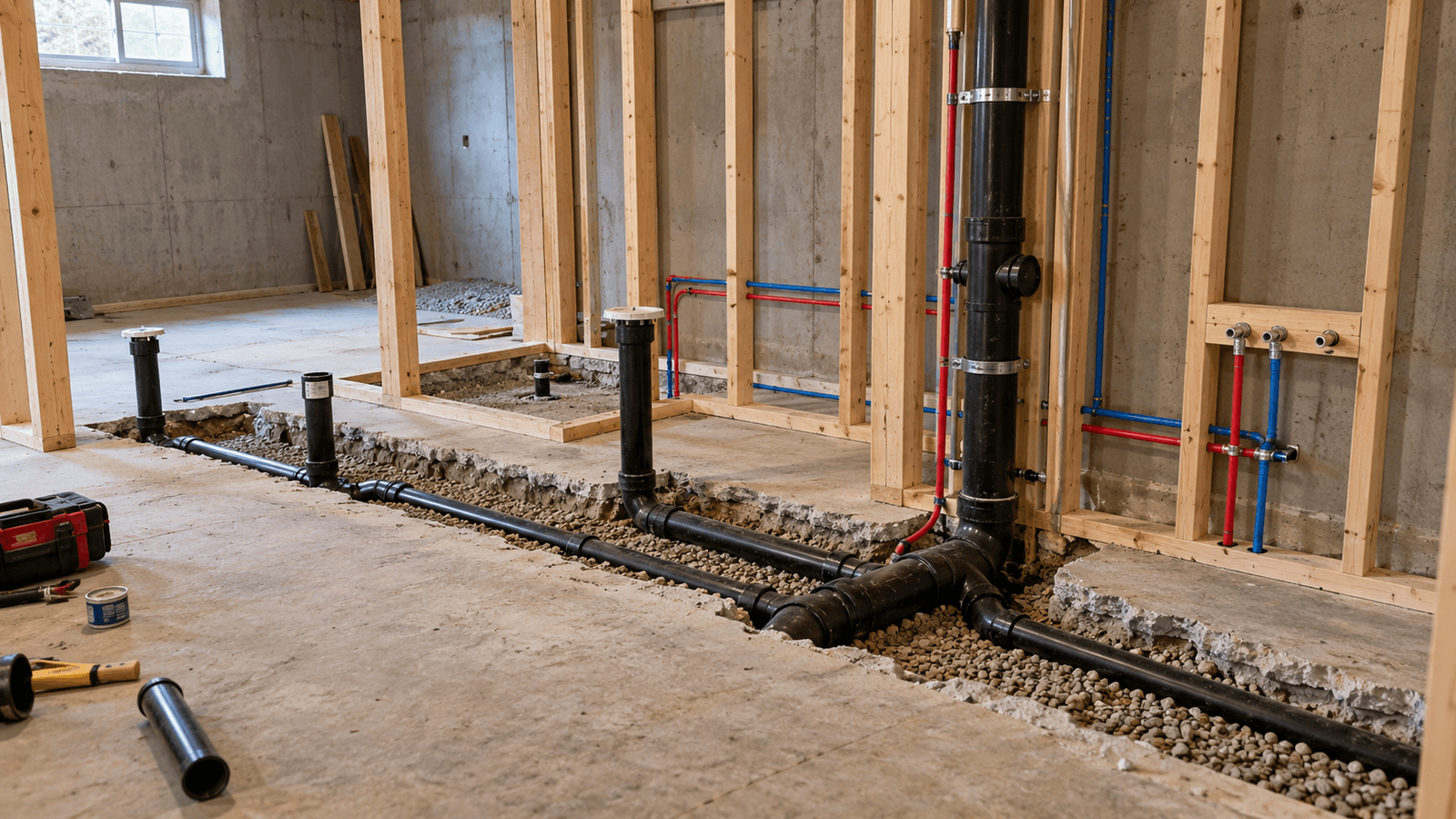
Finishing or renovating a basement can be one of the most valuable residential renovation projects in Quebec. Whether you're adding a second bathroom for your family, creating a functional laundry room, or installing a kitchenette in a secondary suite, rough-in plumbing forms the hidden but essential foundation of the project.
Editorial Team
•21 May 2026
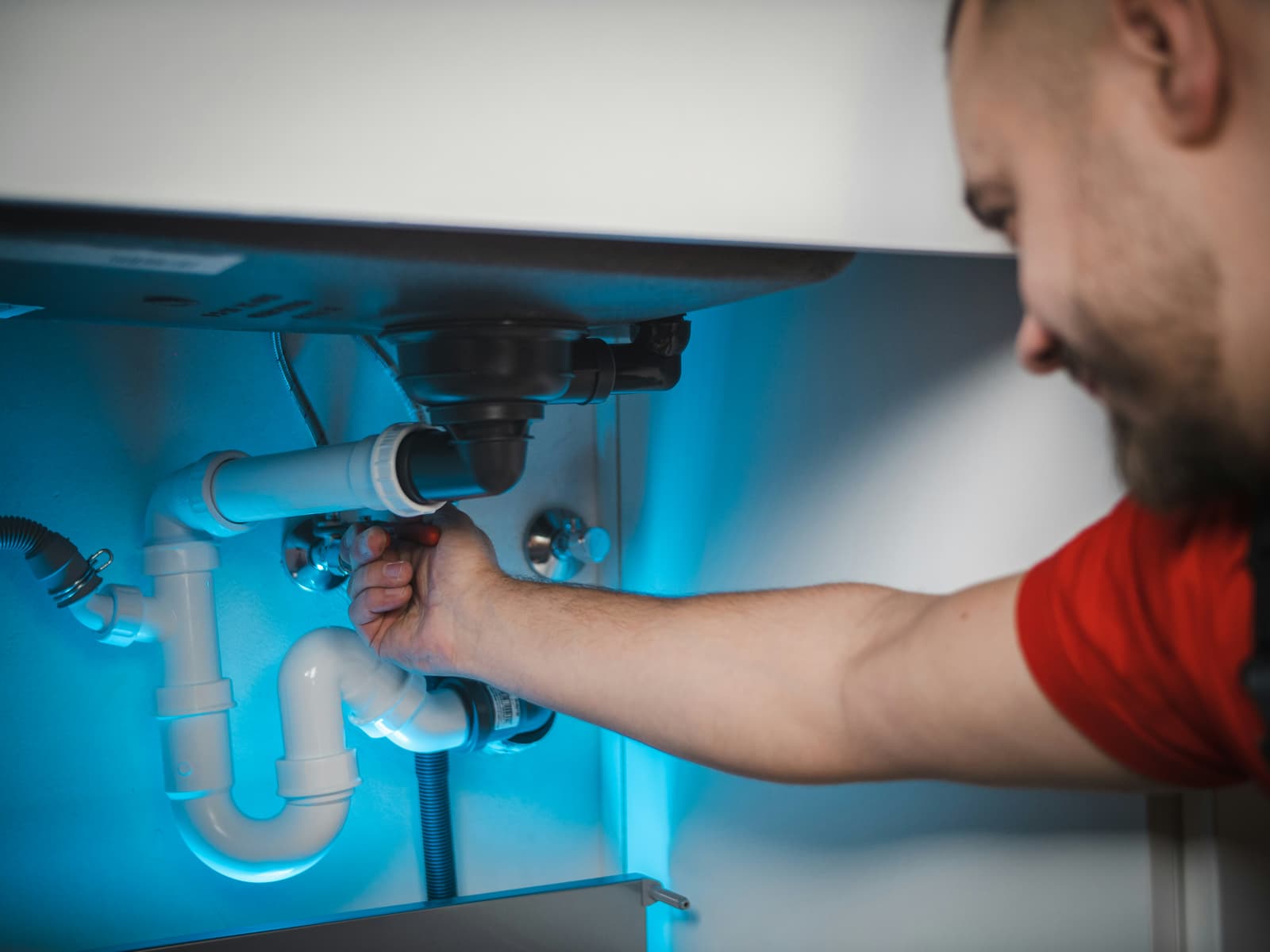
Plumbing emergencies have a way of disrupting routines at the worst possible moments. Water pressure drops without warning, drains stop flowing, or sewage begins backing up into spaces meant to stay clean and dry. In a city as busy as Toronto, homeowners need a plumbing service that responds fast, works efficiently, and understands the risks of delay.
Cynthia Pigeon
•08 Nov 2023
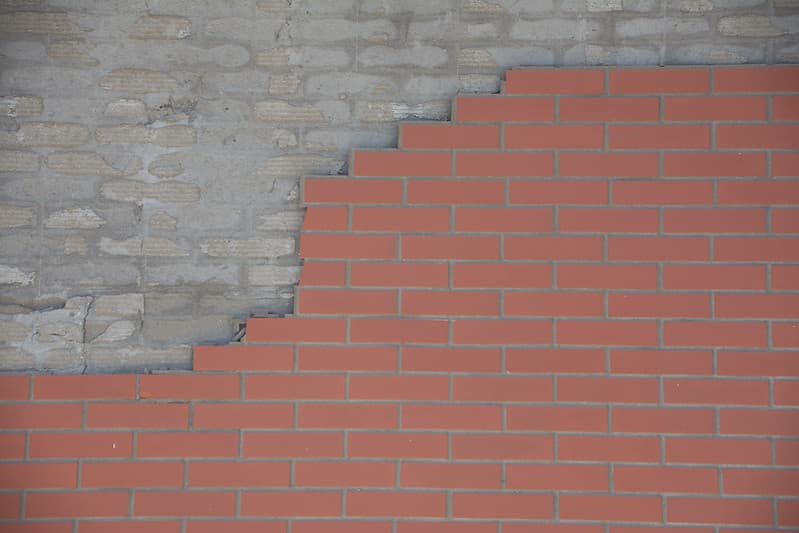
A building's structure is either made of wood, concrete, or steel. To finish this structure and give a business, facility, or home an eye-catching look, opting for masonry siding is a definite possibility. And, a bricklayer-mason hired by a contractor will be qualified to carry out this type of project.

Editorial Team
•08 Nov 2023
Home elderly care is becoming a growing concern in our society, while many want to live in the comfort and warmth of a family home.
Editorial Team
•17 Feb 2025
Kitchen cabinets can be the centrepiece of the space, and beautiful, well-designed ones will make a huge difference in both the layout and feel of the room. Custom kitchen cabinets are an excellent way to add a unique element to your home as well as increasing the resale value.