Arc Fault Circuit Breakers: Why They’re Required in Bedrooms
By Editorial Team
Updated on May 22, 2025
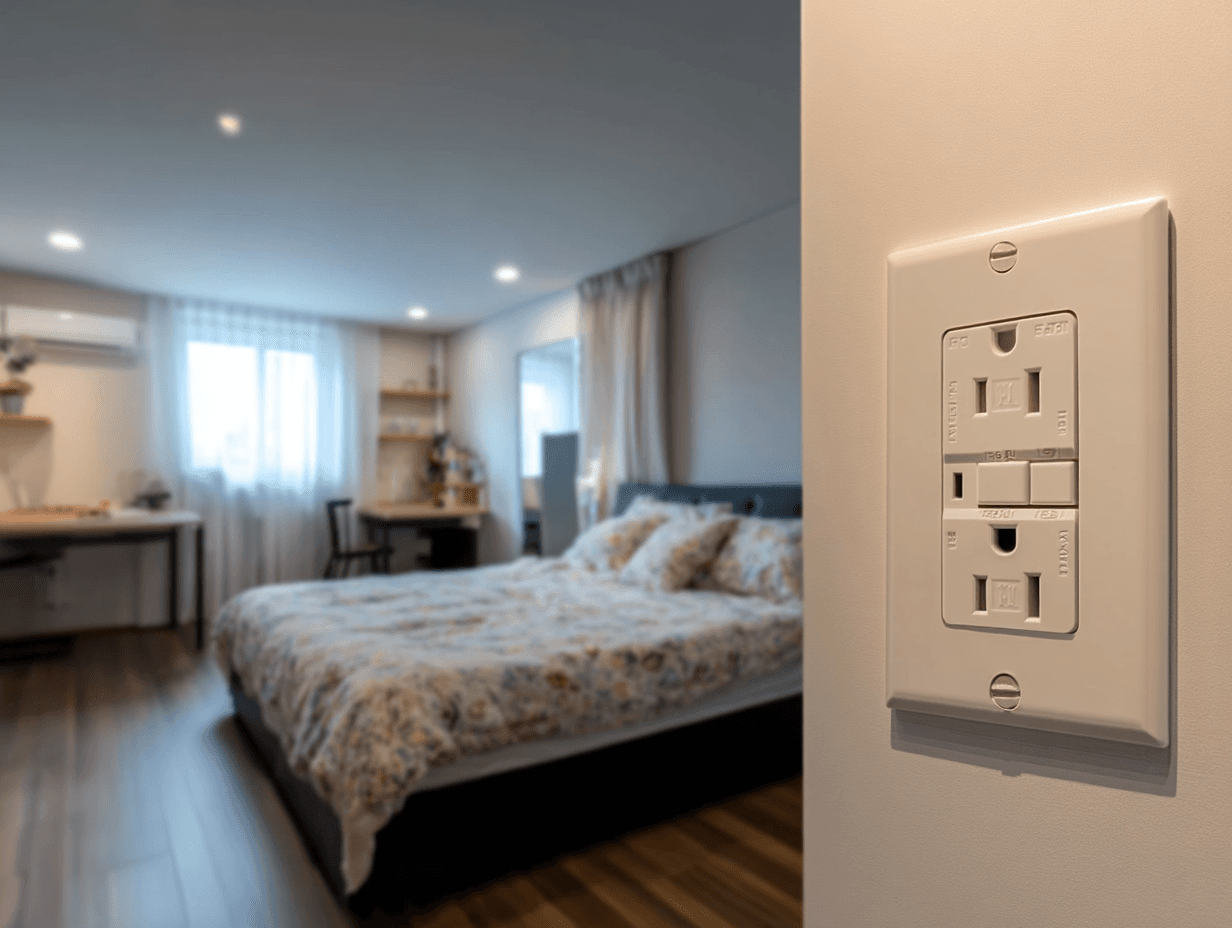
What’s More Important Than Feeling Safe at Home?
With construction standards becoming increasingly strict—especially regarding electrical installations—the frequency of safety incidents has been decreasing. That’s something to celebrate! This progress is due in part to the requirement for arc-fault circuit interrupters (AFCIs) to protect most residential electrical outlets, including those in bedrooms.
Here are some questions we’ll answer in this article:
What role does an AFCI play in an electrical system?
Does an AFCI protect against overcurrents?
What are the requirements for installing an AFCI?
Quebec Electrical Code: AFCIs
Quebec’s Electrical Code: Arc-Fault Circuit Interrupters (AFCIs)

Source : RenoQuotes
In 2004, Quebec’s Building Code was updated to require AFCI installation on bedroom outlet circuits. Starting in 2019, this regulation expanded to cover most 120V (15 or 20 A) outlets in residential buildings.
Across Canada, AFCI requirements for electrical installations and wiring methods vary by province. If you live outside Quebec, be sure to check your province’s current codes and standards.
What Does an AFCI Do?
An arc-fault circuit interrupter (AFCI) detects wiring arcs and shuts off power quickly to prevent overheating and potential fires. It’s a highly effective tool for overcurrent protection.
AFCIs are used where GFCI (ground fault circuit interrupter) outlets are not required. GFCIs are typically found in bathrooms and kitchens. When combined with a standard breaker, GFCIs provide similar protection to AFCIs.
However, GFCI outlets aren’t ideal for major appliances like ovens or refrigerators, as they must be manually reset at the outlet. A GFCI breaker can be reset at the panel instead.
AFCIs are also beneficial for lighting circuits in most rooms of a house, including common areas in multi-unit buildings.
How Does an AFCI Work?
An AFCI detects arc faults using a sensor and shuts off the electrical flow to the affected circuit, isolating it from the rest of the system.
This protects that portion of the installation from overcurrents. The AFCI is installed in the electrical panel to safeguard the entire circuit.
What Is an Arc Fault?
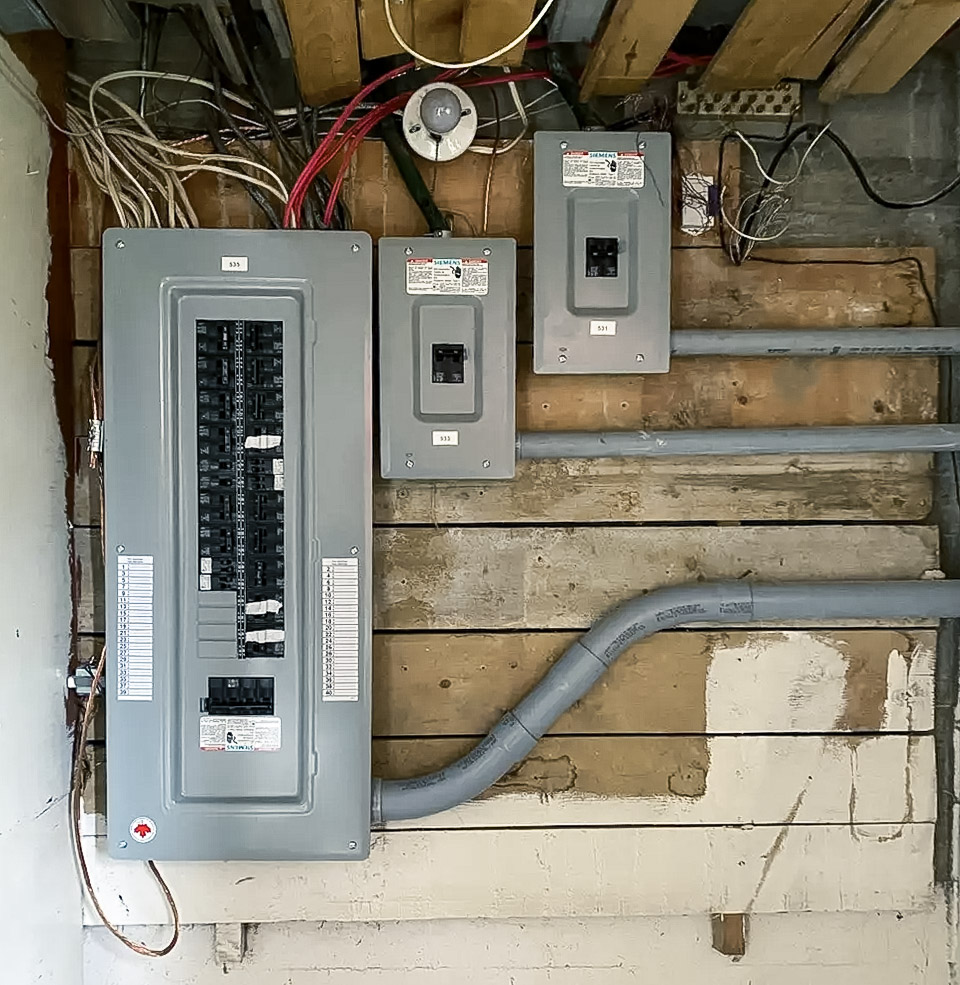
Source : Deschênes Électrique Inc.
An arc fault occurs when electrical current follows an unintended path. For example, if a nail pierces a wire, current may escape and cause excessive heat—potentially leading to fire.
Possible arc fault causes include:
Rodents or insects damaging wiring
Improper wiring methods
Excess heat or humidity inside walls
Damaged or improperly installed outlets
Faulty electrical appliances
How to Install an AFCI
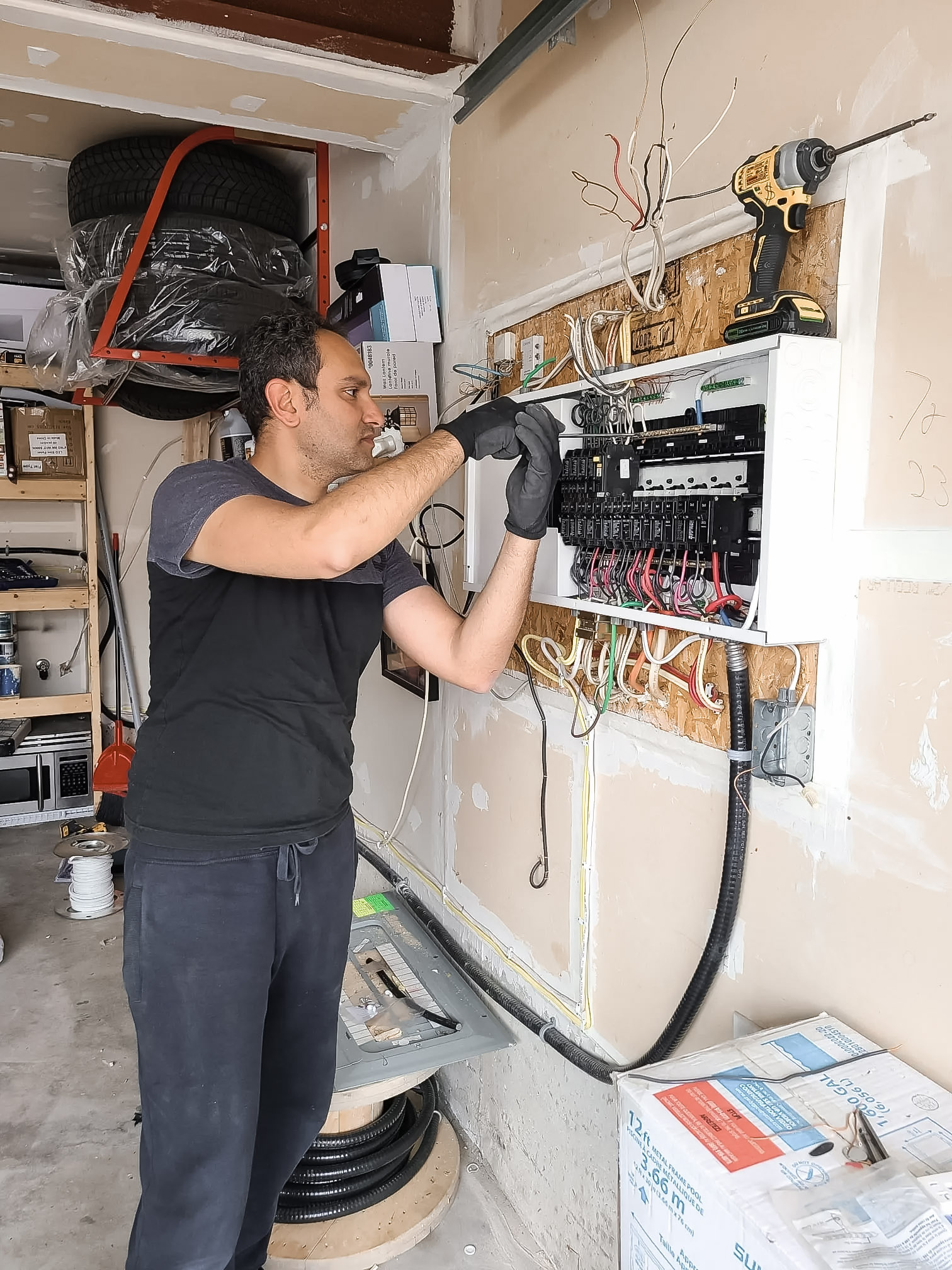
Source : ZAK Electric
Installing an AFCI is as simple as installing a standard breaker. Some models have a built-in adapter that connects directly to the neutral bar; others require manual attachment. Always follow the manufacturer’s instructions.
Important: In Quebec, only certified electricians are legally allowed to perform this kind of work. Electrical projects are regulated due to the risk they pose during and after installation.
In other provinces, requirements may vary, but electrical work remains one of the most dangerous DIY projects for homeowners.
Where Should You Install an AFCI?
AFCIs were first required in bedrooms but are now recommended (and often required) in many parts of the house. In Quebec, most circuits must be protected by AFCIs.
Exceptions where AFCIs are not mandatory:
Kitchens and bathrooms (especially outlets near sinks)
Sump pumps
Unfinished basements
Certain exterior outlets
In these areas, GFCI outlets are typically required to reduce the risk of electric shock.
Why Are AFCIs Required in Bedrooms?

Source : Espace Casa
Bedrooms were the initial focus because of their fire risk. Beds are often placed near outlets, and bedding or furniture can come into contact with them. The rule was introduced for safety reasons.
What Kind of Outlet Do You Need in Kitchens and Bathrooms?
In kitchens and bathrooms, most outlets must be GFCI-protected. These outlets prevent electrocution and reduce fire risk outside the circuit.
AFCI Problems: What to Do

Source : RenoQuotes
If your AFCI is malfunctioning, call a certified electrician right away. An expert is needed to diagnose the issue.
Common AFCI problems:
If your AFCI trips frequently and the cause isn’t obvious, it may be defective—or there may be a hidden arc fault.
AFCIs can also trip when connected to appliances with slight power fluctuations (e.g., power tools, microwaves, heaters, air conditioners). These aren’t dangerous, but the AFCI may interpret them as unsafe. You might need to use an outlet on a non-AFCI circuit for such devices.
Other causes of AFCI malfunctions:
Overloaded circuit
Faulty wiring methods
Damaged electrical panel
Exposure to moisture or mold
Worn-out cables
Repeated overloads that damaged the AFCI
Want to Learn More About Electrical Issues?
Read our article:
The 9 Most Common Electrical Problems
Who Can Repair a Faulty AFCI?
Always call a certified electrician to repair or replace an AFCI.
To simplify your search, use our contractor referral platform. We’ll connect you with certified electricians who can handle the job safely and professionally.
AFCI and Electrical Wiring – FAQ
Who Can Install an Outlet in Quebec?
What Are the Requirements for Electrical Panels in Quebec?
Accessible height (0.9–1.8 m from the floor)
Includes: GFCIs, breakers, surge protection, main grounding terminal
All components must comply (wiring, cables, breakers, box, etc.)
Must be installed by a certified expert
Residential panels must support at least 40 circuits (200 A)
Fuse boxes must be replaced with breaker panels
Wht are the Kitchen Outlet Standards in Quebec?
Looking for something else?
Related articles
The latest industry news, interviews, technologies, and resources.
Léa Plourde-Archer
•08 Nov 2023
Chandeliers, ceiling lamps, recessed or semi-recessed luminaires, hanging or rail lamps, etc. There is no shortage of options to illuminate the different rooms of a house! In addition to being fun decorative objects to choose from, the selected type of brightness will bring comfort and the desired atmosphere to your home.

Cynthia Pigeon
•01 Aug 2026
Modernizing a lighting system involves much more than replacing a burnt-out bulb during a weekend renovation project. In Canadian homes, smart home technology has become an increasingly popular way to improve comfort, security, and energy efficiency. Centralized or automated lighting controls can turn off lights in unoccupied rooms, simulate occupancy while you are away, and create comfortable lighting scenes suited to different seasons and routines.

Christine Simard
•08 Nov 2023
When you think of rustic decor, you often imagine a log cabin or your family chalet, but you rarely think of your living room! You can also often imagine that a decor like this might look dated and old-fashioned, but when well imagined and executed, it can instead bring a lot of charm and character to your home.
Editorial Team
•10 Sep 2024
Looking to upgrade your kitchen cabinets and revamp one of the most used areas of your home? All you need to do is head to your nearest hardware store to realize that options aren’t lacking!
Cynthia Pigeon
•03 Aug 2026
In high-end homes and condos across Canada, interior design often emphasizes clean lines, natural light, and premium materials. However, integrating entertainment equipment creates a recurring dilemma: how can you enjoy a large, state-of-the-art screen without permanently turning your living room into a home theatre? A large black rectangle mounted above a fireplace or placed in the middle of an architectural feature wall can disrupt the harmony of a carefully designed room.