Are You a Contractor in Toronto Specializing in Basement Apartments?
By Editorial Team
Updated on August 6, 2025

As housing demand continues to rise in Toronto, more homeowners are looking to transform their basements into legal, rentable living spaces. This has created a growing opportunity for basement apartment contractors across the city. Whether you're already offering these services or looking to expand your business, understanding what Toronto homeowners need—and how to deliver it legally and efficiently—is key.
In this guide, we’ll cover what today’s clients expect, how to navigate regulations, pricing considerations, and how you can stand out as a trusted basement apartment contractor in the Greater Toronto Area.
Why Homeowners in Toronto Are Converting Their Basements
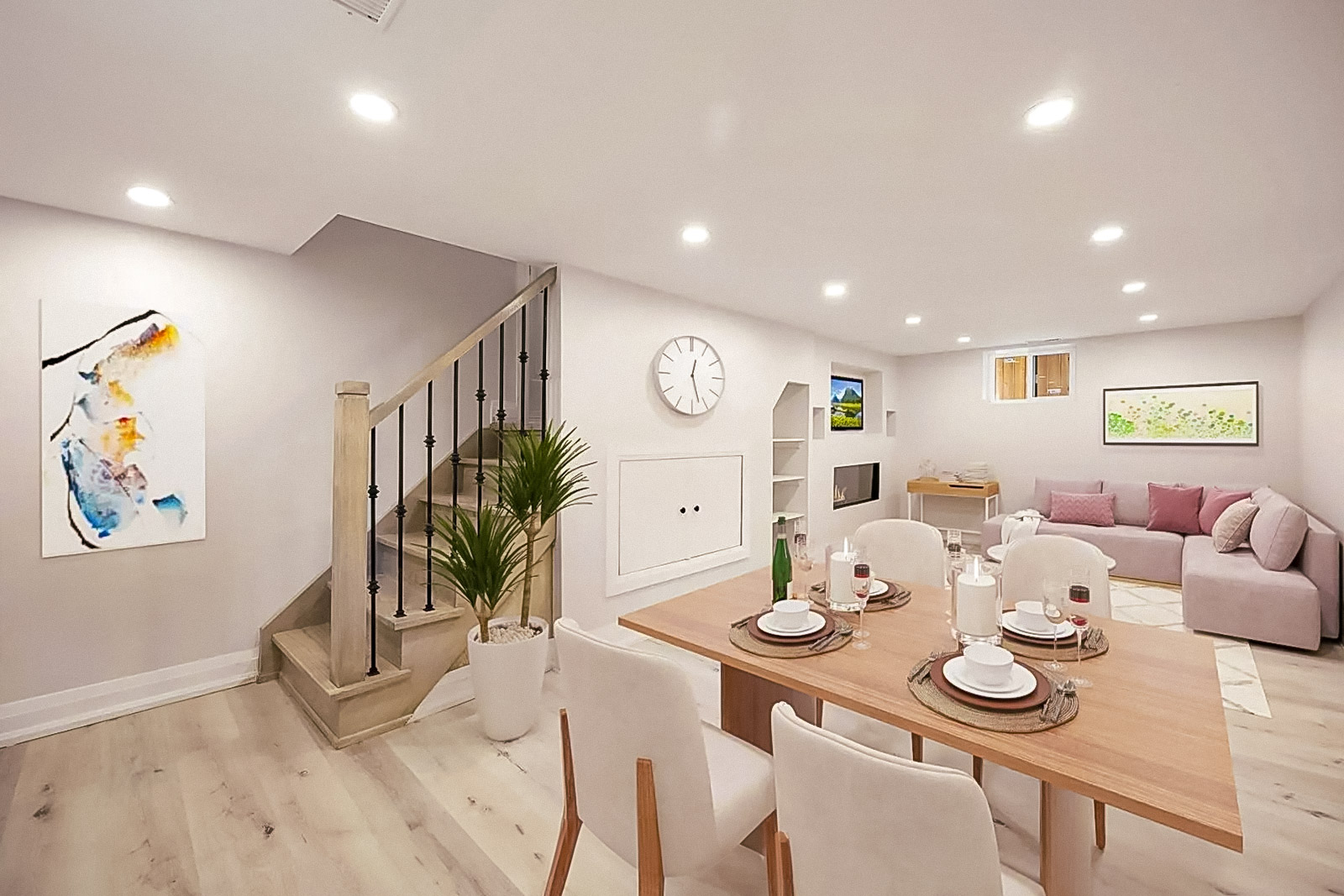
Source : LSB Renovations Inc.
High real estate prices and the need for extra income have pushed many Toronto homeowners to invest in basement renovations. A well-designed second unit can generate consistent rental income and significantly increase property value.
But beyond income, there’s growing demand for multi-generational living, private home office setups, or independent living spaces for adult children. For contractors, this means projects can vary widely in scope—from a compact rental suite to a dream basement complete with a full kitchen and laundry.
Easily find clients starting today
Get started today and connect with the projects that suit you best!
A Growing Trend in the Greater Toronto Area
Cities like Mississauga, Brampton, Markham, and Scarborough are also seeing increased demand for suite renovations and apartment construction in basements. While each municipality has slightly different rules, most align with Ontario’s Building Code.
This creates an opportunity for contractors to expand beyond Toronto, offering specialized services across the Greater Toronto Area. Staying current on local requirements is key to success.
Understanding Legal Basement Apartment Requirements in Toronto
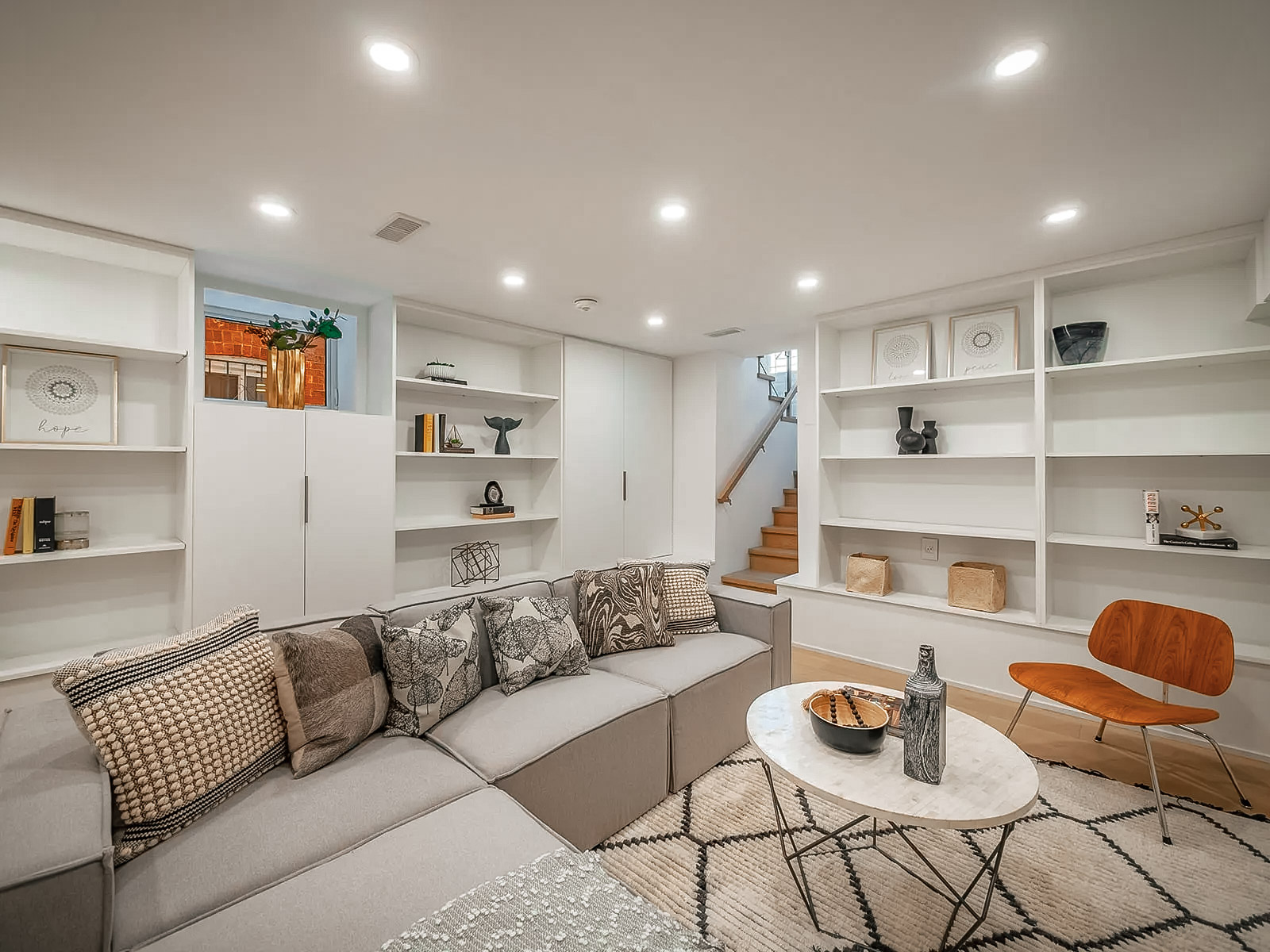
Source : Generational Homes Inc.
Before taking on a basement conversion, it’s critical to ensure the space can legally be used as an apartment. Toronto bylaws and Ontario’s Building Code have strict requirements for legal basement apartments. These include:
Minimum ceiling height (usually 1.95m)
Separate entrance for the basement unit
Fire separation and smoke alarms
Adequate natural light and ventilation
Egress windows for emergency exits
Compliance with zoning bylaws in respective municipalities
As a basement apartment contractor, you’ll need to work closely with local building departments to secure permits and inspections. This ensures your work is not only safe but also fully legal, protecting both your clients and your reputation.
💡 Tip: Many contractors partner with permit services or designers familiar with local codes to streamline the process.
Navigating the Legal Basement Renovation Process
To avoid costly delays, ensure you’re familiar with:
Ontario Building Code requirements
City of Toronto zoning bylaws
Registration process for second units
Coordination with inspectors for framing, plumbing, and electrical
Being proactive about paperwork can distinguish you as an expert and reputable company in this niche. Educate your clients on the timeline from design to final inspection, which usually takes 8–16 weeks, depending on the municipality.
Planning the Project: Scope, Design, and Expectations

Source : Ontario Inc.
Once the legal groundwork is confirmed, contractors should help clients define the project scope. This includes:
Layout and room division
Kitchen and bathroom installation
Electrical, plumbing, and HVAC upgrades
Soundproofing and insulation
Flooring and lighting
Storage and accessibility features
Some homeowners may want a minimalist design to lower costs, while others will invest in finishes that compete with upper-floor apartments. Either way, the goal is to deliver a final product that’s functional, attractive, and rental-ready.
Clear communication about timelines, budgets, and design choices is essential for customer satisfaction.
How Much Do Contractors Charge to Finish a Basement?
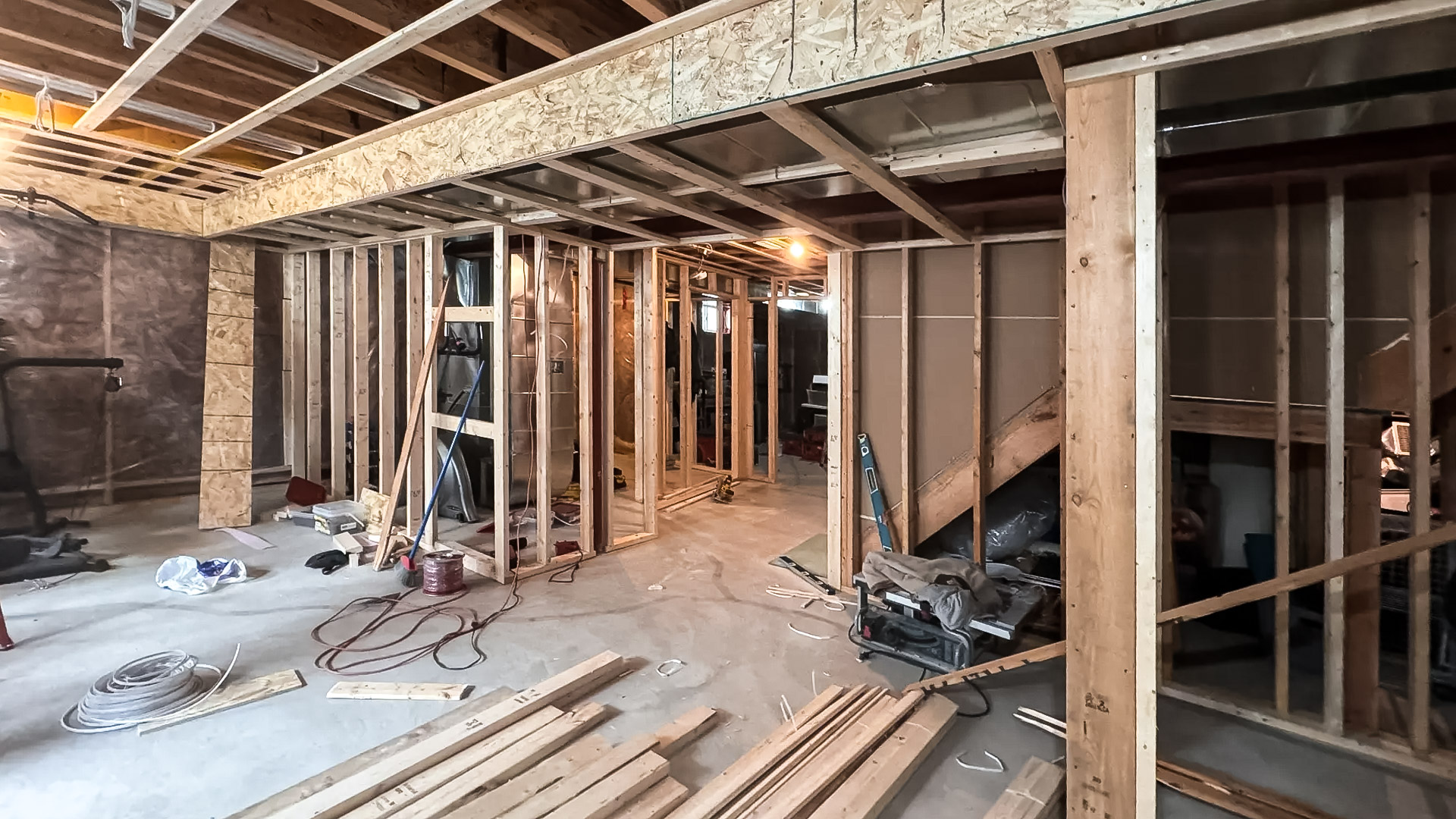
Source : Art-coa construction
Pricing varies based on size, finishes, and whether the space requires structural work. As of 2025, basement finishing in Toronto typically ranges from $65 to $120 per square foot, depending on complexity.
For a legal basement apartment, expect to quote between $60,000 and $120,000, depending on the renovation scope and existing conditions. Here’s a breakdown of where the money often goes:
Permits and design plans: $3,000–$8,000
Framing and insulation: $8,000–$15,000
Electrical and plumbing upgrades: approx. $10,000–$20,000
Bathroom and kitchen installation: approx. $15,000–$30,000
Finishes (flooring, paint, lighting): $10,000+
Always provide a free estimate and tailor your proposal to the homeowner’s goals and budget.
How to Stand Out as a Basement Apartment Contractor in Toronto
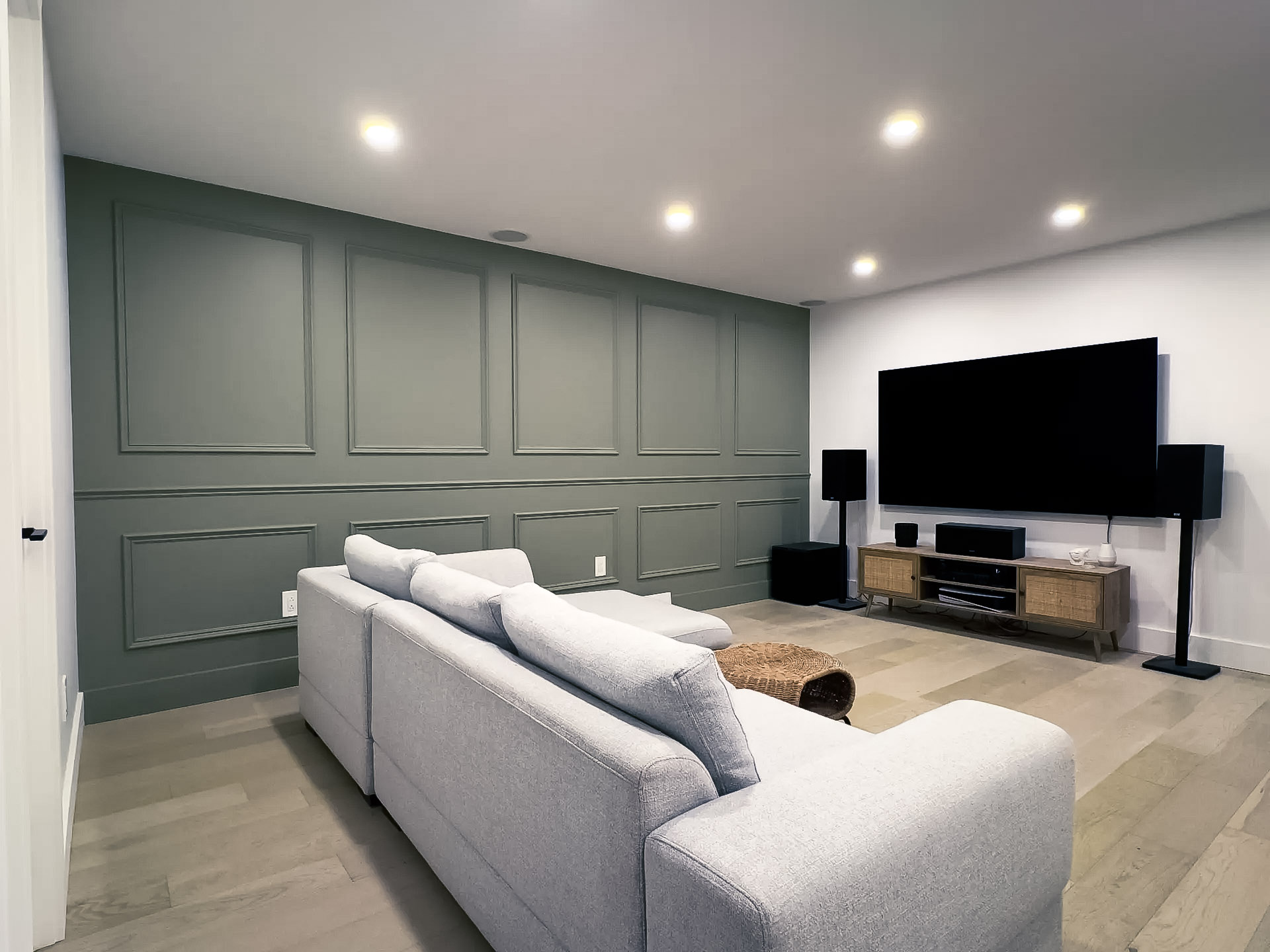
Source : Les constructions W.A.V.E inc.
Toronto is full of general contractors—but few specialize in legal apartment conversions. To set yourself apart:
Highlight experience with legal basement renovations
Showcase projects with before-and-after photos
Share client testimonials and builders reviews
Offer flexible payment plans and a lifetime warranty
Build relationships with designers and engineers
Be responsive and transparent throughout the project
Many contractors are now branding themselves specifically as basement apartment specialists to attract this growing market.
Preparing Your Clients for New Tenants
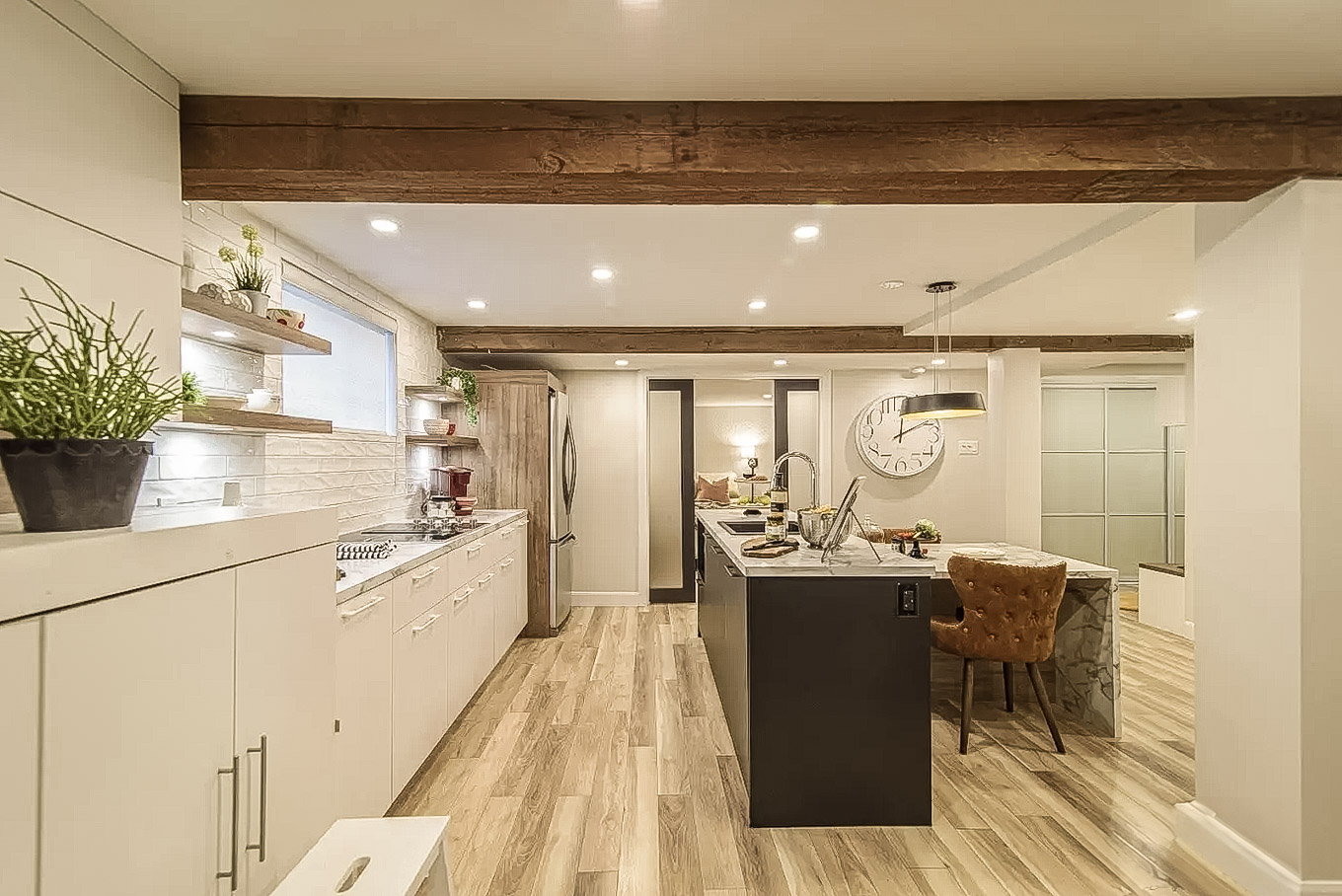
Source : Espace casa
Once the project is complete, homeowners may need support with:
Registering the unit with the city
Understanding landlord responsibilities under Ontario law
Prepping the space with appliances and smoke detectors
Choosing tenant-friendly, durable finishes
Some contractors partner with property managers to help clients onboard new tenants with peace of mind.
Does a Basement Apartment Add Value for Homeowners?
Yes—when done legally and professionally, a basement apartment can boost a home’s value by 15–30%. It also increases the property’s attractiveness to buyers looking for extra income or multigenerational flexibility.
Final Thoughts: Serving Toronto Homeowners with Confidence
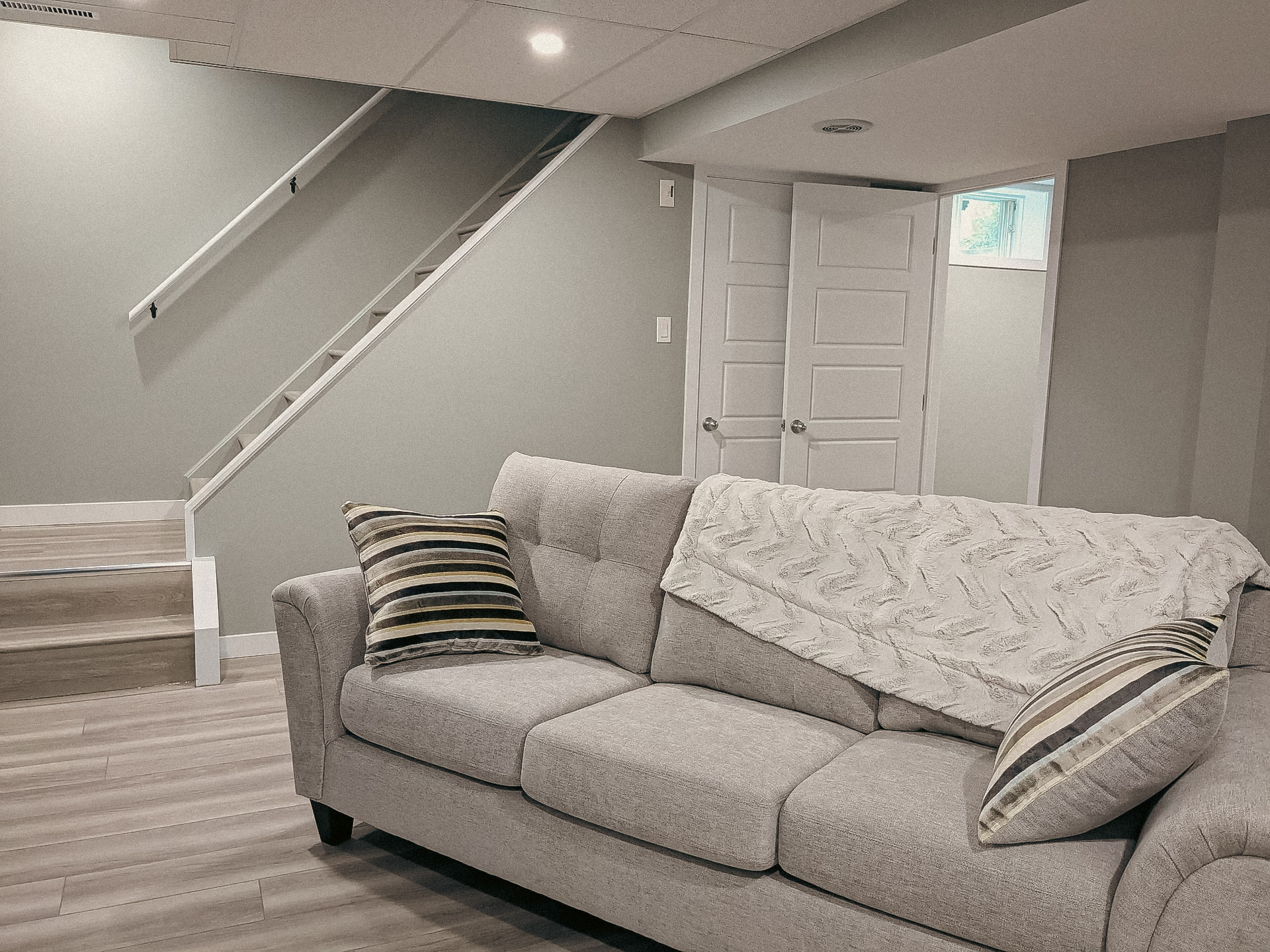
Source : Top Construction
If you’re a basement apartment contractor in Toronto, now is the time to position yourself as a trusted, knowledgeable expert. Focus on legality, quality, and transparency—and you’ll stand out in a competitive market.
With the right approach, converting basements into livable, rentable units isn’t just a service—it’s a smart business model that benefits both you and your clients.
FAQ
Is a basement apartment a good investment?
For homeowners, yes—especially in a high-rent city like Toronto. For contractors, offering basement apartment conversion services can be a profitable niche. Clients are increasingly aware of the value these units bring, and they’re willing to invest when they know they’re working with qualified professionals.
What is a house with a basement apartment called?
It’s often called a duplex, second unit, or legal basement apartment, depending on the setup and municipal classification.
Looking for something else?
Related articles
The latest industry news, interviews, technologies, and resources.

Editorial Team
•09 Jun 2026
In the demanding world of construction, organizational planning is one of the clearest ways to improve profitability, reduce confusion, and build a more resilient business. It is especially useful when summer slows down decision-making, teams take vacation, and competitors lose momentum. By planning ahead, contractors can secure fall projects before the summer break and maintain a steadier flow of qualified leads.
Editorial Team
•07 Aug 2025
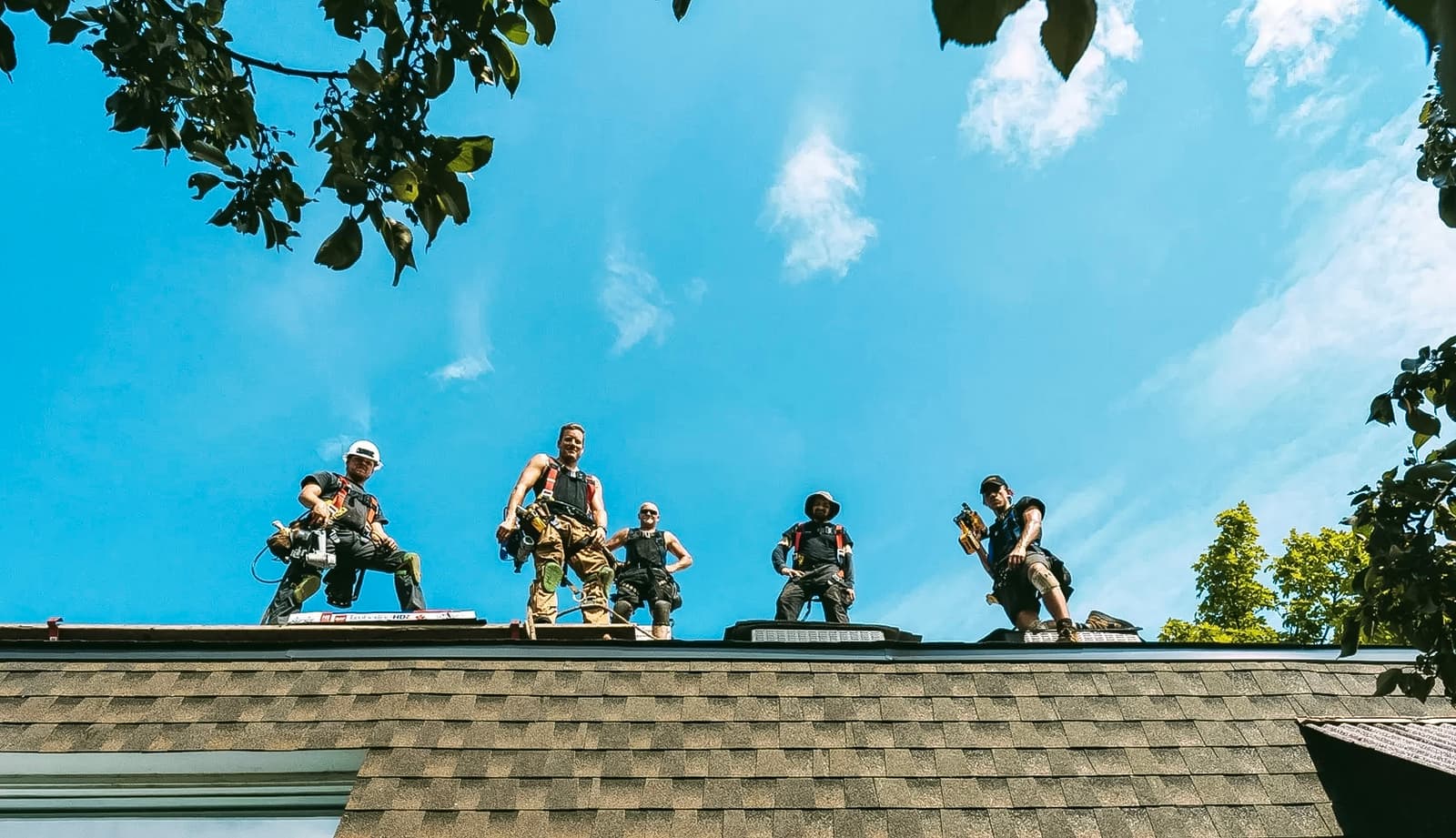
The demand for reliable and skilled roofers in Quebec City remains strong heading into 2025. With aging residential infrastructure, seasonal extremes, and increasing awareness of energy efficiency, property owners continue to seek expert roofing services. Whether you’re a self-employed roofer in Quebec or run a growing team, now is the time to position your business for expansion. Here’s how to find new contracts, attract clients, and build a sustainable roofing business in Quebec City.

Editorial Team
•27 Sep 2024
If you own a cottage and go there several times per year or per season, you may be considering taking on some renovations. Even if it was recently built, it’s never unnecessary or too late to add value to your property.
Editorial Team
•08 Nov 2023
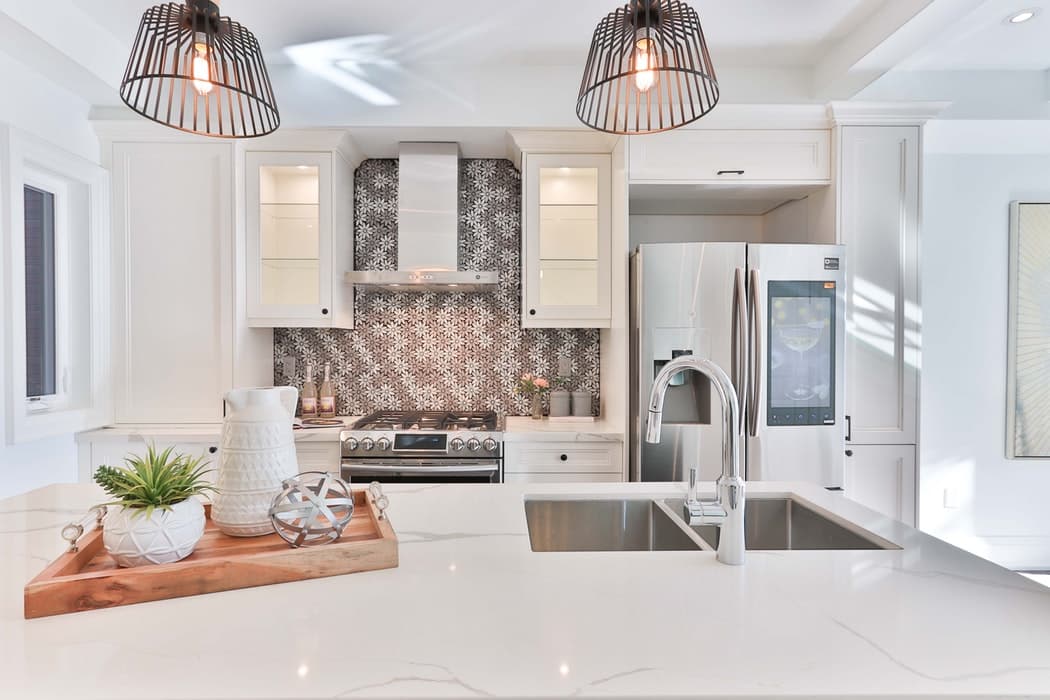
Your kitchen is one of the most important rooms in the home, not to mention one of the biggest investments. Between appliances, decor, and accessories, it’s crucial that you focus on functionality while keeping things clean and stylish.

Équipe éditoriale
•25 Jul 2025
New year, new you! As the old saying goes, at the start of the year many homeowners change various aspects of their life in favour of adopting new tastes and styles. This is often reflected in our home decor, as trends quickly evolve. When it comes to the colour of your walls, you may have wanted deep mahogany last year to create rustic decor.