Virtual or Augmented Reality - How to Use Tech in Construction
By Editorial Team
Updated on August 13, 2025
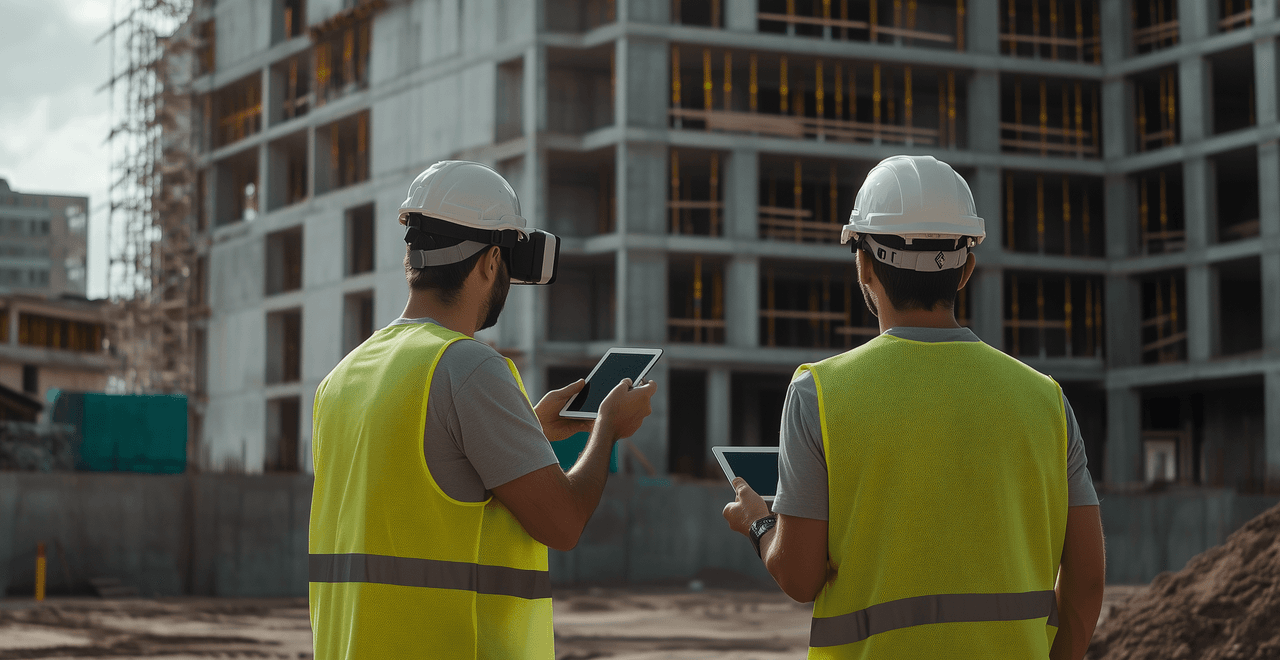
Virtual reality (VR) has been a familiar concept to most for years now, while augmented reality (AR) gained mainstream attention through Pokémon GO. These technologies continue to evolve rapidly, expanding far beyond their initial applications in gaming to revolutionize various industries.
But how can VR and AR reshape the construction industry? What are the measurable gains for contractors and customers alike? And should we expect to see a widespread use of such tools in the near future?
Discover the revolutionary uses of virtual reality and augmented reality in the construction industry, and how such technology allows for modernizing a field known for its conventional methods.
What Are the Advantages of Virtual and Augmented Reality in Construction?
Source : Soumission Rénovation
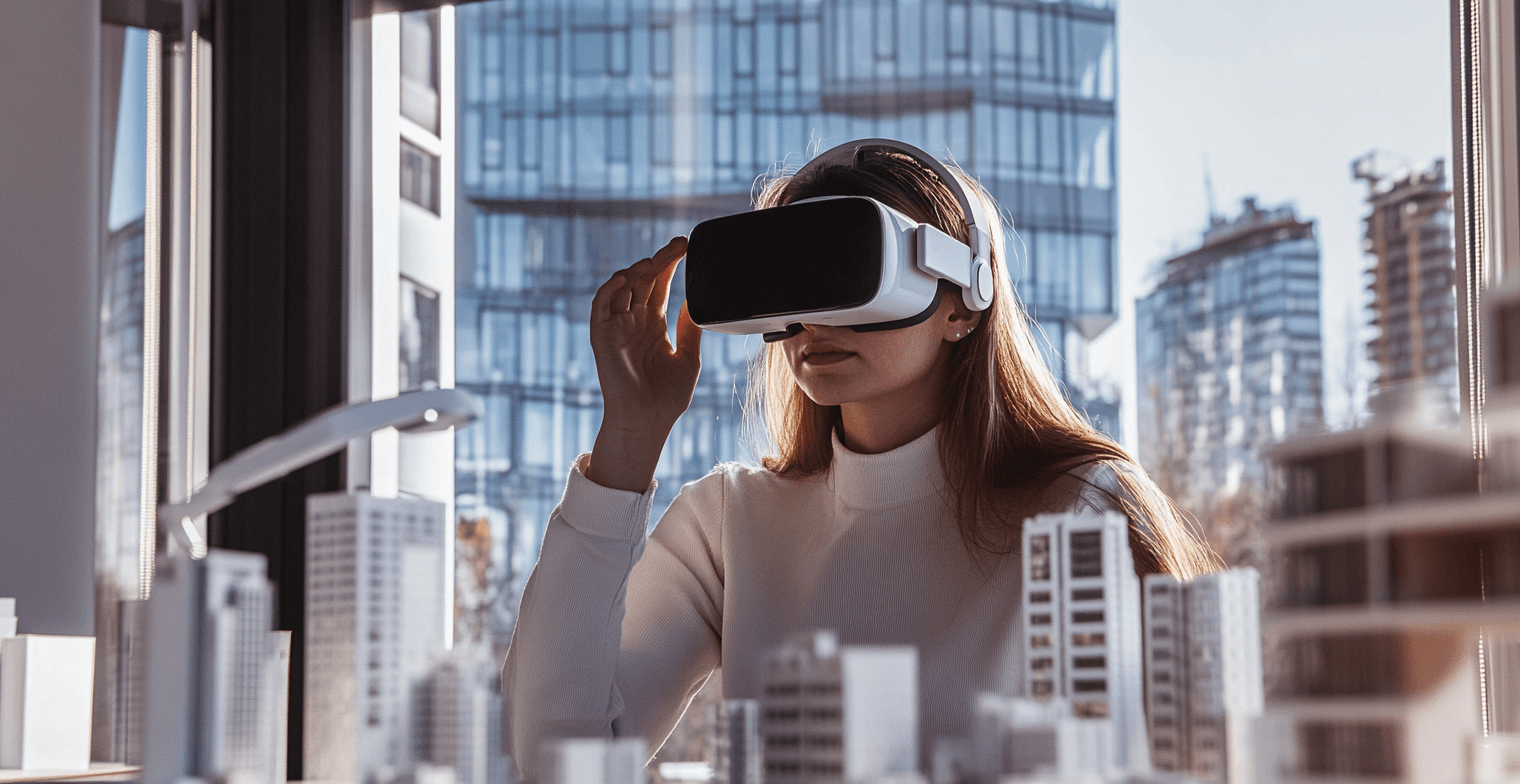
Eases learning and assessment.
Optimizes information retention through hands-on practice, while using less equipment.
Enables blueprint management at will prior to approval, immersing users in a full-scale virtual environment.
Safely simulates real work situations and reduces workforce requirements.
Optimizes project costs with fewer wasted resources, reduced commutes, and increased productivity.
Anticipates problems and minimizes last-minute changes.
Promotes collaboration and information sharing through knowledge transfer.
Easily find clients starting today
Get started today and connect with the projects that suit you best!
What Is the Difference Between Augmented, Virtual, and Hybrid Reality?
Source : Soumission Rénovation
What Is Virtual Reality?
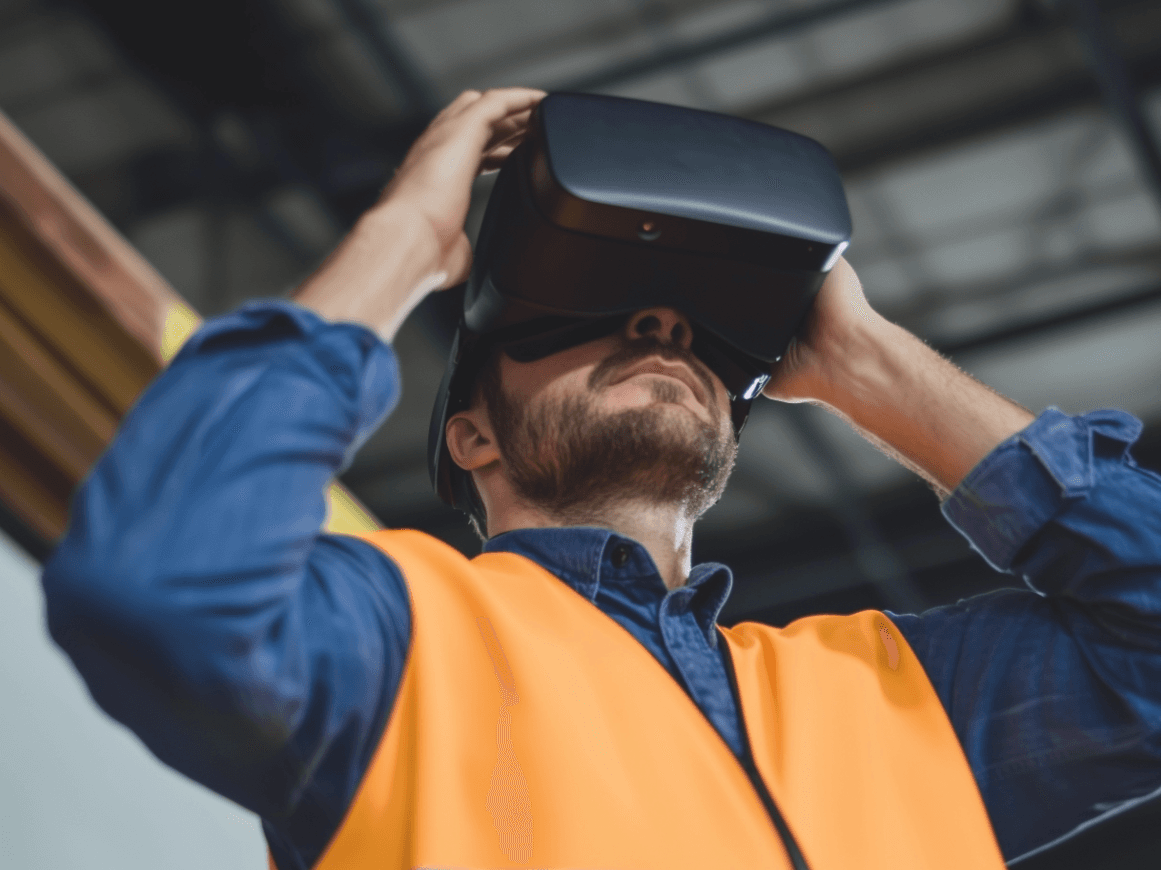
Virtual reality is probably the most well-known concept of the three, and it provides total immersion in a fictional 3D universe, often inspired by real-world reality. Simulations are a product of computer software, projected to a headset and allowing the user to immerse themselves in a virtual world and interact in real-time with the items and characters.
What Is Augmented Reality?
This concept consists of adding virtual elements on top of real-world concepts. The computer-generated content also allows users to interact with the environment in real time but doesn't necessarily require a headset. Instead, users can visualize information on a screen (phone, tablet, computer screen) or while wearing a specially designed headset. The goal is to enhance something already in place by deepening the user's understanding of its meaning. It would, for example, allow you to preview what an already-built house would look like with an additional storey.
What Is Hybrid Reality?
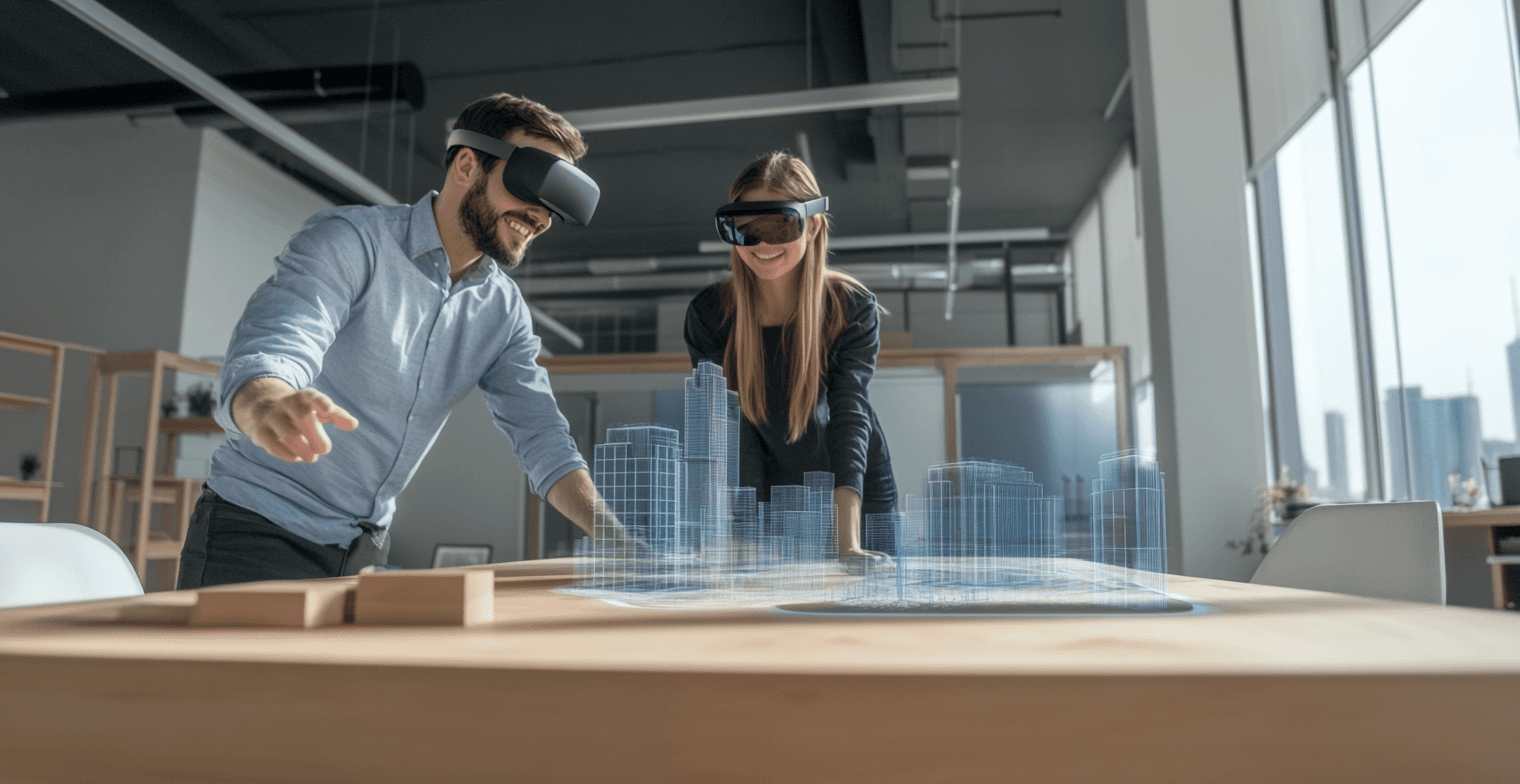
Hybrid reality is pretty self-explanatory; it’s a pairing of both virtual and real worlds. As such, real-world concepts can interact with virtual elements. Although it requires a headset, this type of reality is highly interactive and often manifests as holograms.
How Is AR Used in Construction?
Source : Soumission Rénovation
Learning
Let's start from the top: training. No matter the trade of your choosing, imagine being able to grasp exact procedures and concepts by practicing technical manoeuvres in a virtually or semi-virtually controlled setting, featuring various workplace situations. This allows you to explore your creativity without the risk of accidents, enabling you to repeat the process as often as needed to fully understand it, all while avoiding material waste.
Furthermore, if the instructor can access your assignments, review them later, or even jump in with you to fine-tune the work and provide hands-on examples, the potential for skill development and learning improvement is huge.
To some extent, workers can be trained in workplace-specific safety protocols and equipment operation by simulating potential jobsites using GPS data and specialized software.
Designing
Using Building Information Modelling (BIM), users can better understand just how relevant innovation is, including AR and VR apps. These digital tools propel ideas into the near-real world and determine their viability.
Imagine a 3D rendering of a building appearing on your tablet or the construction details of a structure unfolding before your eyes as you point your phone at an empty lot. You could add, virtually, load-bearing walls in specific locations, add wiring, reconsider the width of a storey, view the final result with finished landscaping, and so forth.
Contractors could use their tablets to show their teams the jobsite well ahead of time, sharing the probable risks and the security measures to take, based on the worksite specifications. Designers and ergonomists could spot potential interaction problems between objects, nature, and humans.
In a nutshell, the planning phase—along with measurements—could be done remotely, conceptualization errors could be identified in advance, the workforce could stay updated on relevant information, deadlines could be met, and an interface could offer workers real-time guidance.
Information Sharing
Working in the construction industry means partaking in countless conversations and meetings between various project stakeholders. The sharing of information typically has to be done as swiftly and accurately as possible, from design to delivery.
Since not all stakeholders are on-site or present at the same time, incorporating virtual realities at specific stages streamlines processes, allowing:
all parties to interact remotely, but in real time, during a building inspection or unexpected circumstances;
to gain a consensus among specialists, managers, and workers regarding the right procedure and the best decisions possible; and
to witness the same thing at once, providing feedback and technical guidelines accordingly.
Marketing
Imagine a sales pitch designed to reel in an investor, supported by a 3D model, featuring new concepts seamlessly added as they’re presented.
Also, consider how potential home buyers could tour a property before it's even built, or customers who are looking to actively participate in design on their landscaping, seeing their ideas manifest in real-time via a smartphone. From space, textures, colours, overall look, process, etc., it’s all there, and not just on paper. Seeing a project unfold in 3D helps enhance communication and avoid mid-project changes, which can significantly delay schedules. A satisfied customer is a loyal one who will seek you out again and refer you to others in between.
Blending digital technology and business allows companies to mitigate delays and build a solid reputation. First, customers receive quotes faster, accepting or altering proposals remotely. Then, manufacturers and contractors receive a list of materials needed, understanding the exact steps of a given project. Lastly, workers and technicians aren't needlessly travelling, as everything is compiled and adjusted in real-time.
What Sort of VR Tools Are Used in Construction?
The most commonly used tools are VR headsets, sensors, and touchscreens, such as tablets or smartphones. Heavy hitters include Oculus Rift, HTC VIVE, NEXT-BIM, Microsoft HoloLens, and StellarX.
One day, as technology develops, we're likely to see the symbolic yellow hard hat worn by construction workers equipped with cameras and sensors, transmitting information in real time to augmented reality tools.
Looking for something else?
Related articles
The latest industry news, interviews, technologies, and resources.

Cynthia Pigeon
•26 Aug 2024
The working world is undergoing radical shifts, and these changes have without a doubt impacted Quebec’s construction and renovation industry.
Editorial Team
•27 Aug 2025
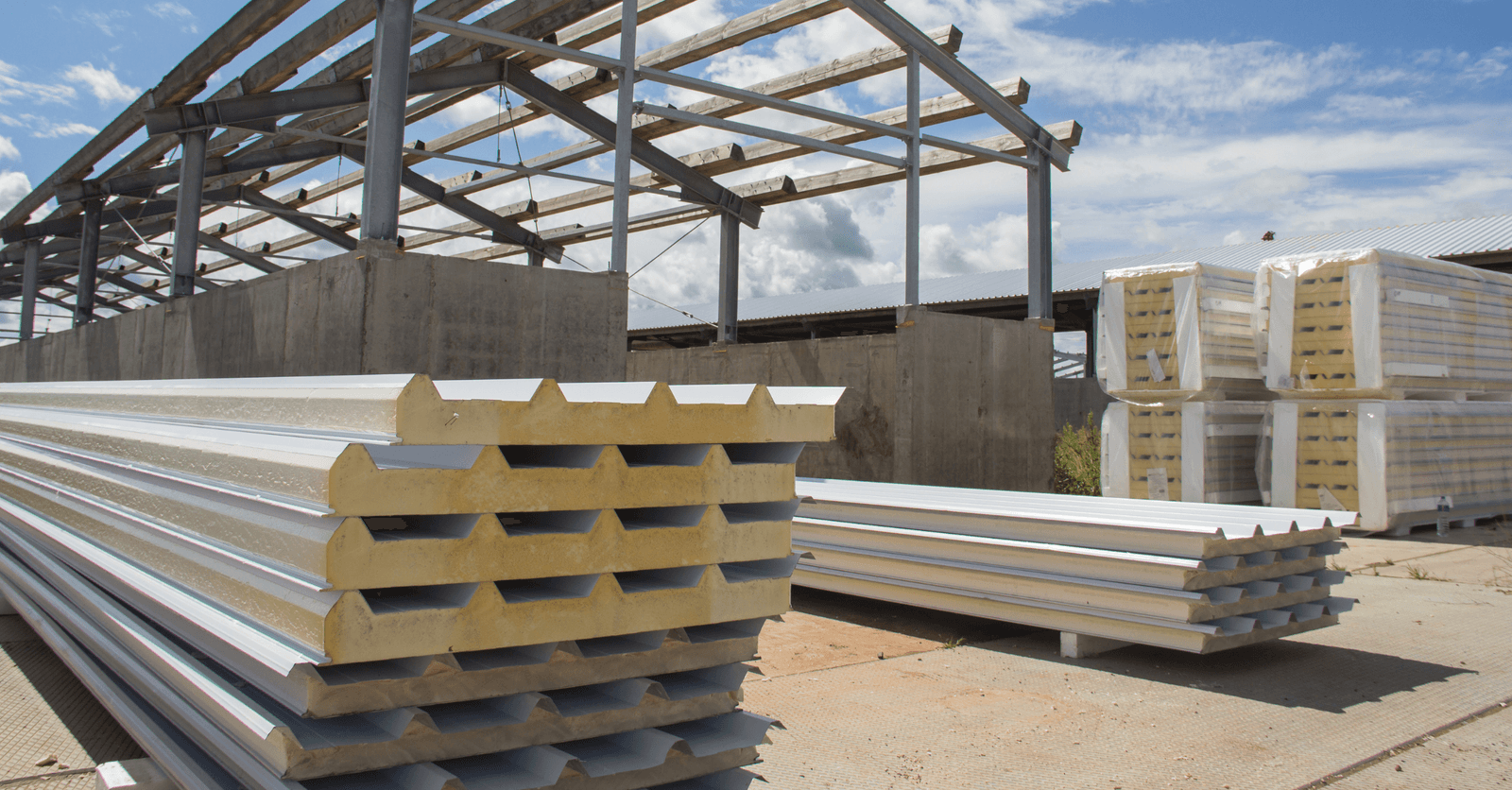
Concrete panels are durable, cost-effective, and viable options for both indoor and outdoor walls. Their list of attributes doesn’t end here: they're also easy to install, especially aesthetic-looking, thermal insulators, and soundproof. We’ll delve into why and how these panels should be installed.

Editorial Team
•25 Sep 2024
Ceramic tile flooring has a slew of advantages. Not only is it a resilient and long-lasting material, but it also requires minimal maintenance and is likely to increase the value of your home.
Editorial Team
•08 Nov 2023
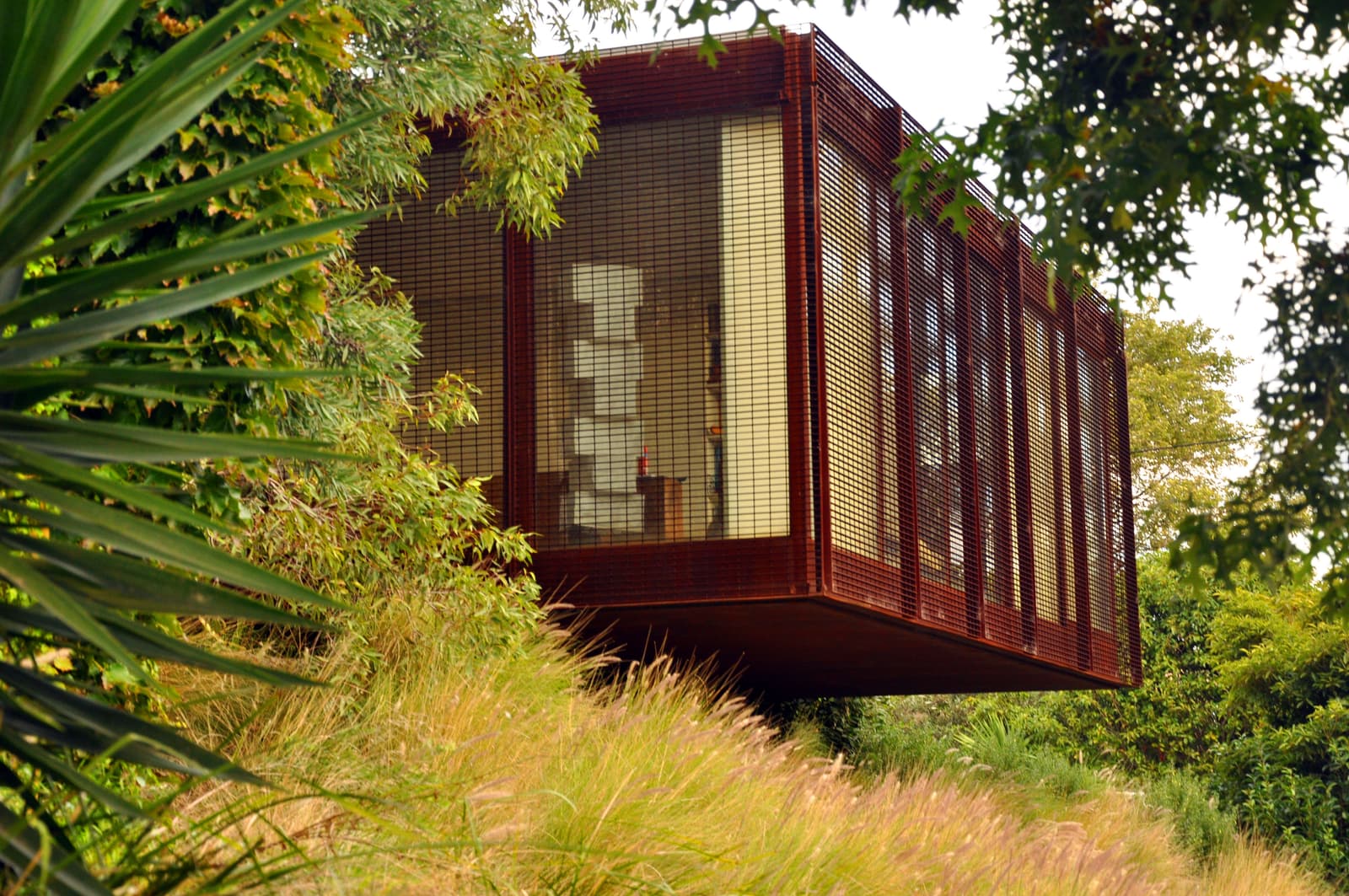
Have you heard of the cantilever extension? This term isn’t common for the average person, but if you work in the field of renovations, you’re likely familiar with it.

Editorial Team
•05 Dec 2025
If your bathroom's overall style is edging toward drab prematurely, then it is no wonder that the thought of renovating it has crossed your mind now and again.