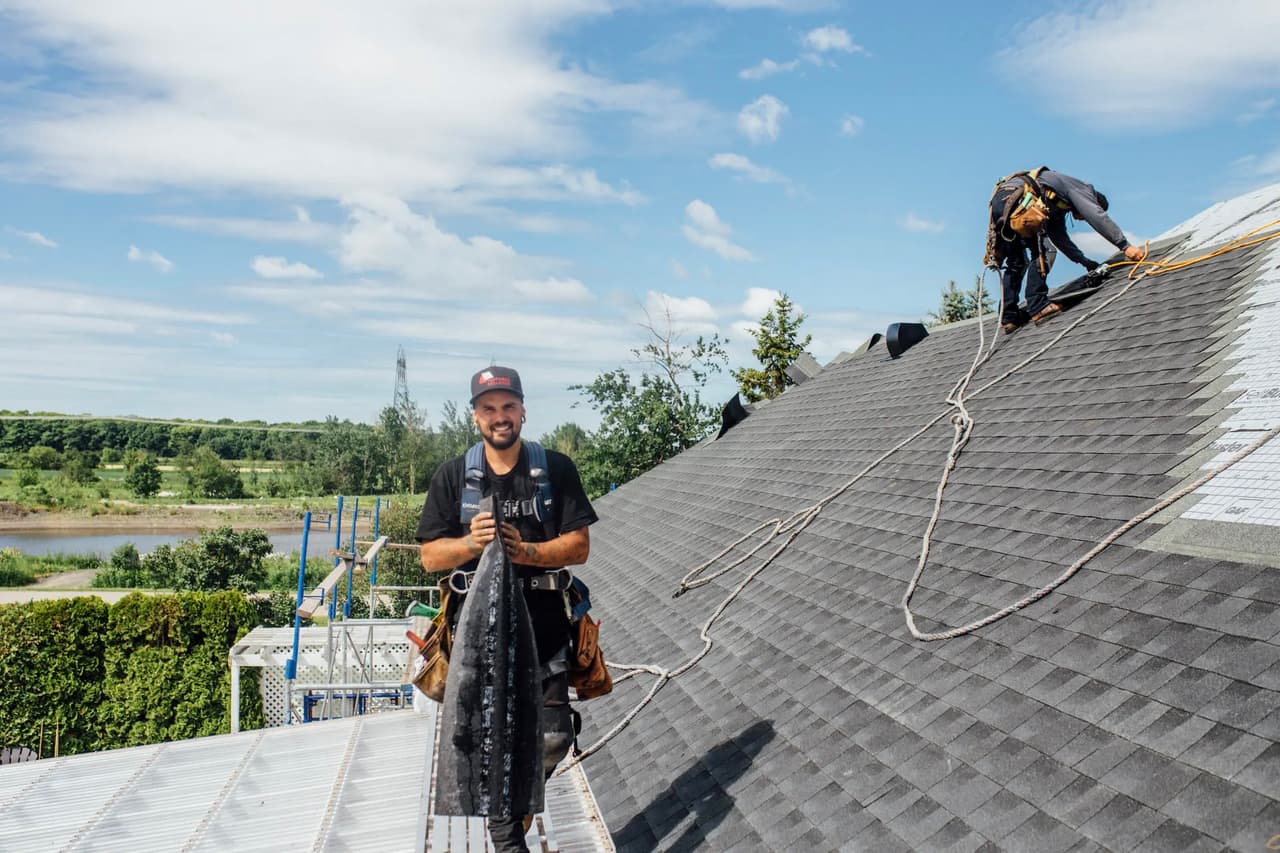
When it's time to choose a roofing material, it’s important to weigh the advantages and disadvantages of each option.
In North America, asphalt shingles have been widespread for decades. In Quebec, nearly 90% of sloped roofs are covered with this material. Asphalt shingles, as we know them today, were developed in the early 20th century and became extremely popular, especially in the 1950s. However, the material has faced challenges, particularly regarding longevity and resistance to extreme weather conditions.
So, are asphalt shingles still a relevant option? Are they reliable and durable—or outdated?
Roofing manufacturers are constantly improving asphalt shingles to make them more durable, eco-friendly, and easier to install. To help you, as a homeowner, decide if asphalt shingles are the best choice for your new roof, let’s review the pros and cons of this material in its current form.
Advantages of Asphalt Shingle Roofs
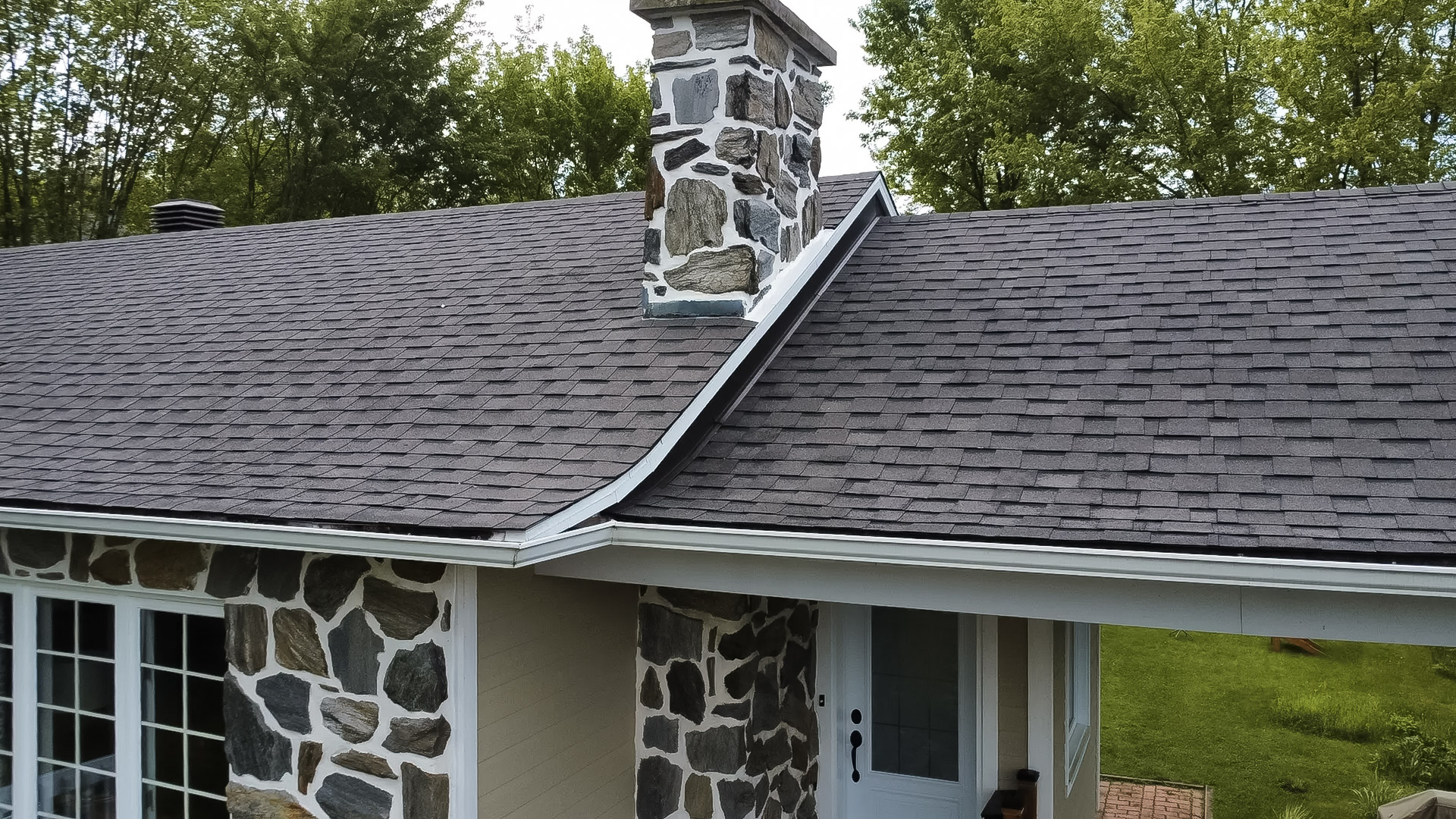
Source : Bâti-Toit Plus inc.
Let’s start with the positives:
An Affordable Roofing Material at the Right Price
The average cost ranges from $3 to $9 per square foot. Compared to other materials suitable for sloped roofs, here are some price comparisons:
Aluminum: $7 – $12/sq. ft.
Pre-painted galvanized steel: $10 – $25/sq. ft.
Wood shingles: $15 – $25/sq. ft. (cedar), $10 – $26/sq. ft. (larch)
Copper: $20 – $30/sq. ft.
For a 3,000 sq. ft. roof, expect to pay between $9,000 and $27,000 for asphalt shingles. The lower end reflects basic-grade materials, while the higher end represents premium options.
Easy Installation on Sloped Roofs
Asphalt shingles are designed for sloped roofs—they are never used on flat roofs. If your building has a flat roof, you’ll need to consider other flat-roof materials.
For sloped roofs, shingle installation is relatively simple and fast for professional roofers. The process includes five main steps:
Choose the roof style (e.g., hip or gable roof).
Select and cut shingles based on the installation method—either 3-tab or architectural shingles.
Install the underlayment, then apply shingles starting from the bottom edge of the roof using a nail gun (preferred over a hammer).
Install around roof elements (skylights, chimneys, vents), carefully cutting and sealing shingles to ensure waterproofing and visual harmony.
Join ridge shingles and other edge pieces to ensure a sealed, cohesive finish.
Detailed instructions can be found in the article: How to Install Asphalt Shingles in 5 Steps
Wide Range of Colours and Finishes
Asphalt shingles aren’t always gray. Manufacturers now offer a wide selection of colours to suit every taste.
You’ll commonly see neutral tones like grey, beige, brown, or black, but bolder options like blue, red, or green are available too. You can even mix shades or use multiple colours to create patterns.
Ask for samples to better visualize how the shingles will look on your home and how they’ll pair with siding, doors, windows, and trim.
Disadvantages of Asphalt Shingle Roofs
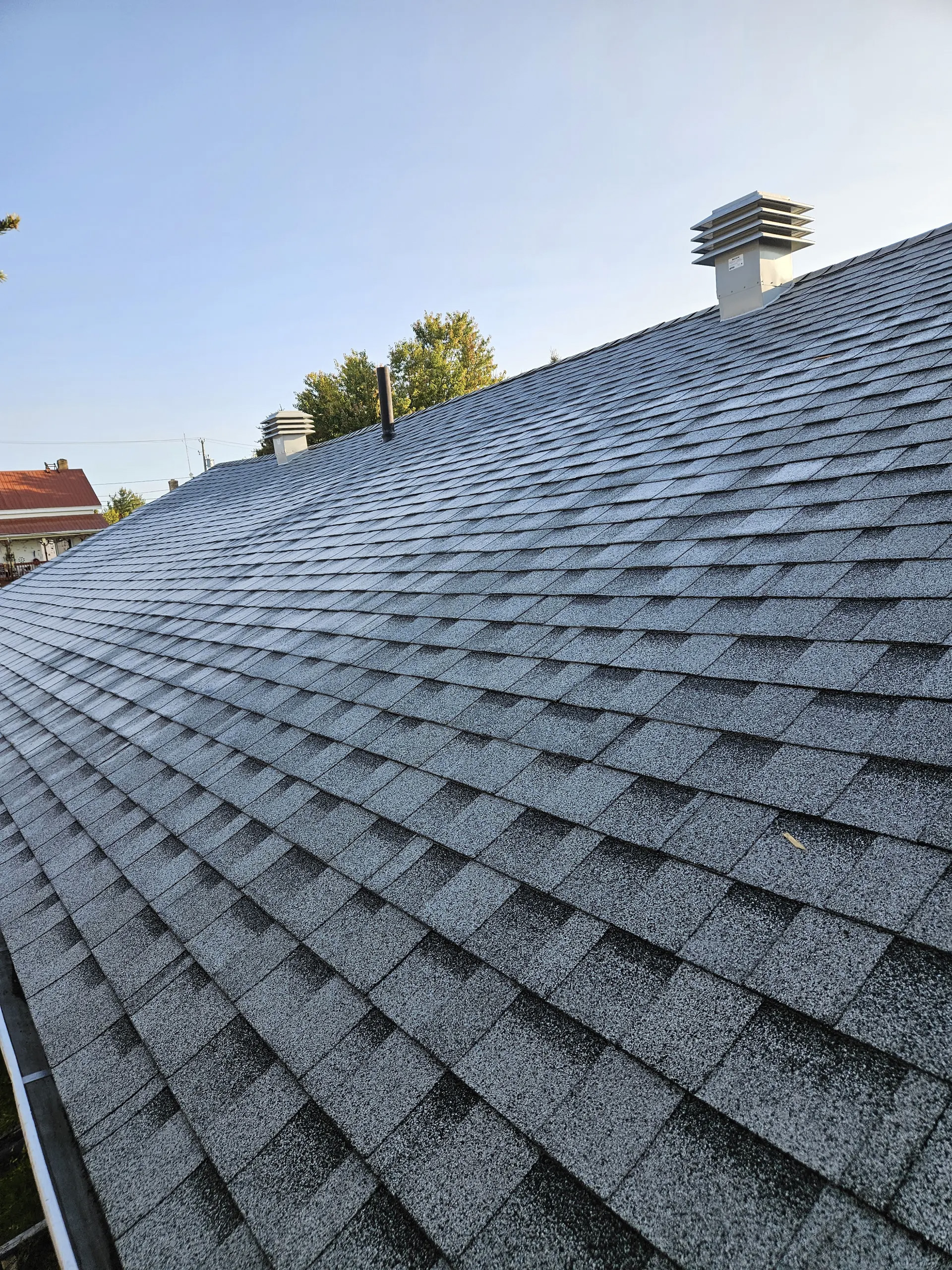
Source : Menuiserie Roy et Flis s.e.n.c
Now let’s look at the downsides:
Inconsistent Lifespan
Asphalt shingles aren’t necessarily short-lived, but they don’t last as long as some other materials like metal (copper, steel, aluminum), which offer longer durability before replacement is needed.
Asphalt shingles typically last 15 to 30 years if well-maintained.
Factors that impact lifespan include:
Regular maintenance (removing debris, replacing damaged shingles, clearing drainage)
Local environment (weather conditions, wind, dirt buildup, vegetation, intense sun)
Poor installation techniques (misaligned shingles, inadequate sealing, improper flashing, insufficient ventilation)
To get the most out of your roof, ensure regular maintenance and always hire certified professionals for installation and repairs.
Higher Maintenance Compared to Other Options
While asphalt shingles are often said to be easy to maintain, they require more upkeep than other roofing products to stay watertight and durable.
Roof cleaning is recommended twice a year. Key maintenance tasks include:
Removing leaves and branches from the roof and gutters
Trimming vegetation near the roof (hire an arborist if needed)
Cleaning the surface with an appropriate product (never use high-pressure washers)
Inspecting all components (ridge caps, flashing, valleys, soffits, fascias)
Repairing damaged parts (cracked shingles, worn joints)
More info: Maintaining an Asphalt Shingle Roof – Ensuring Longevity?
Less Eco-Friendly Than Other Materials
Asphalt shingles are petroleum-based, making them a less environmentally friendly choice. Some newer models contain less asphalt and use fibreglass bases instead.
If you choose dark-coloured shingles, your roof may contribute to the urban heat island effect—especially in neighbourhoods where most homes have similar roofing.
If budget constraints steer you toward asphalt shingles but you’re concerned about the environmental impact, try to maximize the roof’s lifespan. A long-lasting roof will reduce its overall ecological footprint.
Not Suitable for Flat Roofs
Asphalt shingles don’t work on flat roofs because they can’t provide adequate waterproofing on a flat surface. Materials better suited for flat roofs include:
Asphalt and gravel: multiple layers of felt and asphalt topped with white or gray gravel to protect against sun exposure
Elastomeric membrane: two layers, with a base membrane adhered to the roof surface and a top layer covered with gravel
TPO/EPDM membranes: single-ply membranes made of thermoplastics or rubber
Asphalt Shingle Roof FAQ
How much does an asphalt shingle roof cost?
Material costs range from $3 to $12 per square foot. Pricing depends on the shingle quality, roof complexity (slopes, gables, pitch), labour, total surface area, and underlayment.
What are the best asphalt roofing shingles made of?
Choose thicker shingles with a fibreglass core and a mineral-coated surface. Compare materials based on specs and brand reputation. Regardless of the brand, professional installation is essential.
How long does an asphalt shingle roof last?
Between 15 and 30 years. If poorly maintained or exposed to severe weather, the roof may need replacement in about 15 years. To extend its life, opt for quality shingles, proper installation, and consistent maintenance.
What is the minimum slope for an asphalt shingle roof?
It depends on the materials used. The minimum slope is 2:12 (2 inches of rise per 12 inches of horizontal run). A 4:12 slope is common and still considered low-pitch. Anything below 2:12 can lead to drainage problems.
How do you repair and maintain an asphalt shingle roof?
If only a few shingles are damaged, repairs are fairly easy—ideally using leftover shingles from the original installation. You can hire a roofer or attempt the repair yourself if you’re skilled (and take safety precautions). For more complex repairs, always contact a roofing specialist.
Looking for something else?
Related articles
The latest industry news, interviews, technologies, and resources.
Cynthia Pigeon
•08 Nov 2023
Identifying problems related to your roof is essential before carrying out any repairs. Water infiltration, heat loss, and shingle deterioration, each of these issues can have serious consequences if not addressed in time.
Cynthia Pigeon
•23 Jul 2025
Roofs are often overlooked when it comes to the overall architecture of a building, at least that is until they become a problem. If the foundation anchors a house to the ground, then the roof binds it shut, protecting its occupants from the elements, and giving them a sense of security and belonging.
Cynthia Pigeon
•08 Jul 2026
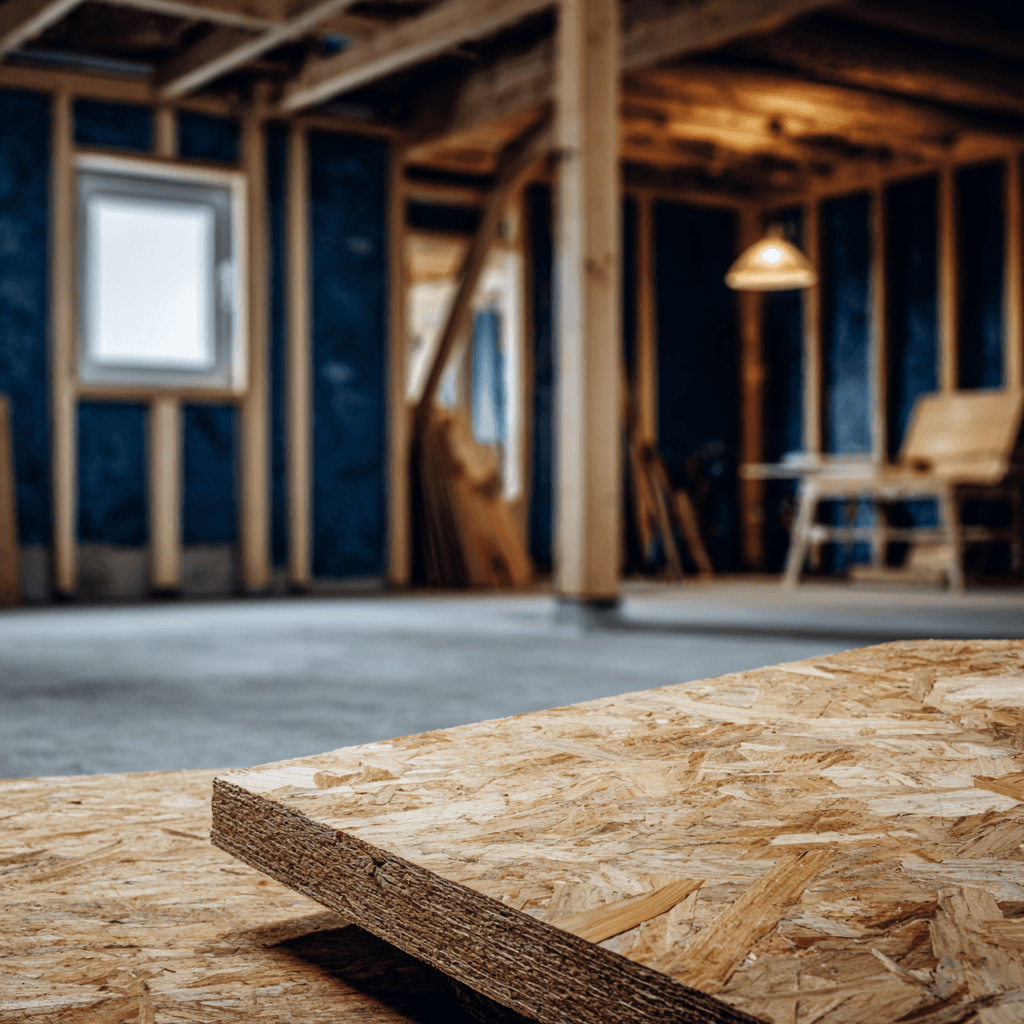
In 2026, replacing a concrete slab and pyrite-contaminated backfill can represent a significant budget. For a basement, some estimates range from around $15,000 to $40,000, while a garage can cost several thousand dollars, depending on the surface area, access and the extent of the removal required. This price includes the full excavation of the contaminated backfill, its replacement with tested non-expansive crushed stone and the pouring of new concrete. Before undertaking this major work, an official technical test following the CTQ-M200 protocol is often required by financial institutions or during a real estate transaction to assess the swelling index.
Cynthia Pigeon
•01 Jul 2026
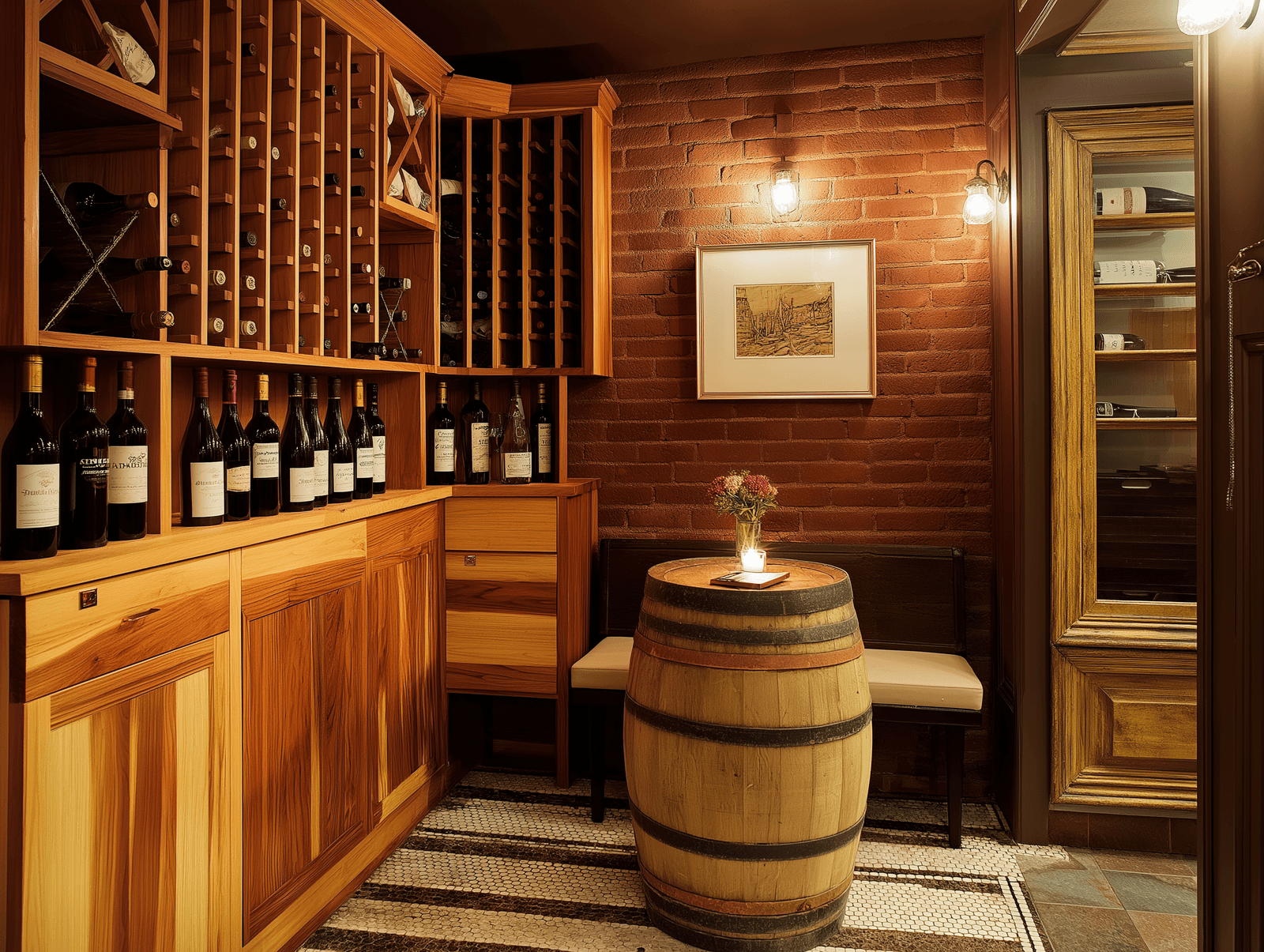
Owning a collection of fine wines in Montréal or the Laurentians goes beyond simple entertaining: it is a matter of passion, heritage and high-level expertise. For owners of luxury residences, interior designers and Quebec architects, designing a residential wine cellar presents a major technical challenge. How can the clean aesthetics of contemporary spaces be combined with the strict physical requirements of wine preservation?

Cynthia Pigeon
•19 Aug 2025
Whether you are a specialized or general contractor, the success of your business is something you hold on to dearly. As a matter of fact, the ability to swiftly and judiciously collaborate is essential to carrying out any project.