What Are the Most Efficient Autonomous Heating Solutions?
By Editorial Team
Updated on September 20, 2024
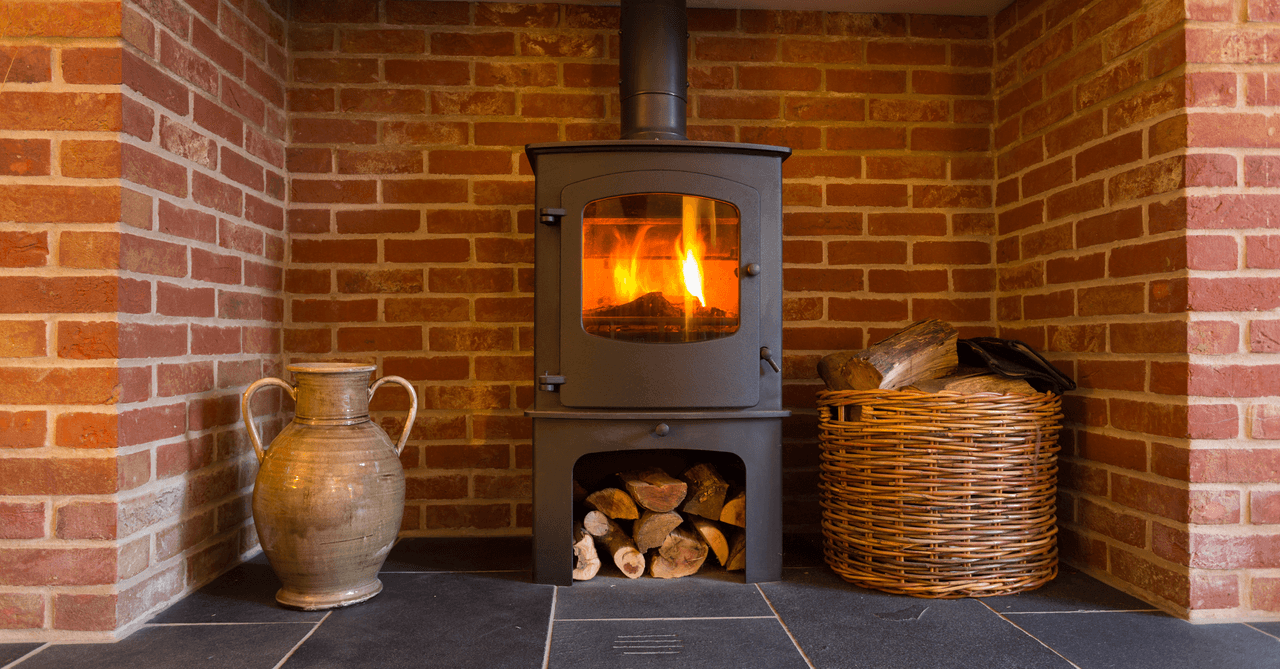
Autonomous heating is defined as a system that relies on available, renewable and locally-sourced energies. It also has the peculiarity of not being connected to electrical, gas, or water networks.
As such, autonomous heating solutions are completely self-sufficient, energy-wise. Simply said, you consume the energy that you generate.
The least that can be said is that there aren’t a lot of technologies that can actually generate such a result, but for you, we’ve found one.
Which Home Heating System to Choose for Self-Sufficiency?
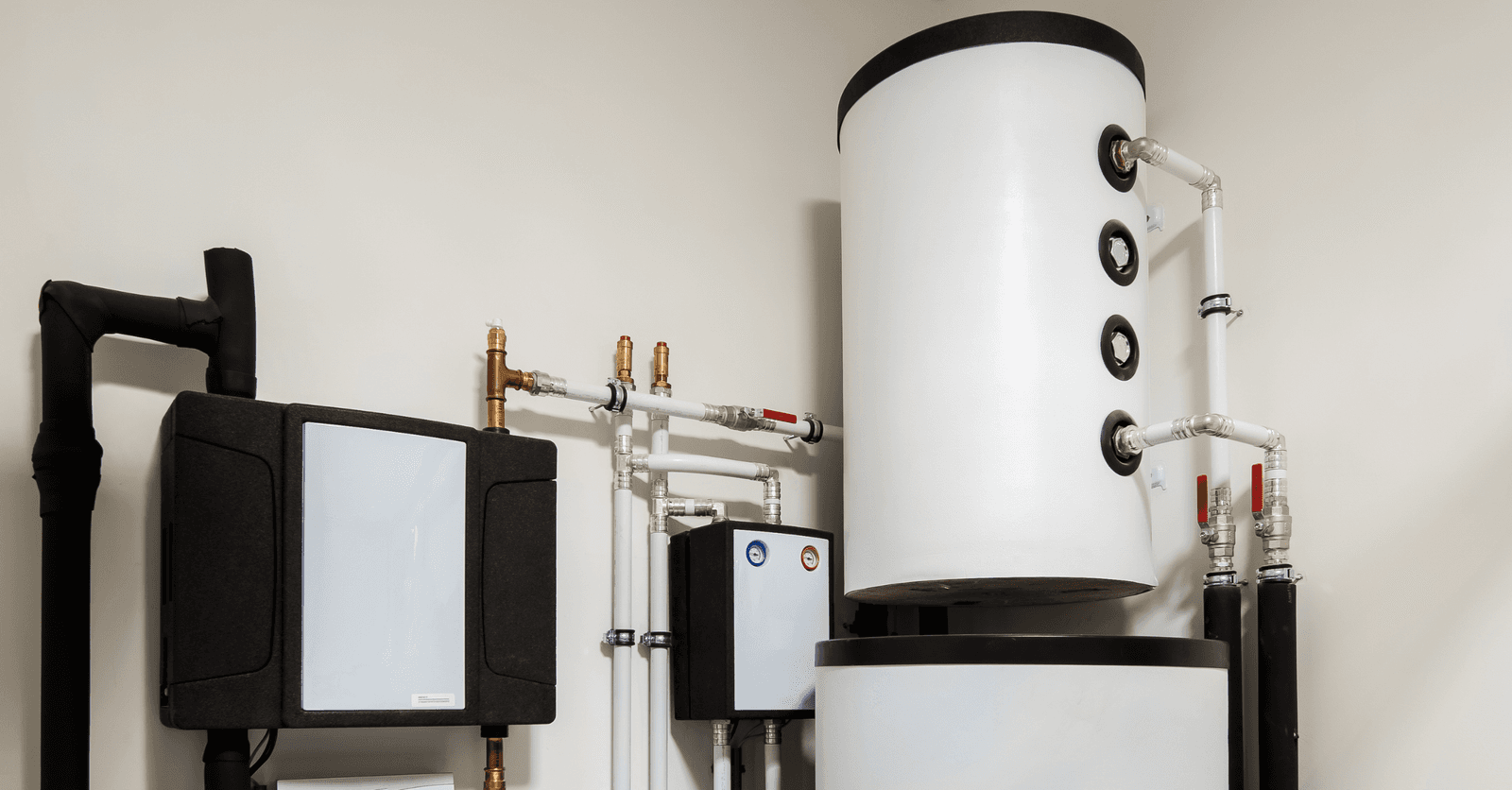
Source: Canva
Fossil fuels account for 74% of global CO2 emissions. Given that fact, neither fuel nor gas heating solutions are considered autonomous heating systems.
Even though, from an environmental perspective, natural gas heating may have been marketed as an autonomous heating solution as part of greenwashing attempts, this may no longer hold true when solely considering the “autonomous” aspect.
As a matter of fact, as we’ll come to understand, electricity-free heating is a possibility when using wood, gas, or solar options. Still, there’s only one way it can be achieved without a network connection.
Therefore, you can be “self-sufficient,” in the most literal way, meaning by producing your own green energy.
What Type of Heating Runs Without Electricity?
A home can be heated entirely without electricity, meaning that there are heating systems that absolutely don’t need to be connected to a grid.
That’s the case with:
boilers;
wood-burning stoves;
thermosiphon connections.
The last point mainly concerns boilers and wood-burning stoves which, instead of running on an electrical network (grid), solely rely on heat exchanger technology.
Therefore, these devices must be connected to a hydraulic network to function and provide heat.
Having said that, since the system needs to be hooked up to a line (a water line here), heating solutions relying on boilers or wood-burning stoves aren’t “autonomous.”
Gas: The Path to Self-Sufficiency?
As part of the autonomous heating system category, gas presents two issues:
it’s a fossil fuel;
it’s from an industrial manufacturing process.
Therefore, one can’t heat with gas without being connected to a gas line, or relying on an oil well.
However, a gas heater benefits from being completely functional using propane tanks, thereby rendering your home or chalet self-sufficient if it can’t be connected to a network.
In such a case, we’re referring to radiant portable heaters or space heaters. Now that we’ve opened this line of communication, we can safely say that we’ll be delving into space heaters in the last part of this article.
What About Solar Energy?
Autonomous solar heating is truly a self-sufficient heating. There are three distinct types:
thermal;
photovoltaic;
concentrated.
Each of these three types of electricity generators supply different heating systems. Let’s take a closer look.
What’s solar thermal heating and what kind of system does it supply?
Solar thermal heating relies on the sun’s heat that’s reflected off solar panels to effectively heat a transfer fluid.
Said fluid is then stored in tanks and then used according to specific needs to heat water for household radiators or radiant floors.
Solar thermal heating makes developing a combined solar system a possibility. As such, these solar panels have a dual function:
household heating;
hot water generator.
Therefore, it can only supply hot water heaters (hydronic radiators and floor heating).
What’s photovoltaic heating and what kind of system does it supply?
Solar photovoltaic doesn’t care for heat, but rather solar irradiance. Thanks to special cells (organic, concentrator, or perovskite), a photovoltaic panel transforms the sun’s rays into direct current.
Next up, a power inverter will then alter the direct current into an alternating current. The latter then can heat:
an electric radiator;
heat pump;
radiant floor heating.
Since it doesn’t rely on an electrical grid or a hydraulic line to function, solar photovoltaic heating is truly an autonomous heating option.
What’s concentrated solar power and what kind of system does it supply?
Concentrated solar panels produce energy that’s designed to power plants. Much like solar thermal power, this type of system heats a transfer fluid, but to temperatures between 400°F and 3,600°F (200°C and 2,000°C).
The role of concentrated solar power is to generate steam, and with the heat produced, to drive a turbine.
Examples of Autonomous Heating Devices
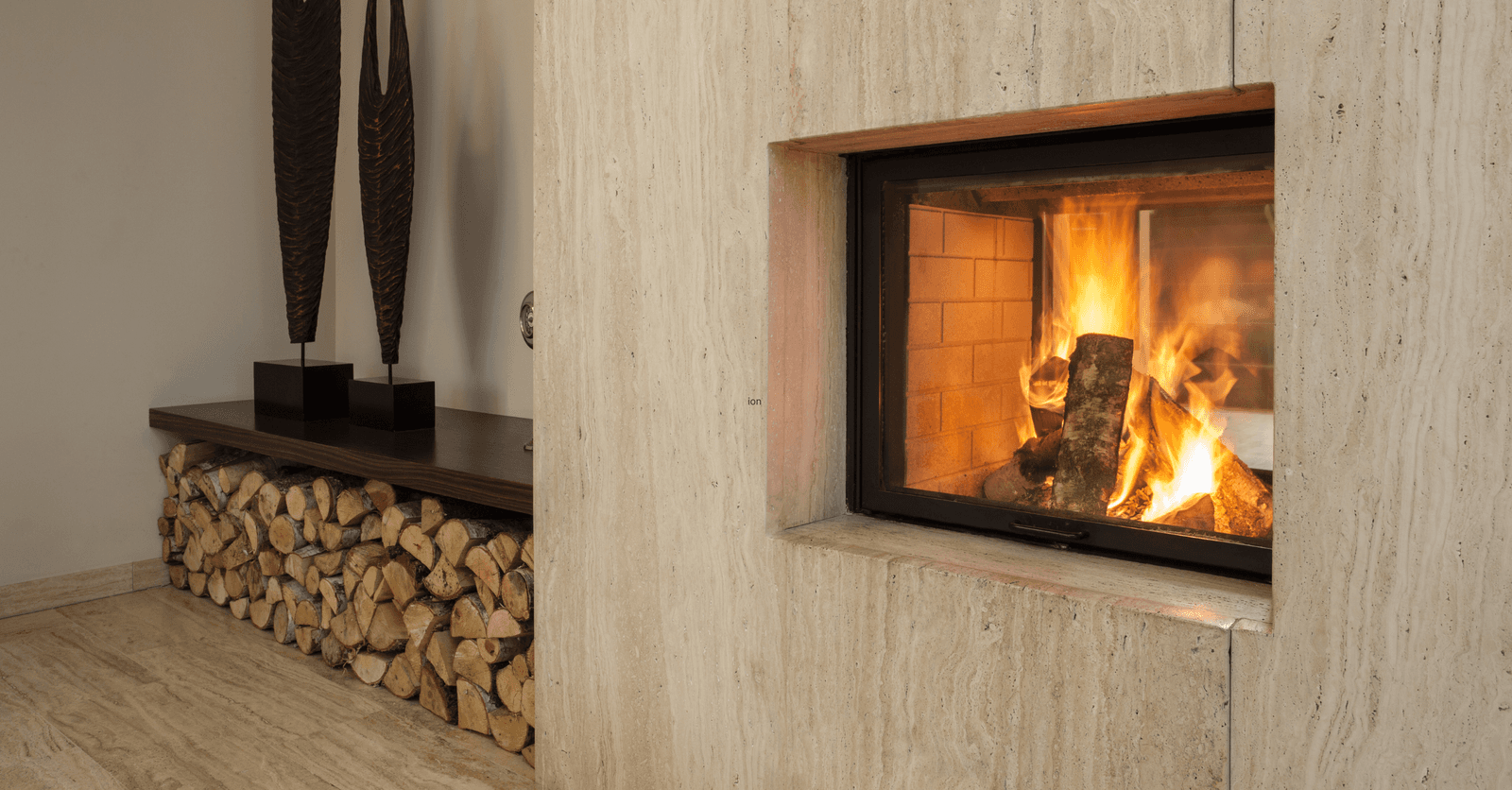
Source: Canva
With everything we said about the different energy-generating heating systems, you might have deduced that your choice heavily depends on:
your current heating system;
your budget;
the size of your home and;
its access to networks (water, electricity, gas).
Let’s now take a look at the types of heaters you can turn to.
Boilers
Boilers are supplied by wood, gas, or electricity; these are the most commonly used in the province of Quebec. But, more particularly the electric hydronic boiler.
The latter is especially used to heat radiant floors.
In order to be efficient, wood-burning boiler systems must be made according to the latest technology. That being said, while wood can hold its own, note that combustion is far from eco-friendly. The emissions resulting from wood-burning devices result in 40% of fine particle emissions in Quebec.
This is why new-age boilers aren’t only CSA- and EPA-certified (Canadian Standards Association and Environmental Protection Agency) but also provide unparalleled efficiency.
As such, some pellet or log boilers run on wood gasification. The latter is a technology that somewhat relies on chemistry to develop a 92% yield, courtesy of reactive gas.
As for gas, from an environmental point of view, it falls short both in terms of its combustion and extraction. However, some condensation boilers achieve a relatively efficient yield, partly due to vapour recovery that stems from the steam produced as a result of combustion.
Otherwise, there are autonomous gas radiators, which are directly connected to a gas line. They differ from gas-fueled space heaters, which are far more portable.
Small Space Heaters
Aside from swimming pool heaters, solar space heaters aren’t a thing. On the other hand, this type of heating, as a whole, is often considered a backup option.
Why’s that, you ask? Because it rarely allows a home to be self-sufficient, heating-wise. As such, it most often will be solely used paired with another heating system.
However, wood-burning heaters are often used as space heaters, and come in a variety of models:
Pellet stove
Combustion fireplace
Wood-burning stove
Inserts
These make it possible to heat a single room, and, as such, better manage heating costs during wintertime.
Lastly, gas-fueled space heaters are the most portable option of all. They can either be directly connected to your home’s gas line or be powered by a propane tank. For the latter, it’s known as a radiant heater.
When it comes to gas-fueled space heaters, they can be used in just about any room. However, beware as they are hazard-prone.
The Dangers of Gas-Fueled Space Heaters
There are 4 risks associated with using gas-fueled space heaters:
fire;
carbon monoxide poisoning;
gas leak;
humidity.
The risks of sparking a blaze depend on the positioning of the heating system. Furniture, curtains, as well as clothing, may catch fire when placed in too near proximity to the heating device.
Carbon monoxide is directly linked to the poor functioning of gas-fueled heaters during the combustion process. Its fumes can either lead to simple headaches or, in more severe cases, death.
A gas leak will typically occur where the pipes or connections are concerned. For that reason, it’s very important to systematically check them.
Lastly, as for humidity, using a gas-fueled space heater to excess reduces airflow within a confined space. As such, said area will become increasingly humid, and thus subjected to mould growth.
The Benefits of a Solar Photovoltaic Heating System
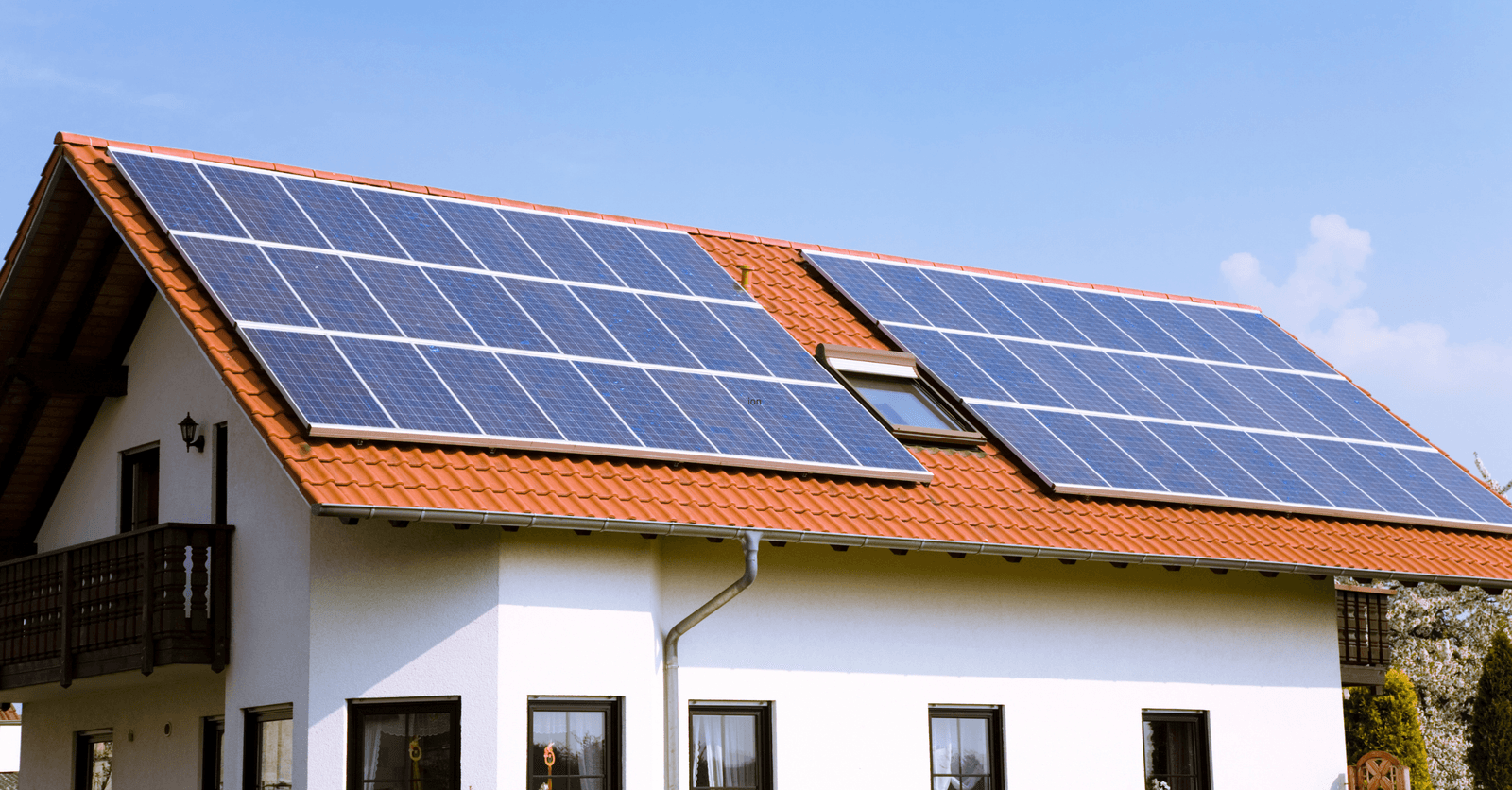
Source: Canva
Amongst all the different heating systems, electric heating systems powered by solar photovoltaic panels are the only option that can effectively fall into the “autonomous heating” category, as their energy is:
CO2 emission-free;
locally sourced;
renewable;
94% recyclable (materials used);
cost-free (aside from initial investment).
The problem most often lies in the last point, as to achieve this level of autonomy, the number of solar panels needed very much depends on your geolocation, your home’s square footage, and the number of electronic devices to power.
Once you’ve tallied up the numbers, simply head to Hydro-Québec’s website to get a ballpark cost of your potential investment into autonomous heating fueled by solar photovoltaic panels.
From the get-go, note that for an average-sized home, you’d be spending at least $14,400. At that price, self-sufficiency remains a question to ponder over.
Can You Be Self-Sufficient Using Solar Photovoltaic Heating?
Yes, but you’ll need to have enough space, on top of sufficient sunlight.
In terms of sunlight, Quebec is known to be particularly efficient. To compare it to other regions around the world, we’ve highlighted the figures representing what a 1 kW installation can generate annually, in kW/h. Here are the results:
Montréal: 1,349.6 kWh/kWp
Québec City: 1,372.4 kWh/kWp
Saguenay: 1,294.2 kWh/kWp
Vancouver: 1,226.5 kWh/kWp
Boston: 1,452 kWh/kWp
New York: 1,436 kWh/kWp
Miami: 1,645 kWh/kWp
Bahamas: 1,746.6 kWh/kWp
Rio de Janeiro: 1,491.7 kWh/kWp
While the numbers are relatively decent, matters remain that you’ll need to invest and stock up on batteries to store the electricity generated. As a matter of fact, at night, there’s no sunlight, and during wintertime, sunshine can be sparse.
However, the surface itself can cause more problems. To be completely autonomous, it’s been estimated that, on average, a 1,076 square foot home (100 m²) needs 8 solar panels. A solar panel measures 19 square feet (1.8 m²), meaning a surface area of 150 square feet (14.4 m²) is needed when hoping for self-sufficient heating.
Carefully Consider Your Choice of Solar Panels
Solar photovoltaic heating systems are an increasingly sought-after option in terms of autonomous heating. By using solar panels, such a system allows users to be independent of electricity or gas suppliers to fulfill their heating needs.
However, prior to choosing, you may want to look over the weather patterns unique to your area over the course of the last 10 years. Also, check out the efficiency and yield generated by the solar panels you’re looking to purchase.
Get 3 quotes for your autonomous heating system installation
RenoQuotes.com can help you get quotes for your heating or air conditioning project. If you submit your project, we’ll connect you to top-rated contractors. Fill in the form on the homepage (it only takes a few minutes) and get estimates from trusted professionals.
Dial 1-844 828-1588 to speak with one of our customer service representatives.
Looking for something else?
Related articles
The latest industry news, interviews, technologies, and resources.
Editorial Team
•23 Jun 2026
An air exchanger helps replace stale indoor air with fresh outdoor air. In Canadian homes, where windows often stay closed for long periods during winter, summer heat waves, or wildfire smoke events, a controlled air exchange system can make a noticeable difference in indoor air quality and comfort.
Cynthia Pigeon
•28 Aug 2026
Canada’s climate places particular demands on heating and cooling systems. Between humid summer heat waves and winter cold snaps with temperatures below -25°C, a heat pump becomes a popular solution for keeping homes comfortable while reducing electricity consumption.
Editorial Team
•08 Nov 2023
Picking a material for the bathroom floor can be a unique choice in comparison with other flooring materials around your home. Once you have determined the main aspects of selecting a floor, including the look, feel, durability and cost, you must consider the most important factor: a material that can deal with an excess of humidity and water.
Cynthia Pigeon
•14 Jul 2026
The return of warmer weather across Canada often brings a desire to make the most of the backyard. Whether you are planning to build a new patio or completely renovate an existing deck, one fundamental question should be addressed from the outset: what type of foundation will support the structure?

Editorial Team
•28 Jan 2026
Interior decoration trends are taking a turn for "the sustainable," shaped by consumer preference for newfound, innovative materials. While design trends are a revolving door of change, one that has kept coming back over these last few years is one that’s closely linked to environmental awareness in consumers.