Building a Steel Structure in Quebec: Properly Prepare Your Project from the Start
By Editorial Team
Updated on May 11, 2026
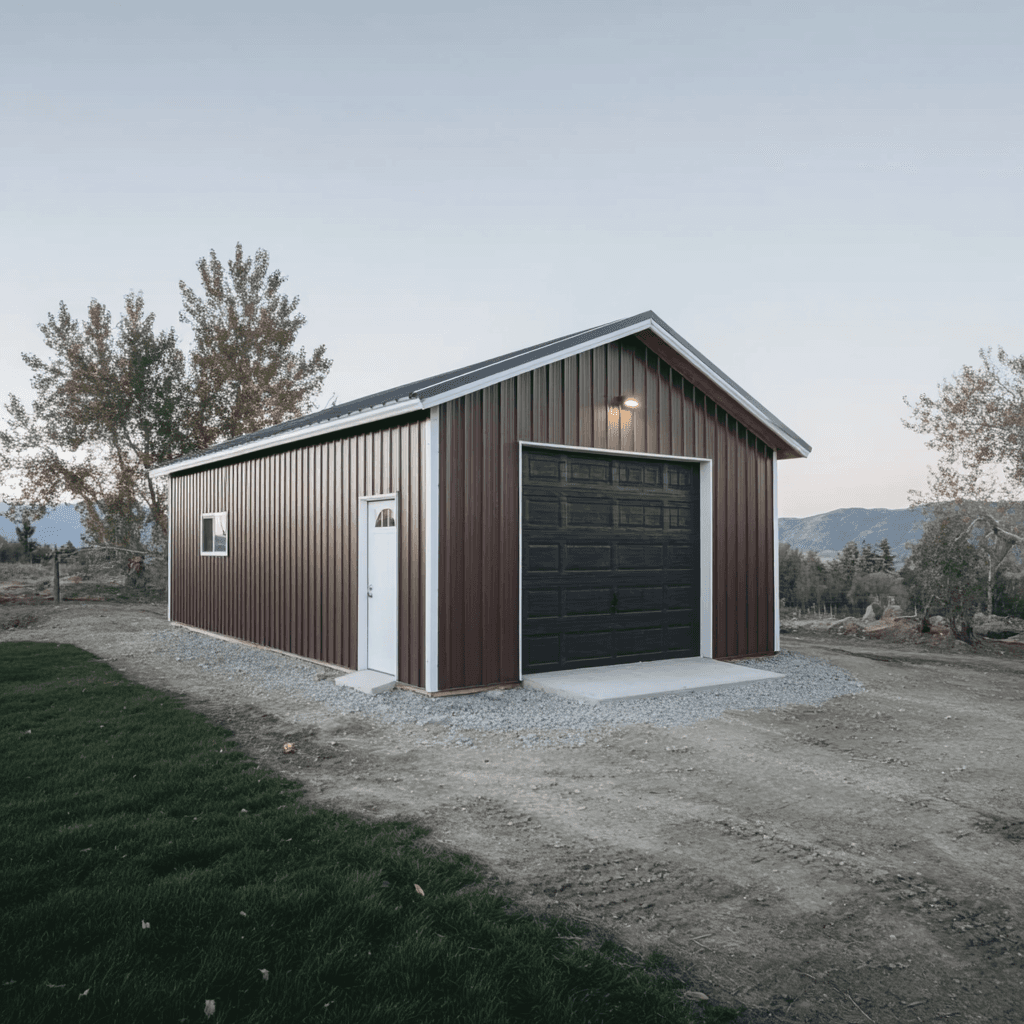
In Quebec, whether it’s expanding a business, constructing a snow-resistant garage, installing an agricultural warehouse, or replacing a damaged structure, more and more owners and contractors are turning to a solution that is simultaneously robust, durable, and economical: the steel building. Thanks to its performance against the elements, fast assembly, and low maintenance requirements, steel is establishing itself as a material of choice in a climate as demanding as Quebec’s.
However, building a steel structure is not something to do blindly. To avoid unpleasant surprises, delays, or unexpected costs, it is essential to properly prepare your project from the start. This article guides you step by step through the key stages to consider before placing the first beam.
Understanding the Specifics of Steel Buildings in Quebec
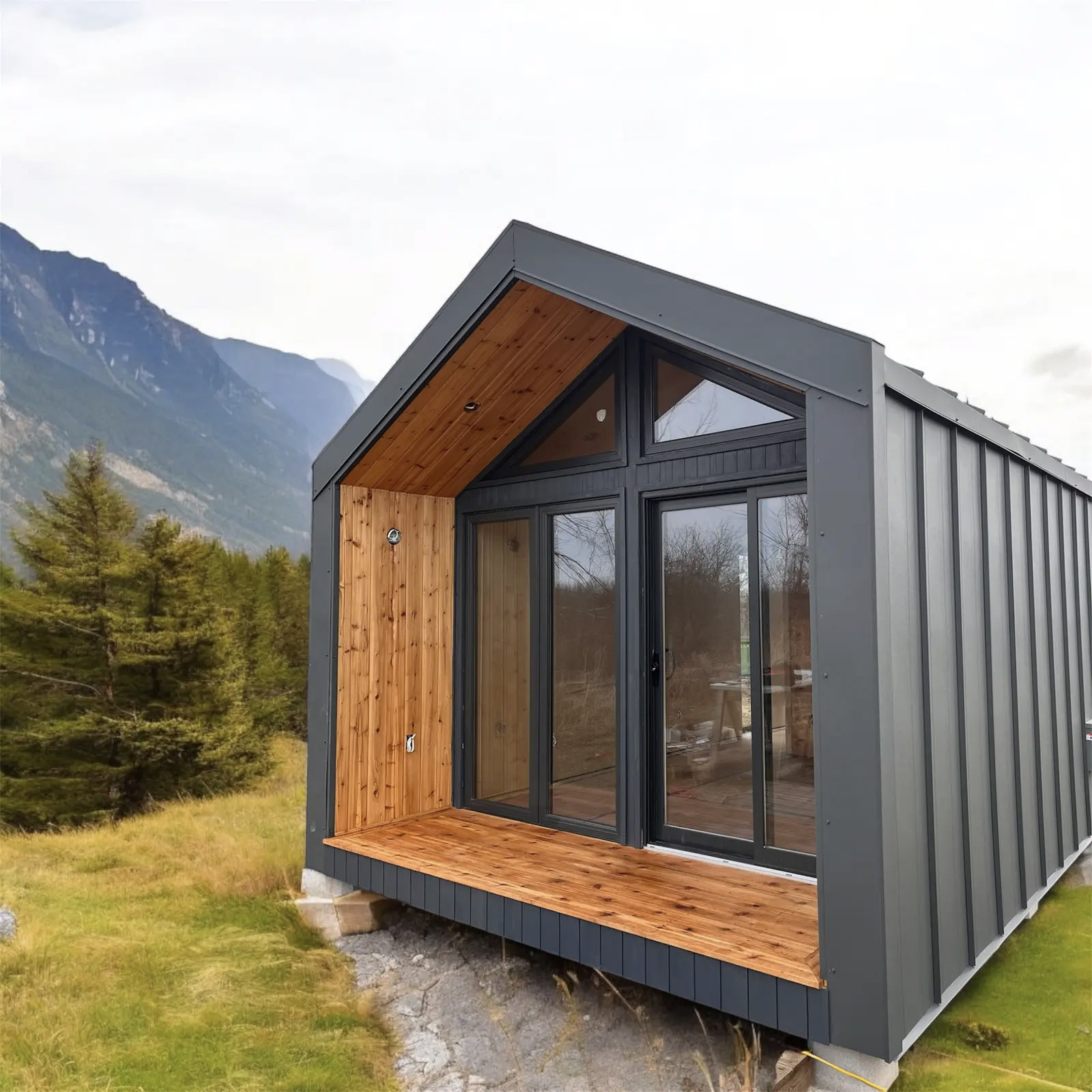
Source: Royal River Road RRR Construction
Before diving into design or purchasing a kit, it is crucial to understand what distinguishes a steel building in Quebec from other types of construction. It is not just a matter of materials, but also of adapting to the local context. In Quebec, harsh winters, heavy snow loads, and specific municipal regulations require custom design, planned from the outset to withstand our unique environment over the long term.
Resistance to Extreme Weather Conditions
Quebec experiences harsh winters, with heavy snow accumulations and strong winds, particularly in regions like Lanaudière, Montérégie, or Saguenay. A well-designed steel building takes these specific loads into account from the design phase. Unlike wood, steel does not warp under snow pressure, does not rot, and is resistant to termites and moisture. Additionally, steel structures are designed to withstand strong winds, making them a safe option even in exposed areas.
Compliance with Quebec Standards
All construction in Quebec must comply with the standards of the Régie du bâtiment du Québec (RBQ), as well as municipal regulations regarding zoning, permits, and safety. A steel building intended for the Quebec market must therefore come with certified engineering plans, approved by an accredited professional. This ensures not only legal compliance but also the long-term solidity of the structure.
Assessing Your Actual Needs Before Building
One of the most common pitfalls is underestimating or overestimating project needs. Taking the time to clearly define the intended use, size, and desired features helps avoid unnecessary costs or expensive modifications down the road. A building that is too small will limit growth, while an oversized space will unnecessarily inflate your initial budget and future maintenance costs. It is therefore better to consider your short- and long-term objectives from the start.
Steel Construction: Defining Building Use and Size
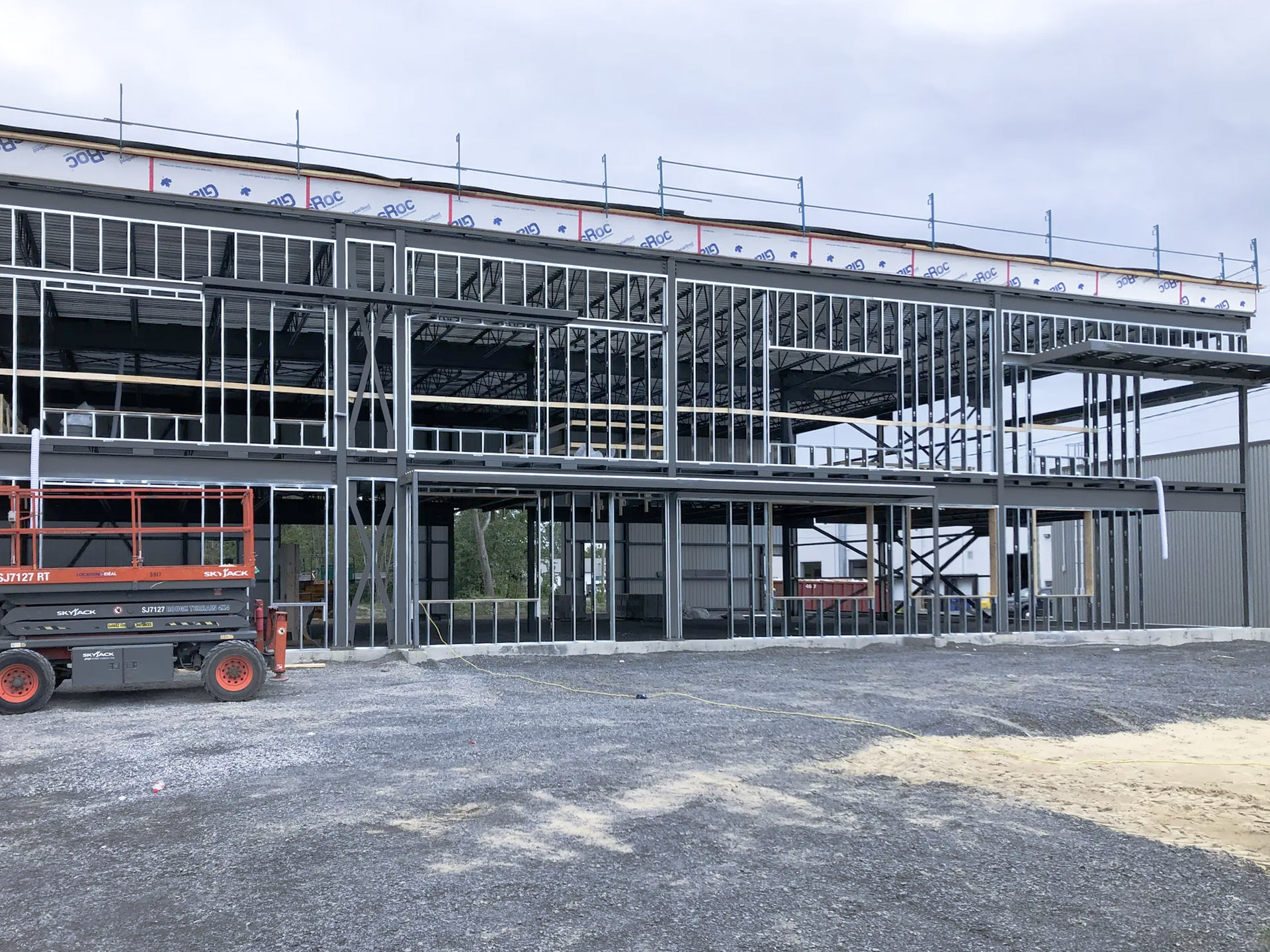
Source: Construction M-A Bilodeau
A residential garage, mechanical workshop, commercial warehouse, or agricultural barn does not have the same requirements in terms of clear height, openings, insulation, or floor load. Before choosing a model or requesting a quote, it is essential to clarify the primary use you plan for your building. Will it be a simple storage space, a technical workspace, or a structure intended to house heavy equipment or animals? These choices directly influence the design of your steel building.
In addition to use, consider your functional needs. Do you require a completely open space without central columns to facilitate movement or storage? Do you plan to install sectional doors, windows, ventilation, or thermal insulation? All of these elements must be integrated during the planning phase. Ignoring these details upfront can result in additional costs, delays, or a structure that is less suited to your actual needs. Taking the time to define your project thoroughly ensures a result that meets your expectations and investment.
Planning for Future Growth
Even if your current needs are modest, it is wise to think ahead. A well-designed steel building can easily be expanded or modified, but this depends on the initial structure. For example, planning a foundation suitable for a future extension or incorporating additional anchor points can make a big difference a few years later without requiring major work.
Mastering the Key Steps of Project Preparation
Properly preparing your project also means understanding the various steps that take you from idea to delivery. Each phase matters, and neglecting one can compromise quality, budget, or timelines.
Budgeting, Financing, and Comparing Quotes for Steel Building Construction
The cost of a steel building in Quebec varies depending on size, complexity, materials, and included services (delivery, installation, engineering). It is essential to obtain detailed and comparable quotes, ensuring that each includes the same elements: engineering plans, warranty, anti-corrosion coatings, etc.
Be wary of offers that seem too good to be true; a low price may conceal lower-quality materials or non-compliance with local standards. Favor suppliers who provide a long-term warranty.
Choosing Between DIY and Professional Installation
One advantage of steel building kits is that they can be assembled by local contractors or even experienced owners. However, installation requires skills in reading plans, handling heavy components, and sometimes welding. If you do not have a qualified team, it is strongly recommended to opt for a turnkey installation service. This ensures not only site safety but also the structure’s compliance with technical specifications.
Anticipating Practical and Administrative Aspects
Beyond construction itself, several administrative and logistical elements must be anticipated for a smooth project. This includes obtaining required permits, coordinating delivery, preparing the site, and checking truck access.
Good upfront planning avoids costly delays, municipal fines, or last-minute changes. Considering these details from the start makes the process smoother, safer, and compliant with local expectations.
Permits, Zoning, and Municipal Timelines
Before ordering your steel building, check with your municipality. Some cities or regional county municipalities require a construction permit, engineer-signed plans, or even a soil study. These steps can take several weeks or even months. Include this time in your overall schedule to avoid blocking delivery or assembly.
Delivery, Installation Site, and Foundations
A steel building is delivered in prefabricated pieces, often by truck. Ensure your site access is sufficient for unloading (width, height, stable surface). Additionally, foundations must be ready before the kit arrives. Whether you choose a concrete slab or other foundation, it must be designed according to the specific loads of the building and the type of soil. An improperly adapted foundation can compromise the stability of the entire structure, even if the steel itself is flawless.
A Successful Steel Construction Project Starts with Proper Preparation
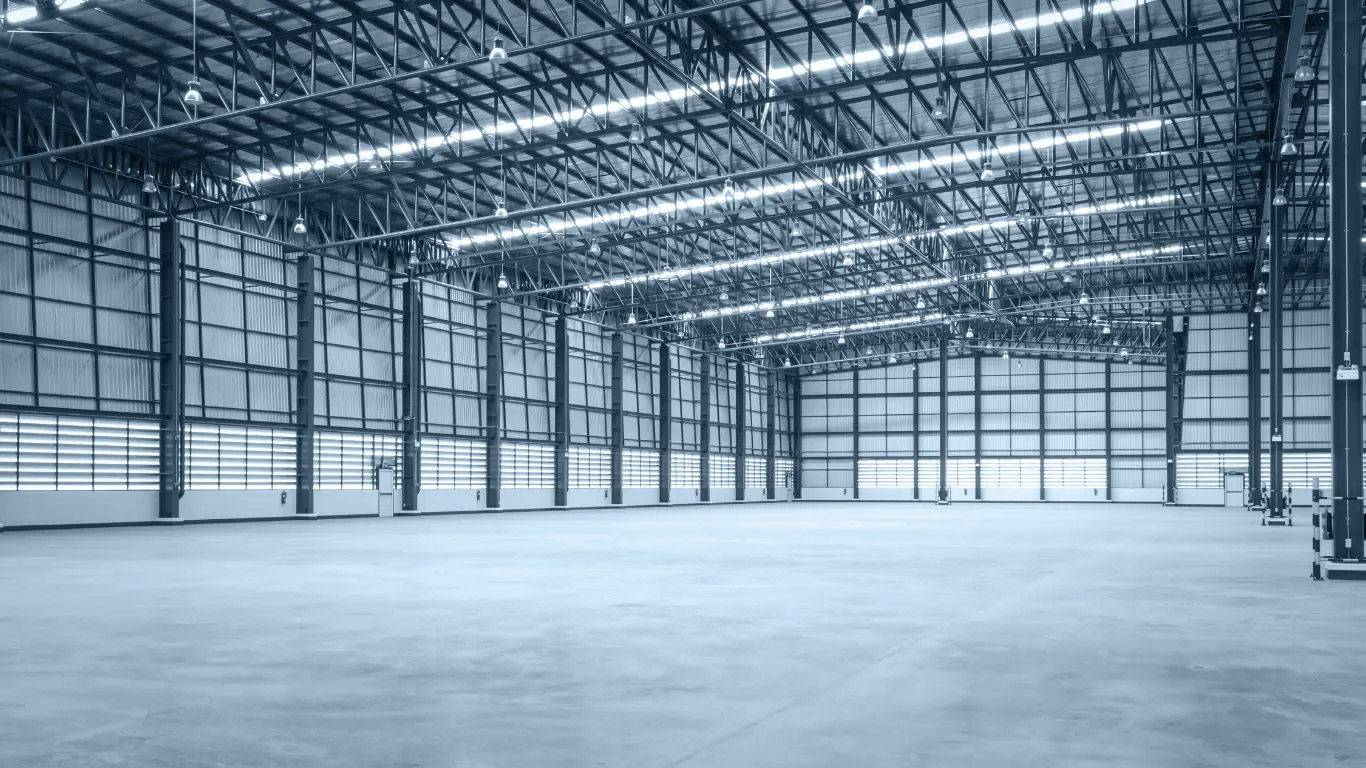
Source: Groupe INOVCON
Building a steel structure in Quebec is a strategic decision, especially in a context where durability, climate resistance, and long-term cost-effectiveness are priorities. But, as with any construction project, success relies on thorough preparation. Taking the time to assess your needs, understand local requirements, compare quotes, and plan administrative steps will save you many headaches and allow you to fully enjoy the many advantages of steel.
Whether you are a contractor, farmer, landowner, or real estate investor, a well-designed steel building is a reliable asset for decades to come. With experienced partners able to guide you from design to installation, this project can become not only simple but also a source of pride.
So, before signing anything, ask yourself this question: have I anticipated everything to ensure my steel building in Quebec meets my expectations? The answer will make all the difference.
Looking for something else?