How to Clean Paver Stones: Step-by-Step Instructions
By Editorial Team
Updated on March 27, 2025

Concrete pavers lock together neatly, adding a stunning decorative element to any home’s landscaping or driveway. Pavers were designed specifically to eliminate stormwater runoff, no matter the climate. So not only do they look great, but they also serve a significant purpose.
Since they sit outside day and night, and deal with constant wear and tear resulting from changing weather, vehicles, and constant treading, they require thorough cleaning.
While they might appear resilient, paver stones are delicate and must be properly washed to maintain their lustre and colour. If your driveway is embellished with paver stones, Reno Quotes is detailing ways to deep clean for a worthwhile revamp!
How to Clean Concrete or Stone Pavers: Preparation Stage
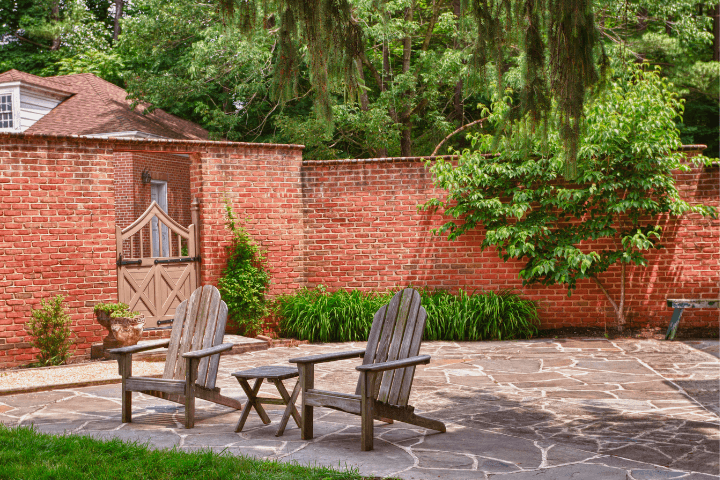
Source: Canva
Cleaning your pavers correctly will vary depending on the material of the stone, so make sure to test out a small area with the cleaning method you choose before going forward on the entire paved surface.
Before you begin cleaning, make sure to prepare the surrounding area by clearing off any furniture and plants that might be resting on the stones. Also, cover or remove all metal objects, as there is a chance they could be tarnished in the cleaning process.
Look for and brush away any moss and weeds that have accumulated between paver joints, as leaving weeds unattended will shift pavers apart over time. It is recommended that you periodically apply a granular weed preventative product between joints as part of your paver routine.
If you are finding that the growth cannot be removed by hand, use weed killer. Try to choose an environmentally-friendly brand and something that does not have harsh chemicals in case it damages the stones. Unfortunately, if you use any form of weed killer, it is important to wait weeks before moving forward with cleaning your pavers.
Following the removal of weeds in the area, hose down pavers to prepare them for cleaning. Be careful to clean them gently, as using any form of high water pressure will damage the pavers and cause them to deteriorate as well as exposing the aggregate on the pavers' surface.
However, the pavers need to be slightly wet before you can move on to the next steps.

Everything Prepped? Time to Clean Your Paver Stones!
As we stated earlier, depending on the material of the stone, the cleaning solution you choose may vary. However, there are a few tried and true DIY options that will work on most materials.
The simplest method is found in our home's kitchen. Make your way under the sink and grab that soap you use to wash dishes. Regular dish soap works as a degreasing detergent, and can easily remove most stains found on pavers.
Mix the soap in a very large bucket of water to make a cleaning solution that is made from just soap and water. Then grab a clean, stiff bristle brush to scrub the dirty pavers.
Work in small areas at a time, making sure to be extra precise, move the brush in small circular motions to remove the stains.

source: Flickr, denisbin
Paver Stone-Designed Maintenance Products
Another at-home method for cleaning pavers is also found in your kitchen. Go to your cupboard and grab some white vinegar. This natural disinfectant does an excellent job cleaning and is also an environmentally friendly option that won't ruin the surrounding vegetation.
However, avoid dark vinegar, as you risk the possibility of further staining your pavers depending on how porous the material. Let the white vinegar and water solution soak on the stone for 1 hour, then gently scrub away the stains in the same manner that we suggested previously.
Whenever possible, try to avoid chemical treatments, as many of these are highly toxic and can be a risk to children, pets or surrounding vegetation. There are definitely environmentally-friendly options out there, so if you've got some tougher stains and want to invest in a paver cleaner, check your local hardware store for chemical free and eco-friendly choices.
Also, the harsher the chemicals, the more likely a chance that the colour of stones fade or materials disintegrates.
If you are finding there are tougher stains on pavers, such as tire marks from your car or excess oil, these can be cleaned off with a rubber remover or a granular oil absorbent, also found at your local hardware store. Make sure that if you are cleaning a spill, it should be soaked up and not rubbed, as rubbing will drive the stain deeper into the paver.

Your pavers are all clean, what's the next step?
Following cleaning, hose the pavers thoroughly, as built-up film will need to be removed. Although it is not recommended, if you choose to clean your paving stones with a high-pressure hose or power washer, be careful not to remove the all-important joint sand, as this acts to maintain the longevity and placement of the stones.
If you are concerned that you lost a significant amount of sand in the cleaning process and feel it needs a touch-up, go ahead and replace the sand between the paving stones.
Sweep the sand over the paved surface with a dry/stiff bristled broom, pour sand and sweep over the pavers until the joints are filled. Following this, use a misting or very light hose setting to mist water over stones.
Remember to keep in mind that the joints between pavers are the most sensitive areas, so do not saturate pavers, as the sand-bedding will deteriorate and cause the stones to do the same.
It is also recommended that you use a sealer following cleansing, as this will make future cleaning ventures much easier. Further, it enhances the colour and helps to maintain the appearance of stones over a long period.
However, do not apply a sealer more than once in three years, as too many applications can create a film on the surface of the stones, and it may discolour in the sunlight.
How to Clean Paver Stones: Rundown
Choose the cleaning product(s) you will be using;
Assemble all the necessary equipment;
Remove any weeds that are in the way;
Prepare the surface;
Wait the appropriate time before the stones are ready to be cleaned;
Wet the surface;
Work on small areas at a time and move the brush in circular motions;
If necessary, let the cleaning solution rest on the surface for a certain amount of time;
If applicable, remove tougher stains using other appropriate techniques described in the article;
When using a power washer, be careful not to remove the joint sand.
Get 3 renovation quotes for your paver stone project
RenoQuotes.com can help you get quotes for your paver stone project. If you submit your project to us, we’ll put you in contact with 3 qualified professionals. Fill out the form on our homepage (it only takes a few minutes), and you will receive quotes from trusted renovation specialists.
Dial 1-844 828-1588 to speak with one of our customer service representatives.
Looking for something else?
Related articles
The latest industry news, interviews, technologies, and resources.

Léa Plourde-Archer
•05 Dec 2023
If you are looking to add brightness to your basement, there are many simple options available to you. Of course, the main source of natural light is always the window. Therefore, it is important to clear any windows so that the basement benefits from the natural light and not the furniture or curtains that block it.
Amanda Harvey
•08 Nov 2023
Rain gutters aren’t the most glamorous part of your home's exterior. They work hard to collect and carry rainwater away from the roof of your home but most homeowners pay little mind to these important structures. Gutters, also known as eavestroughs, work to keep basements or crawl spaces from collecting water. Therefore, they’re crucial in maintaining the structure and both the interior and exterior surfaces of your home.

Karine Dutemple
•16 Jun 2026
Thinking about adding a new backsplash to your kitchen to revamp your current, outdated design? Here are some ideas to inspire your next kitchen renovation project!
Editorial Team
•08 Nov 2023
Whether preparing for or washing up after a meal, filling a cup of water or a vase with fresh flowers, your kitchen sink is a fairly integral piece of the puzzle. A sink comes up against plenty of wear and tear, and thus, the possibility of it becoming worn before other parts of the room is plausible.
Editorial Team
•08 Nov 2023
If you’re living in a mobile home or you’re in possession of one for traveling, chances are you're already well aware of the benefits. A mobile home is a dream for nomads, travelers, and all those in between. If you’re one of the lucky ones who has access to a mobile home, you may feel a little bit stunned by the size of the structure.