The Best Ceramic Tile Floor Cleaners - What Should You Use?
By Editorial Team
Updated on May 21, 2026
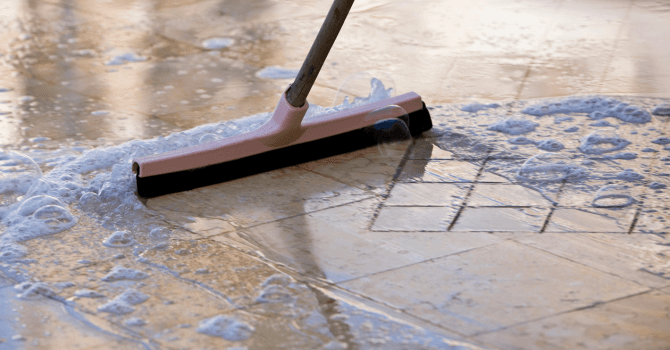
Given that we spend a significant amount of time in our bathrooms, they get dirty in the blink of an eye. Your ceramic bathroom floor may darken, and the grout joints are likely to accumulate dirt. So, how can you effectively clean your bathroom ceramic tile floor?
What Cleaners Should You Use to Wash Ceramic Floor Tiles?
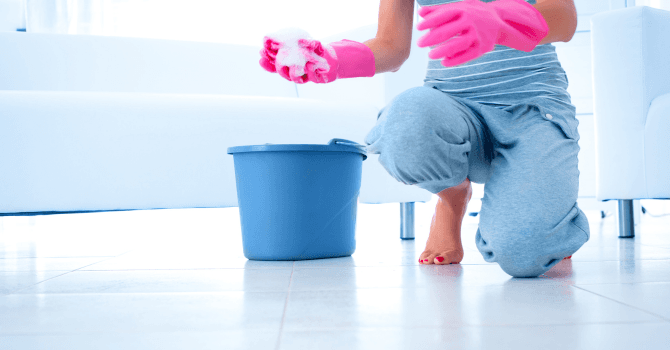
Source: Canva
To clean ceramic floor tiles, and make them shine like new, use daily household products. These include vinegar, baking soda, hydrogen peroxide, lemon juice, and bleach.
Use Vinegar to Clean Ceramic Tiles
Follow these steps to clean your floors with vinegar:
Pour vinegar into a water bucket (about ½ cup per 4 litres of water)
Grab a clean rag and soak it in vinegar
Scrub the floor, section by section
Rinse the floor with a water-soaked sponge
Pat the floor dry with a microfibre cloth
Since vinegar is highly acidic, it’s important to take precautionary measures. Limit this sort of cleaning routine to a single time. Otherwise, you risk damaging your tile floor and grout joints due to the amount of acid in vinegar. Vinegar will make your floor shine and restore its former sheen.
As an alternative to the previously detailed cleaning method, use a mixture of warm water and vinegar with a few drops of essential oil. Not only will this solution effectively clean your floor, but it’ll also serve as a disinfectant, eliminating bacteria.
Use Bleach to Clean Your Ceramic Tile Floor
Bleach certainly is the most popular product for disinfecting surfaces and objects. It comes in numerous forms: liquid, tablet, and powder. This product also works well as a deodorizer.
If your floor is especially grimy, mix bleach with hot water. Use a scrub brush to wash the floor in sections then rinse with clean water. Since bleach is corrosive, don't use this mixture for day-to-day cleaning.
What Is the Best Way to Polish Ceramic Floor Tiles?
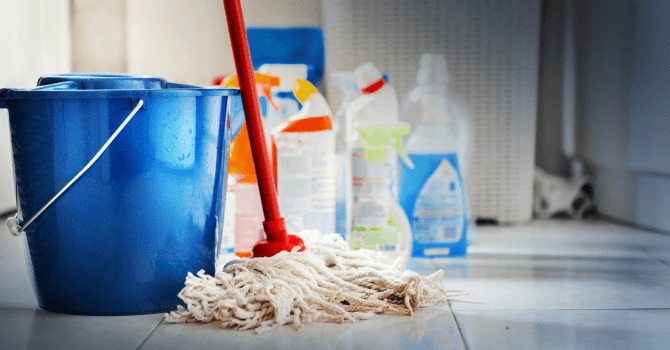
Source: Canva
Baking Soda
Use a mixture of baking soda and vinegar to clean your ceramic tiles. Pour a large amount of hot water into a bucket, then add two tablespoons of vinegar and two tablespoons of baking soda. Once the mixture has dissolved, soak a cleaning brush and scrub the floor.
If your floor appears greasy from a build-up of cleaning product residue, make another mixture, one with one part water and one part baking soda. Spray the mixture over the flooring, letting it sit for an hour. Then, rinse thoroughly and wipe dry with a microfibre cloth.
Hydrogen Peroxide (Polish and Disinfect)
Hydrogen peroxide is an oxidizing agent used to clean a myriad of surfaces. It’s found in many commercial cleaners designed to brighten or bleach clothing. This disinfectant is similar to bleach and is available in concentrations ranging from 3% to 50%.
To clean ceramic floor tiles with hydrogen peroxide, start by filling up half a spray bottle with water and topping it with a dollop of dish soap. Next, fill the other half with hydrogen peroxide. Shake the bottle to mix the cleaning solution. Next, spray the solution on your floor and let it sit for 15 minutes. Lastly, wipe or scrub the floor depending on the extent of the staining.
If your ceramic tile floor is rather dull, we have just the trick to clean it and restore its sheen. Use a half-cup of hydrogen peroxide dissolved in a gallon of hot water—it's a safe, homemade cleaner that can be used on your bathroom's ceramic tile floor as well as other surfaces.
Ceramic Floor Tile Grout Cleaning: How-To
Source: Canva
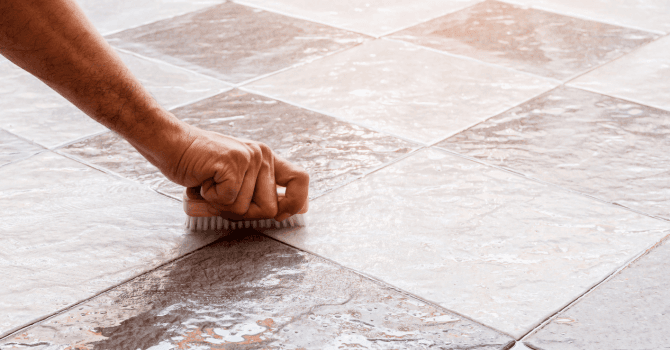
With the same ingredients, mix four tablespoons of baking soda and 10 tablespoons of white vinegar. Spray this solution directly on the grout joints. Allow the mixture to sit for 24 hours. Afterward, gently scrub the floor and rinse with water.
Here’s another solution to restore your ceramic grout: Pour one litre of hot water into a bucket, mix in vinegar, and add dish soap. Use vinegar and dish soap in moderation: about 1/3 cup of vinegar should be enough, and approximately 200 ml of dish soap. Next, soak a clean rag in the mixture and run it over the flooring. Then, scrub your tiles with a soft-bristled brush, rinsing once clean.
Hydrogen peroxide is also highly effective in cleaning your ceramic tile grout without eroding it. To do so, spray the product on the grout and let it sit for 30 minutes. Use a stiff-bristled brush for a deep clean.
This mixture effectively prevents mould growth, which tends to settle between the tiles. For better results, spray it directly onto the mould-affected areas to prevent the growth of said fungi.
Yanick Dupré, Dupré Carrelage Inc., mentions that when regrouting, it’s important to carefully read the manufacturer's instructions before cleaning flooring right after regrouting. Depending on the type of grout used, wait the recommended amount of time.
Flooring Maintenance: For a Long-Lasting Shine
Regularly and methodically cleaning your bathroom floor is essential to guarantee optimal hygiene and preserve your flooring’s aesthetic appeal and longevity. Maintaining clean bathroom floors turns into a habit instead of a chore when using suitable techniques and cleaners, making for a clean, sanitized, and welcoming setting.
Embracing these practices not only helps preserve the aesthetic appeal of your flooring but also turns your bathroom into a space that's conducive to relaxation and well-being.
Looking for more information about bathroom renovation project planning, check out our Bathroom Renovation Guide.
Looking for something else?
Related articles
The latest industry news, interviews, technologies, and resources.
Karine Dutemple
•08 Nov 2023
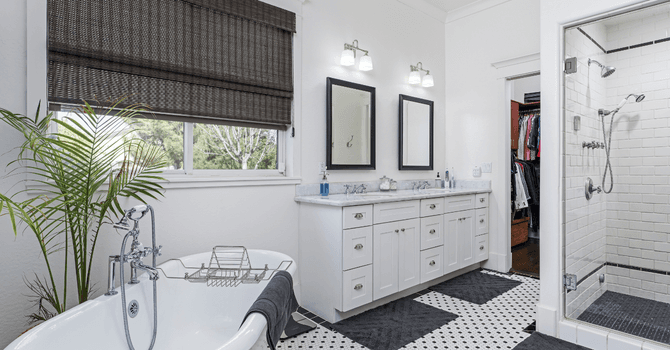
When large-scale renovation projects are happening, you may lose full access to the most important sections of your home, such as the kitchen or bathroom. In the case of a bathroom renovation, depending on the work that is being carried out and the agreement you have signed with the contractor, the timespan of the project can vary and sometimes last several weeks, thus creating a certain period of inconvenience for you or your family, especially if you have young children.
Editorial Team
•05 Sep 2024
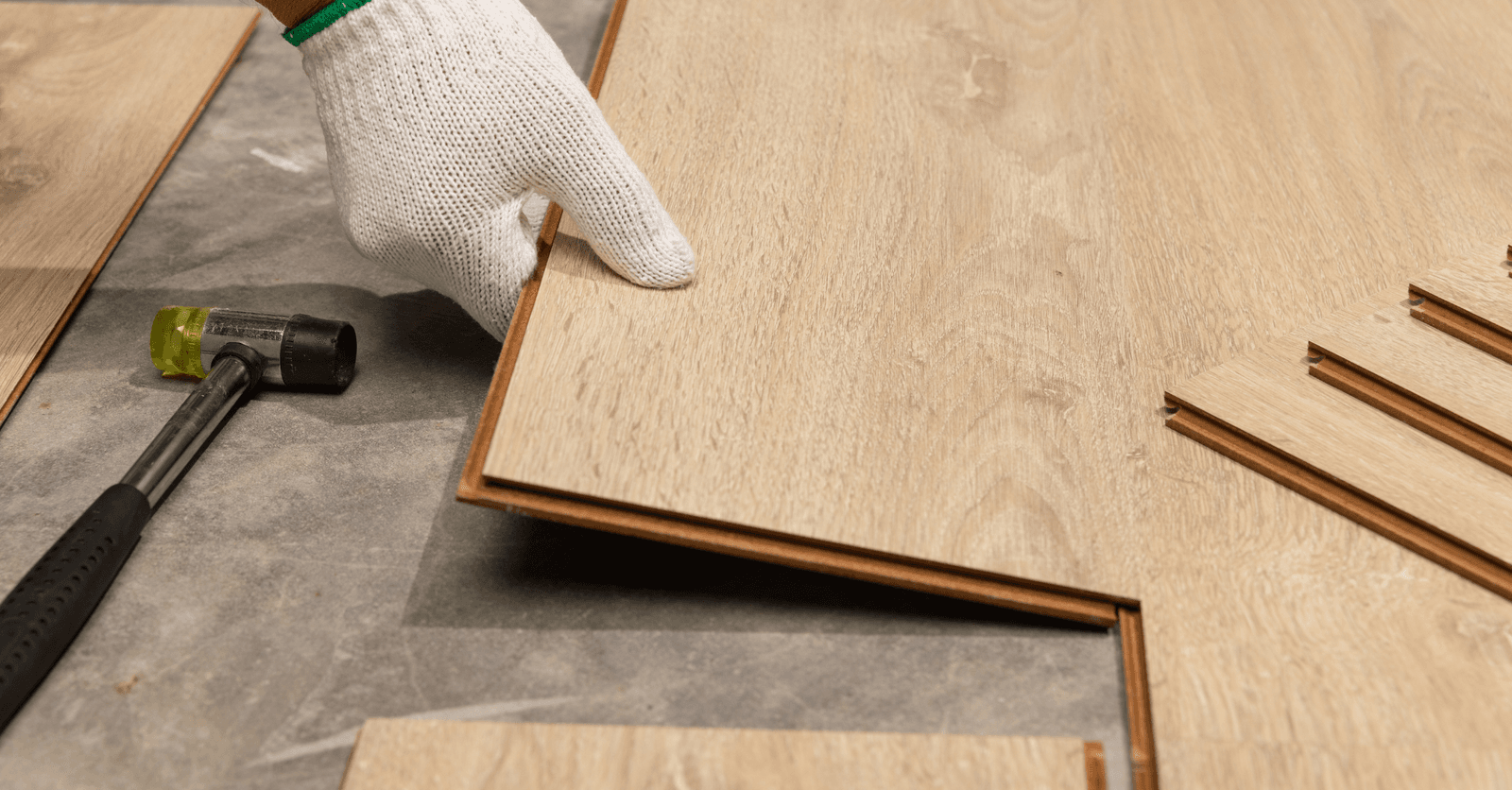
In most rooms, flooring is subject to a lot of wear and tear from constant foot traffic, shifting furniture, falling objects, etc., making it a key surface to consider when designing the floor plan of any room.
Editorial Team
•19 Aug 2025
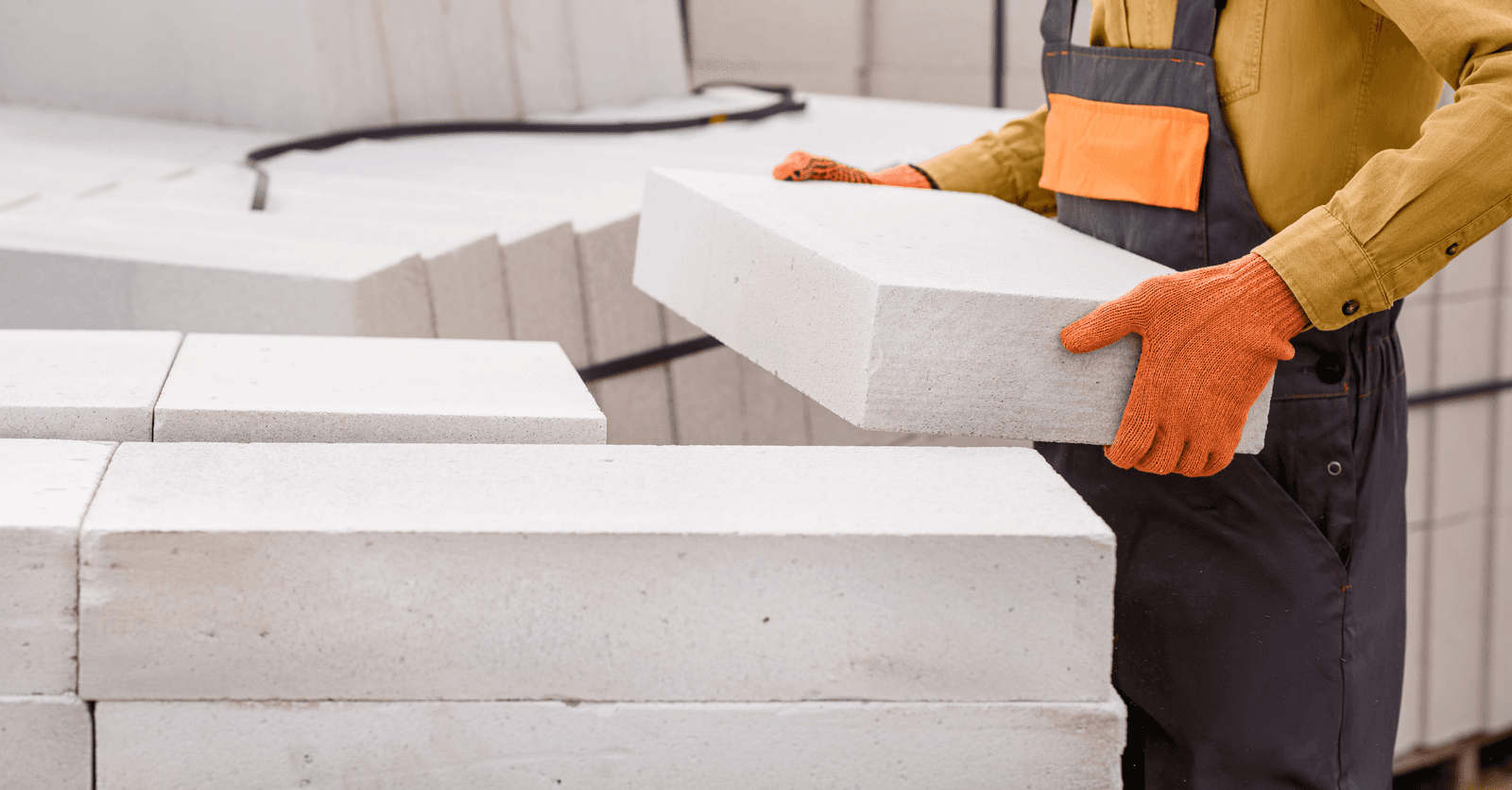
It was in 1923 that cellular concrete, developed by Swedish architect and researcher J.A. Eriksson, first appeared. Albeit it isn’t ground-breaking technology, it’s still considered innovative as it has contributed to building extremely energy-efficient, modern-day single-detached homes.

Editorial Team
•08 Nov 2023
Constructing your dream home from the ground up is an exciting project to take on! Although exciting, building a new home is a huge responsibility that requires you to oversee many different roles, from the planning and budgeting all the way down to electricity and plumbing.

Editorial Team
•27 Apr 2026
Are you carrying out a home renovation or building project? Installing PEX plumbing pipes is a great option. Reputed for its flexibility and durability, PEX pipes are increasingly sought after. It’s a remarkable system given its reliability, resistance, and versatility. What are the upsides? How much does it cost? What are the proper guidelines for installation success? All this and more detailed below.