CNESST Management for Construction SMEs
By Editorial Team
Updated on November 19, 2025

La gestion de CNESST (Commission des normes, de l’équité, de la santé et de la sécurité du travail) is often seen as a simple administrative formality, focused on the annual payroll declaration. However, for SMEs in the construction sector, effective CNESST management goes far beyond this obligation. Optimizing health and safety on worksites, anticipating risks, and keeping up with regulatory changes are essential to controlling costs, protecting workers, and ensuring the long-term sustainability of the business. To fully benefit from these practices and avoid common pitfalls, it is important to lay a strong foundation for your company from the outset.
To properly start and manage a construction SME, it is imperative to structure your processes from day one: clarify your business model, define your growth objectives, and implement management tools suited to the size of your company. A solid organizational foundation will then facilitate the management of your CNESST obligations and allow you to implement effective prevention programs and safety practices on your worksites.
Join Our Network and Receive Real Leads!
Do you want to start getting some real leads with serious customers?
Laying the Foundation for Effective CNESST Management

Source : RenoQuotes
1. Payroll Declaration: Do It Right, but Don’t Stop There
Submitting your payroll declaration to CNESST is a crucial step, as it determines the amount of your contributions and the coverage of your workers in case of an accident. However, many SMEs make mistakes during this process: misclassification of jobs, underestimating or overestimating amounts, or forgetting temporary workers. These errors can lead to unjustified contributions, penalties, or audits.
Best Practices:
Check each job category and the associated code.
Keep accurate records of hours and wages.
Anticipate seasonal variations or temporary hires.
Have your data validated by a professional if needed.
Most importantly, consider the payroll declaration as a starting point for overall health and safety management.
2. Prevention Program: The Heart of CNESST Management
Prevention is not optional for construction SMEs; it is a legal obligation and a key factor in performance. A solid prevention program reduces the frequency and severity of accidents, improves productivity, and strengthens the company’s reputation.
Key Elements of an Effective Program:
Risk Analysis: Identify the hazards specific to each worksite (working at heights, machinery, electricity, etc.).
Control Measures: Install safety devices, provide suitable personal protective equipment (PPE), and ensure it is actually used.
Regular Training: Organize sessions on new risks, best practices, and emergency procedures.
Worker Participation: Involve your teams in identifying hazards and developing solutions.
Monitoring and Updates: Review the program at each new phase of the worksite or when new risks appear.
A living program adapted to the realities of your worksites is your best defense against accidents and work stoppages.
3. Managing Workplace Accidents: Limiting Impact on Your File
Even with an exemplary prevention program, accidents can happen. How you handle these events has a direct impact on your CNESST file and your future costs.
Essential Steps:
Prompt Reporting: Submit the accident notice to CNESST immediately and inform your insurer.
Supporting the Worker: Assist the injured employee, facilitate their process, and maintain personal contact.
Investigation and Analysis: Identify the root causes to prevent recurrence.
Implement Corrective Measures: Immediately take steps to secure the worksite.
Return-to-Work Plan: Offer suitable tasks or a gradual reintegration to reduce absence time.
Why It Matters: Proactive and transparent management limits accident severity, reduces compensation duration, and protects your employer record. This has a direct impact on CNESST contribution rates, which can increase with high claim frequency.
4. Updates 2024–2025: What SMEs Need to Anticipate
Regulations are evolving rapidly, and SMEs must adapt to remain compliant.
Key Updates to Watch:
Increased Mandatory Training: Some health and safety courses are now required for new trades or for site supervisors.
Enhanced PPE Standards: Requirements for quality, maintenance, and proper use of personal protective equipment (helmets, harnesses, high-visibility clothing, etc.) have been raised.
Digitalization of Processes: CNESST encourages using digital tools for incident management, record-keeping, and reporting inspections.
Management of Psychosocial Risks: Risks related to stress, deadline pressure, and multiple teams sharing the same site must now be included in prevention programs.
Inspections and Penalties: Inspections are more targeted, with increased sanctions in cases of non-compliance.
Tip: Stay informed through CNESST bulletins and participate in offered training or webinars to anticipate changes and adjust your practices.
5. Going Further: Building a Safety Culture
CNESST management should not be seen as a constraint, but as an opportunity to create a strong safety culture. This involves:
Visible commitment from management.
Accountability of every employee, from labourer to foreman.
Regular communication about safety issues.
Recognition of initiatives and exemplary behaviour.
A construction SME that places safety at the heart of its management attracts and retains top talent, reduces work interruptions, and positions itself advantageously with clients.
Bonus: Other Essential Aspects for SMEs in CNESST Management

Source : RenoQuotes
Beyond the main obligations, several additional dimensions of CNESST management deserve attention for construction SMEs. Here’s an overview of often-overlooked areas that can make a real difference in compliance, performance, and sustainability:
1. Support and Available Resources
Many public and private organizations offer specialized support to SMEs navigating CNESST rules. Local support networks, regional service points, as well as practical guides and online training, can facilitate adopting best practices and managing complex files.
2. Funding and Prevention Subsidies
Government initiatives, such as local investment funds or specific programs (e.g., Impulsion PME), provide financial support to implement preventive measures, acquire safety equipment, or train teams. Exploring these opportunities can ease the financial burden of compliance.
3. Inspirational Examples and Case Studies
Learning from concrete examples of other SMEs facing similar challenges can accelerate the adoption of effective solutions. Success stories, entrepreneur testimonials, and case studies are regularly published in specialized media or on support organization websites.
4. Administrative Management and Documentation
Maintaining thorough documentation is a major asset: accident registers, training records, inspection reports, compliance certificates, etc. Well-organized administration simplifies audits, reduces errors, and demonstrates the company’s professionalism.
5. Collaboration with Other Sector Players
Working in synergy with other companies, economic development organizations, and industry partners encourages sharing best practices, access to new tools, and fostering a safety culture at the regional level.
Integrating these complementary aspects into your CNESST management strengthens your SME’s resilience and competitiveness while contributing to the overall improvement of the construction sector.
Conclusion
For construction SMEs, managing CNESST is much more than just a payroll declaration. By focusing on prevention, diligent accident management, and staying up-to-date with regulatory changes, you protect your workers, control costs, and build a resilient business.
Make safety a pillar of your growth, not just an administrative formality.
Key Takeaways:
Payroll declaration is essential, but only the beginning.
A solid prevention program is your best investment.
Prompt and human-focused accident management limits impact on your file.
Stay proactive regarding 2024–2025 updates to avoid surprises.
Safety is everyone’s responsibility, every day.
Looking for something else?
Related articles
The latest industry news, interviews, technologies, and resources.

Editorial Team
•23 Sep 2025
Are you an HVAC contractor in Montreal looking for new contracts? The heating, ventilation, and air conditioning market continues to evolve rapidly in 2025, driven by building modernization, energy efficiency demands, and residential renovations. To stand out, you not only need to provide high-quality services but also know where and how to find the right projects.

Editorial Team
•06 Nov 2025
Obtaining a licence from the Régie du bâtiment du Québec (RBQ) is an essential step for any construction contractor wishing to operate legally in the province. Yet, every year, a large number of applications are refused or delayed due to simple, avoidable mistakes.

Editorial Team
•08 Nov 2023
Spring is just around the corner, and this makes it the perfect time for planning out your garden, backyard and front lawn. If you’re working with plenty of space or you’re looking to investigate a little further into the potential of your property including growing your own vegetable and fruit garden, then you could be interested in working with a horticulturist. A horticulturist can help you plan and design a garden or recreational area with the idea of preserving natural resources.
Editorial Team
•13 May 2026
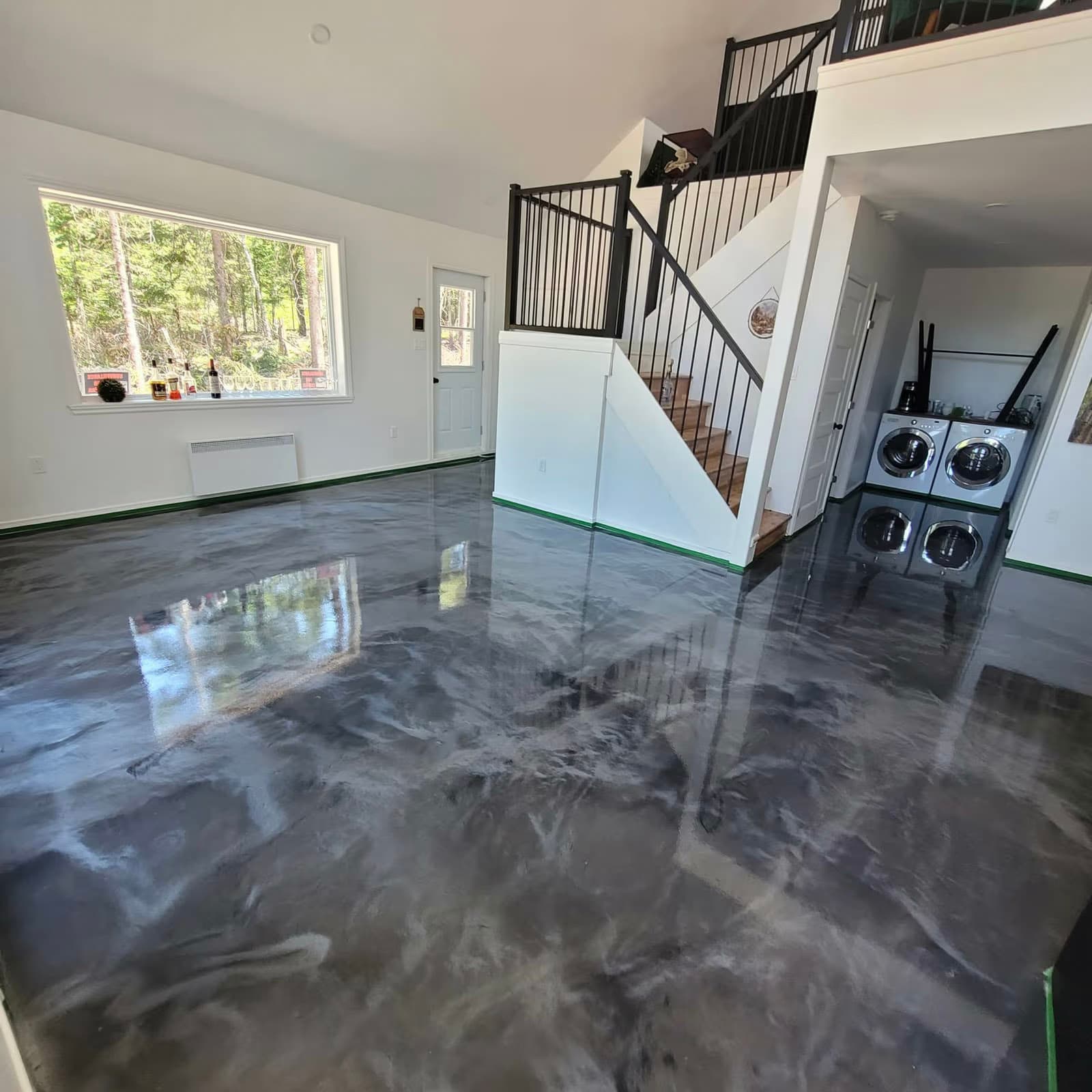
Epoxy basement floors offer Canadian homeowners a durable, easy-to-clean, and finished surface. Made by mixing resin and hardener, epoxy forms a tough layer over concrete. It is known for strong adhesion, chemical resistance, and low maintenance. Contractors can promote epoxy projects in summer to secure steady work for the fall, even as competitors slow down during vacation season.

Cynthia Pigeon
•10 Aug 2026
Adding a second storey is one of the most practical ways for bungalow and single-storey homeowners in Canada to expand their living space. In a competitive real estate market, building upward can provide valuable additional space—such as extra bedrooms, a master bedroom, or a second bathroom—without sacrificing backyard space or paying the costs associated with moving, including land transfer taxes, legal fees, and real estate commissions.