5 Most Common Plumbing Issues You Can Encounter with Your Toilet
By Collaboration
Updated on April 28, 2026
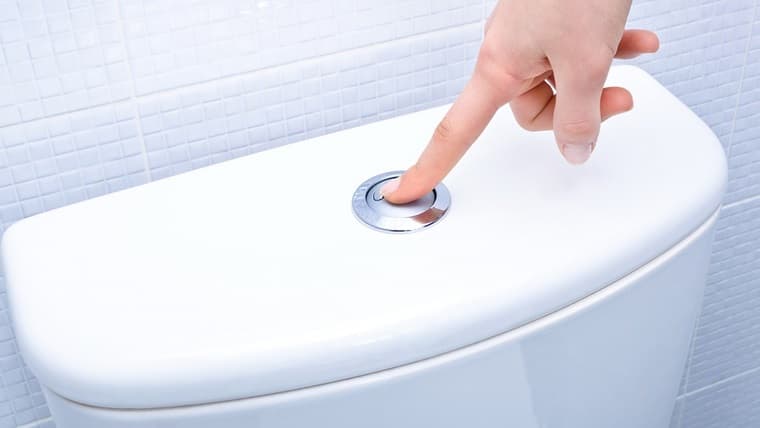
Your toilet is one of the most-used fixtures in your home, so when something goes wrong, it’s not just inconvenient – it can be downright frustrating.
From unexpected leaks to weak flushing, toilet problems can pop up at the worst possible times. Fortunately, most of these issues are common and can be spotted early if you know what to look for.
Whether it’s a toilet that won’t stop running or you need to prevent a toilet from overflowing, recognising the signs can help you act quickly before things get worse.
In this blog, we’ll walk you through five of the most common plumbing issues you can encounter with your toilet, what causes them and what you can do about it. Let’s get started and make sure the water is flowing smoothly.
1. Constantly Running Toilet
A toilet that won’t stop running is more than just annoying – it can waste a surprising amount of water and hike up your water bill.
If you hear the sound of running water long after you’ve flushed, there’s likely an issue inside the tank. The most common culprit is a faulty flapper, which is the rubber seal that lifts to let water flow into the bowl. If it doesn’t close properly, water keeps flowing.
Another possibility is a float that’s set too high, causing the tank to overfill and trigger the overflow tube. Sometimes, it’s just a worn-out fill valve that needs replacing.
These are usually easy fixes. A quick check inside the tank can help you identify the problem. If you're not confident tackling it yourself, a plumber can have it sorted in no time – and save you litres of wasted water every day.
2. Clogged or Blocked Toilet
A clogged or blocked toilet is one of the most common – and frustrating – plumbing problems you can run into. It usually happens when something disrupts the flow of waste through the pipes.
Here’s what you need to know:
Too much toilet paper: Using large amounts in a single flush can cause blockages.
Flushing non-flushables: Items like wipes, sanitary products, or paper towels don’t break down easily and can clog your pipes.
Low-flow toilet issues: Older low-flow models may not have the pressure needed to clear waste effectively.
Plumbing vent problems: If the vent is blocked, air can’t flow properly, which may affect flushing power.
Tree root intrusion: In older homes, roots can grow into pipes and cause blockages.
If a plunger doesn’t do the trick, it might be time to call in a professional plumber to prevent damage.
3. Weak or Partial Flush
Flushed your toilet only to see a disappointing swirl and a weak flush? It’s a common issue – and a frustrating one.
A weak or partial flush usually means your toilet isn’t getting enough water from the tank into the bowl. This could be due to a low water level in the tank, a problem with the flapper not lifting properly, or a partial blockage in the rim jets that help create the flushing power.
Mineral buildup, especially in older toilets, can also restrict water flow. While it might not seem urgent, a weak flush can lead to more frequent clogs and ineffective waste removal over time.
Try checking the tank water level or giving the rim holes a clean. If that doesn’t help, it might be time to call a qualified plumber. They can quickly diagnose the issue and get your flush power back to full strength – no more double flushing needed.
4. Leaking Toilet Base
Noticing water pooling around the base of your toilet? That’s a telltale sign of a leak – and it's something you’ll want to fix quickly to avoid water damage or mould. Here are some common causes:
Worn wax ring: The wax ring seals the toilet to the floor. Over time, it can crack or lose its shape, letting water escape during a flush.
Loose toilet bolts: If the bolts that hold your toilet to the floor come loose, it can break the seal and cause leaking.
Cracked toilet base: Even small hairline cracks in the porcelain can lead to slow leaks.
Condensation confusion: Sometimes, what looks like a leak is just condensation forming on the tank and dripping down.
Shifting floor or uneven surface: If the toilet isn’t sitting level, it could compromise the seal at the base.
If tightening bolts doesn’t solve it, a plumber can help reseal or replace parts as needed.
5. Toilet Tank Not Filling Properly
If your toilet tank isn’t filling up after a flush, it can be annoying – and it usually means something’s not working quite right inside the tank.
Here are a few common reasons:
Faulty fill valve: The fill valve controls how much water enters the tank. If it’s worn out or stuck, the tank won’t fill properly.
Float issues: The float tells the valve when to stop the water. If it’s too low or misaligned, the tank may not fill completely.
Clogged water supply line: Sediment or debris in the supply line can restrict water flow.
Partially closed shut-off valve: Sometimes, the water valve near the wall isn’t fully open, limiting water flow into the tank.
Leaky flapper: If the flapper at the bottom of the tank doesn’t seal properly, water keeps draining before it can fill up.
A quick inspection – or a plumber’s visit – can usually sort it out fast.
Keep the Water Flowing
Toilets are something we all rely on every day, so when something goes wrong, it can throw your whole routine out of whack.
From clogs and leaks to tanks that won’t fill properly, toilet troubles are some of the most common plumbing issues around – but the good news is, they’re usually fixable.
A little DIY might solve a simple blockage or loose bolt, but more complicated problems like a damaged wax seal or faulty internal parts often need a professional touch. The key is to act early before a small issue turns into a bigger, messier one.
So, if your toilet is showing signs of trouble, don’t ignore it – tackle it head-on or call a licensed plumber to get things flowing smoothly again. Your bathroom (and your peace of mind) will thank you.
Looking for something else?
Related articles
The latest industry news, interviews, technologies, and resources.
Editorial Team
•05 Sep 2024
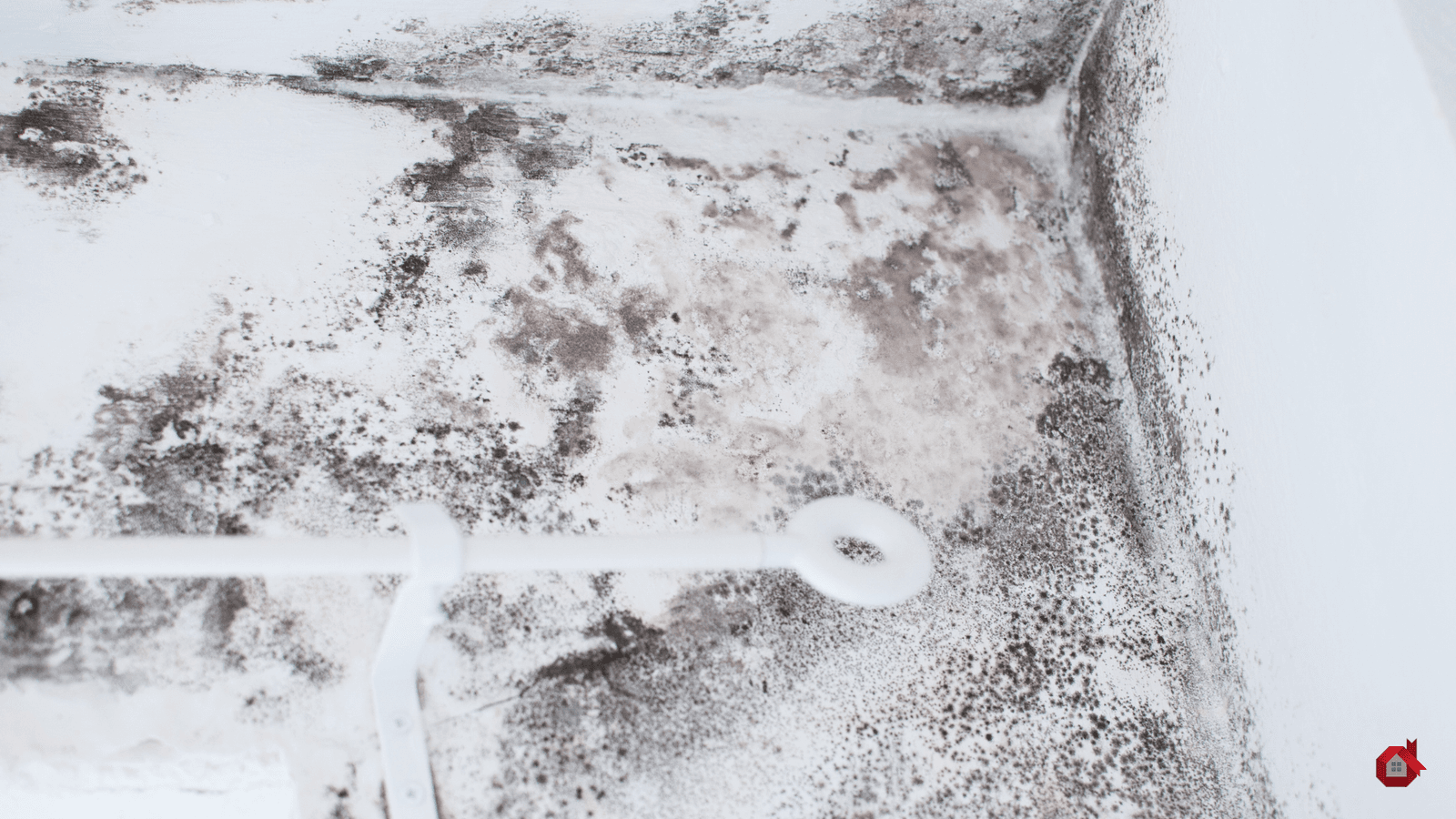
Mould doesn’t just grow any place, any time. It has conditions! Although moisture is the leading cause, mould finds other ways to build its colony. For the homeowner, this can become a serious problem, as mould isn’t only unappealing, but has serious health implications for yourself as well as your friends and family.
Léa Plourde-Archer
•03 Mar 2026
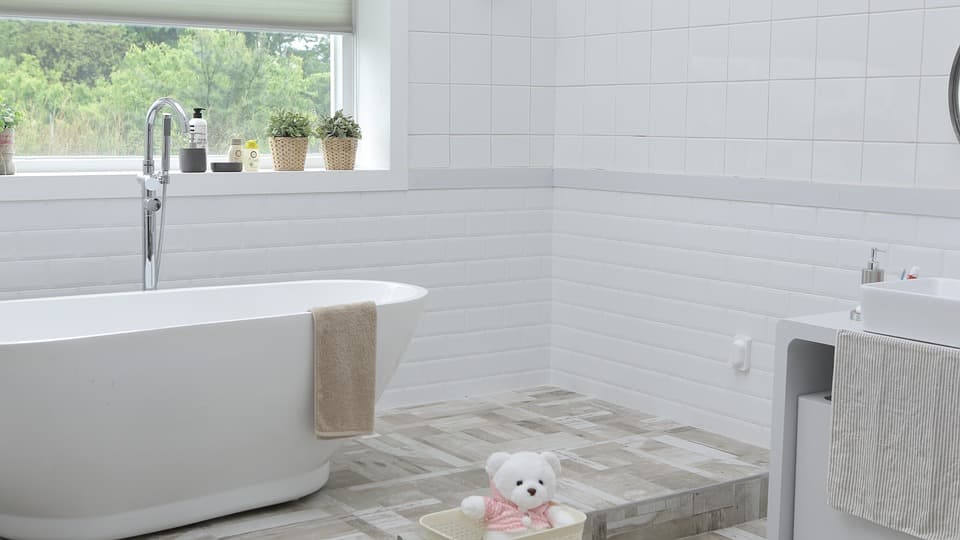
If there is one question that concerns homeowners from the onset of a bathroom renovation project, it’s definitely the price tag. This figure is essential to determine the quality range of the material you can afford and the extent of the project.

Editorial Team
•08 Nov 2023
Your home is an investment and an expensive and important one at that. Of course, signs of damage to any piece of your house would be concerning.
Editorial Team
•05 Sep 2024
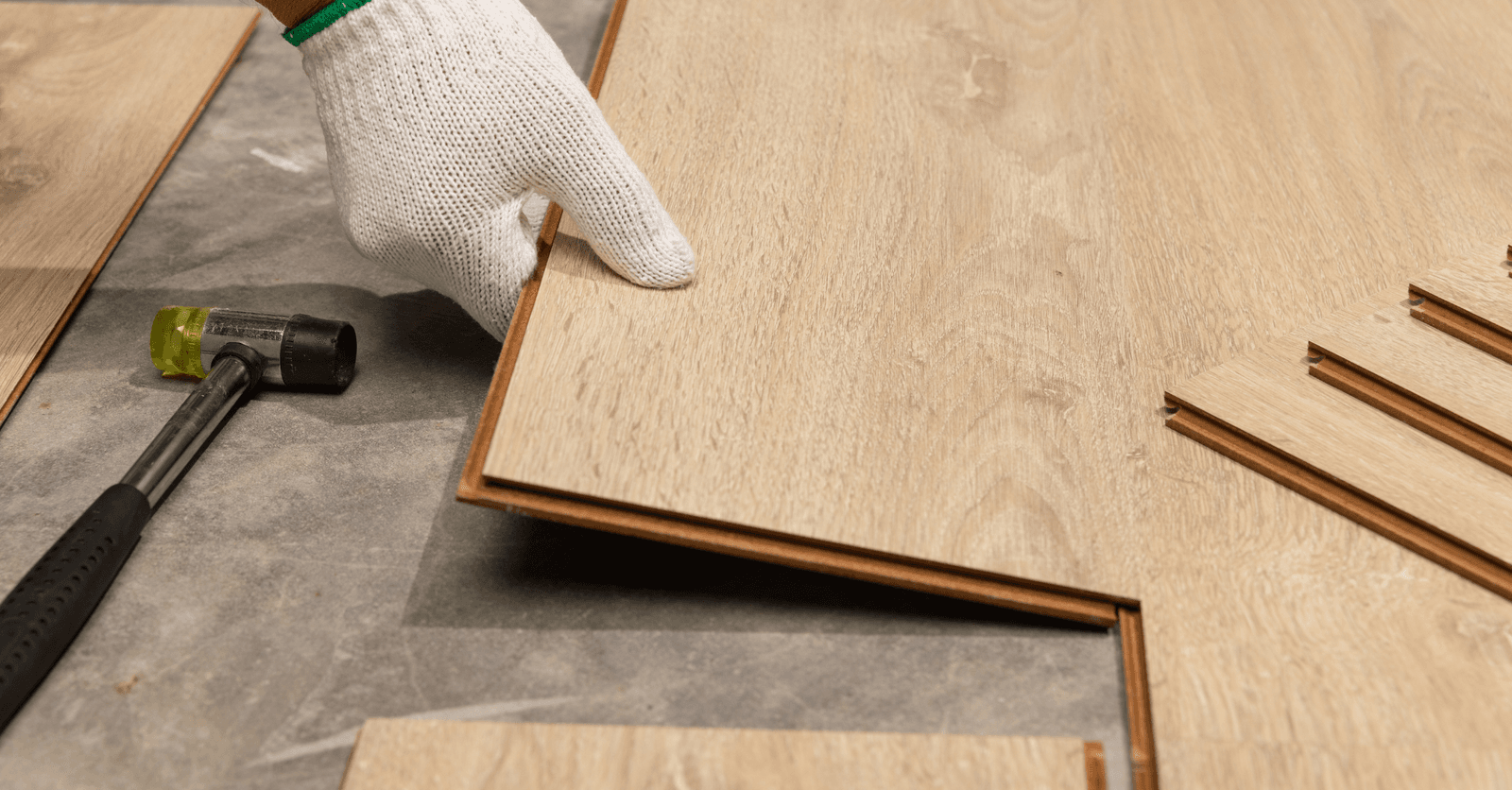
In most rooms, flooring is subject to a lot of wear and tear from constant foot traffic, shifting furniture, falling objects, etc., making it a key surface to consider when designing the floor plan of any room.
Amanda Harvey
•08 Nov 2023
Industrial style is excellent for the homeowner who is looking for a concept that lacks any sort of pretentiousness. The visual appeal and charm of industrial style lie in its ability to showcase utilitarian surfaces, stripped-back architecture and salvaged objects. If you’re looking to celebrate humble materials, then this is the home decor option worth considering!