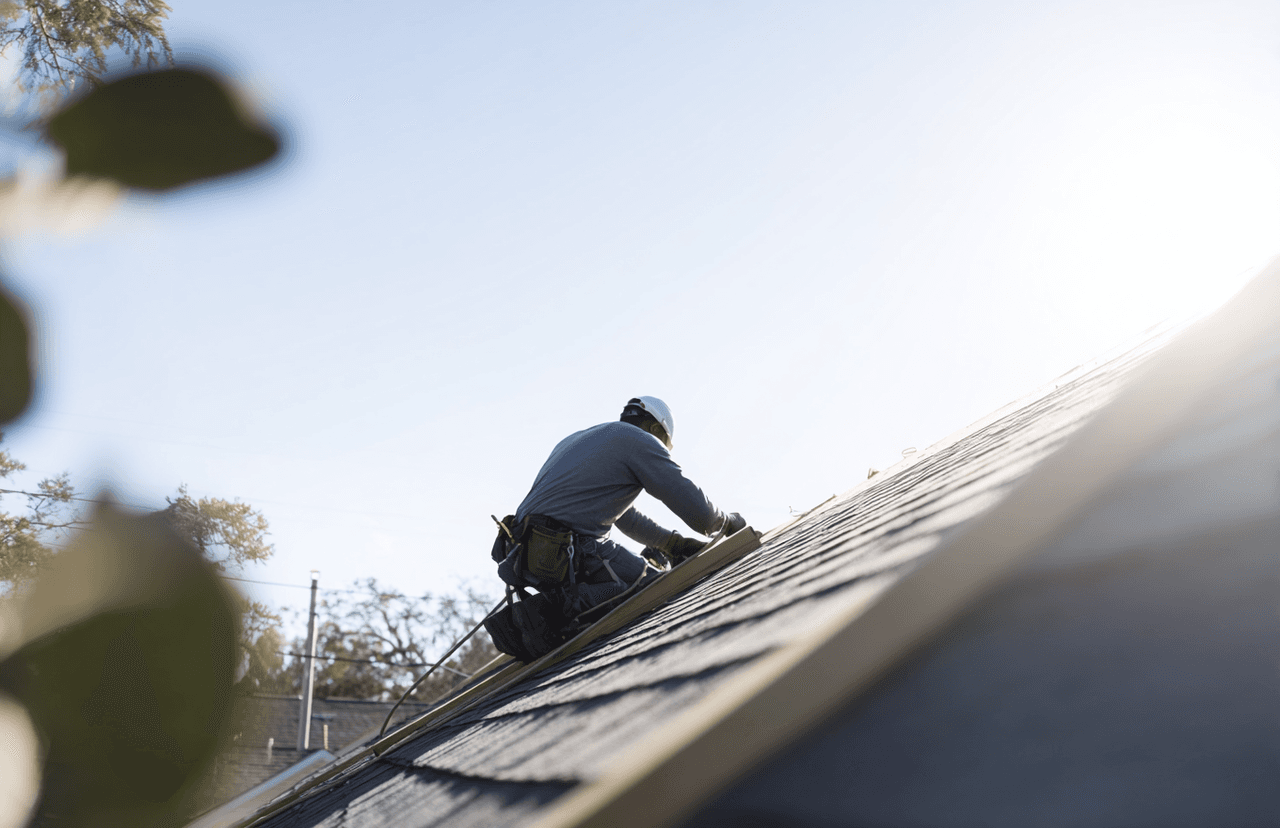
Your roof protects your home from the elements and keeps heat in during winter. Yet, many misconceptions about roofing still circulate. Some myths may lead homeowners to neglect roof maintenance or make poor renovation decisions. In this article, we debunk several popular beliefs, explaining why they are false and which practices to adopt instead.
Myth 1: “An Old Roof Must Automatically Be Replaced”
Source : Toiture skl
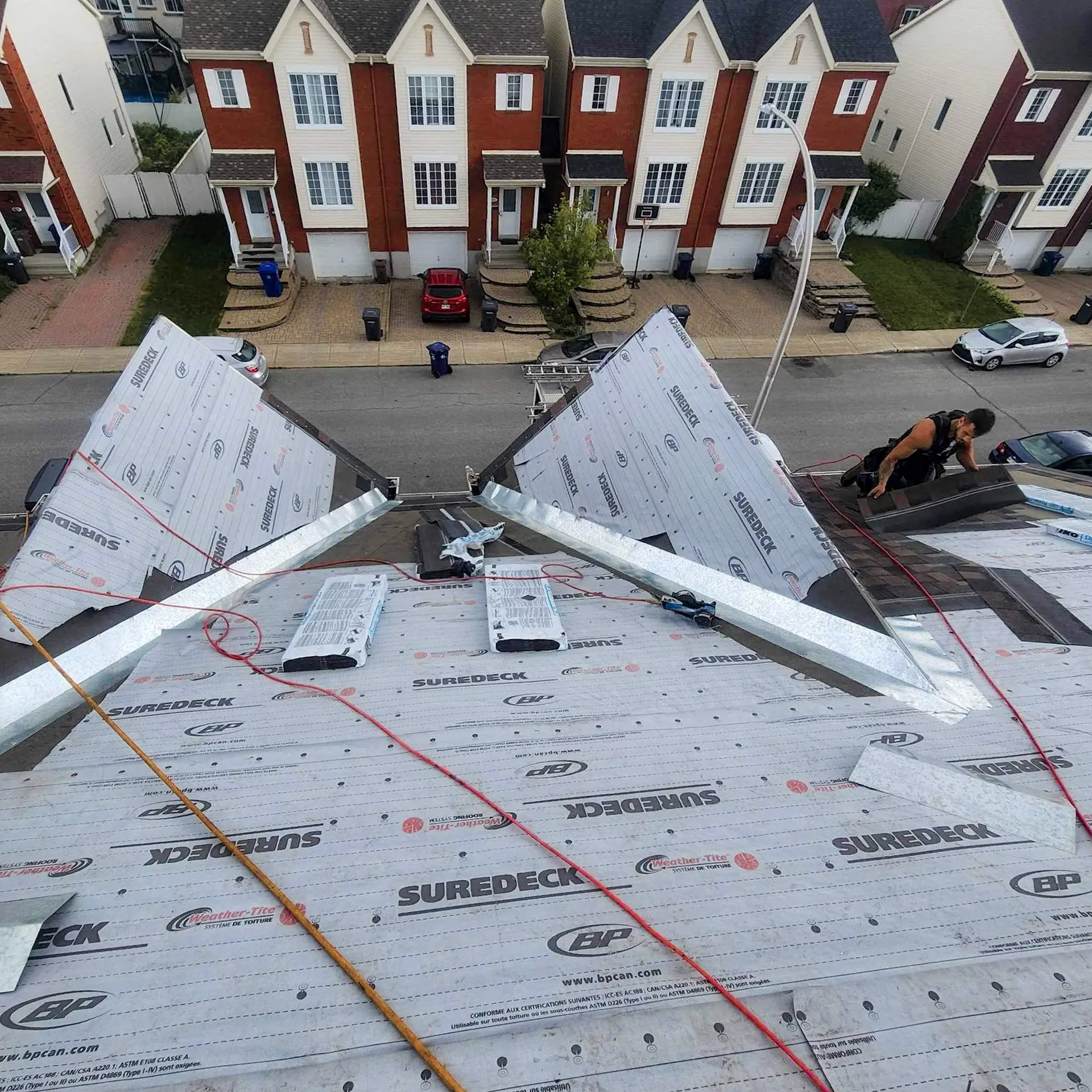
While age is an important factor, it is not the only criterion for deciding if a roof should be replaced. Some materials last longer than others. Asphalt shingle roofs typically last 20 to 30 years, while metal roofs can last up to 50 years. Before deciding to replace a roof, hire a roofer to inspect shingle condition, check the seams, and assess the structure’s integrity. Regular maintenance, such as cleaning gutters and inspecting flashing, can extend a roof’s lifespan.
Myth 2: “More Insulation Always Means a Better Roof”
Good insulation is key to energy efficiency, but too much insulation can harm roof ventilation. Air must circulate to remove moisture that builds up in the attic. Excess insulation can trap moisture, promote mould growth, and damage the frame. The key is to balance insulation and ventilation: install soffits and ridge vents to let air flow while keeping attic temperatures stable.
Myth 3: “Flat Roofs Are Completely Flat and Require No Maintenance”
Source : Couvertures De La Rive-Nord
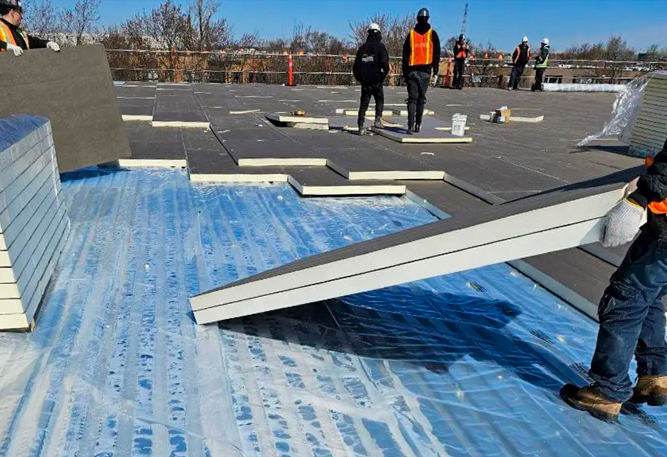
Contrary to popular belief, a flat roof is never perfectly flat. It has a slight slope to ensure water runoff. Flat roofs require regular maintenance to prevent water pooling and cracks. Inspect the membranes, clean the drains, and check for bubbles or wrinkles to avoid water infiltration.
Myth 4: “Metal Roofs Attract Lightning”
Some believe that a metal roof increases the risk of lightning strikes. In reality, metal does not attract lightning any more than other materials. Metal roofs are designed to safely dissipate electrical charges. They are also fire-resistant and can offer better protection against severe weather. If you live in a storm-prone area, consult an electrician about installing a lightning rod to protect the entire structure.
Myth 5: “A Moss Remover Will Permanently Solve the Problem”
Moss removers can temporarily eliminate moss, but they don’t replace regular maintenance. Moss grows in damp, shaded areas. Trim overhanging branches, clear leaves, and ensure gutters work properly. To prevent regrowth, install zinc or copper strips near the ridge—these metals release ions that kill moss.
Myth 6: “A New Roof Doesn’t Need Maintenance”
Even new roofs require regular inspection. High winds, hail, or falling branches can damage new shingles. Check your roof twice a year—spring and fall—for missing shingles or sealing issues. Preventive maintenance costs less than major repairs.
Myth 7: “All Roofers Are the Same”
Source : Les Constructions François Hamel
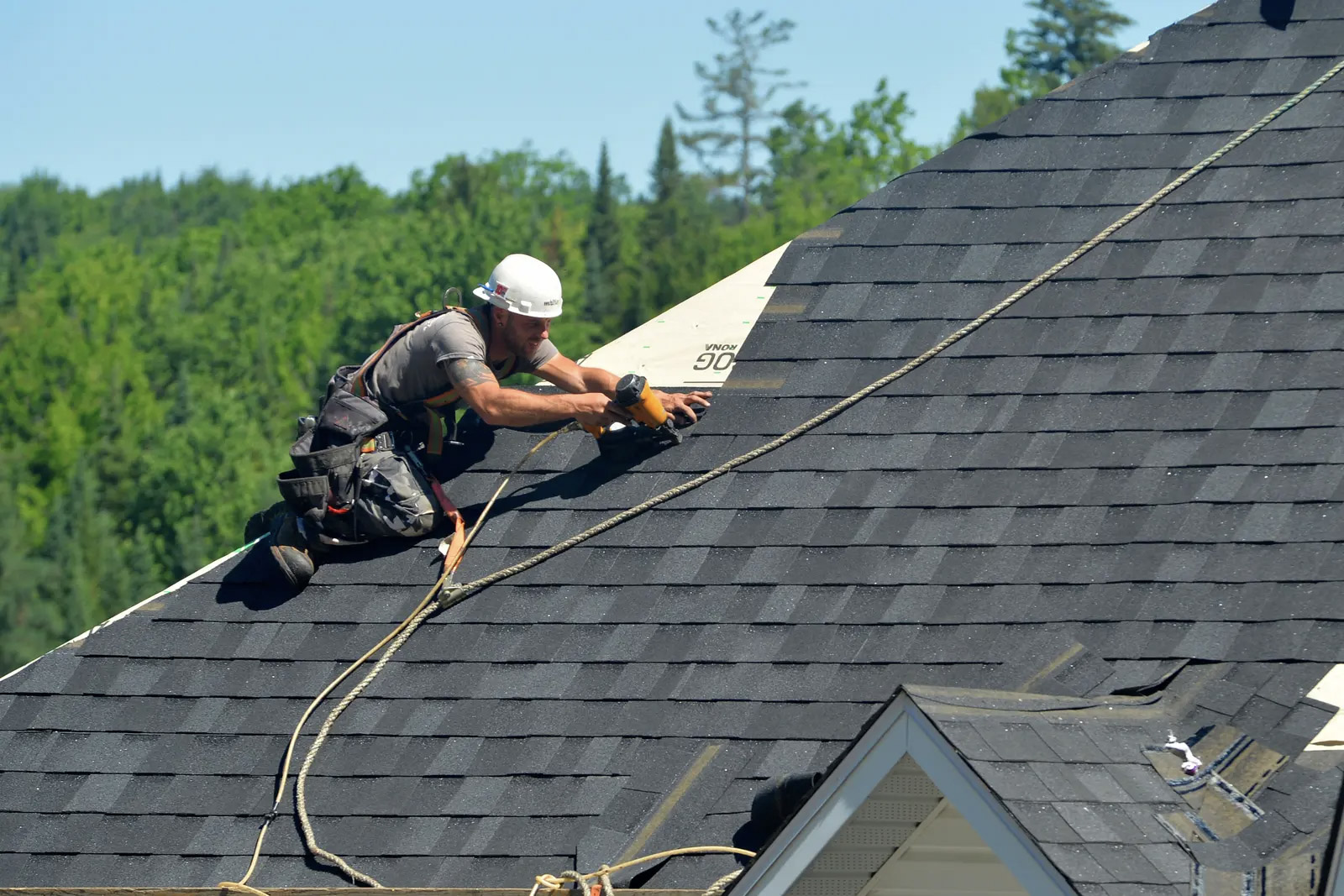
As with any trade, roofers vary in skill and experience. Choosing a certified contractor ensures the work meets standards and materials are properly installed. Ask for references and verify RBQ licenses before hiring a roofer.
By debunking these myths, you can make informed decisions about your roof’s maintenance and renovation. Rely on professional inspections rather than rumours—your roof will thank you.
Looking for something else?
Related articles
The latest industry news, interviews, technologies, and resources.
Editorial Team
•08 Nov 2023
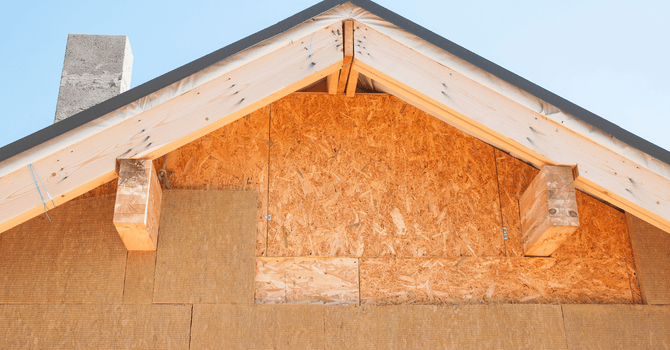
Thermally insulating your roof is absolutely necessary to prevent temperature variations. Since the roof makes up the largest enclosure that’s in direct contact with the outside, thermal losses can reach up to 30% in the event of poor insulation.
Editorial Team
•16 May 2024
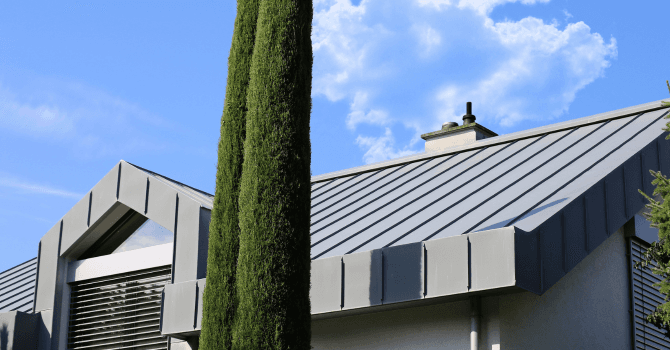
Formerly restricted to commercial, agricultural, and industrial buildings, sheet metal or corrugated metal has, as of late, made its way to the residential sector. On top of having great durability, such roofing material offers a wide range of possibilities in terms of innovative architectural designs. Are you looking to have sheet metal or corrugated metal roofing installed and want more information on the matter? Read on to learn what there’s to know.

Léa Plourde-Archer
•28 Apr 2026
Depending on several factors, installing new floor coverings can either be affordable or incredibly expensive. Here is a list of 9 factors that you should consider to know more about the price of flooring and the reasons that explain why it can vary so much.
Cynthia Pigeon
•11 Jun 2026
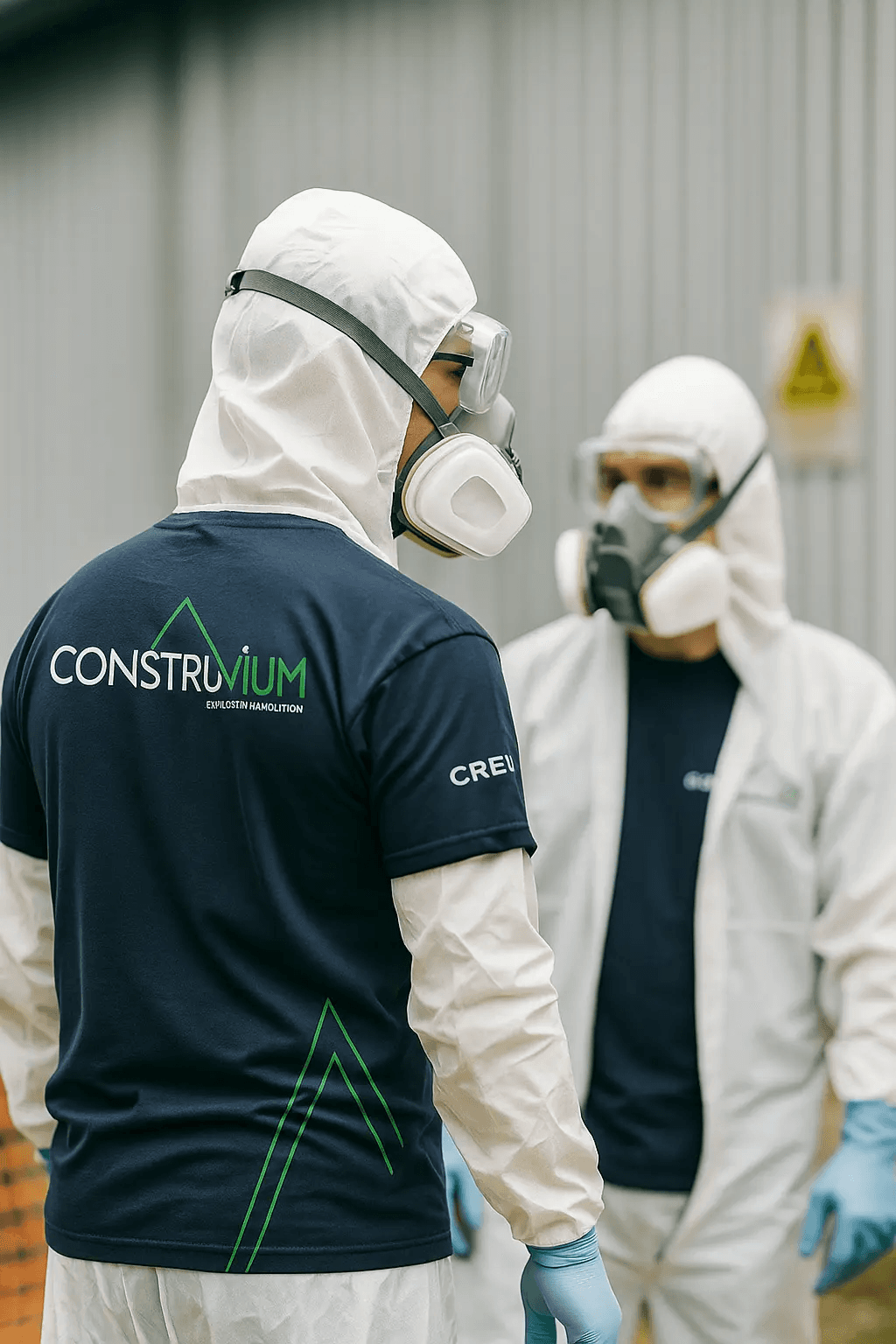
Discovering asbestos in a property naturally raises many questions, both in terms of health and finances. Whether you own a long-standing single-family home, are in the process of buying a property built before the 1990s, or manage a residential or commercial building in Quebec, accurately assessing asbestos removal costs is a crucial step.
Léa Plourde-Archer
•02 Oct 2026
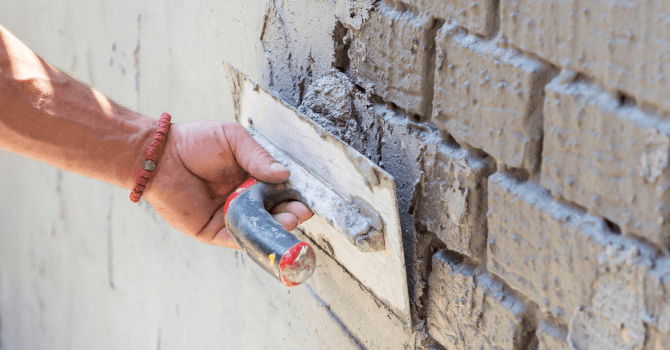
Parging repair costs $3 to $8 per square foot in Canada, and a full removal and reapplication runs $5 to $12 per square foot. For a typical home with 200 to 400 square feet of exposed foundation, that works out to $1,000 to $4,800.