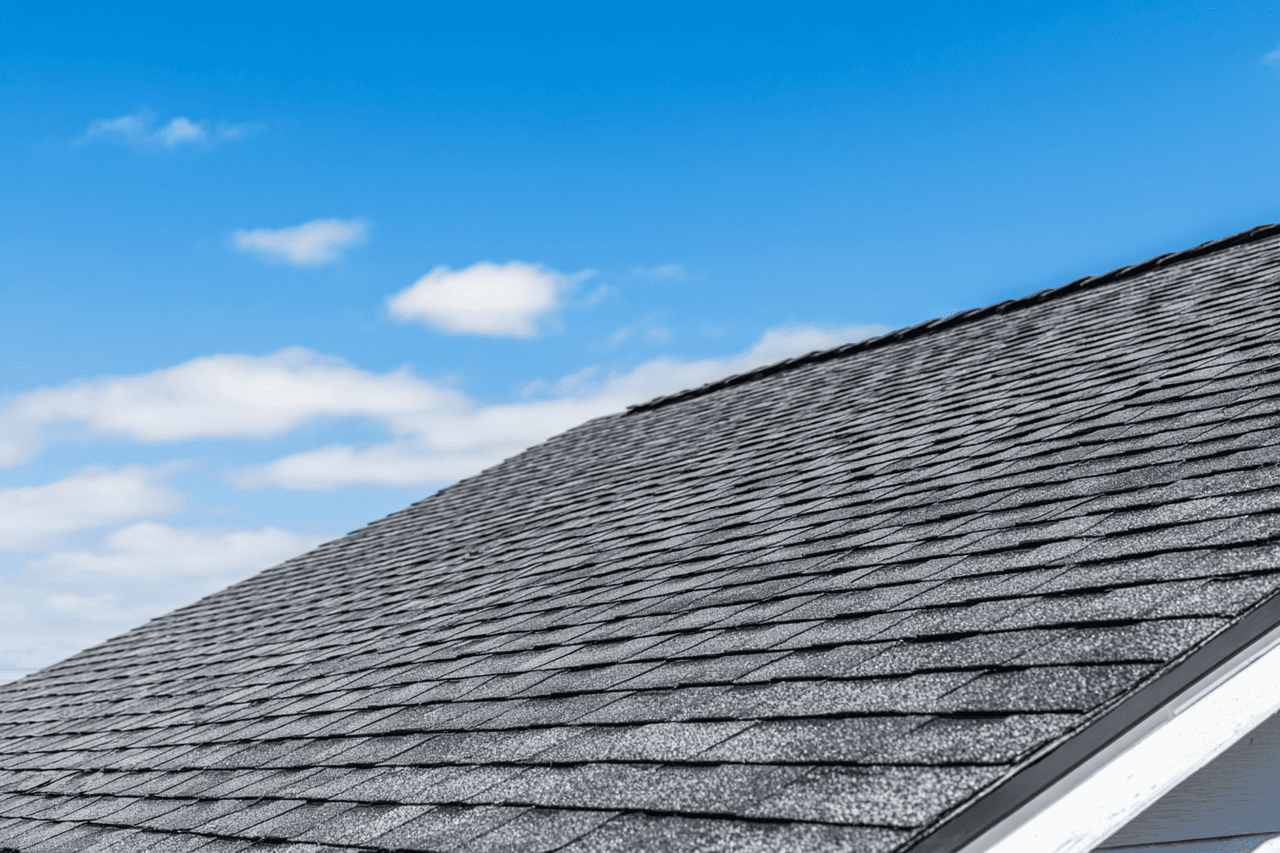
A roof in good condition is essential to protect your home from the elements. Over the years, however, several problems can develop, causing leaks, energy loss, and costly damage. This article lists the most common roofing issues and explains how to detect and repair them.
Get Your Project Started Today
Submit your details and receive three free quotes from trusted contractors.
Missing or Damaged Shingles
Source : LaBoiteC
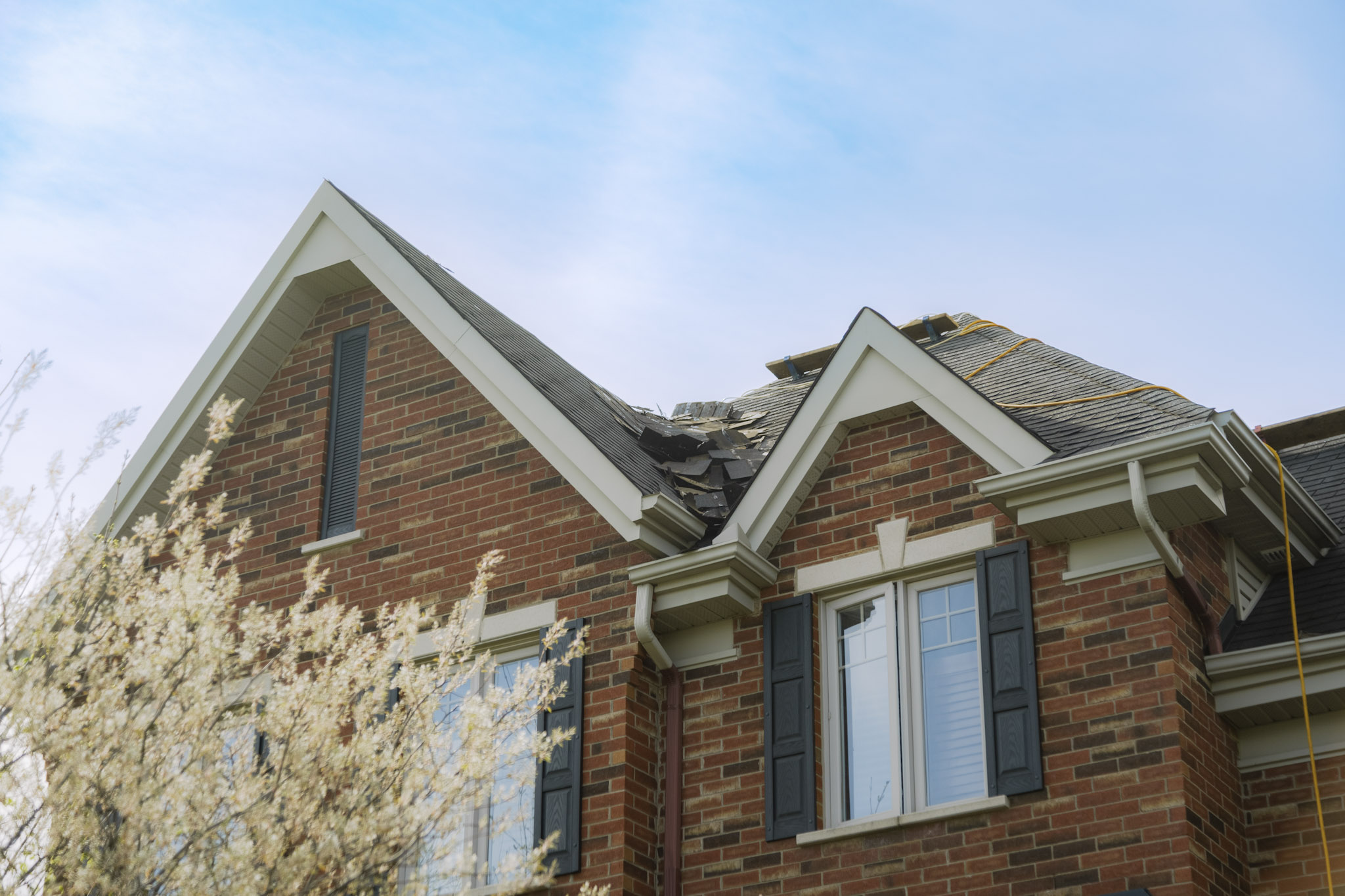
Wind and hail can tear off shingles or crack them. Missing shingles expose the underlayment and increase the risk of water infiltration. Inspect your roof after storms to quickly spot any damage. Replace damaged shingles and use galvanized nails to ensure a secure, long-lasting installation.
Water Leaks and Ceiling Stains
Brown stains on the ceiling often signal a water leak. Water can seep through cracks, poorly sealed joints, or clogged gutters. Check the flashing around chimneys and dormers. Clean the gutters to ensure proper water drainage and repair any cracks in the roof with a suitable sealant.
Ice Buildup and Ice Dams
Source : RenoQuotes
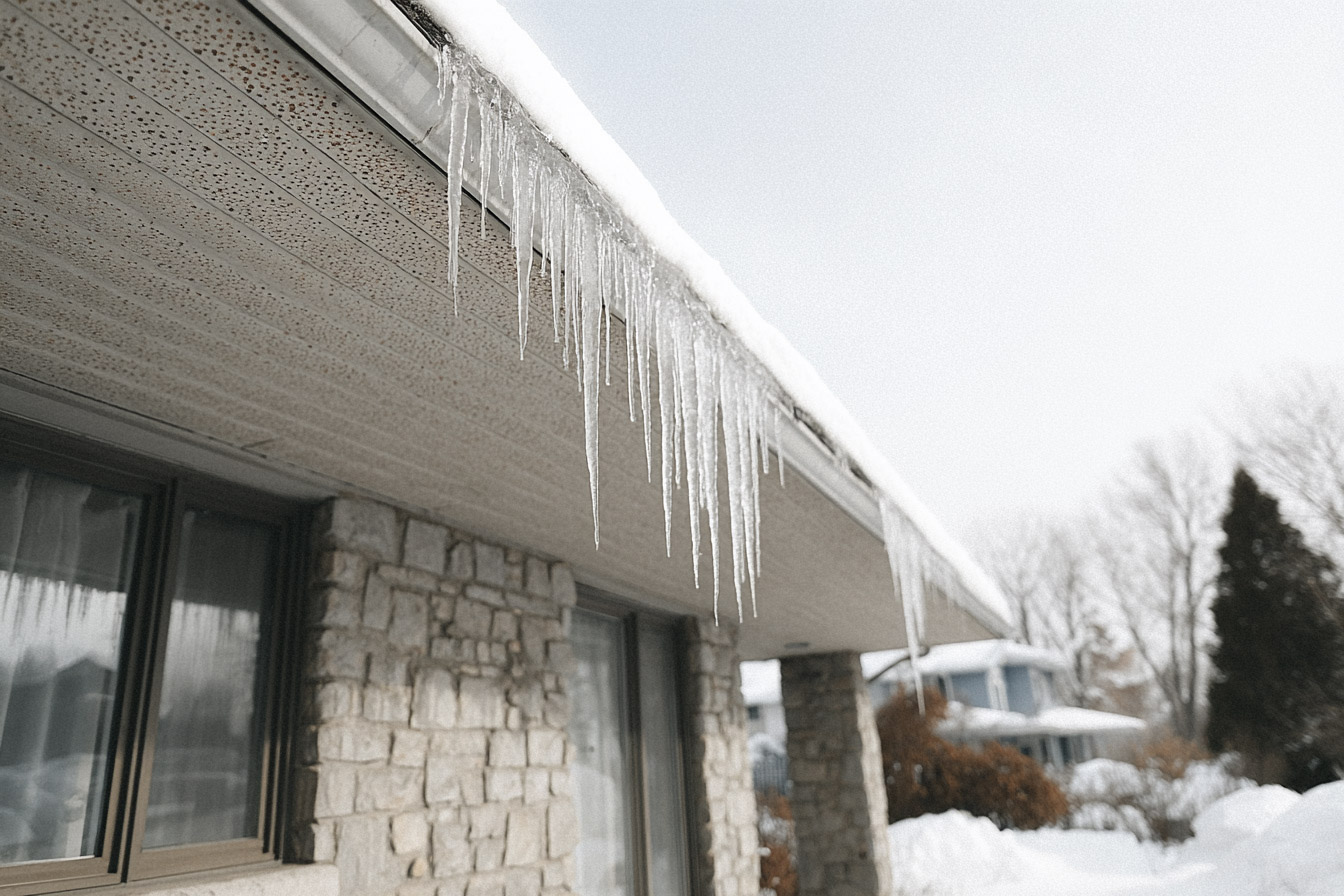
In winter, heat escaping from the attic melts snow on the roof. The water flows toward the edges and refreezes, forming ice dams. These block runoff and cause water to back up under the shingles. To prevent this, properly insulate and ventilate the attic, and install heating cables along the gutters if needed.
Moss and Algae
Moss and algae thrive on roofs exposed to shade and moisture. They hold water and can damage shingles. Use a mild solution (water and vinegar or a fungicide) to clean moss, and install zinc or copper strips to prevent regrowth. Trim surrounding trees to allow more sunlight to reach the roof.
Poor Ventilation
Source : PC Qualité Toits Inc
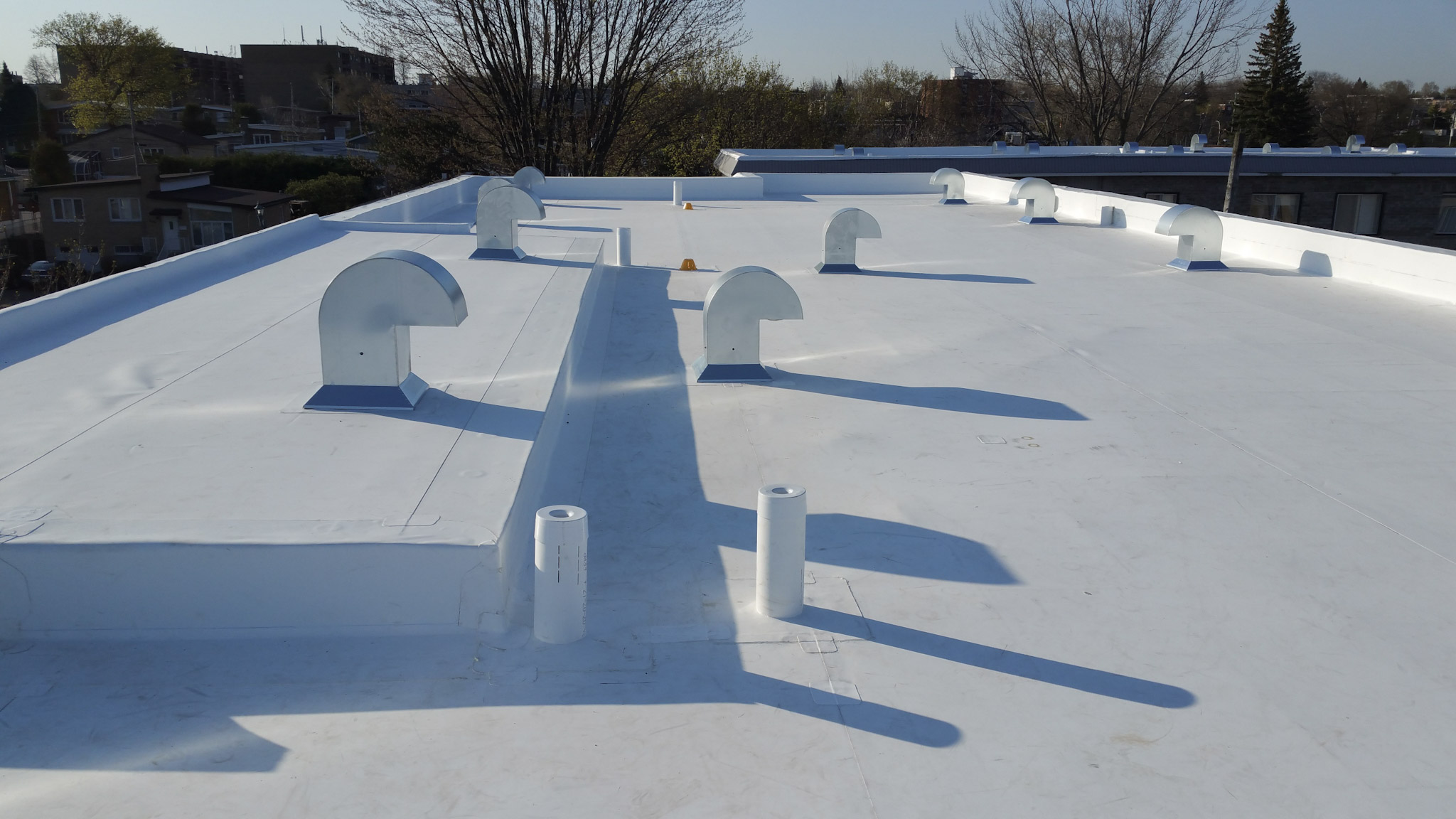
Inadequate ventilation leads to a buildup of heat and moisture in the attic. This can cause mould growth and damage building materials. Make sure soffit and ridge vents allow proper air circulation, and add attic fans if necessary.
Clogged or Damaged Gutters
Blocked gutters prevent water from draining and cause overflow toward the roof and foundation. Clean them in spring and fall. Replace bent or damaged sections. Installing gutter guards can help reduce the buildup of leaves and debris.
Sagging Roof
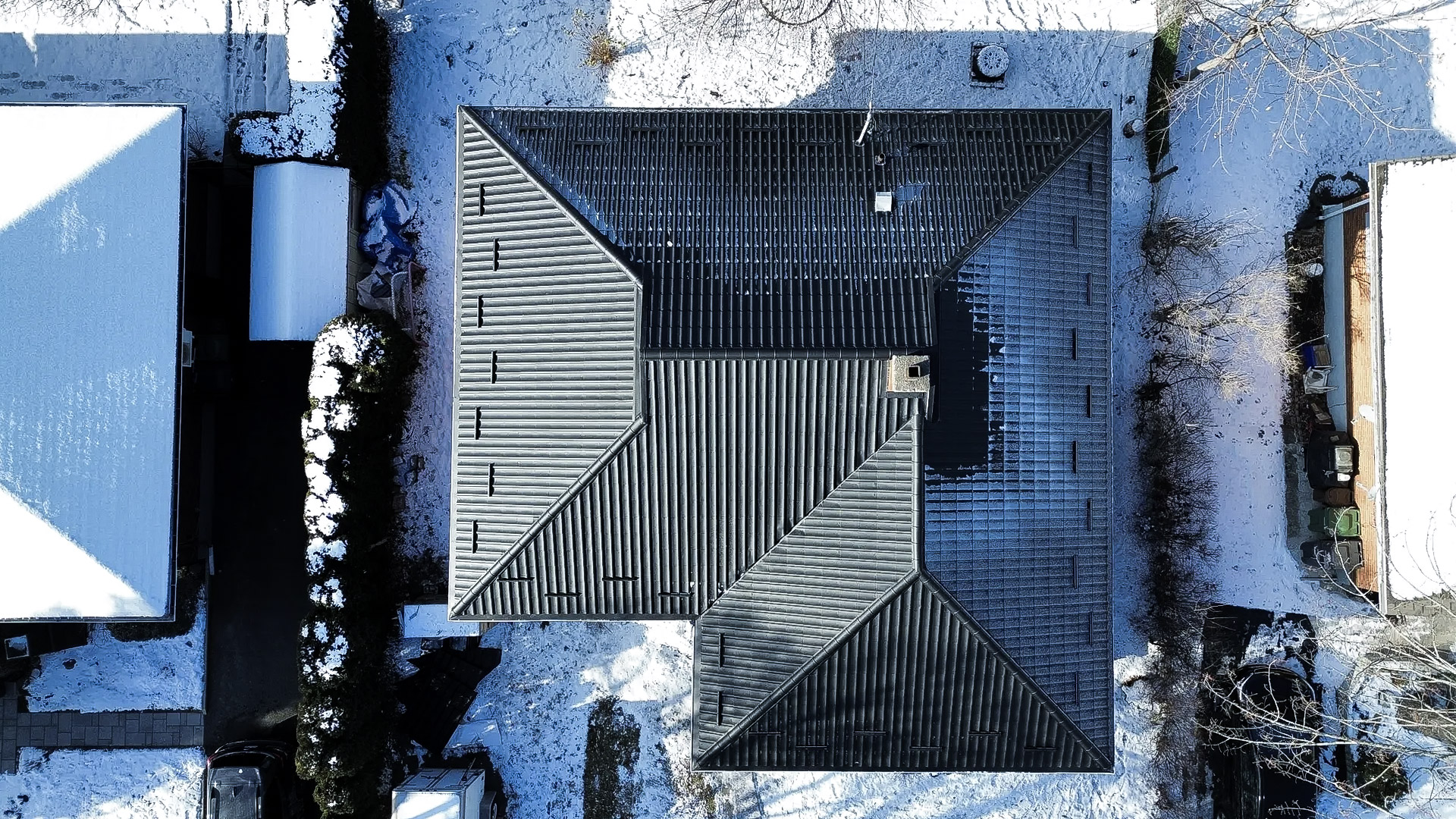
Source : 9398-7410 Quebec Inc.
A sagging roof often signals a structural issue. It can result from an undersized frame, moisture damage, or excess weight (snow, ice). If you notice an unusual dip, have the structure inspected by a professional and replace any damaged components.
Regular attention to these problems will help extend the life of your roof and protect your home. When in doubt, consult a qualified roofing contractor for an accurate diagnosis and tailored solutions.
Looking for something else?
Related articles
The latest industry news, interviews, technologies, and resources.
Editorial Team
•24 Jul 2026
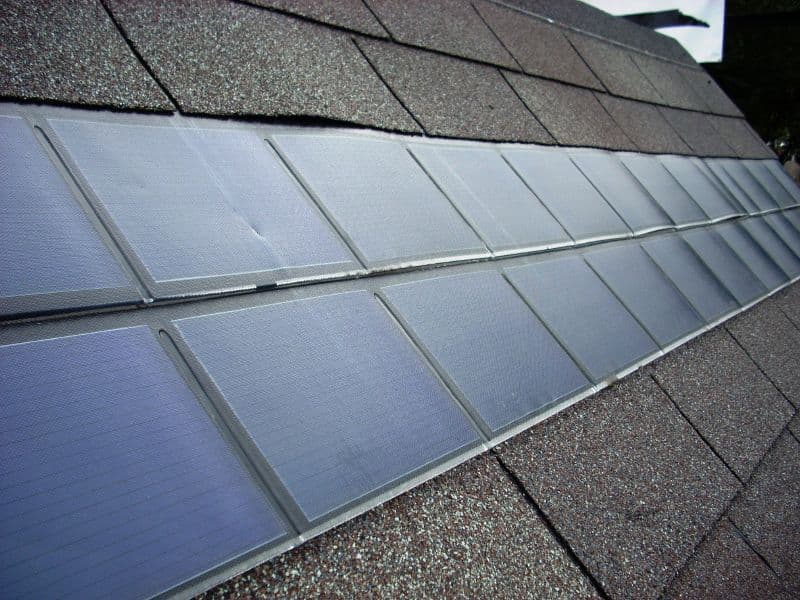
More and more people seem to be switching to renewable energy sources to help power their homes or to decrease their dependency on traditional sources. While solar panels are still very much the go-to option for solar generation, a relatively new form may change the way we implement photovoltaic cells on our homes and those are solar shingles.
Editorial Team
•29 Jan 2026
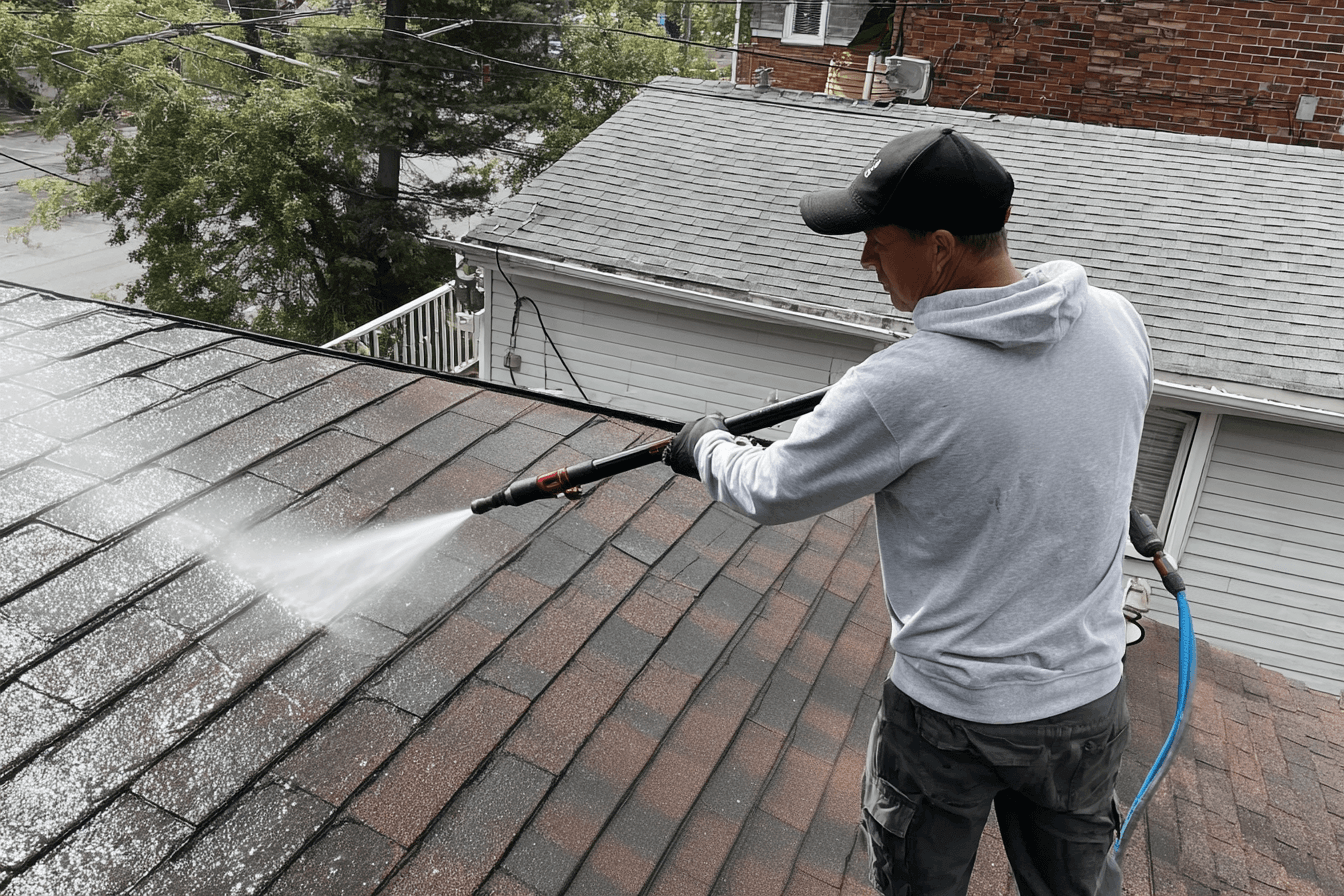
After winter, your roof has endured snow, ice, and harsh weather. Early spring is the ideal time to plan your roof inspection and cleaning—and to book a contractor in advance before the season gets busy. Annual maintenance not only prevents damage but also extends the lifespan of your roofing, enhances its appearance, and protects your home’s structure. By planning ahead, you ensure a timely, safe, and effective cleaning.
Cynthia Pigeon
•10 Sep 2026
The cost of kitchen cabinet refacing in Canada in 2026 generally ranges from $2,500 to $8,500, including installation, for an average-sized kitchen. This option can save homeowners approximately 30% to 50% compared to a full cabinet replacement, while still giving the kitchen a fresh, modern look. The final price depends mainly on the material selected, the number of cabinet doors and drawers, the condition of the existing cabinet boxes, and the complexity of the hardware and installation.
Amanda Harvey
•08 Nov 2023
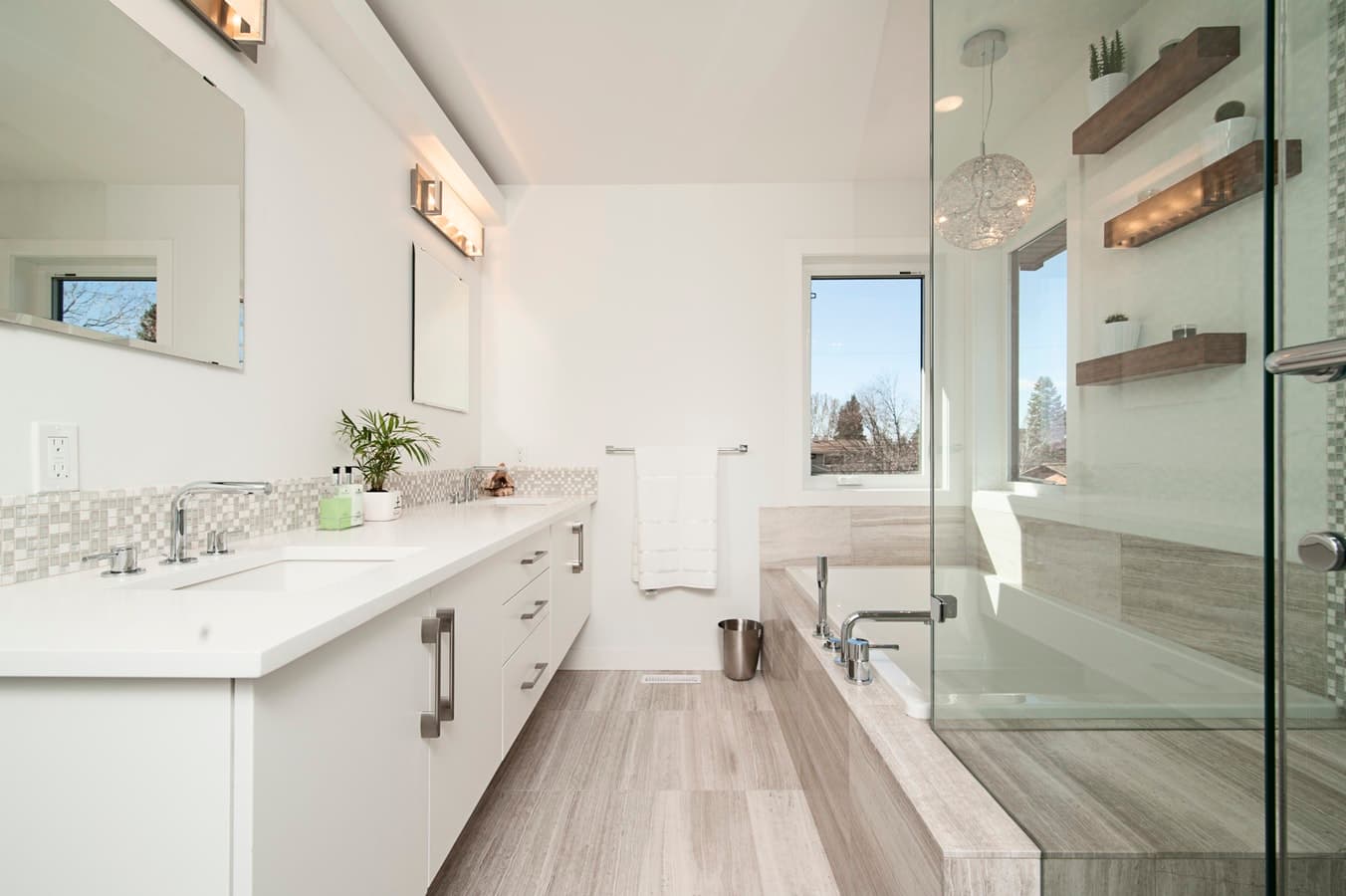
When you think about your bathroom, you may not consider it a space with futuristic potential. The possibilities of our world have expanded as a result of technology, and of course, your home is the next logical step when it comes to enhancing your lifestyle.
Cynthia Pigeon
•04 Sep 2026
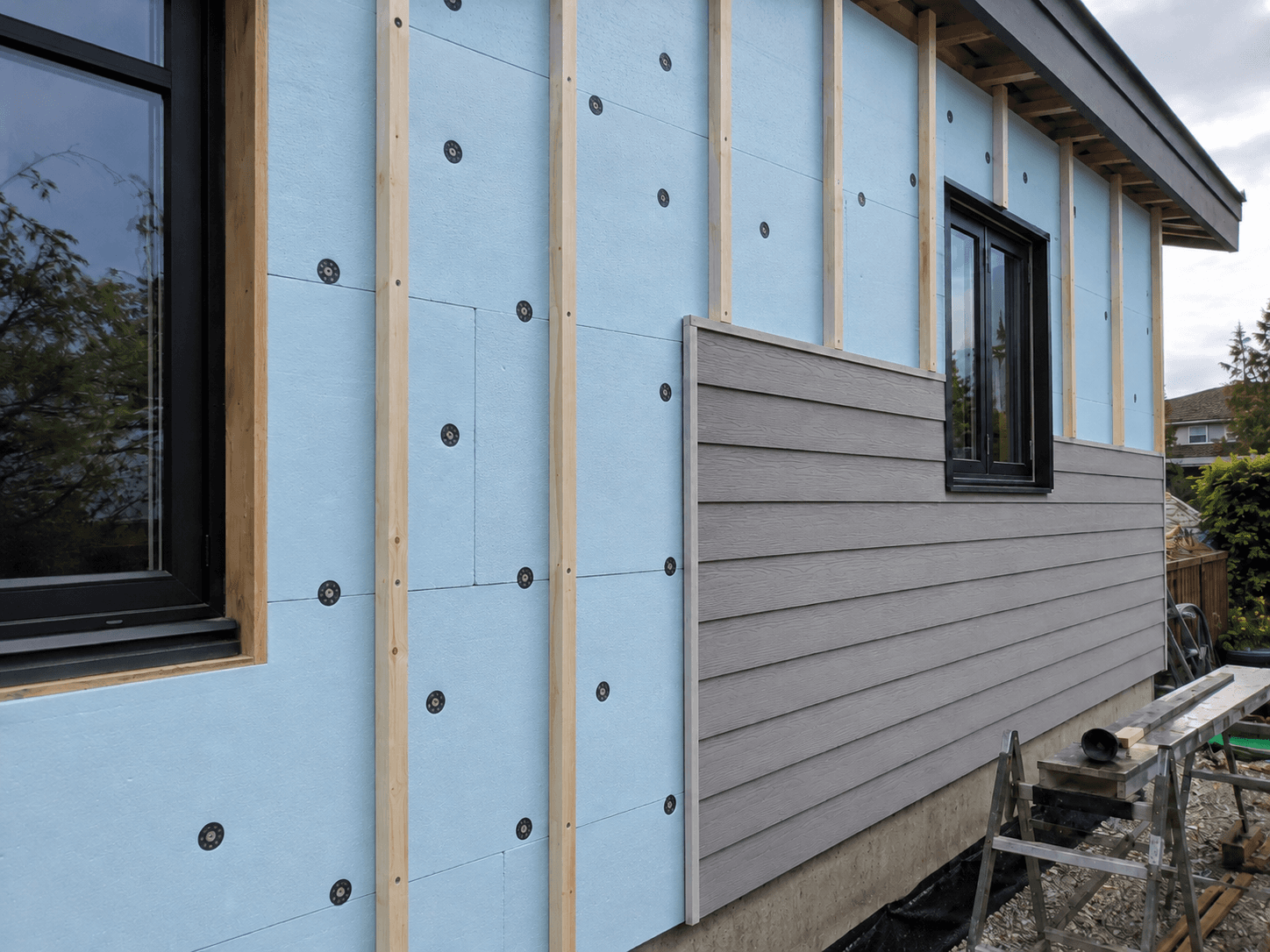
Replacing the exterior siding on a single-family home, a 1970s bungalow, or a century-old house is an ideal opportunity to improve the building’s energy efficiency. Instead of limiting the project to a cosmetic upgrade, removing old vinyl, CanExel, or aluminum siding provides direct access to the exterior wall assembly.