Common Red Flags to Spot in Contractor Bids Before Signing
By Cynthia Pigeon
Updated on August 13, 2026

Residential renovation represents a significant part of Canada’s housing economy. Disputes can arise from poorly written documents, ambiguity around materials, or misunderstandings about financial terms. Whether you are insulating a basement to handle harsh winter conditions, installing a new heat pump, or renovating a kitchen, a successful project starts with one crucial document: the contractor quote.
In Quebec, residential renovation is one of the sectors for which the Office de la protection du consommateur (OPC) provides consumers with information about their rights and recourse options.
A quote is more than a simple preliminary estimate: once accepted and signed by both parties, it can form part of a legally binding contract. To help avoid major cost overruns or lengthy disputes, this guide breaks down the traps and mistakes to look for before signing.
The Most Common Traps in a Renovation Quote
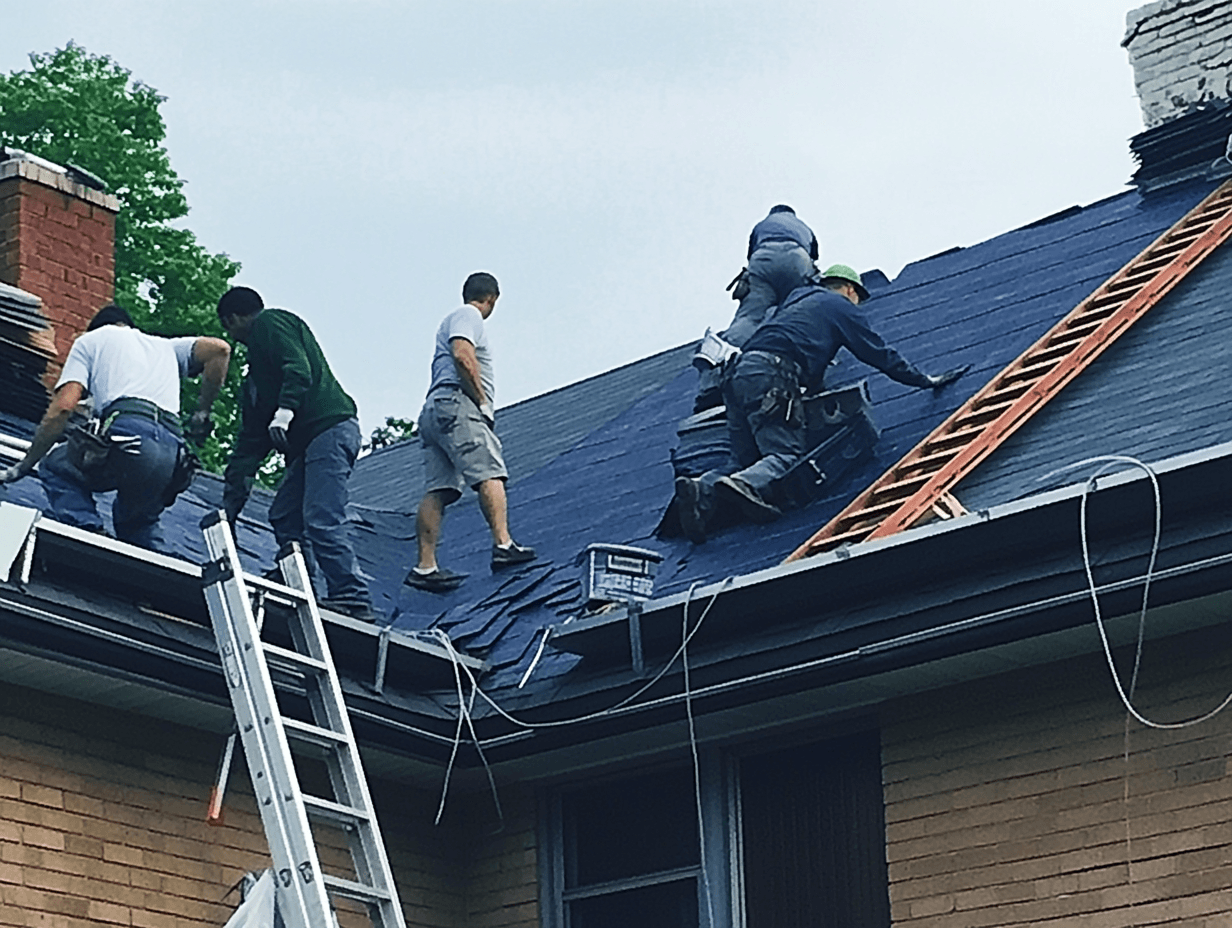
Source: RenoQuotes
When homeowners are eager to get a project underway, it can be tempting to focus only on the total at the bottom of the final page. However, the details in the body of the quote are often where unexpected costs arise.
Vague descriptions: Major source of extras
Taxes not clearly stated: Unexpected GST/HST or provincial sales tax
Missing exclusions: Bin rental, permits, demolition
Excessive deposit: Reduced financial leverage
Scope of Work That Is Too Vague or Incomplete
One of the most common mistakes is accepting a quote that describes the project in only a few vague lines. A statement such as “Complete bathroom renovation: $18,000” does not provide adequate detail.
To prevent ambiguity, the work, materials, quantities, and exclusions should be described as precisely as possible. If the quote does not specify brands, models, quantities, or surface preparation requirements, the contractor may select less premium materials than you expected, provided they still comply with the contract and applicable requirements.
Across Canada, materials and construction methods must be appropriate for the building’s location, the intended use of the assembly, and the applicable building-code requirements, particularly with respect to insulation, waterproofing, and moisture management. In Quebec, the applicable requirements include those established under the Quebec Construction Code. If specifications are missing from the quote, you may later be asked to pay extra for a product that better matches your expectations.
Make sure the quote clearly identifies:
Each stage of the work, including demolition, framing, electrical, plumbing, and finishing
Quality, type, and exact brand of the materials supplied
Clear schedule indicating the expected start date and estimated project duration
For a clear and structured document from the outset, consider requesting a detailed renovation quote from experienced professionals.
Taxes That Are Missing or Not Clearly Presented
The taxes charged on construction and residential renovation work depend on the province or territory. Depending on where the property is located, the contractor may charge GST, HST, and/or applicable provincial sales tax.
In Quebec, construction and residential renovation work is generally subject to 5% GST and 9.975% QST, for a combined tax rate of 14.975%.
A common issue occurs when a contractor presents an attractive total without clearly indicating whether taxes are included or will be added. The quote should state this explicitly. Before signing, verify the applicable taxes and the total amount you will actually have to pay.
For example, in Quebec:
Price shown on the quote: $20,000.00
GST (5%): $1,000.00
QST (9.975%): $1,995.00
Actual total payable: $22,995.00
Impact on the budget: Nearly $3,000 more than the quoted pre-tax price
Businesses generally have to register for GST/HST once they exceed the federal small-supplier threshold based on taxable supplies. Provincial registration requirements may also apply depending on the jurisdiction.
In Quebec, an entrepreneur must generally register for GST and QST when their taxable supplies, together with those of their associates where applicable, exceed $30,000 during a single calendar quarter or over the previous four consecutive calendar quarters. If a contractor charges sales taxes, verify the applicable registration numbers. The information required on an invoice or supporting document can vary depending on the amount and type of transaction. Missing tax numbers when taxes are being charged should be investigated, but their absence alone does not establish that the contractor is working illegally.
Missing Construction and Demolition Exclusions
A thorough quote should not only identify what the contractor will do. It should also clearly state what is not included. A quote with no exclusions section deserves closer attention.
Commonly overlooked costs include:
Debris removal and bin rental: Demolition can generate a large volume of waste. If disposal is excluded, bin rental and disposal fees can add hundreds or even thousands of dollars to the project.
Building and renovation permits: Permit requirements and application procedures vary by municipality, province, and project. The contract should specify who is responsible for obtaining the necessary permits and paying the associated fees.
Property protection: Heavy equipment can damage lawns, landscaping, driveways, and other surfaces, particularly during wet spring conditions. Is restoration included?
Adjacent drywall and paint touch-ups: After replacing windows or opening walls, does the price include repairing and refinishing the surrounding interior surfaces?
Before signing, consult a construction cost-estimating guide to help determine whether the typical project expenses are reflected in the proposal.
Legal and Administrative Details to Check

Source: Clay Banks
Beyond price, reviewing a contractor quote also involves checking whether the business holds the licences, registrations, insurance, and other qualifications required in your province or municipality.
Administrative checklist:
Required contractor licence or registration: Requirements vary by province and trade
Licence categories appropriate for the work
Verification of licence status through the applicable provincial authority (RBQ in Quebec)
Deposit at signing: Keep the initial deposit as low as reasonably possible and use progress payments
Applicable tax registration numbers
Valid liability insurance coverage
Missing, Invalid, or Inappropriate Contractor Licensing
Contractor licensing and trade certification requirements vary considerably across Canada. Homeowners should verify the requirements that apply in their province and municipality, as well as any specific requirements for regulated trades such as electrical and plumbing work.
In Quebec, the Loi sur le bâtiment requires contractors performing work covered by the legislation to hold the appropriate licence issued by the Régie du bâtiment du Québec (RBQ). The RBQ licence number consists of 10 digits and must appear on various business documents and advertising materials.
Working with an unlicensed contractor can create significant risks.
Licence security: In Quebec, licensed contractors generally have to provide licence bond of $40,000 for general contractor subclasses and $20,000 for specialized contractor subclasses. Eligible clients who suffer losses related to non-performance or improper performance may be compensated, subject to the applicable claim requirements.
Insurance complications: Having work performed by an unlicensed individual may create additional risks or complicate an insurance claim. However, whether a loss is covered ultimately depends on the terms and exclusions of the homeowner’s insurance policy.
In Quebec, do not simply rely on the number printed on the quote. Verify it through the official Régie du bâtiment du Québec (RBQ) registry and confirm that the licence subclass corresponds to the work being performed.
Examples of Quebec RBQ licence subclasses include:
Building additions: Licence 1.2 or 1.3, depending on the type of building — general contractor
Specialized structural work: Appropriate subclass depends on the specific work
Electrical work: Licence 16.0 — electrical contractor
Plumbing work: Licence 15.5 — plumbing contractor
Roofing work: Licence 7.0 — roofing contractor
Outside Quebec, consult the appropriate provincial, territorial, or municipal authority to determine which licences and trade qualifications apply.
An Excessive Deposit at the Time of Signing
One of the biggest risks for homeowners is paying too much before work has begun. A contractor may request a deposit of 30%, 40%, or even 50% of the total contract price to purchase materials. If a large amount has already been paid, the homeowner has less financial leverage if the project is delayed or the contractor fails to perform the work.
A safer approach is to:
Keep the initial deposit as low as reasonably possible.
Agree in advance on progress payments tied to completed stages of work.
Avoid paying substantially ahead of the work performed.
In Quebec, the Office de la protection du consommateur recommends paying the smallest possible deposit and making subsequent payments as the work progresses. It also suggests retaining a final payment representing approximately 10% to 15% of the total cost until the work is complete.
For more information on Quebec consumer rights when hiring a contractor, consult the Office de la protection du consommateur (OPC).
A high deposit is not automatically fraudulent, particularly when expensive or custom-made materials must be ordered. However, the amount should be clearly justified in the contract and connected to legitimate project costs.
How to Compare Contractor Quotes Effectively
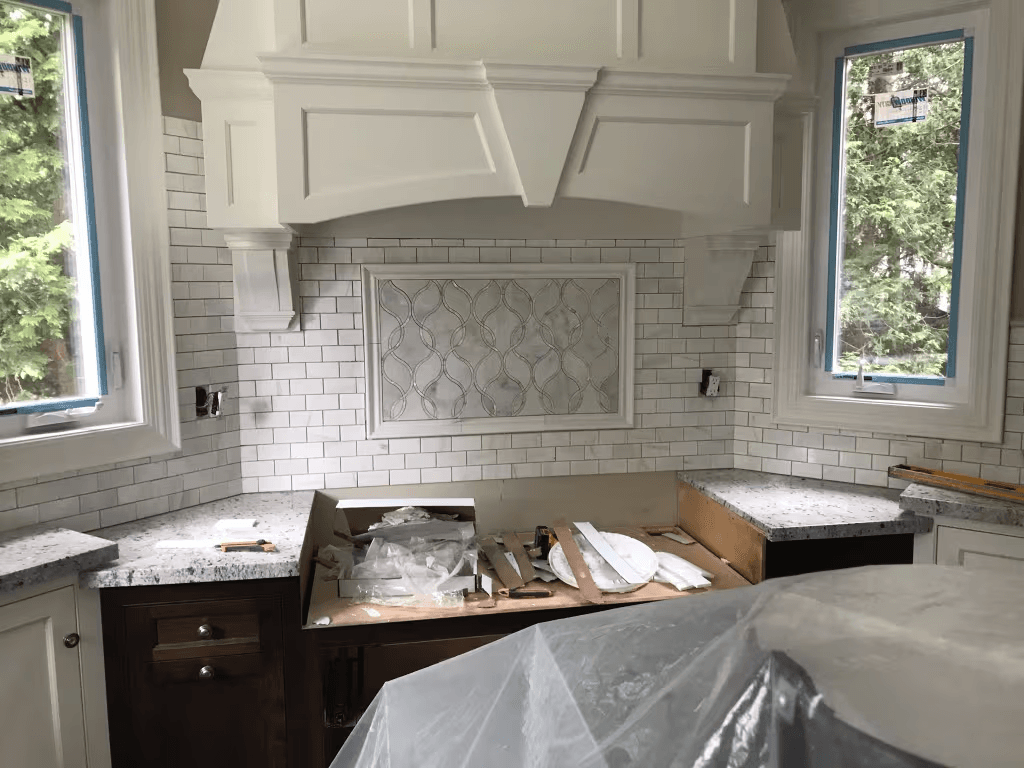
Source: E-CO HOME RENOVATIONS
Whenever possible, obtain several written quotes from different contractors so you can compare prices, materials, inclusions, exclusions, and payment terms. Receiving multiple documents is only useful, however, if you are comparing them on an equivalent basis.
Prepare the same scope of work for every contractor. It should specify:
The exact dimensions of the room, addition, or work area.
The materials you want, such as maple hardwood flooring, 12 x 24 tile, or quartz countertops.
Any special constraints, such as an older home requiring framing repairs or foundation drainage work.
Item to Compare | Quote A | Quote B | Quote C |
Required licence/registration verified | Yes | Yes | No |
Total price including applicable taxes | $32,500 | $34,000 | $24,500 |
Detailed materials and brands | Very detailed | Moderate | Very vague |
Deposit required at signing | 10% | 15% | 40% |
Exclusions clearly identified | Yes (permit and bin) | Yes (permit) | No exclusions |
Liability insurance provided | Yes ($2M) | Not specified | Not specified |
Organizing the quotes in a comparison table makes financial discrepancies and missing information much easier to identify. To connect with professionals whose credentials and insurance have been reviewed, you can find a general contractor.
Risk of Choosing Price-Based Quotes Only
One of the costliest mistakes homeowners can make is automatically choosing the lowest quote.
When one quote is significantly cheaper than the others, examine the reason for the difference before making a decision. A large gap may result from material choices, exclusions, different labour estimates, or missing items.
Why might a contractor quote be unusually low?
A low initial quote (a "bait" quote): A quote may be deliberately underestimated to secure the contract before additional costs are proposed during construction. Any change to the scope or price should be clearly explained, approved, and documented.
Unqualified subcontractors: Trade qualification and certification requirements vary across Canada. Contractors should ensure that workers performing regulated work have the licences, certifications, or qualifications required in the applicable province. In Quebec, when work is subject to the Loi R-20, workers must comply with the applicable qualification and competency-certificate requirements. However, certain residential renovations carried out for an owner-occupant fall outside the scope of that legislation.
Underestimating Canadian climate requirements: Cutting corners on air barriers, insulation, waterproofing, or other building-envelope components can substantially increase the risk of condensation, mould, heat loss, and water infiltration, potentially resulting in costly repairs.
Choosing a realistic quote with clearly defined materials, inclusions, exclusions, and payment terms provides far greater protection than simply selecting the lowest number.
Key Steps Before Signing
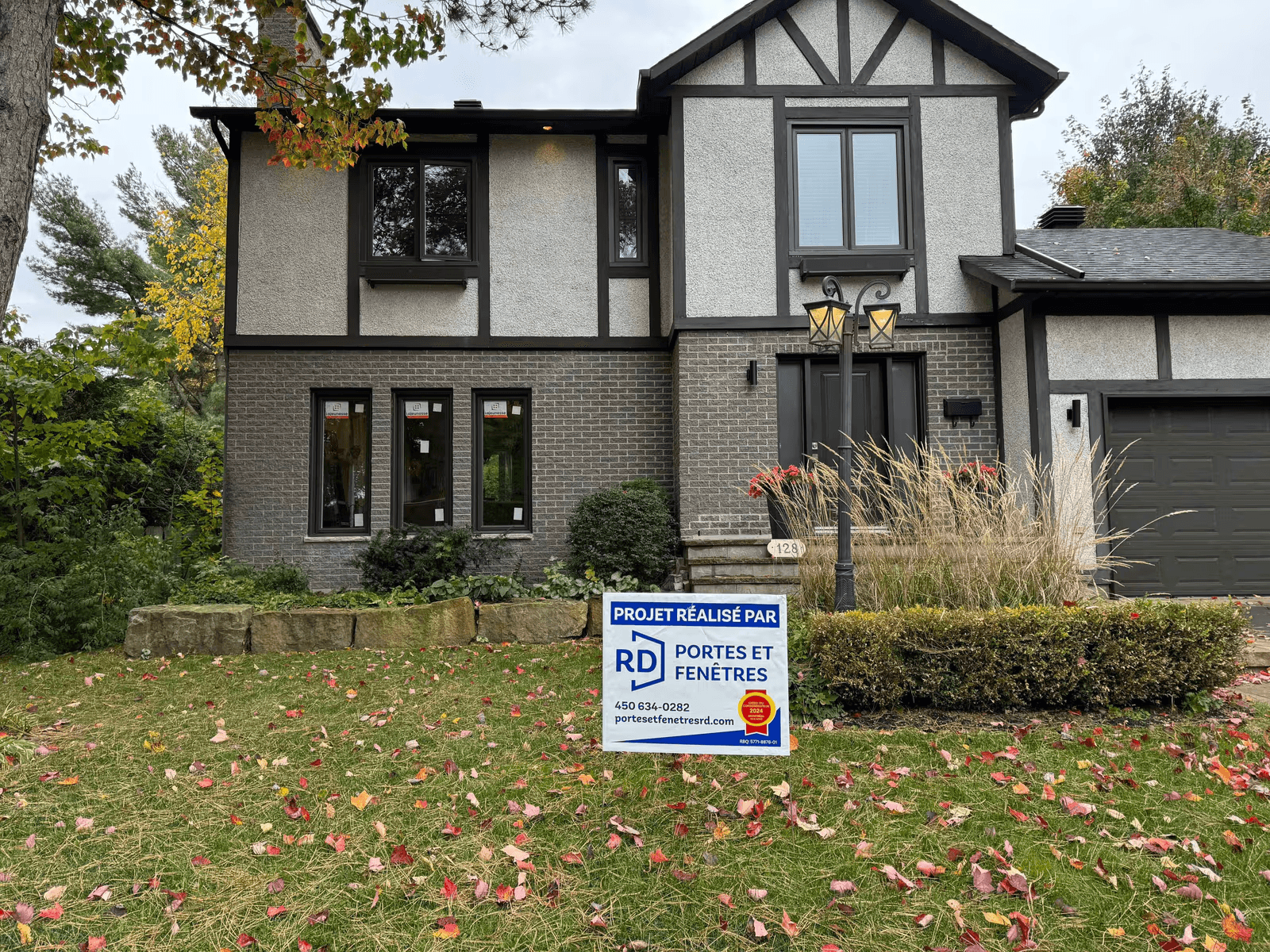
Source: Portes et Fenêtres RD
Before committing your savings to a renovation or addition project, follow these five basic precautions:
Do not sign under pressure: Be cautious of a contractor offering a special discount that is available only if you sign immediately.
Verify licensing and qualifications: Check the contractor and any regulated trades against the appropriate provincial or territorial requirements. In Quebec, verify the contractor’s RBQ licence.
Clarify taxes: Make sure you know the exact total, including GST/HST and any applicable provincial sales taxes.
Tie payments to progress: Make progress payments only as the corresponding stages of work are completed.
Keep a final payment until completion: Retaining part of the payment until the work is complete gives you additional leverage if deficiencies remain. In Quebec, the OPC recommends keeping approximately 10% to 15% of the total cost as the final payment until the work is completed to your satisfaction.
By approaching renovation quotes with this level of care, you can reduce financial surprises, compare contractors more effectively, and protect the long-term value of your home.
Looking for something else?
Related articles
The latest industry news, interviews, technologies, and resources.

Cynthia Pigeon
•12 May 2026
Replacing a bathtub with a shower in Canada is a strategic renovation that generally costs between $5,000 and $12,000, depending on the materials, the existing plumbing, and the complexity of the work. This upgrade can improve the functionality, comfort, and perceived value of a home, especially when it supports accessibility, aging in place, or a more modern bathroom layout. Given that this type of project may involve plumbing, drainage, waterproofing, ventilation, and sometimes floor preparation, it is important to plan carefully. Depending on the province or municipality, plumbing work may need to be completed by a licensed plumber or qualified contractor. In many bathtub-to-shower conversions, the existing drain may also need to be assessed or upgraded to meet the requirements of the new shower installation.

Editorial Team
•08 Nov 2023
Bathroom renovations are always an excellent investment, as they tend to offer the best return. Not to mention, the bathroom is a fairly integral room in the home. This space is used on a daily basis for many essential activities, and this includes washing up in the morning as well as before bed, getting ready for work, taking care of overall hygiene and so forth. Even though it’s a small space, storage is essential.
Editorial Team
•08 Dec 2023
Renovating your concrete stairs can be an efficient way to revamp your home's interior aesthetic. However, before jumping right in, to execute this project correctly, you have to understand the costs involved and the best techniques to use.

Cynthia Pigeon
•19 Jun 2026
Faced with the housing crisis and the growing need for gentler density, many homeowners across Canada are looking at ways to make better use of their residential lots. Building an accessory dwelling unit (ADU), also known as a garden suite, laneway suite, backyard suite or secondary detached dwelling, can be an effective way to house an aging relative, give a young adult more independence or generate stable rental income.
Cynthia Pigeon
•16 Jun 2026
In Montréal, a concrete balcony is more than just an architectural feature: it is an extension of the living space, an essential component of the well-known plexes in our historic neighbourhoods, and a key structure in modern condo buildings. However, the exterior envelope of Montréal buildings is exposed to extreme weather conditions. Over the years, concrete structures eventually show signs of wear that, if neglected, can quickly compromise the safety of occupants and passersby.