Construction Industry - What Is Going on in Quebec?
By Editorial Team
Updated on January 28, 2025
2025 is gearing up to introduce significant changes to Quebec’s construction industry. A lot is happening, from the discontinuation of certain grants or subsidies to the revision of technical regulations, with the emergence of initiatives promoting social inclusion to redefine industry practices in between. How are these changes influencing your projects and your competitive edge? What strategies can you adopt to shape your practices around this new normal? This guide highlights the key changes to anticipate to thrive in this fast-changing environment.
Regulatory and Technical Changes
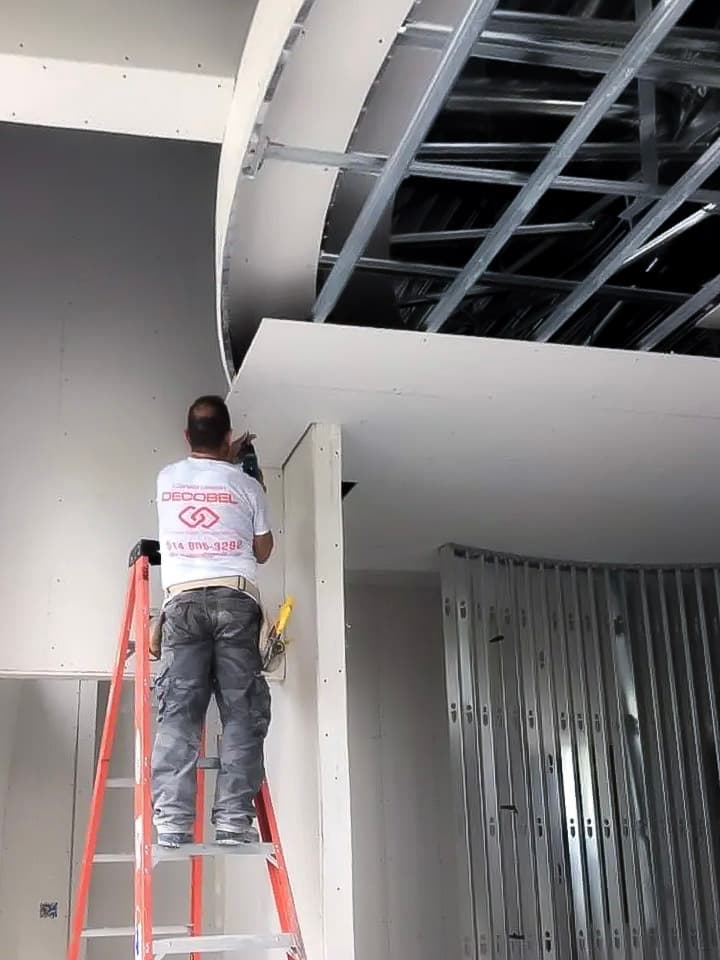
Source : Construction Decobel Inc.
1- New Plumbing Code
A new Plumbing Code was implemented several months ago. This code includes the following changes:
Materials: New material requirements were introduced to ensure improved durability and enhanced safety.
Installation standards: Reinforced procedures were implemented to prevent leaks and contamination risks.
Certification procedures: A mandatory system check was enforced to comply with environmental and safety standards.
These changes are meant to reduce installation-related risks and improve plumbing system efficiency in all buildings.
Effective date: July 11, 2024
2- Gas-powered heating banned in Montréal
This by-law applies to new residential, commercial, and institutional constructions. Contractors must now suggest alternatives, such as electricity or renewable energy-powered solutions.
These changes highlight a worldwide trend, shifting toward environmental sustainability. Contractors are called to quickly adapt to meet customer expectations and comply with new standards.
Effective date: October 1, 2024
For more information, check out our article: Gas-Fired Heating Sytems—Heading Toward a Ban in Quebec?
3- 2025-2029 GCR’s Inspection Program
The Garantie de construction résidentielle (GCR) is developing an inspection program spanning the next five years, focusing on:
increasing the number of buildings inspected every year;
gradually increasing the number of inspections per building, moving toward three inspections for 2029.
Goal: Reinforce construction quality and ensure compliance with standards.
Key pointers for contractors: Respect the quality standards set by the GCR to avoid sanctions, delays, or legal disputes.
Tip: Schedule regular in-house audits to pinpoint and fix problems before official inspections.
Modernization and Workplace Conditions
Source : DEMCO Canada
4- Industry modernization
At the end of last year, important measures were introduced, pointing at the modernization of the construction industry. These initiatives were designed to improve productivity, encourage diversity, and optimize communication among industry players.
The measures implemented include:
Increased provincial mobility for workers with less than 15,000 hours of work experience.
Lower preferential status thresholds: 750 hours for men, 400 hours for women.
Recognition of training hours in addition to hours of work experience for obtaining an apprentice competency certificate (ACC).
Better workforce reference management by streamlining the lines of communication between employers and labour referrals.
Greater transparency with access to workers’ professional profiles and training history.
Effective date: November 30, 2024
5- Negotiations for 2025-2029 collective agreements
The construction industry’s current collective agreements are about to expire; the negotiations for the 2025-2029 period are underway.
Effective date: Avril 30, 2025
What it means for contractors:
Workplace conditions: The negotiations will cover a range of aspects, including wages, schedules, and benefits.
Required preparation: Keep up with negotiation developments to anticipate the potential impacts on human resources management and project planning.
Construction Trades-Related Measures

Source : SunStar
6- First Nations and Inuit inclusion
The Commission de la construction du Québec (CCQ) launched the Construction Industry Action Plan for the Inclusion of First Nations and Inuit. The plan aims to promote diversity and provide these communities greater access to construction-related trades.
Effective date: November 13, 2024
Target for 2034: 1% of the construction workforce is First Nations and Inuit, compared to today’s 0.38%.
Examples of actions taken:
Diversification of career opportunities, promoting Indigenous businesses and workforces.
A customer experience tailored to Indigenous peoples and communities.
Educational programs that are customized to their needs to promote academic success.
Streamline networking opportunities between labourers seeking job opportunities and businesses.
Create a CCQ Eeyou Istchee Baie-James work sector and implement measures specific to Nunavik.
7- End of apprenticeship incentive grants
Two major grants, the Apprenticeship Incentive Grant (AIG) and the Apprenticeship Completion Grant (ACG), will no longer be funded.
Said funding was designed to streamline industry access to new talents. Their discontinuation could lead to a spike in costs for employers and halt apprentice recruitment efforts. It could also dampen the next generation of workers' interest in a career in the construction industry.
Effective date: March 31, 2025
How to prepare ahead of time:
Plan your needs in terms of labour now to pre-empt the changes ahead.
Explore other financing options or training programs to help your apprentices.
Work with local or sector-based associations to find collective solutions to cope with new challenges.
8- End of fast-track training
Fast-track training, which shortened the time it took for workers to qualify, will be discontinued in 2025.
Despite the results deemed as positive, the number of new workers on jobsites is still below what was expected for 2024. As such, there won’t be new cohorts this year. The Minister of Labour, Jean Boulet, plans to focus efforts on diplomas in vocational studies (DVS) and work-study programs.
Effective date: Announcement made in November 2024
Investments in Sustainable Building Solutions

Source : Maconnerie Briquart Inc.
9- Promoting the use of wood
The government of Quebec is putting 24.58 million dollars into promoting the use of wood as a sustainable building material. This investment targets reducing the carbon footprint and promoting sustainable solutions.
Effective date: Announcement made in October 2024
Recommendations:
Inquire about wood-related building standards, and implement them in your plans.
Train your teams in the use of this material to ensure quality workmanship.
Present wood options as eco-friendly alternatives to your customers.
10- Energy-efficient incentive programs
Several provincial and federal programs continue to fund renovations involving energy-efficient improvements. These financial incentives encourage energy-efficient renovations, allowing contractors to offer their customers sustainable solutions.
Recommended actions:
Pinpoint relevant programs: Ask about the available grants (LogisVert, Rénoclimat, Canada Greener Homes Grant, Oil to Heat Pump Affordability Program, and municipal programs, such as Montréal’s RénoPlex).
Customer support: Offer a consulting service to help your customers work through different funding options, cementing your role as a trusted partner.
Moving Forward with Modernization and Innovation
The changes planned for 2025 signal a new chapter in the construction industry’s modernization. While such developments may seem complex, for proactive contractors, they represent opportunities for innovation and growth. Keep up with changes and shape your strategies accordingly to stay ahead of the game.
Looking for something else?
Related articles
The latest industry news, interviews, technologies, and resources.
Editorial Team
•18 Dec 2024
Now more than ever, windows are paramount features in the construction equation. In fact, due to innovative solutions, windows can control luminosity, regulate heat, prevent condensation, etc. All of this to, in the end, create modular spaces meeting specific requirements.

Editorial Team
•15 Dec 2023
CLT stands for cross-laminated timber. It’s an engineered wood used in the construction industry to build single-family houses and tall buildings.

Cynthia Pigeon
•25 Jun 2026
Bathrooms are one of the most important rooms in a home, but it is also one of the areas where household accidents are most likely to happen. With humidity, slippery surfaces and often limited space, the risk of falls is especially high for seniors and people with reduced mobility.

Editorial Team
•20 Apr 2026
Is your landscaping basking in concrete paving stones or pavers? Guess all that’s left is for you to get some paving stone sealer to safeguard your driveway and walkways. Why, though? Because such surfaces are easily soiled or stained.
Editorial Team
•18 Aug 2026
A vapour barrier is a material used in a home's building envelope to limit the movement of water vapour through walls, ceilings, and other assemblies. In Canada's climate, it plays an important role in moisture control by helping prevent indoor water vapour from reaching colder parts of an insulated assembly, where it could condense.