Convert Your Basement into an Apartment: A Guide for Toronto Homeowners
By Editorial Team
Updated on July 24, 2025
Thinking about turning your basement into a legal apartment? Many Toronto homeowners are considering this renovation as a way to increase property value, generate extra income, or create independent living space for family. But how do you convert a basement into an apartment, and is it really worth the investment?
This guide will walk you through the process, legal considerations, design tips, and everything else you need to know in 2025 before moving forward.
Is It Worth Converting a Basement?
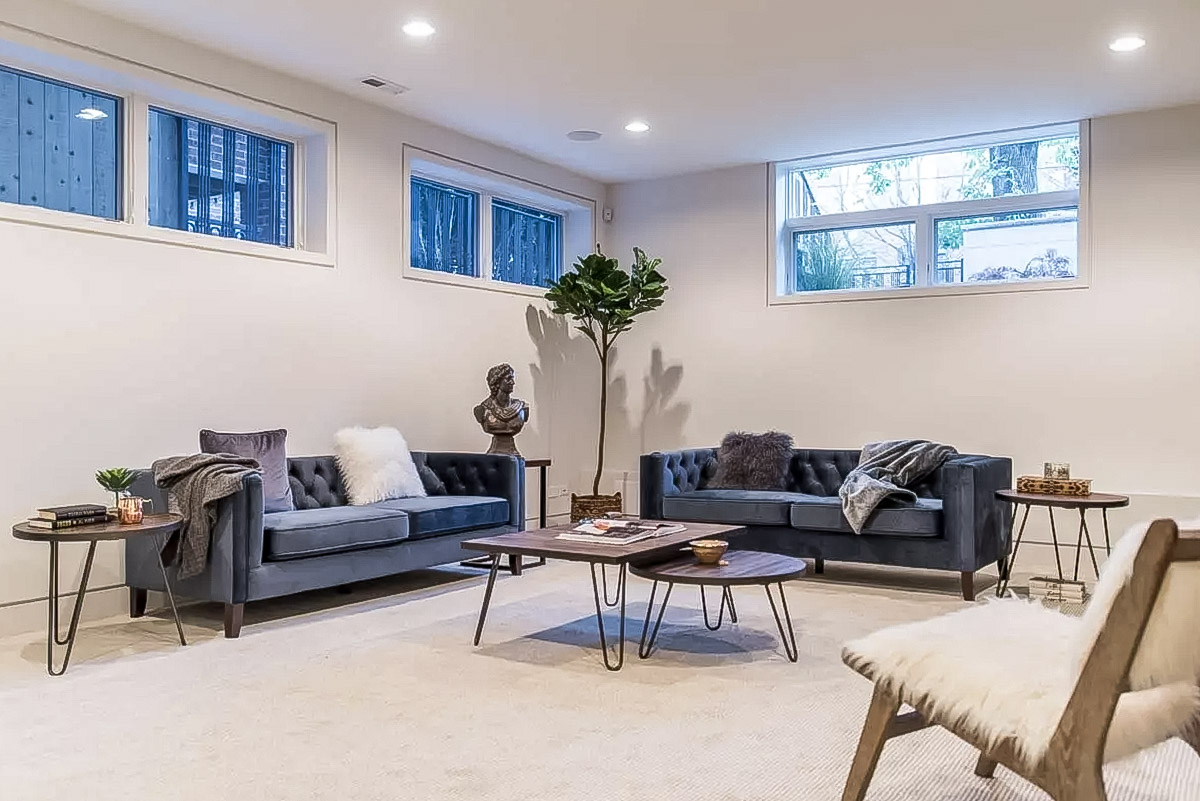
Source : Ethan and brother building contractor
Converting your basement into a secondary suite—also known as a basement apartment—can offer major advantages, especially in Toronto’s tight housing market.
Benefits for Homeowners
Extra income from renting to tenants
Increased property value and resale potential
More usable living space for family or guests
Added flexibility in case of life changes
For many owners, it’s also a chance to house aging parents or adult children while preserving independence on both sides. This can be a major advantage compared to moving into a larger home.
Legal Requirements in Toronto
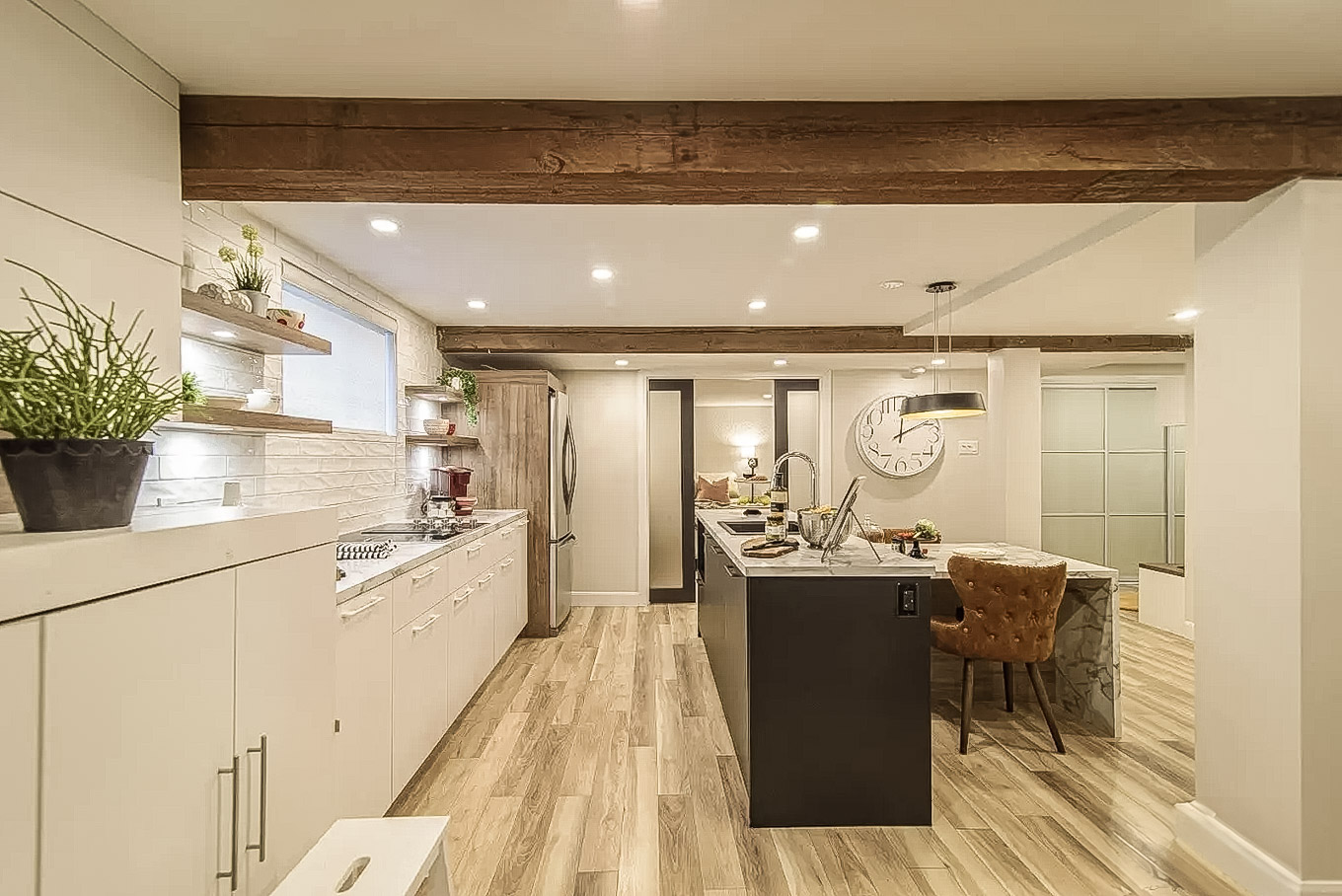
Source : Espace Casa
Creating a legal basement apartment means more than just putting in a kitchenette and calling it a day. You’ll need to meet the specific regulations set by your municipality and the Ontario Building Code.
Key Legal Elements
Your home must be in a zone that allows secondary suites
You need a building permit and may require a homeowner permit
The unit must meet minimum square footage and ceiling height requirements
There must be a separate entrance
Safety measures such as egress windows, interconnected smoke alarms, and fire-rated materials are required
Toronto’s rules fall under the Ontario Building Code and City of Toronto by-laws. Always check with your local municipality before starting a basement apartment conversion to avoid ending up with an illegal basement apartment.
For more details, the City of Toronto's Secondary Suite Guidelines is your best Ontario-based reference.
How Much Does It Cost to Convert a Basement into an Apartment?
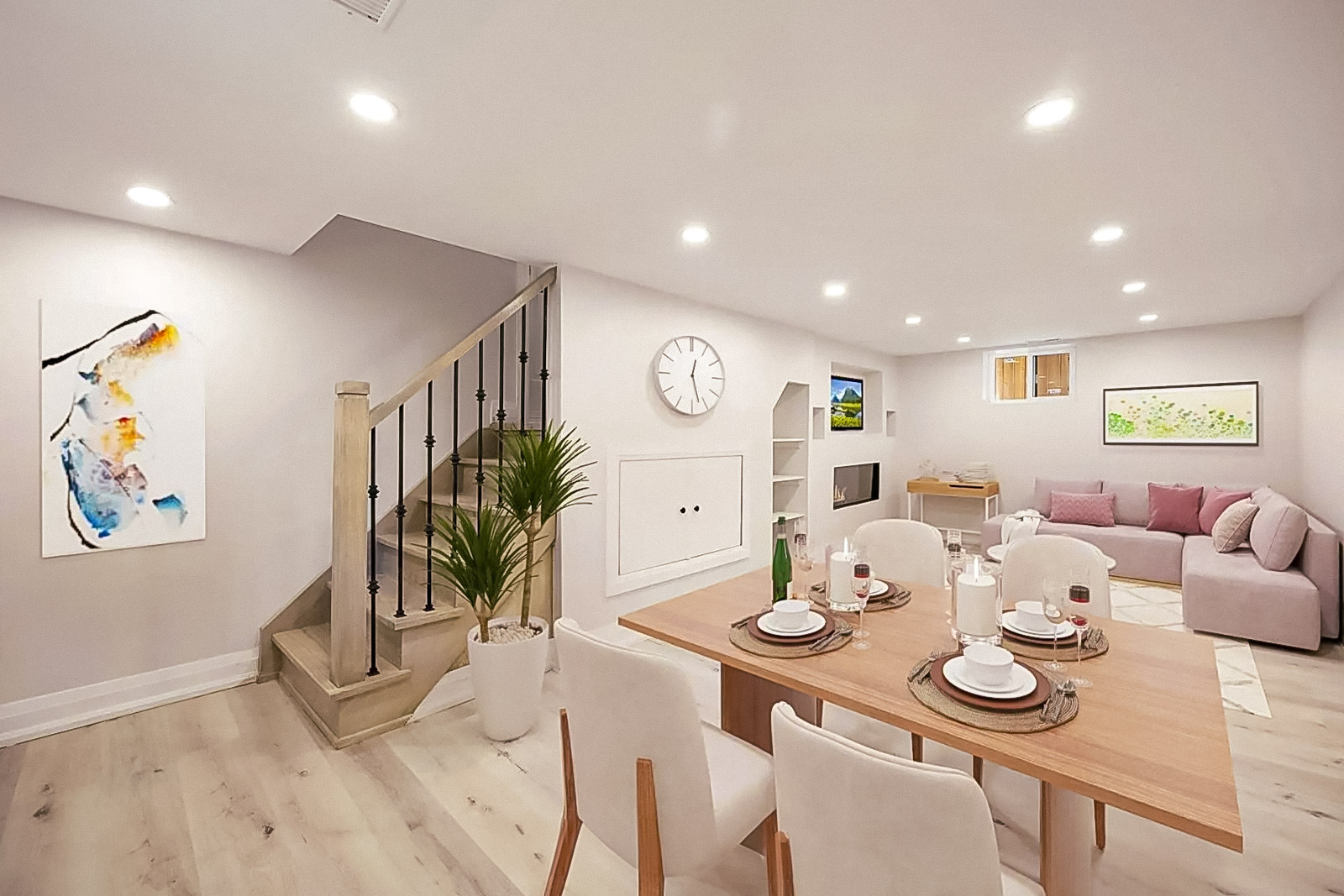
Source : LSB Renovations Inc
The cost of converting a basement into a rental unit can vary widely based on the condition of the existing basement space and the level of finish.
Estimated Costs in Toronto (2025)
Feature | Estimated Cost Range |
|---|---|
Permits & Inspections | $2,000–$5,000 |
Framing, Insulation, Drywall | $10,000–$20,000 |
Electrical & Plumbing | $5,000–$15,000 |
Full kitchen or kitchenette | $7,000–$15,000 |
Flooring & Finishing | $5,000–$10,000 |
Separate Entrance (if needed) | $5,000–$10,000+ |
Egress windows | $3,000–$6,000 each |
Most homeowners in the Greater Toronto Area should budget between $50,000–$100,000, depending on whether the basement is unfinished or partially completed. These figures include renovation costs and necessary upgrades to meet code.
Living Space Design Ideas for a Basement Apartment
Source : Ontario Inc
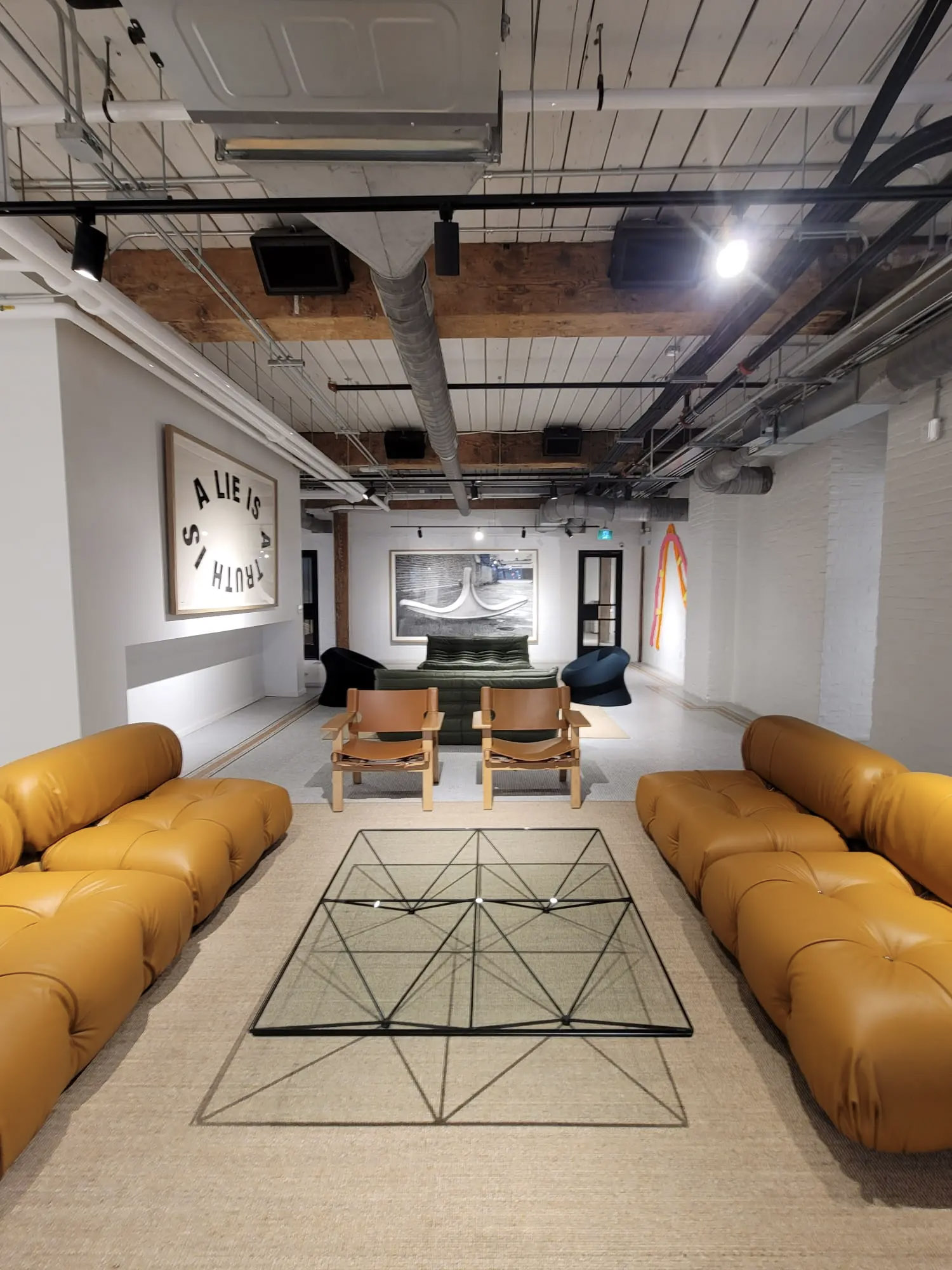
When space is tight, smart design becomes even more important. Here are a few popular living space ideas for making your basement apartment practical and attractive.
Maximize Light and Comfort
Use light wall colours and reflective surfaces
Install large enough windows for natural light
Include window wells where needed
Plan for Versatility
Add a Murphy bed in a studio apartment layout
Create a living area that also works as a guest space
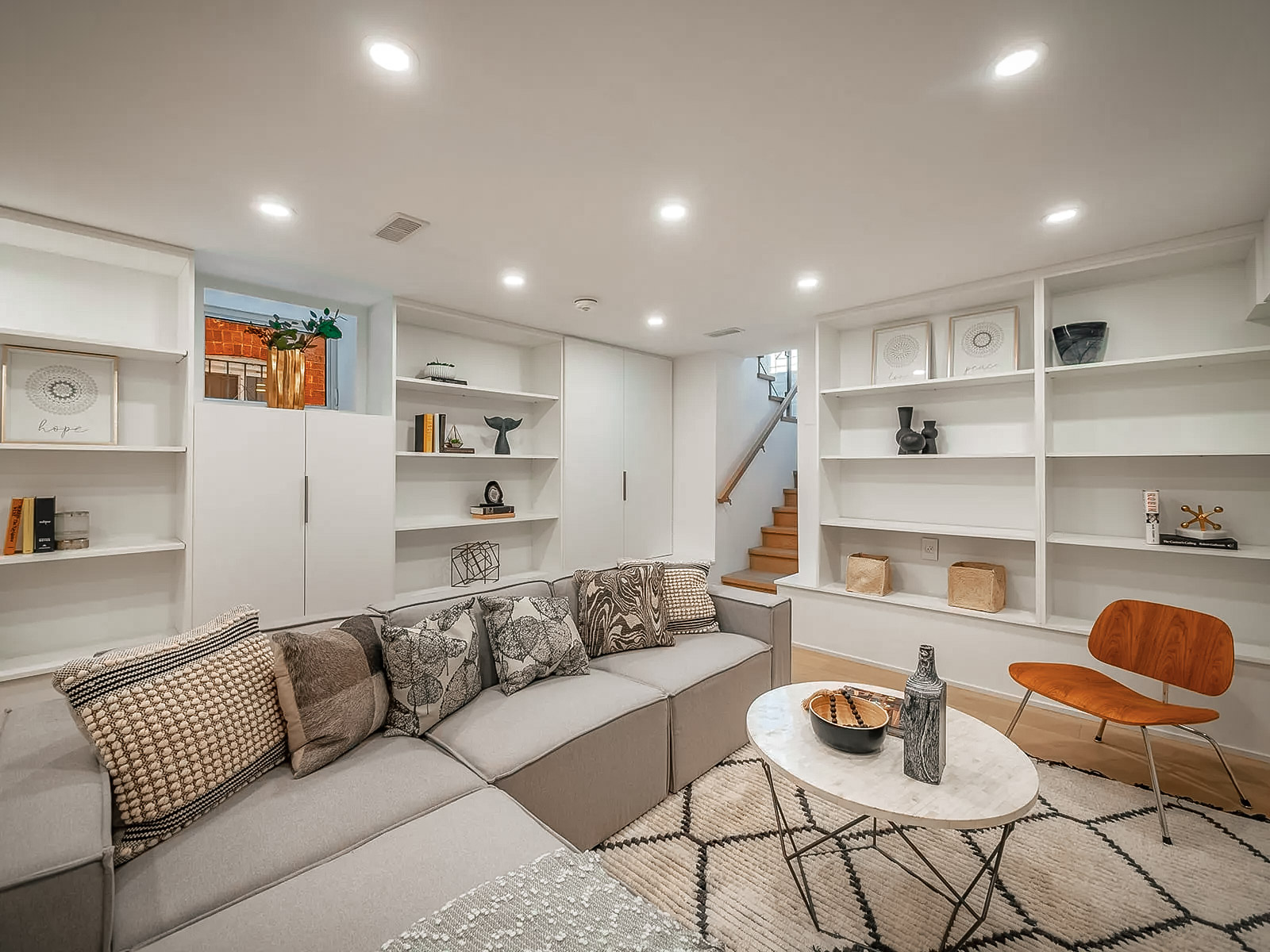
Use under-stair storage to maximize versatile storage space
Include Essentials
A full kitchen or well-equipped kitchenette in basement apartment
A private bathroom with good ventilation
Defined floor plan to separate private and shared areas
Renovation Considerations for Homeowners
Source : les constructions W.A.V.E inc.
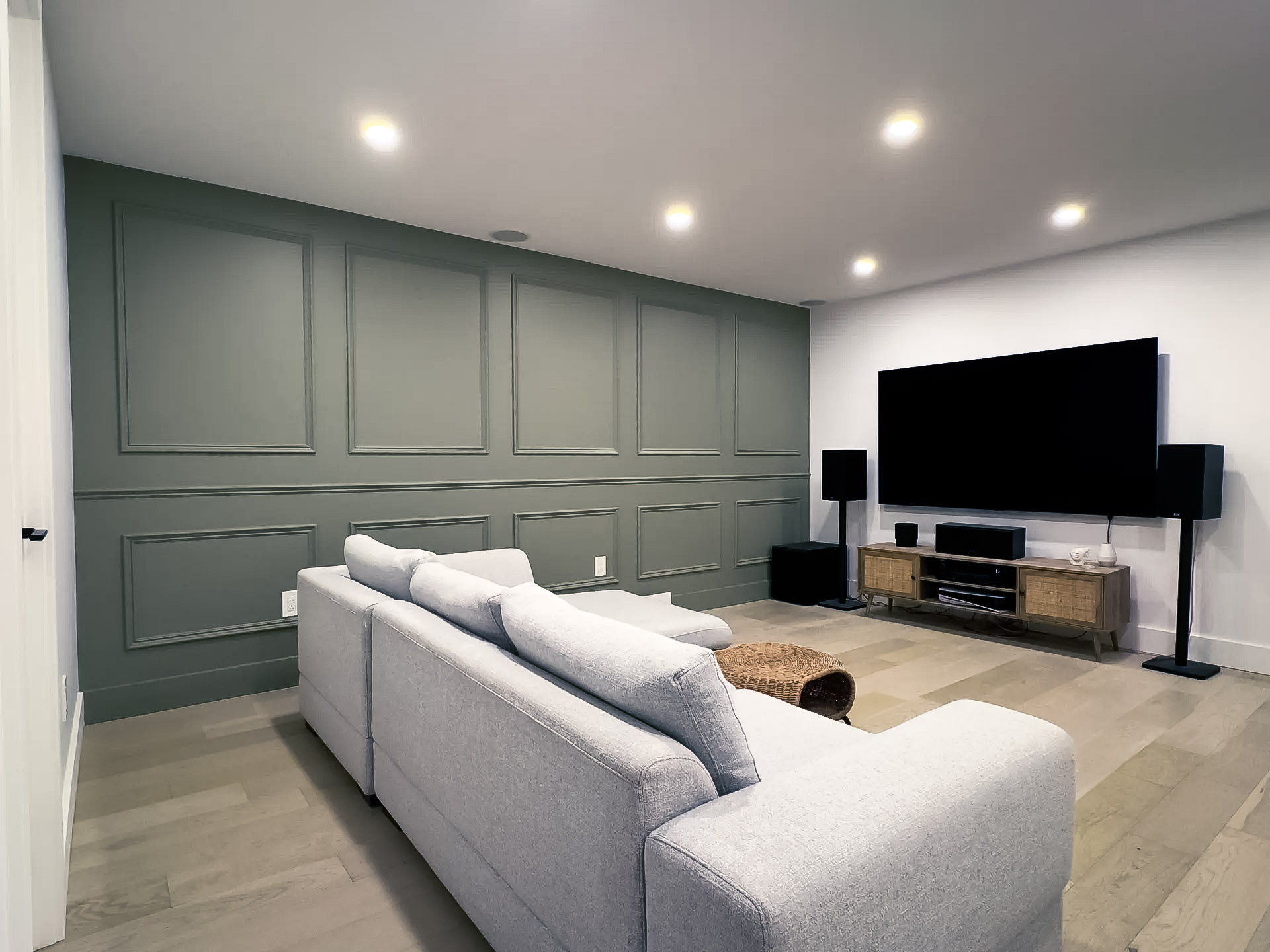
Before you hire a general contractor, take stock of what your existing basement ceiling, insulation, and walls look like.
Concrete walls may need framing and moisture protection
Consider insulation for warmth and soundproofing
Make sure your water heater and HVAC systems can handle the added demand
Also think about your future tenants and their needs. Adding laundry, space for bikes, or even a small patio outside the separate entrance can improve your rental’s appeal and justify higher rent.
In the event of a fire, properly installed alarms and exits are not just required—they're essential for safety.
What’s the Best Way to Start?
Source : Generational Homes Inc.
Check zoning laws and bylaws with your local municipality
Hire a licensed designer or architect to create a compliant floor plan
Apply for a building permit
Choose a reputable general contractor with experience in basement apartment conversion
Keep a paper trail in case of future questions from the city
Getting it right from the beginning avoids the headaches that come with a breach of basement apartment laws or being forced to reverse your project.
Return on Investment in Toronto
Source : Top Construction
According to Ontario real estate professionals, a legal secondary suite can increase home value by 10–25%. When done properly, it also brings steady monthly income.
Even if you’re not planning to rent it out right away, it adds flexibility and long-term value to your main house.
FAQ
What’s the difference between a legal and illegal basement apartment?
A legal apartment meets zoning, fire, building, and health codes. An illegal one does not and may be shut down by the city, especially in the case of an emergency.
Does a basement apartment add value?
Yes. Legal secondary suites typically add 10–25% to a home's value and make the property more attractive to buyers and renters alike.
Looking for something else?
Related articles
The latest industry news, interviews, technologies, and resources.
Editorial Team
•15 May 2026
Helical piles are a practical solution for building deep, stable foundations or reinforcing existing foundations for residential properties. They are often used for homes, additions, decks, balconies, cottages, and other light to medium structures, especially when soil conditions make traditional foundation work more complex.
Editorial Team
•08 Nov 2023
The kitchen faucet serves its purpose by dispensing hot and cold water for washing your dinner dishes, cleaning food off plates and keeping hands tidy. Just because this hardware is functional, that doesn’t mean it shouldn't look good as well! There are plenty of styles of kitchen faucets on the market, so if you’re looking for a new model, it would be worth consulting the rest of this article to see the different types available.
Editorial Team
•22 May 2024
Unearth the hybrid window, a sure innovation in a world full of windows. Such windows blend the energy efficiency of PVC with the reliability of aluminum, making for the perfect combination resulting in exceptional performance. Different models are retailed, from casement to sliding, suiting all preferences.

Cynthia Pigeon
•31 Jul 2026
Given the harshness of Quebec’s climate, where temperatures drop drastically in winter and humidity rises sharply in summer, keeping your home comfortable is a constant financial challenge. In 2026, the financial assistance landscape has changed, particularly with the closure of the main federal programs to new applications and the growing importance of provincial and municipal programs.

Editorial Team
•21 Jan 2025
Renovating a house is an essential step for preserving and increasing property value while ensuring the safety and comfort of occupants. Amongst large-scale renovation projects, lifting or raising a house is highlighted by its numerous upsides, whether done as a flood prevention measure, to increase the dwelling’s square footage, or to fix structural problems. Albeit this technical process may seem complex, with proper preparation and the right professionals, it makes for a durable and advantageous solution.