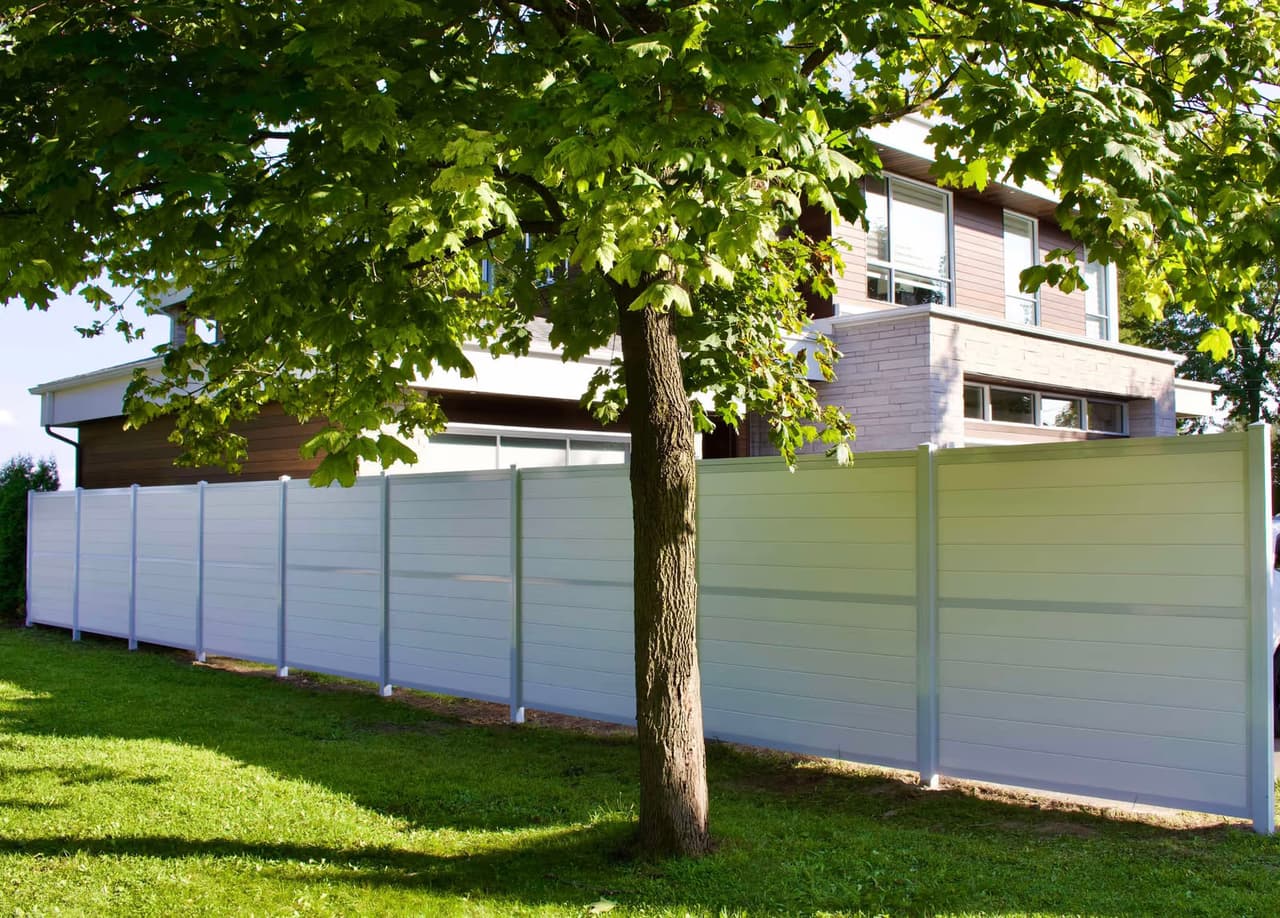
A fence costs $15 to $155 per linear foot installed in Canada depending on the material, and most residential backyard projects land between $3,500 and $12,000. Chain link sits at the bottom of that range at $15 to $40 per foot, standard wood and vinyl privacy fencing runs $25 to $95, and composite or premium aluminum reaches $85 to $155.
Material is the headline number, but labour accounts for 40% to 60% of what you actually pay. This guide gives installed costs by material, total project costs by yard size, what the extras add, and how prices differ across the country.
What a Fence Costs
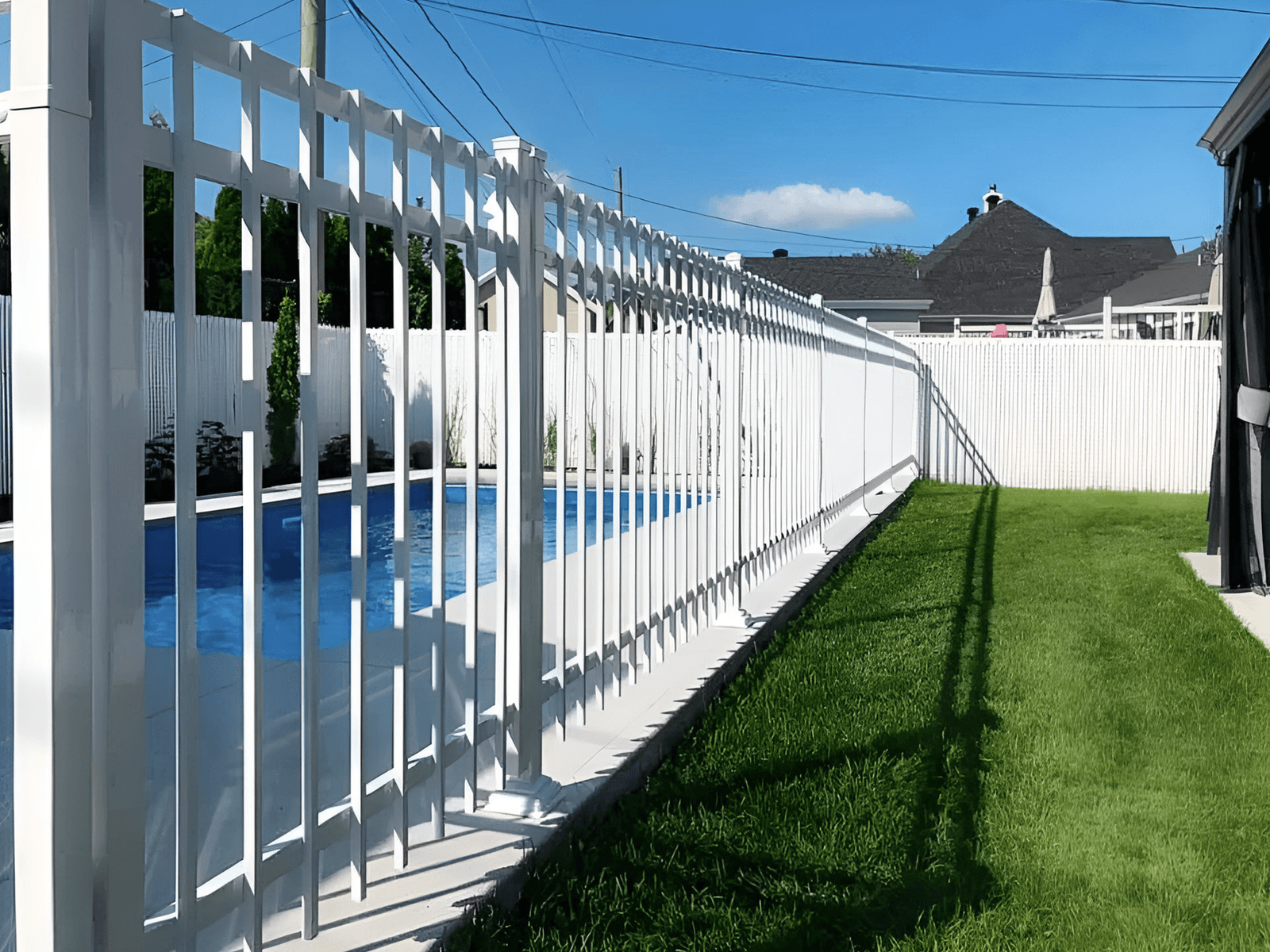
Source: Clôtures Robillard
Installed Cost by Material
Fence type | Installed cost per linear foot | Lifespan |
Chain link | $15 to $40 | 15 to 20 years |
Pressure-treated wood | $25 to $55 | 10 to 15 years |
Cedar wood | $35 to $75 | 15 to 25 years |
Ornamental steel or wrought iron | $40 to $90 | 20 to 40 years |
Vinyl or PVC | $45 to $95 | 20 to 30 years |
Aluminum | $50 to $120 | 30 to 50 years |
Composite, hollow or budget panels | $85 to $110 | 10 to 15 years |
Composite, solid premium panels | $110 to $155 | 25 to 30+ years |
These are installed prices, covering material, labour, posts, and concrete on level ground with reasonable access.
Total Project Cost by Yard Size
Fence type | 80 linear ft | 120 linear ft | 150 linear ft | 200 linear ft |
Chain link | $1,200 to $3,200 | $1,800 to $4,800 | $2,250 to $6,000 | $3,000 to $8,000 |
Pressure-treated wood | $2,000 to $4,400 | $3,000 to $6,600 | $3,750 to $8,250 | $5,000 to $11,000 |
Cedar wood | $2,800 to $6,000 | $4,200 to $9,000 | $5,250 to $11,250 | $7,000 to $15,000 |
Vinyl | $3,600 to $7,600 | $5,400 to $11,400 | $6,750 to $14,250 | $9,000 to $19,000 |
Aluminum | $4,000 to $9,600 | $6,000 to $14,400 | $7,500 to $18,000 | $10,000 to $24,000 |
Composite | $6,800 to $12,400 | $10,200 to $18,600 | $12,750 to $23,250 | $17,000 to $31,000 |
A typical suburban backyard runs 120 to 150 linear feet. A semi-detached lot is closer to 80, and a large detached property can exceed 200.
Small Jobs Cost More Per Foot
Projects under 60 linear feet typically cost $5 to $10 more per linear foot than a 150-foot project in the same material.
Setup, equipment transport, and site cleanup take the same time regardless of length, so those fixed costs spread across fewer feet. If you're fencing a small section, expect the per-foot rate to look worse than the quotes you see advertised.
How to Measure Your Fence
Walk the perimeter you want enclosed and measure it in feet, following your property line rather than cutting corners.
Subtract nothing for gates. A gate costs more than the fence it replaces, so measuring the full run and pricing gates separately gives you a more accurate number.
Confirm your property line before you order anything. A survey costs $500 to $1,500 and is cheaper than moving a fence your neighbour disputes.
Fence Materials Compared
Chain Link
Source: Canva
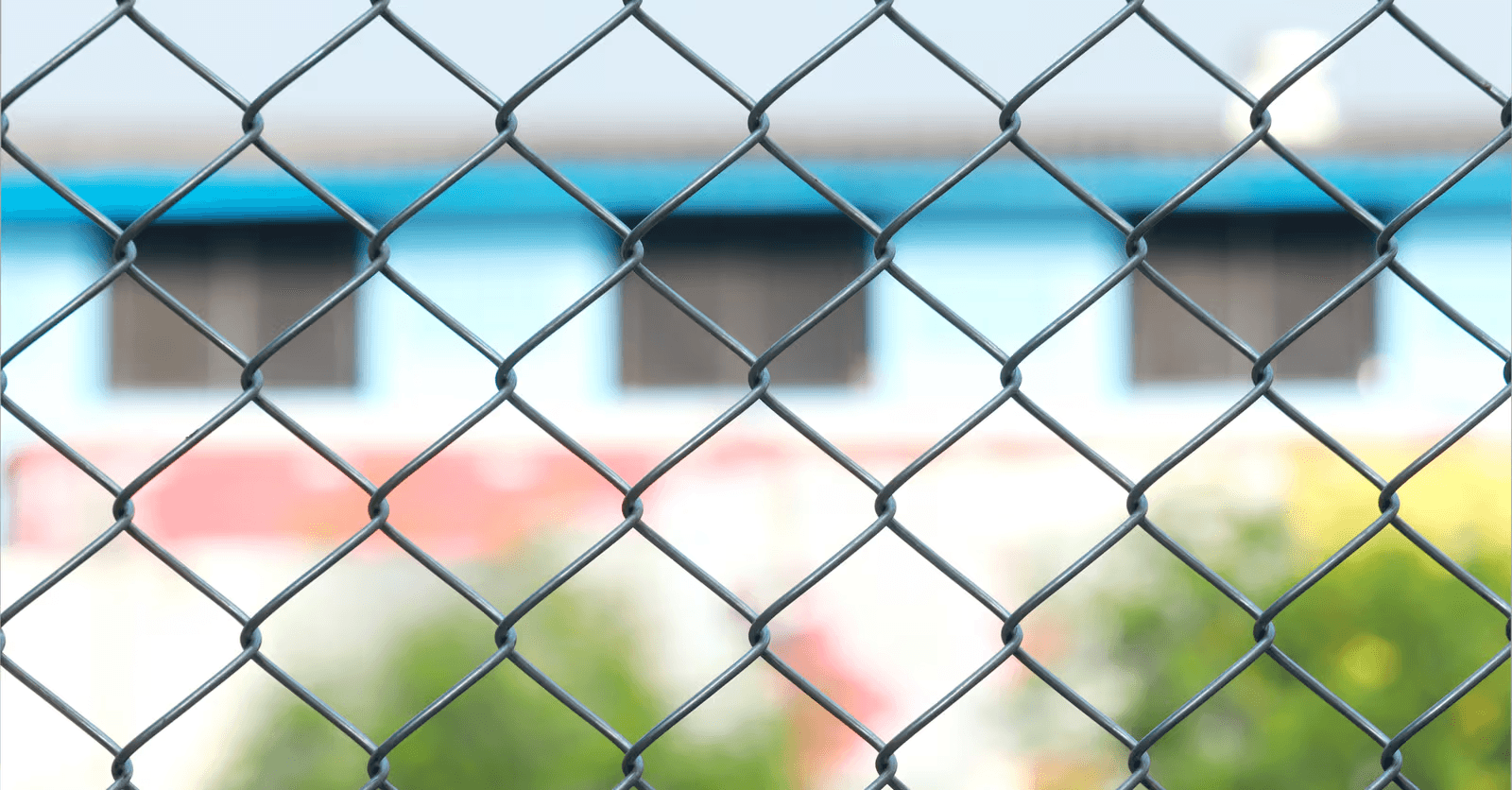
A steel-wire woven fence, installed around pool perimeters, backyards, and property lines. Popular for decades because it's durable, low maintenance, and the cheapest option available.
$15 to $40 per linear foot installed. Standard height is four to five feet.
It comes in galvanized steel or vinyl-coated steel, and the coating adds 25% to 40% to the cost while improving corrosion resistance and appearance. Privacy slats woven through the mesh add $5 to $12 per linear foot and turn an open fence into a semi-private one.
Chain link offers security and containment but no privacy and little curb appeal, which is why it's more common on side and rear lines than across a front yard.
Pressure-Treated Wood
Source: Canva
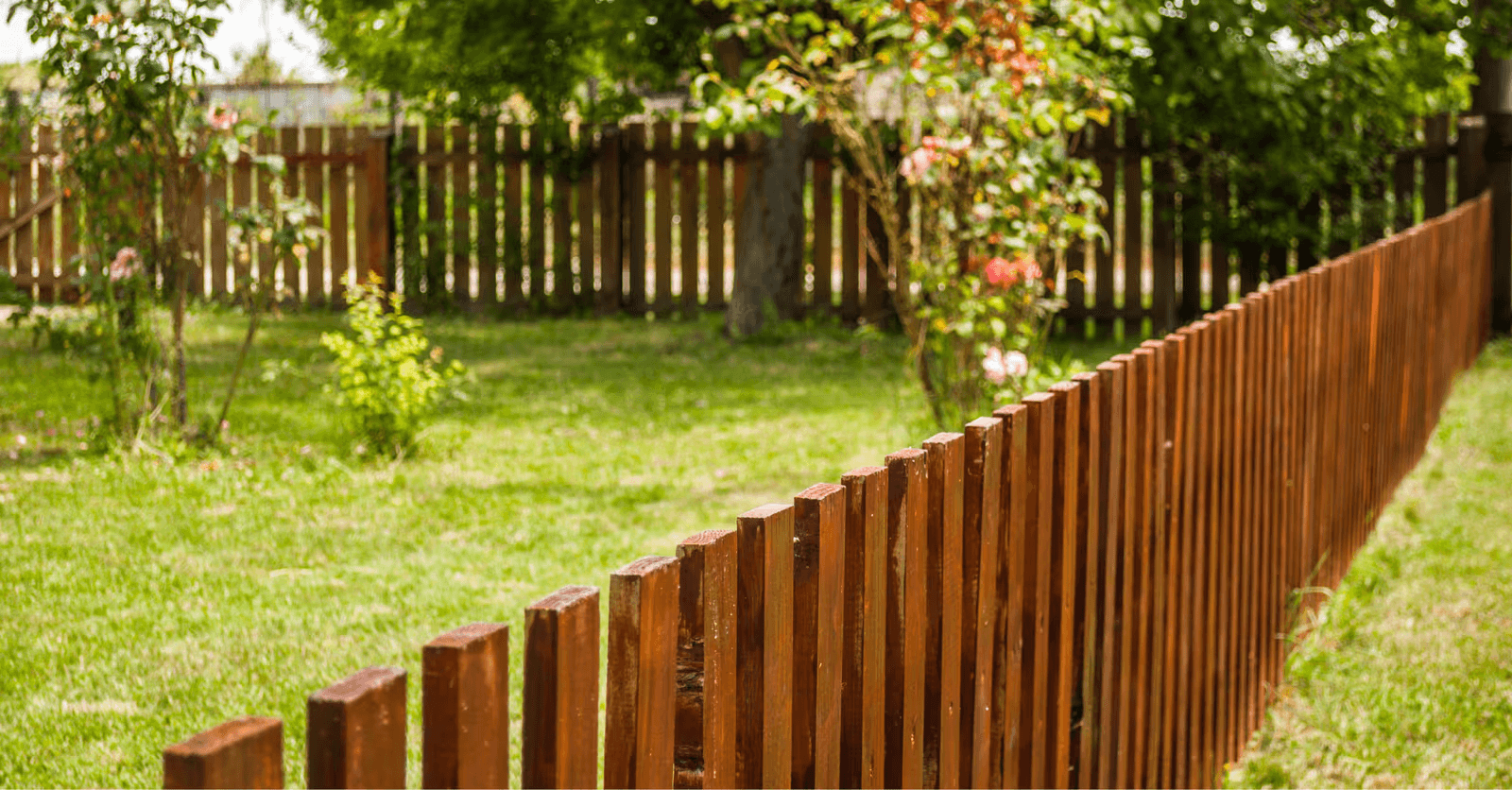
The most popular privacy fence in Canada, and the most affordable way to achieve full privacy.
$25 to $55 per linear foot installed.
It requires real maintenance: cleaning, staining, or painting every two to three years to prevent weathering and extend its life. Skip that and a 15-year fence becomes a 10-year one.
Pressure-treated lumber resists rot and insects but still moves with Canadian humidity swings, so some warping and cupping over time is normal rather than a defect.
Cedar
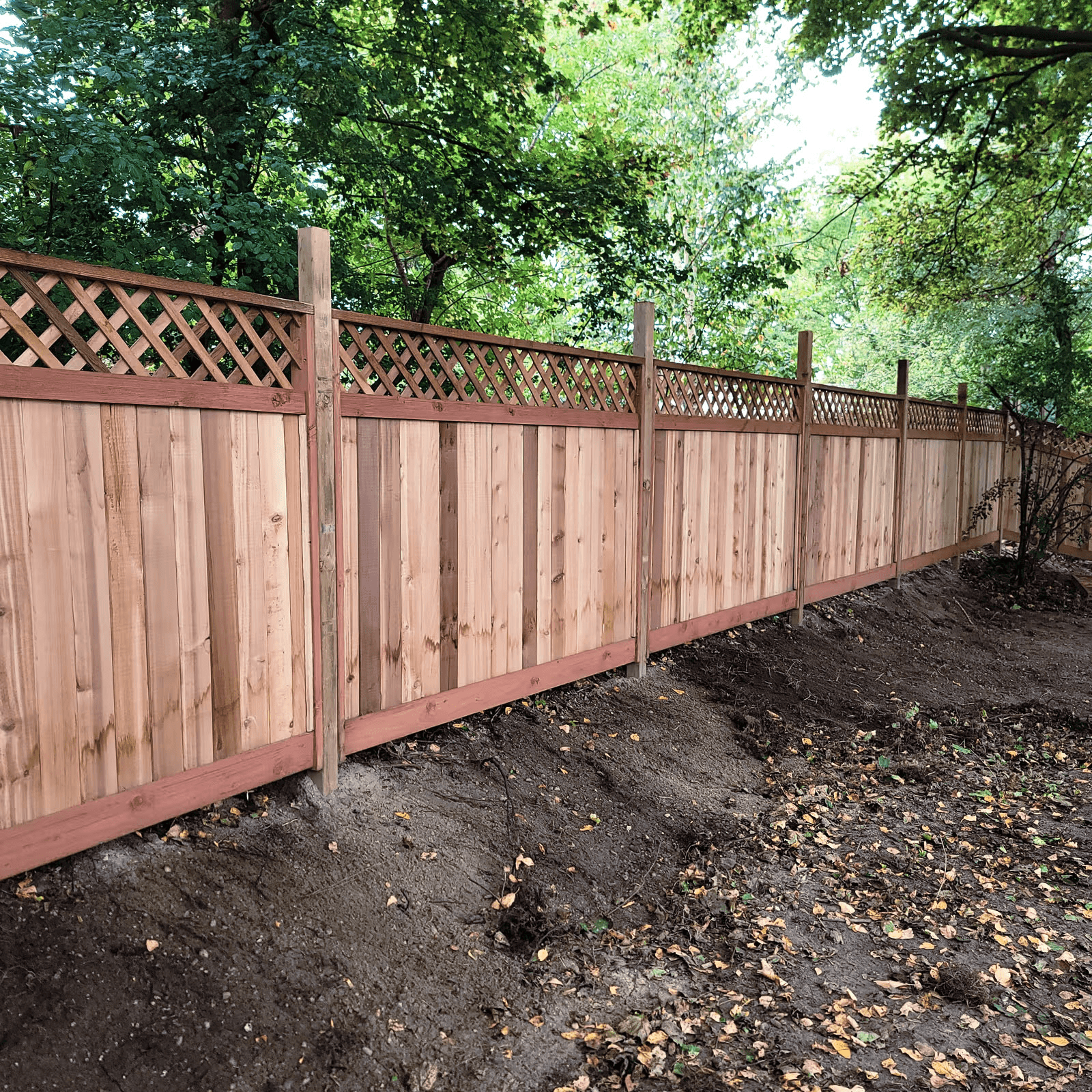
Source: W Group Contracting
Western red cedar carries natural resistance to insects and decay, which means it needs less chemical treatment and ages more gracefully than pressure-treated pine.
$35 to $75 per linear foot installed, roughly 40% more than pressure-treated.
Left untreated it weathers to a silver-grey. Sealed every three to four years it holds its colour and reaches the upper end of its 15 to 25-year lifespan.
Vinyl and PVC
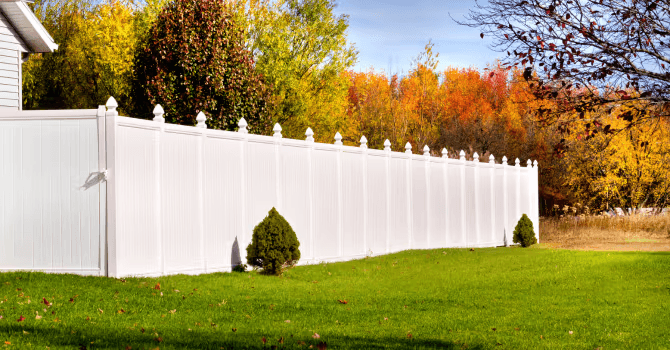
Source: Canva
A maintenance-free alternative to wood, available in several colours and typically sold with a 20-year warranty covering colour retention.
$45 to $95 per linear foot installed.
It never needs painting or staining, resists rot and insects, and washes clean with a hose. The trade-offs are upfront cost and cold-weather brittleness, since vinyl becomes more prone to cracking on impact at low temperatures.
Quality varies considerably. Standard vinyl panels run $15 to $25 per linear foot in material, while premium grades reach $30 to $50.
Ornamental Steel and Wrought Iron
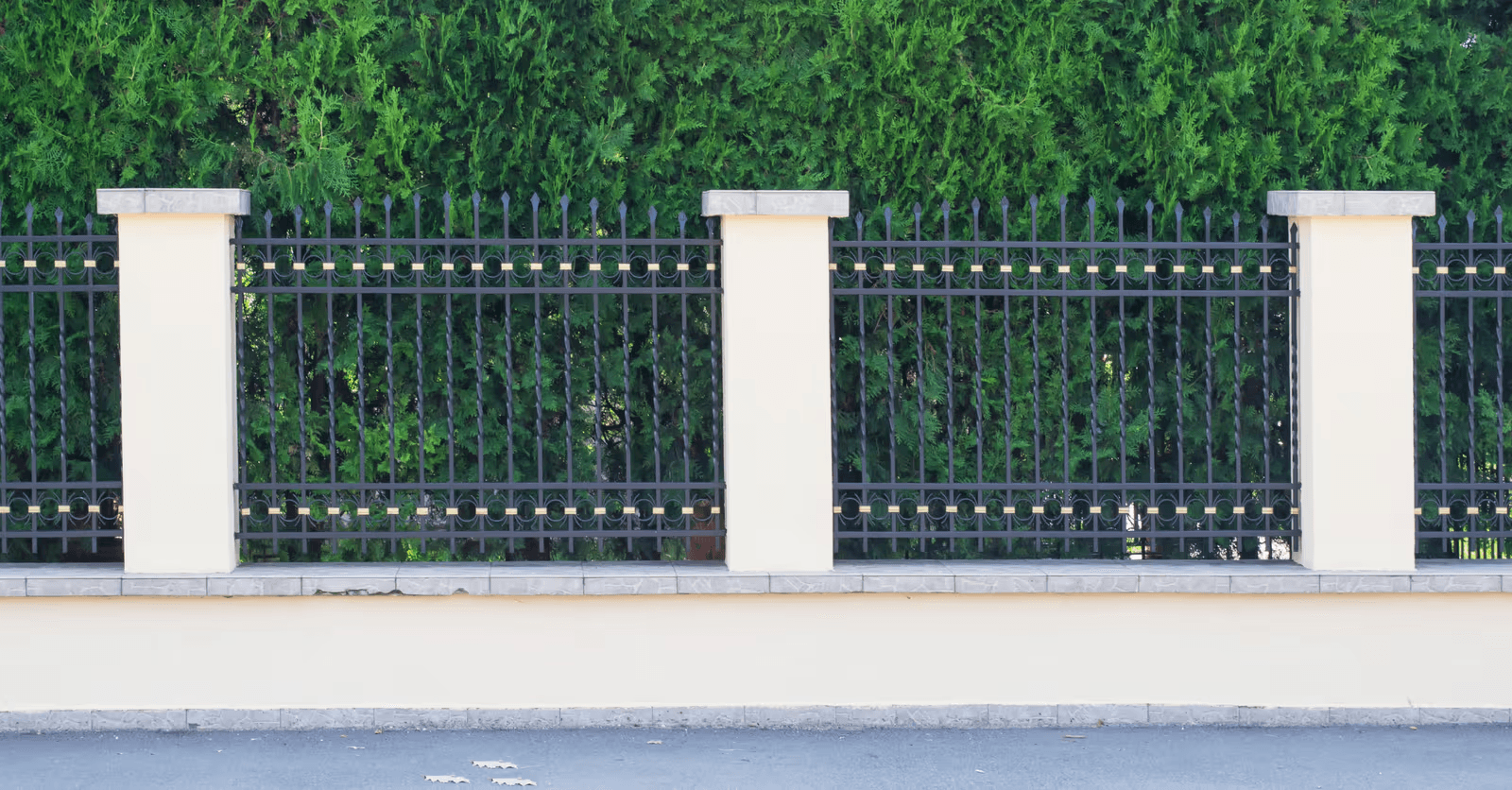
Source: Canva
Classic decorative fencing that defines a boundary without blocking sightlines, available in a wide range of styles and colours.
$40 to $90 per linear foot installed, with no particular upkeep for the first 15 to 20 years.
Note that most "wrought iron" sold today is ornamental steel, which performs similarly at lower cost. True wrought iron is rare and considerably more expensive.
Aluminum
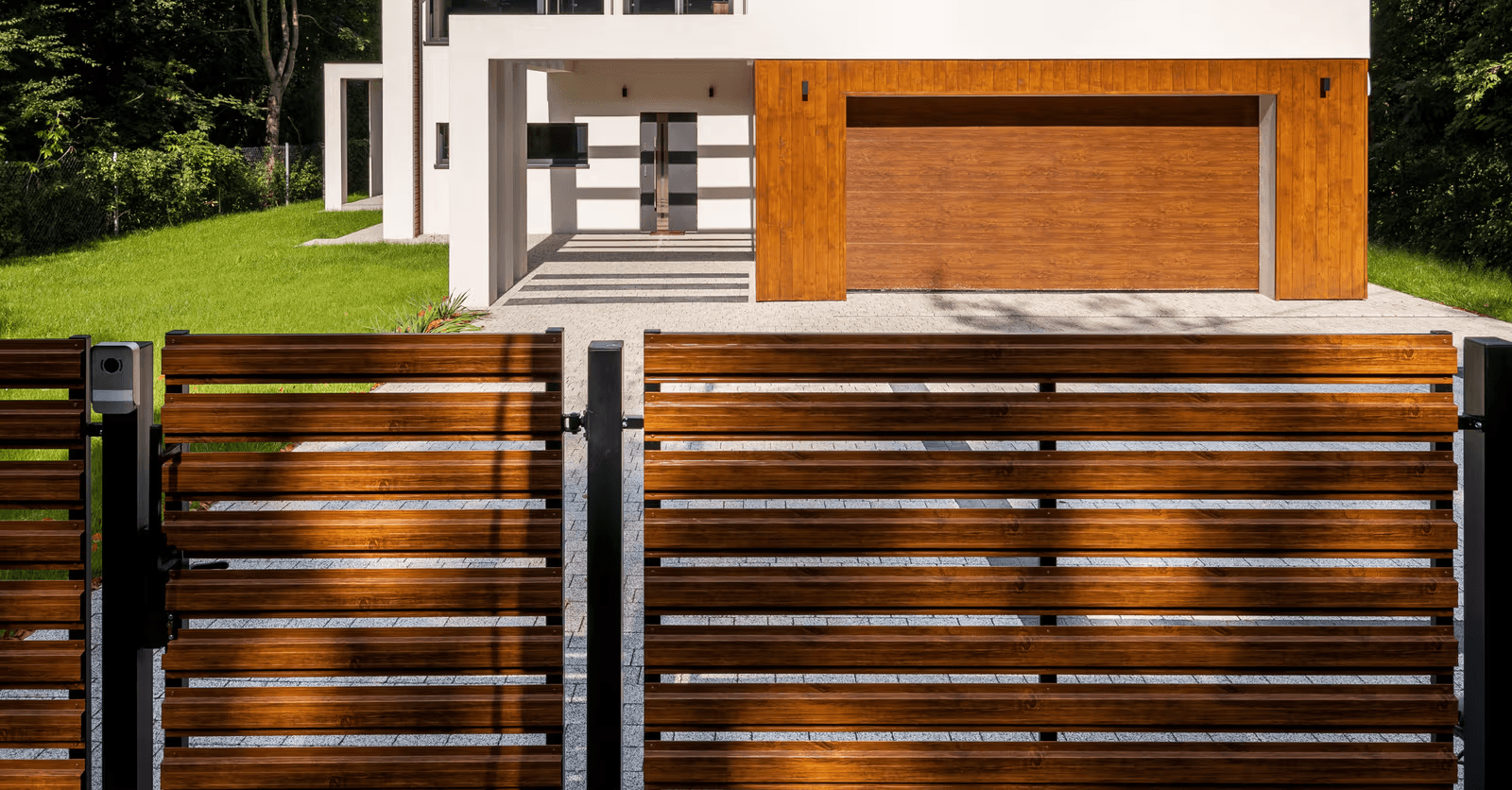
Source: Canva
The longest-lasting option here, and genuinely maintenance-free across its entire lifespan.
$50 to $120 per linear foot installed.
Aluminum doesn't rust, which matters in coastal and road-salt environments where steel corrodes. It's available in over 120 models, so matching a specific architectural style is realistic.
The cost is justified by longevity rather than by appearance alone. At 30 to 50 years it outlasts every alternative except masonry.
Composite
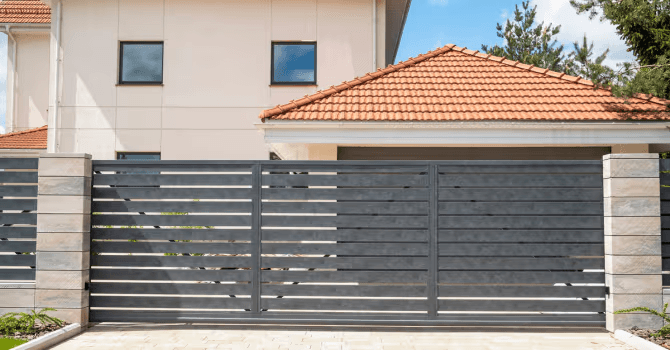
Source: Canva
Resembles wood but is manufactured from wood fibre and polymer, with a UV protection coating and no need for staining.
$85 to $155 per linear foot installed, the most expensive option in this guide.
Service life depends entirely on which product line you buy. Hollow and budget panels last 10 to 15 years. Solid premium composite carries 25 to 30-year warranties, and some manufacturers offer limited lifetime coverage. That spread is why asking for material samples matters more here than with any other material, and why you should test them for scratch resistance before committing.
Good composite fencing is heavy, which means it needs a solid foundation, substantial posts, and a secure fastening system. Some manufacturers include aluminum frames, which simplifies installation considerably.
Privacy Fence vs. Decorative Fence
These serve different purposes, and the cost difference follows from the material each requires.
Privacy fence | Decorative fence | |
Typical height | 6 ft or taller | 3 to 4 ft |
Construction | Solid panels, no gaps | Open pickets or rails |
Common materials | Wood, vinyl, composite | Aluminum, ornamental steel, chain link |
Installed cost | $25 to $155 /linear ft | $15 to $120 /linear ft |
Primary benefit | Seclusion, noise reduction | Boundary definition, curb appeal |
Privacy costs more because it uses more material. A six-foot solid fence needs roughly twice the material of a four-foot picket, and the added height requires deeper posts and more concrete.
What privacy fencing buys beyond seclusion:
Noise reduction: A solid fence measurably reduces road and neighbour noise, though it won't eliminate it.
Security: Height and the absence of footholds deter casual entry.
Outdoor enjoyment: The practical reason most homeowners cite, since a private yard gets used more than an exposed one.
Possible insurance premium reductions: Some insurers discount for pool enclosures that meet municipal fencing requirements. Worth asking.
Western red cedar privacy fence panels are the most common choice in Canada, balancing the natural resistance to insects and decay against a manageable price.
What Affects Fence Cost
Material and Style
The spread runs from $15 to $155 per linear foot installed, and material accounts for most of it. Within a material, grade and style matter: a basic board fence costs considerably less than a board-on-board or shadowbox design in the same lumber.
Height and Length
Both scale the cost, but height scales it faster than linear feet do. A six-foot fence uses roughly 50% more material than a four-foot fence and needs deeper posts, which means more concrete and more labour per post.
Labour
Labour accounts for 40% to 60% of a typical fence project. Most Canadian fence contractors quote by the linear foot at $8 to $20 depending on material and site conditions, which is the figure worth comparing between bids.
Where hourly rates apply, they vary widely. Basic labour runs $35 to $65 per hour, while licensed and insured fencing contractors typically bill $60 to $120 or more. A quote well below the others often reflects an uninsured crew, which matters if someone is injured on your property.
Complexity drives labour more than anything else: post setting on rocky ground, racking panels to follow a slope, and working around existing structures all add hours.
Gates and Features
Every gate costs more than the equivalent run of fence, because it needs its own posts, hardware, and adjustment. Count your gates before comparing quotes, since two estimates can differ by $1,000 on gate count alone.
Decorative top treatments, lattice additions, and post caps each add material and installation time.
Site Conditions
Access determines how much of the crew's day is spent working rather than carrying. A backyard reachable only through a narrow side gate costs more to fence than one with driveway access.
Maintenance Requirements
This doesn't affect the quote but it affects what the fence costs you. Wood needs staining every two to three years at $2 to $5 per linear foot. Vinyl, aluminum, and composite need essentially nothing.
Regional Price Variations
Fence costs differ meaningfully across Canada, driven by labour rates, material availability, and climate.
Region | Typical installed cost per linear foot |
Toronto and GTA | $35 to $150 |
Vancouver and Lower Mainland | $35 to $140 |
Ontario, outside the GTA | $30 to $100 |
Calgary and Edmonton | $25 to $90 |
Montreal and Quebec | $25 to $90 |
Prairies and Atlantic Canada | $20 to $80 |
What Drives the Difference
Labour rates: The largest single factor, with Toronto and Vancouver running 30% to 40% above smaller markets.
Material availability: Cedar is cheaper in British Columbia and more expensive in the Prairies, where transportation expenses add up.
Seasonal demand: Spring and early summer are peak across Canada, and rates reflect it. Late fall pricing is softer.
Local regulations: Permit requirements and height restrictions vary by municipality, which affects both cost and what's possible.
Climate Considerations
Frost depth determines post depth, and that varies considerably across the country.
Posts must be set below the frost line or the fence heaves and shifts each winter. In much of Ontario and Quebec that means 4 feet, in the Prairies deeper still, and on the West Coast considerably less. Deeper posts mean more digging, more concrete, and higher labour.
Coastal and road-salt environments reward corrosion-resistant materials. Aluminum and vinyl-coated chain link outlast galvanized steel substantially near salt water or along heavily salted roads.
Reinforced installation techniques are standard in high-wind areas, including closer post spacing and heavier footings, and they add to the cost.
Hidden and Additional Costs
The per-foot figure covers the fence. These are what turn a quote into a final invoice.
Item | Cost |
Standard gate | $300 to $900 each |
Double or driveway gate | $900 to $2,500 each |
Existing fence removal, any material | $5 to $12 per linear foot |
Post removal, concrete footings | $20 to $50 per post |
Permit | $100 to $500 |
Property survey | $500 to $1,500 |
Utility locate | Free, but requires lead time |
Site preparation and grading | $500 to $2,500 |
Decorative top treatments or lattice | $8 to $20 per linear foot |
Removal cost depends on the footings more than the material. Rotted wood panels come down easily but their concrete post bases don't. Vinyl and metal panels unbolt quickly, though their posts are set the same way.
Permits and Local Rules
Most Canadian municipalities require a permit when a fence exceeds a certain height, sits near a property line, or encloses a pool.
Height limits are the usual constraint, commonly 6 feet in rear and side yards and 3 to 4 feet in front yards. Corner lots often face additional sightline restrictions.
Pool enclosures carry their own rules on height, gate self-closing hardware, and gap dimensions, and these are enforced rather than advisory.
Proceeding without a permit can mean fines and, in the worst case, being ordered to modify or remove a completed fence. Homeowners associations layer their own restrictions on top in some developments.
Utility Marking
Call before you dig. ClickBeforeYouDig.ca routes you to your provincial service, whether that's Ontario One Call, Info-Excavation in Quebec, or Utility Safety Partners in Western Canada.
The service is free, takes a few business days, and marks gas, electrical, water, and telecommunications lines. Digging post holes without it risks striking a line, which is dangerous and expensive. Most reputable contractors arrange this automatically, but confirm.
Property Surveys
If your property line isn't clearly established, a survey at $500 to $1,500 is the cheapest insurance available on this project.
Fence disputes with neighbours are expensive and slow, and a fence built over the line may have to come down regardless of who paid for it.
Difficult Terrain
Slopes, rocky ground, tree roots, and restricted access all add labour. Expect $5 to $10 per linear foot extra for challenging conditions.
Sloped ground requires either stepped panels, which leave gaps at the bottom, or racked panels that follow the grade. Racking costs more and looks better.
Installation Timeline
A standard 150-foot wood privacy fence takes a two-person crew two to three days. The whole process from first call to finished fence runs considerably longer.
Stage | Typical duration |
Initial consultation and property assessment | 1 to 3 days to schedule |
Quote and material selection | 2 to 7 days |
Permit approval, if required | 1 to 4 weeks |
Utility locate | 3 to 5 business days |
Material delivery | 1 to 3 weeks, longer for custom |
Post setting and concrete curing | 1 to 2 days |
Panel installation | 1 to 2 days |
Budget four to eight weeks from first contact to completed fence, and longer in peak season.
What Extends the Timeline
Permit processing: The most common delay, and entirely outside the contractor's control.
Material delivery: Custom composite and ornamental aluminum carry longer lead times than stock wood or chain link.
Access to the property: Restricted access means more time moving material and less time building.
Concrete curing: Posts need time to set before panels go on, which is why most fences aren't built in a single day.
Weather: Frozen ground stops post digging entirely, which is why fence season runs roughly April through November in most of Canada.
What Happens During Installation
Property assessment and accurate measurement, confirming the line and identifying obstacles.
Utility locate, marking buried services before any digging.
Post placement, dug below frost depth and set in concrete.
Curing, allowing the concrete to set before loading the posts.
Panel or rail installation, working from the posts outward.
Gate hanging and adjustment, which is the fiddliest part of the job.
Cleanup and debris removal.
DIY or professional installation?
What DIY Saves
Labour is 40% to 60% of a fence project, so doing it yourself is a genuine saving. A 150-foot wood privacy fence costs $3,000 to $6,000 in materials against $6,000 to $12,000 installed.
On chain link, DIY can cut the per-foot cost by 30% to 40%.
What It Requires
Proper post setting: Posts below frost depth, plumb, and properly spaced. This is where DIY fences fail, and the failure shows up the first winter.
Level installation: Maintaining a consistent line and height across uneven ground is harder than it appears.
Concrete mixing: A 150-foot fence needs 20 or more post holes, each taking a bag or two of concrete.
Specialized equipment: A post hole auger, level, string line, and saw, most of which can be rented.
Local building codes: Height limits, setback requirements, and pool enclosure rules apply regardless of who installs the fence.
Property line considerations: Build on the wrong side of the line and you may be removing it later.
Permits: Required whether you hire out or not.
When to Hire a Professional
Challenging terrain: Slopes requiring racked panels, rocky ground, and sites with drainage issues all demand experience.
Heavy materials: Composite and ornamental aluminum need proper equipment and often two or more people simply to position panels.
Pool enclosures: These carry code requirements that are inspected, and getting them wrong means redoing the work.
Insurance coverage and warranties: The underrated reason. Professional installers carry liability insurance and typically warranty their workmanship for one to five years. A DIY fence has neither, and some material warranties require professional installation to remain valid.
Many contractors also offer financing options, which spreads a $10,000 project across manageable payments.
Long-Term Value and Cost-Benefit
Cost Per Year of Service
The installed price matters less than what it costs you annually over the fence's life.
Fence type | Installed, 150 ft | Expected lifespan | Cost per year |
Chain link | $2,250 to $6,000 | 15 to 20 years | $113 to $400 |
Pressure-treated wood | $3,750 to $8,250 | 10 to 15 years | $250 to $825 |
Cedar wood | $5,250 to $11,250 | 15 to 25 years | $210 to $750 |
Vinyl | $6,750 to $14,250 | 20 to 30 years | $225 to $713 |
Aluminum | $7,500 to $18,000 | 30 to 50 years | $150 to $600 |
Composite, premium | $16,500 to $23,250 | 25 to 30+ years | $550 to $930 |
Read the ranges as outer bounds. The low figure assumes a budget install reaching its maximum lifespan, which is optimistic, and the high figure assumes a premium install failing early, which is pessimistic. Most fences land in the middle.
Aluminum is the standout. At $150 to $600 per year it's the cheapest option on this table over a full lifespan despite costing more than vinyl upfront.
Pressure-treated wood is the opposite. Cheap to install and shortest-lived, which means replacing it two or three times over the life of a single aluminum fence.
Maintenance Over the Lifespan
Amortizing costs properly means including upkeep.
Wood needs staining or sealing every two to three years at $2 to $5 per linear foot. On a 150-foot fence that's $300 to $750 per cycle, which over 15 years adds $1,500 to $3,750 to the total.
Vinyl, aluminum, and composite need occasional washing and nothing else.
That maintenance gap closes much of the apparent price difference between wood and vinyl over a 20-year horizon.
Property Value
A quality fence in good condition supports property value, particularly where privacy or pet containment is a selling point. A deteriorating fence has the opposite effect, reading as deferred maintenance to buyers and inspectors.
The return isn't dollar for dollar, and a fence is better understood as a feature that makes a property more usable and more saleable than as an investment that pays back.
Warranty Terms
Material warranties vary considerably: 20 years on vinyl colour retention, lifetime limited on some aluminum systems, and 25 to 30 years on premium composite.
Workmanship warranties come from the installer and typically run one to five years. They're separate from the material warranty, and they're what covers a post that heaves or a gate that sags.
Ask for both in writing, and confirm whether the material warranty requires professional installation.
How to Save on Fencing
Get three quotes: The spread on identical work is frequently 30% or more.
Schedule in the off-season: Late fall and early spring are quieter than June and July, and contractors often discount to fill the schedule.
Handle preparation yourself: Clearing the fence line and removing an old fence can cut labour costs meaningfully.
Ask about bundled pricing: Suppliers occasionally offer material packages or combined-service discounts on larger orders.
Fence only what you need: Many properties only need privacy fencing on one or two sides, with chain link or decorative fencing elsewhere.
Choose pressure-treated over cedar: Worth doing if upfront cost is the constraint, accepting the shorter lifespan and more frequent maintenance.
Reduce your gate count: Gates are the most expensive linear feet on the project.
Build to standard heights: Custom heights mean custom panels and higher material costs.
Where not to economize: post depth and post quality. A fence is only as good as what holds it up, and posts set above frost depth will move every winter regardless of what's attached to them.
What should you budget?
For most Canadian homeowners, a fence costs $25 to $95 per linear foot for standard wood or vinyl privacy fencing, which puts a typical 120 to 150 foot backyard between $3,500 and $12,000. Chain link comes in below that and composite well above.
Two things move the number most. Material choice spans $15 to $155 per linear foot, and it's the largest single decision. Site conditions are the largest unknown, since slopes, rocky ground, and restricted access each add $5 to $10 per foot and aren't always obvious from the street.
Get three itemized quotes that separate material, labour, gates, removal, and permit costs. Confirm your property line and your municipality's height limits before anyone orders material.
Frequently Asked Questions
How much does a fence cost in Canada?
$15 to $155 per linear foot installed, with most backyard projects totalling $3,500 to $12,000. Chain link is cheapest at $15 to $40 per foot, pressure-treated wood runs $25 to $55, vinyl $45 to $95, and composite $85 to $155.
How much does it cost to fence a backyard?
A typical 120 to 150 foot suburban backyard costs $1,800 to $6,000 in chain link, $3,000 to $8,250 in pressure-treated wood, $5,400 to $14,250 in vinyl, and $10,200 to $23,250 in composite.
What is the cheapest fence to install?
Chain link at $15 to $40 per linear foot installed. For privacy, pressure-treated wood is the most affordable at $25 to $55 per foot. Chain link with privacy slats, at $5 to $12 per foot extra, sits between the two.
How much does a fence cost per linear foot?
$15 to $40 for chain link, $25 to $55 for pressure-treated wood, $35 to $75 for cedar, $45 to $95 for vinyl, $50 to $120 for aluminum, and $85 to $155 for composite. Projects under 60 feet cost $5 to $10 more per foot than longer runs.
How much does a chain link fence cost?
$15 to $40 per linear foot installed, or $2,250 to $6,000 for a 150-foot run. Vinyl-coated chain link adds 25% to 40% over galvanized, and privacy slats add $5 to $12 per linear foot.
How much of the cost is labour?
40% to 60% on most fence projects. Most contractors quote by the linear foot at $8 to $20 rather than hourly. Where hourly rates apply they range from $35 to $65 for basic labour up to $60 to $120 or more for licensed, insured contractors.
Do I need a permit to build a fence?
In most Canadian municipalities, yes, particularly if the fence exceeds a height limit, sits near a property line, or encloses a pool. Permits run $100 to $500. Building without one risks fines or an order to modify or remove the fence.
How much does fence removal cost?
$5 to $12 per linear foot for most materials, plus $20 to $50 per post where concrete footings need to come out. The footings drive the cost more than the panel material does. Handling removal yourself is one of the more realistic ways to cut labour costs.
How long does fence installation take?
A 150-foot wood privacy fence takes a two-person crew two to three days to build. The full process including quotes, permits, utility locates, and material delivery usually runs four to eight weeks, and longer in peak season.
Can I install a fence myself?
Yes on level ground with straightforward materials, saving 40% to 60% in labour. The critical skill is post setting below frost depth, which is where DIY fences fail. Hire out for slopes, rocky ground, heavy materials like composite, and pool enclosures.
How deep do fence posts need to be?
Below the local frost line, which varies by region. That means roughly 4 feet in much of Ontario and Quebec, deeper in the Prairies, and considerably less on the West Coast. Posts set too shallow heave and shift every winter.
Which fence lasts the longest?
Aluminum at 30 to 50 years, followed by premium composite and ornamental steel at 25 to 40 and vinyl at 20 to 30. Pressure-treated wood is shortest at 10 to 15 years. On cost per year of service, aluminum is cheapest at $150 to $600 annually despite the higher upfront price.
Does a fence add value to my home?
A quality fence in good condition supports property value, particularly where privacy or pet containment matters to buyers. The return isn't dollar for dollar, and a deteriorating fence reads as deferred maintenance, which works against you.
Looking for something else?
Related articles
The latest industry news, interviews, technologies, and resources.
Editorial Team
•11 Nov 2024
Structural framing is one of the key components of building a new home and plays a crucial part in the strength and durability of the structure as a whole. The type of frame chosen can, and will, have a significant impact on overall construction costs. Naturally, custom framing costs more per square foot than a prefab.
Léa Plourde-Archer
•27 May 2025
Building a porch on the façade of your home can offer a beautiful addition to the great outdoors. Whether entertaining or simply enjoying a summer evening breeze, homeowners like yourself often splurge to add this home accompaniment. But with any renovation project, there are always costs involved. So, exactly how much does it cost to build a brand new porch?
Editorial Team
•24 Oct 2024
Hot water usage is one of the biggest contributors to household energy bills, especially in Australia where hot water is essential for everyday living. Rising energy costs have made it more important than ever to find ways to reduce hot water expenses, without compromising on comfort. With some simple changes, you can lower your energy consumption and save money.
Editorial Team
•31 Mar 2025
It’s a well-known fact that windows are more than a vital part of a home. During the day, they allow natural sunlight to seep in, and in summer, they allow for a nice, occasional breeze of fresh air.

Editorial Team
•18 Feb 2025
In the province of Quebec, the construction industry is particularly monitored and regulated. Hence why we’re making a point of raising awareness among residential homeowners regarding the importance of dealing with contractors holding the right RBQ licence.