How to highlight the architectural details of your home: the exterior
By Editorial Team
Updated on November 3, 2025
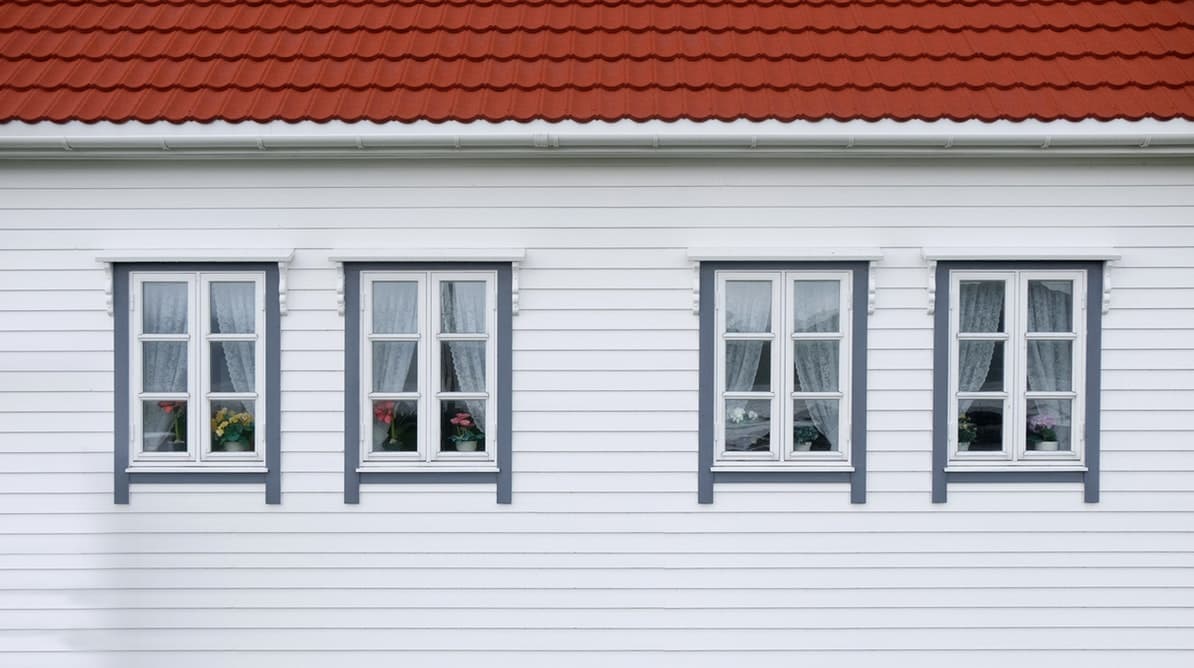
Your personality can truly shine by way of your home’s architectural details. As you've likely noticed, there are plenty of different style choices and preferences out there.
You may stick to a single strict style or mix and match a few different options: Victorian, Contemporary, Colonial, Rustic, and Industrial are all commonly explored.
Whichever you identify with, highlighting the architectural details and features will help to set your home apart from others on the block. This is true for the interior too, as you should always be thinking about elements of your home that make it truly your own.
Even if you live in an area where all the homes are similar, there are little steps you can take to allow your home to stand out. How can we explore all of the ways to highlight the architectural details of your home? Keep reading and we’ll lay it out for you.
How to highlight the architectural details of your home: the exterior
Choose your home’s defining features

Let’s consider the exterior of our home and think about some of the defining features that may help us stand apart from others. These include:
window and door trim;
pergolas;
trim boards;
exterior moulding;
shutters;
columns;
pediments;
louvres;
crossheads.
Take a walk around your property, and consider your house from various angles. There are plenty of other questions to consider that will help you decide why you should add alternate architectural features to your homes, for example, what functions will these new features serve, if any? How does it sit on your lawn? How does it compare to your neighbours' homes? How does your landscaping work with your décor? Answer these to try and narrow down areas you want to define as well as potential features that could be a welcome addition!
A splash of colour
It should come as no surprise that using colour to highlight and emphasize aspects of the exterior of your home is a tried and true method. Of course, painting the entire outside of a house is going to cost far more than simply adding an accent wall to your bedroom. But, paint is almost always the most budget-friendly approach to changing up the style and appearance of a home, helping to draw on aspects that you want to bring attention to.
Many homeowners choose to adhere to the rule of threes and that is three tones that are complementary shades or three contemporary colours. We’d suggest this method, as it works best for both style and cohesion.
Depending on the architectural style of your home, there will be some obvious features that you may want neighbours and strangers to notice. If your home is Victorian and boasts gingerbread detailing, maybe consider painting this feature a lighter shade so that it further stands out from the façade of your home. If your front door is offset or unique, maybe paint it a bright colour to draw more attention to it.
Your house’s gutters are an area that can take away from interesting architectural detail, appearing clunky. If they’re standing out, consider using paint to blend them in with your home’s façade and disappear. If you’re unsure about the right colours to choose from, consider asking an expert to assist you with your choices.
Would you like to have an estimation of the cost of your next exterior painting project? Check out our article Exterior Painting Projects: Average Prices for 2022.
Lighting
Strategically placed lighting can take a home from sitting in a corner in the dark to being on display. Lighting can be used to put architectural elements you wish to emphasize directly on display. If your exterior is donned with specific brick or stonework that you’d like to stand out, consider installing wash lighting which will offer some drama and contrast to help these areas stand out. If there are columns or trim that you’re proud of, we’d say think about spotlights for these areas.
Your yard, garden or landscape is another place to experiment with lighting. Lights can make an otherwise dull greenspace appear vibrant and inviting. Make sure when you’re thinking about the exterior lighting of your home, you view it in the same way as you do the interior. This means considering every aspect, from the ground all the way up to your roof.
Would you like more information about this subject? Check out our article 3 Things to Know About Interior Lighting.
Keep things simple

If the architecture of your home has adopted a specific style, then we’re saying you should stick with it as much as possible. As an example, if you’ve adopted a modern façade adding details such as trim reminiscent of Colonial or Victorian architecture will look awkward and confused.
Think about these details when it comes to landscaping as well. This should match the style of your architecture as much as possible. Do a bit of research to find landscaping layout, floral and plant ideas so that will highlight the style you’ve chosen.
Exterior accessories are another way to further accentuate your home’s style. If you’d really like a standout piece, maybe think about having a custom wood door, light fixture, mailbox or even an artisanal house number. Of course, make sure if you’re working with a craftsman that you’re clear about the style perimeters you’re working within.
To continue your reading on the subject, read our article 5 ideas to beautify the exterior of your home.
Looking for something else?
Related articles
The latest industry news, interviews, technologies, and resources.

Editorial Team
•06 Dec 2025
Pretty much all renovation projects consume a significant amount of time, money and patience. Of course, the reason most homeowners take on a renovation is to improve their quality of life as well as their home resale value.

Amanda Harvey
•14 May 2026
If you’re making moves on the home front and are looking to renovate your current abode, you are likely searching for a contractor to take on the job. The contracting industry may have seen better days, with holes in the current economy and heightened competition, sought-after tradespersons are in high demand.

Editorial Team
•12 Mar 2024
Labour mobility in the construction industry is an ongoing issue that garners its fair share of debates. In Quebec, different measures have been taken to foster the hiring of local labour. Still, these measures are often perceived as hurdles to labour mobility for workers from one region to another. In this article, we’ll take stock of the current climate of this situation.
Editorial Team
•16 Jul 2026
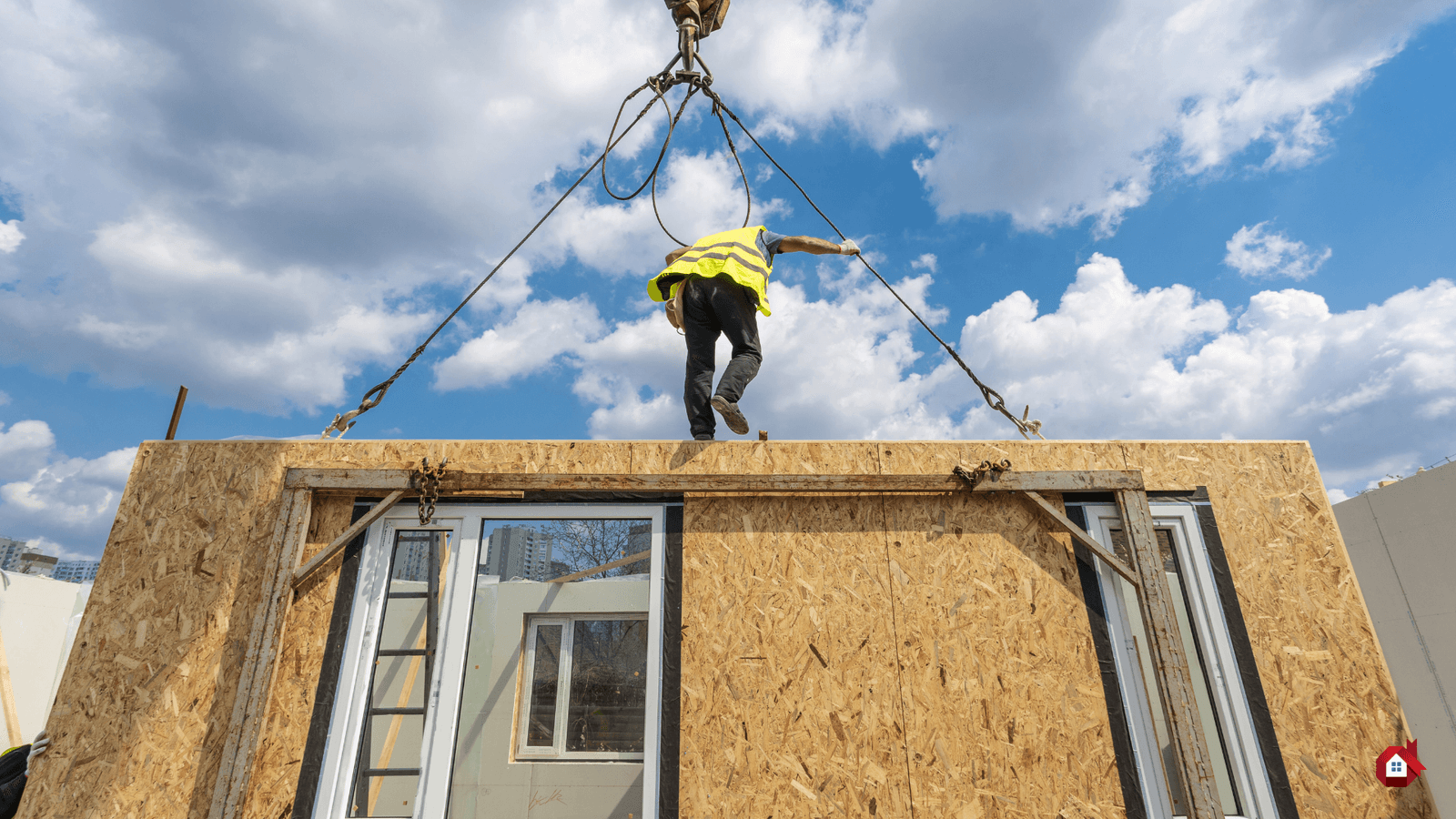
The housing crisis has been a pressing issue in Ontario for several years now, with rising prices and low availability making it increasingly difficult for residents to find affordable and suitable housing. In response to this, modular homes or housing have emerged as a potential solution that could help address these challenges and provide a more sustainable and efficient way to build homes in the province.
Cynthia Pigeon
•17 Aug 2026
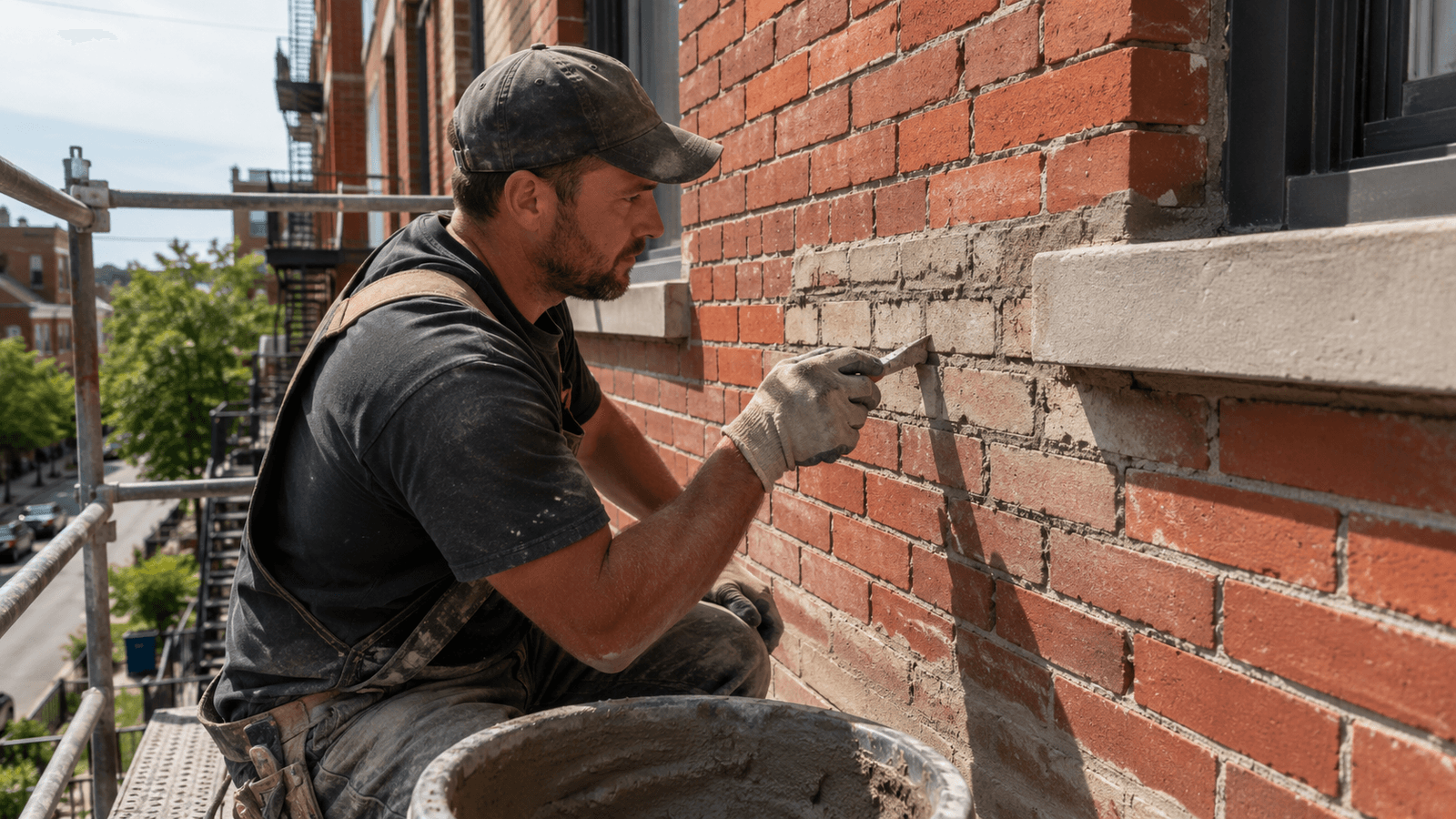
In Quebec, brick cladding is a defining architectural feature. Whether it is a 1970s bungalow in the Québec City area, a century-old plex with a red-brick facade in Montréal, or a heritage commercial building, masonry offers remarkable durability. However, while clay brick can last for more than a century, the mortar that binds the masonry units gradually deteriorates over time and is affected by weather (wind and precipitation).