What are the most effective ways to ventilate a basement?
By Cynthia Pigeon
Updated on October 24, 2024
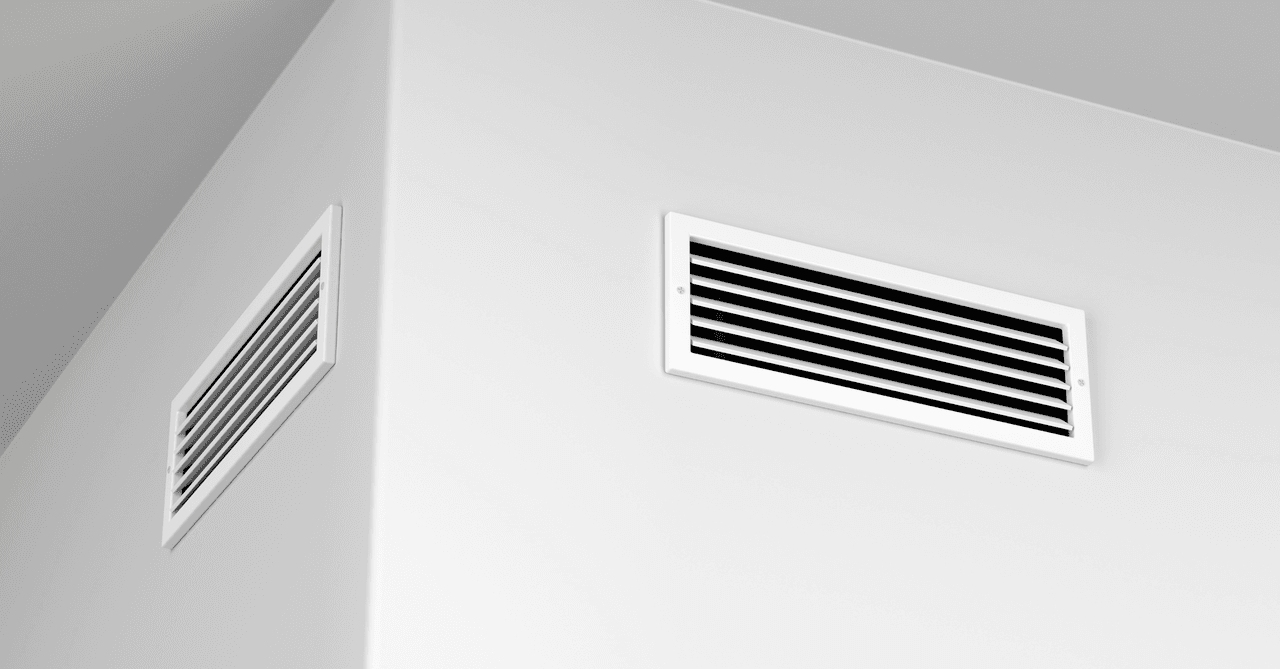
Since basements are especially isolated compared to the rest of the house, ventilation is essential to ensure that humidity levels are kept under control.
Note that, unlike the upper floors, the basement is a covered area, which very much affects the humidity levels. Poor ventilation can cause water infiltration, mould growth, rust and even deterioration of wall coverings.Therefore, you owe it to yourself, and your home, to effectively ventilate your basement.
Basement Ventilation Methods
1. Vents
Source : Canva
Vents may be an effective option if you have a basement below ground level, as it is an efficient way to ventilate crawl spaces, cellars, and basements. It allows for efficient air renewal and prevents mould growth in your basement.
Vents are also commonly used to ventilate crawl spaces since they are more efficient than ventilation hatches. To learn more, check out our article on crawl space insulation.
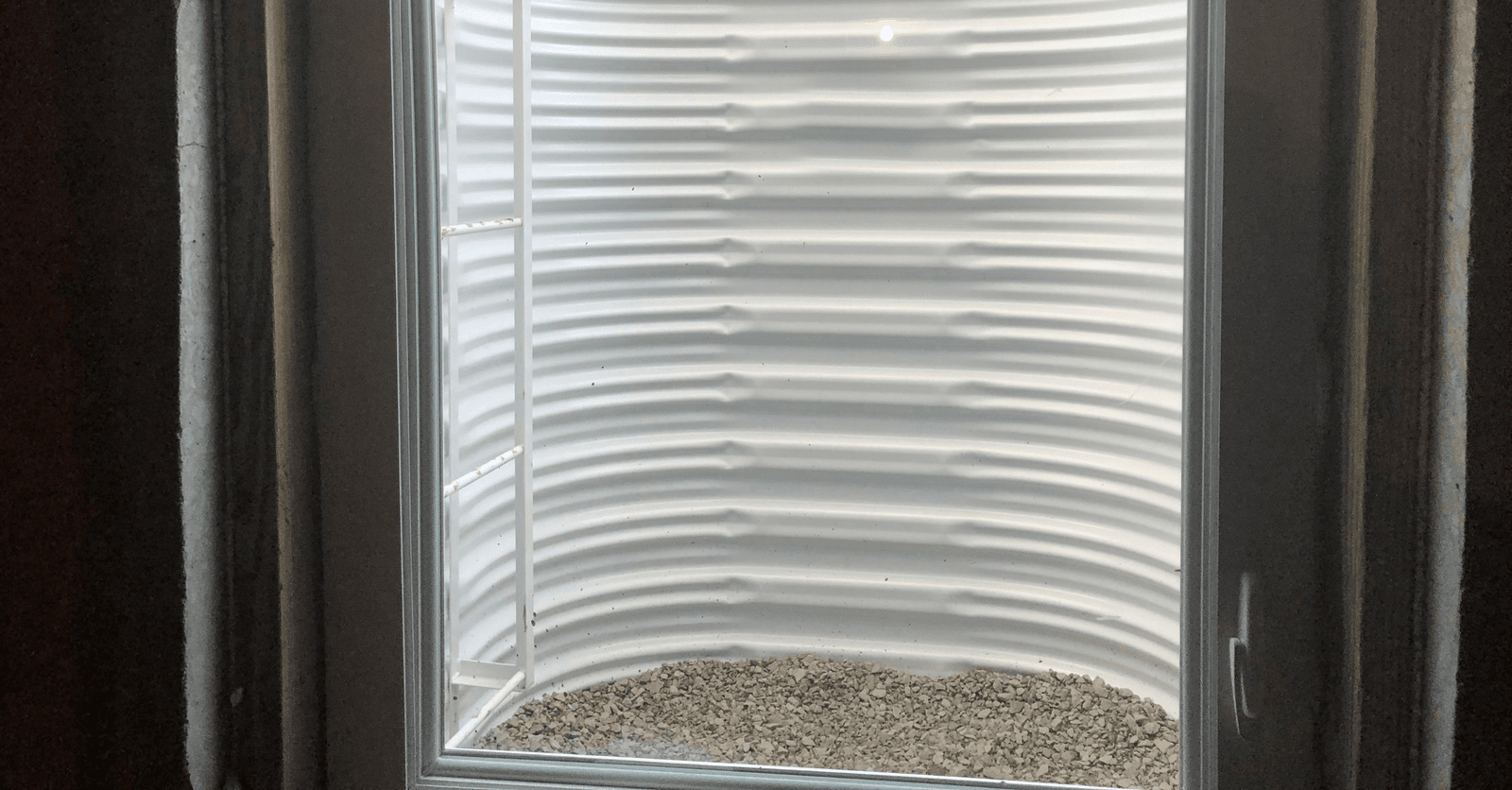
A vent consists of a frame which will be secured to the rear wall of the house. The upper part of the window well has a ventilation grid that is visible on the outer side of the house for ventilation purposes.
This type of apparatus varies in dimension according to the model, bear in mind that the depth can be increased if necessary. The vent is a versatile and subtle solution for various settings.
2. Adding Cellar Windows, Windows, and Air Grilles
Should your basement be above ground, it is vital to think about windows, cellar windows, or air grilles with transverse openings. In architecture, a cellar window is an opening made at the bottom of a building to allow light and air to enter a cellar, a basement, or any underground space. The cellar window is coupled with a panel that does not completely obstruct the opening, such as a door with a grate.
It is essential to keep these openings free of obstructions at all times. It is likely that during the winter period, this installation will be quickly covered with snow, hence the importance of clearing the snow as often as possible.
3. Basement Controlled Mechanical Ventilation (CMV)
Source : Canva
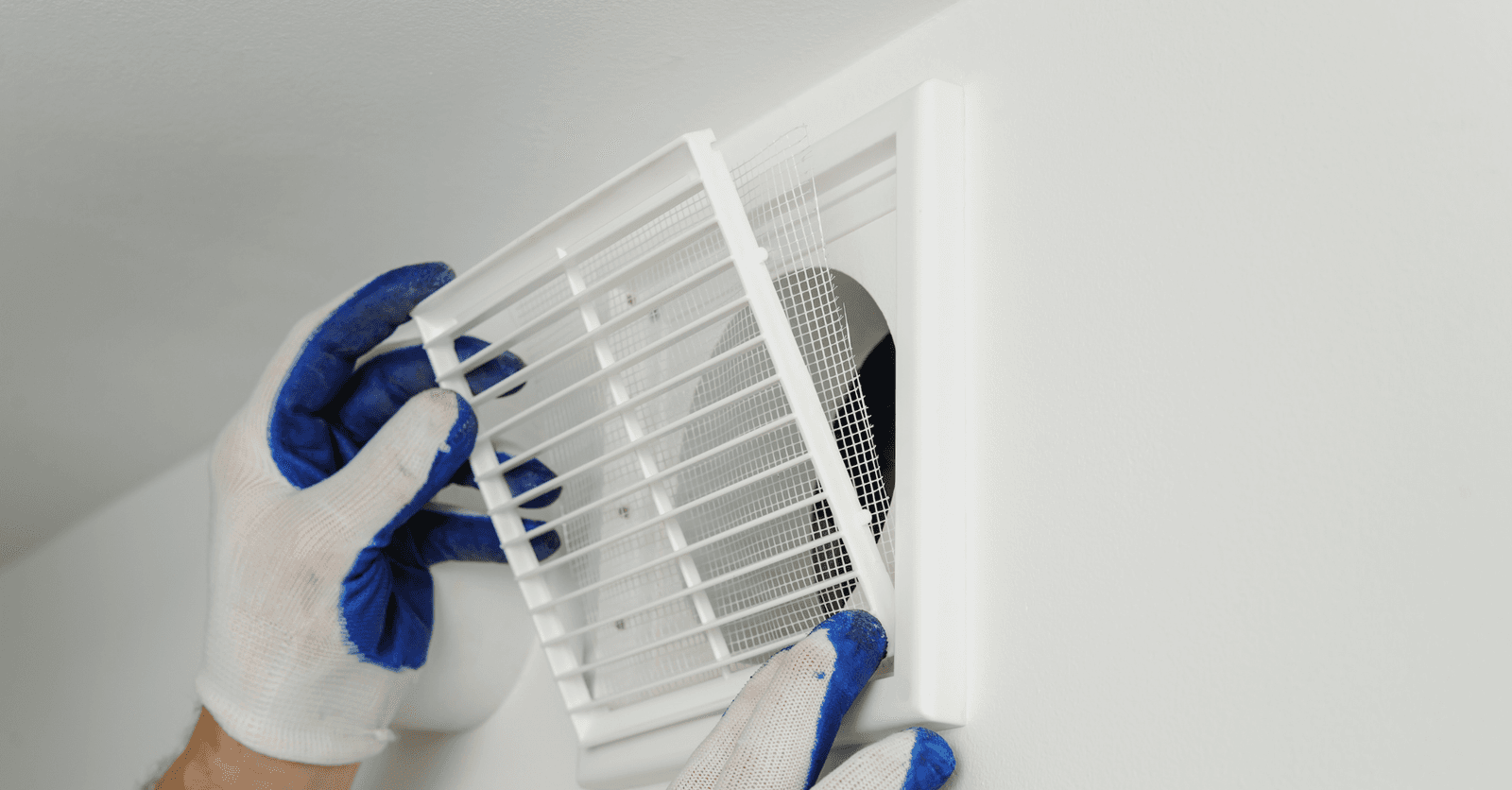
The preferred solution for optimal basement ventilation is the most modern one: controlled mechanical ventilation (or CMV), which is a mechanical and efficient process with numerous humidity sensors that allow for continuous adjustment of the humidity level in the air. This device prevents the build-up of condensation on basement walls and the growth of mould.
There are two types of controlled mechanical ventilation: single-flow CMV and double-flow CMV. The former works with a mechanical extractor, which is connected to extract units. This ventilation system is placed in humid areas and allows stale air to be aspirated and then replaced with new air.
Although the double-flow CMV is more sophisticated, it works in a similar way. The only difference is that the house must be perfectly insulated to allow the indoor air to be renewed using the heat recovered from the exhaust air.
4. Energy Recovery System (ERV)
An energy recovery system (ERV) uses the same principle as a conventional CMV but with one difference. In addition to evacuating humidity, it infuses new and purified air. Thus, the ventilation process is carried out by releasing clean, preheated air into the basement; the resulting increase in pressure then expels the stale air. Since the exhaust air is preheated, the use of heating is reduced.
Although this solution can be useful for the whole house, it is best suited for basement ventilation, as its greatest value is controlling humidity levels. Although the cost of the system is still relatively higher than the single- and dual-flow systems, it can be offset by the resulting savings in heating costs.
Unsatisfactory Basement Ventilation Methods
Source : Canva
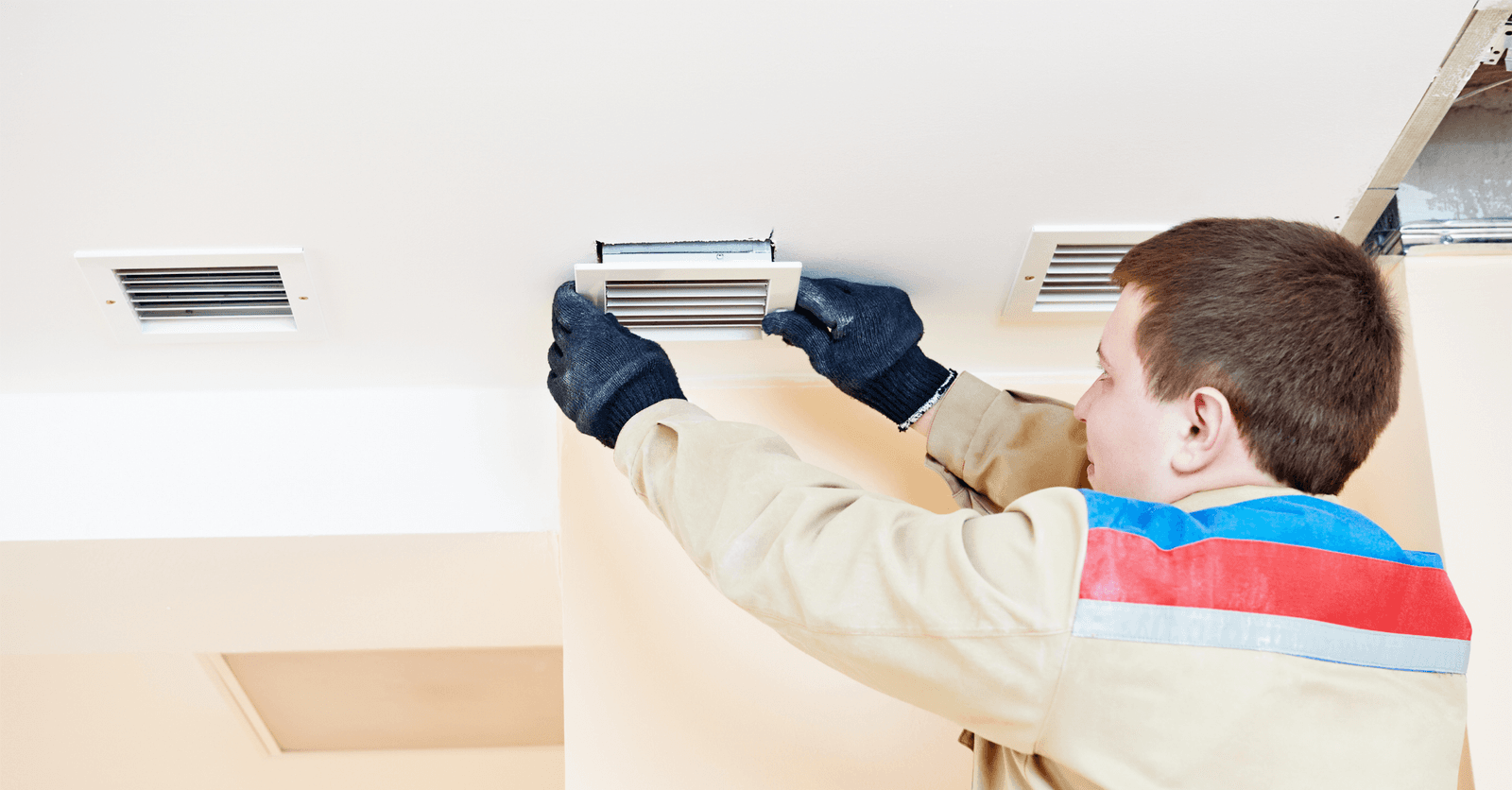
Drilling holes into the walls of a home is definitely something that should never be done. In fact, these air holes will not be sufficient in themselves to ventilate a basement, in addition to seriously compromising that area of the home’s structure.
Another way to air out a basement is to use a moisture absorber such as desiccants. This method does not remove the moisture, but rather retains the moisture within the bag. The inherent lack of control over the system means that the amount of moisture removed from the basement cannot be controlled, which can lead to excessively dry air.
Although the emphasis is often placed on the need to sufficiently ventilate a basement, note that too much ventilation in a specific space can also have harmful consequences. As such, note that too much ventilation can result in damage to the materials as well as compromise their durability.
Planning a basement renovation project? We have created a handy checklist to help you manage each step of the project : Basement Renovation Project: Checklist of the Steps to Follow.
Get 3 quotes for your basement ventilation project
RenoQuotes.com can help you get quotes for your basement ventilation project. If you submit your project to us, we’ll put you in contact with top-rated contractors. Fill in the form on the homepage (it only takes a few minutes), and you will get estimates from trusted professionals.
Dial 1-844 828-1588 to speak with one of our customer service representatives.
Looking for something else?
Related articles
The latest industry news, interviews, technologies, and resources.
Editorial Team
•21 Aug 2025
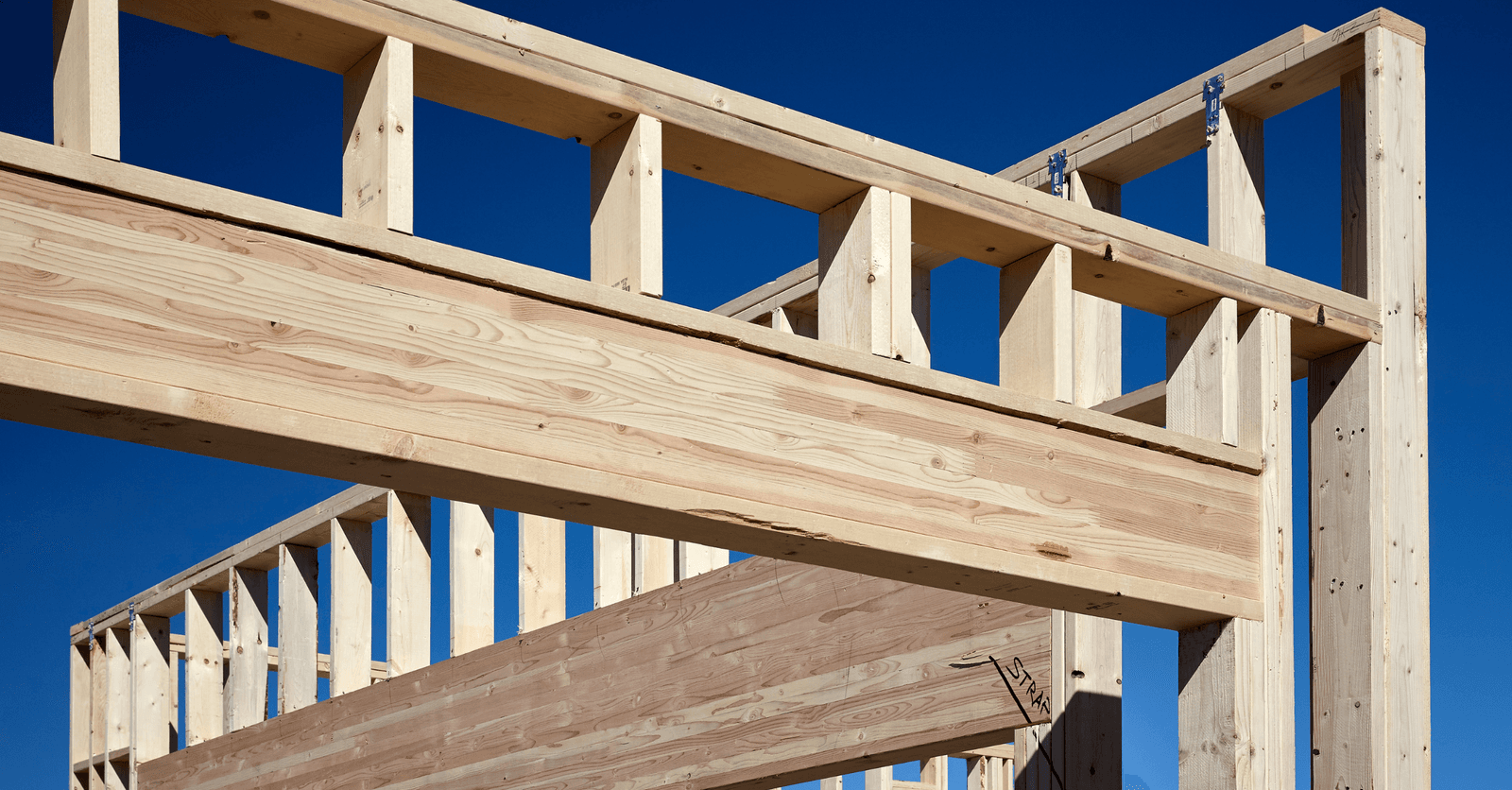
Glued-laminated timber framing is tomorrow’s building material. Not only does it have numerous advantages, but it also reflects the environmental shift underway across the construction industry.
Amanda Harvey
•08 Nov 2023
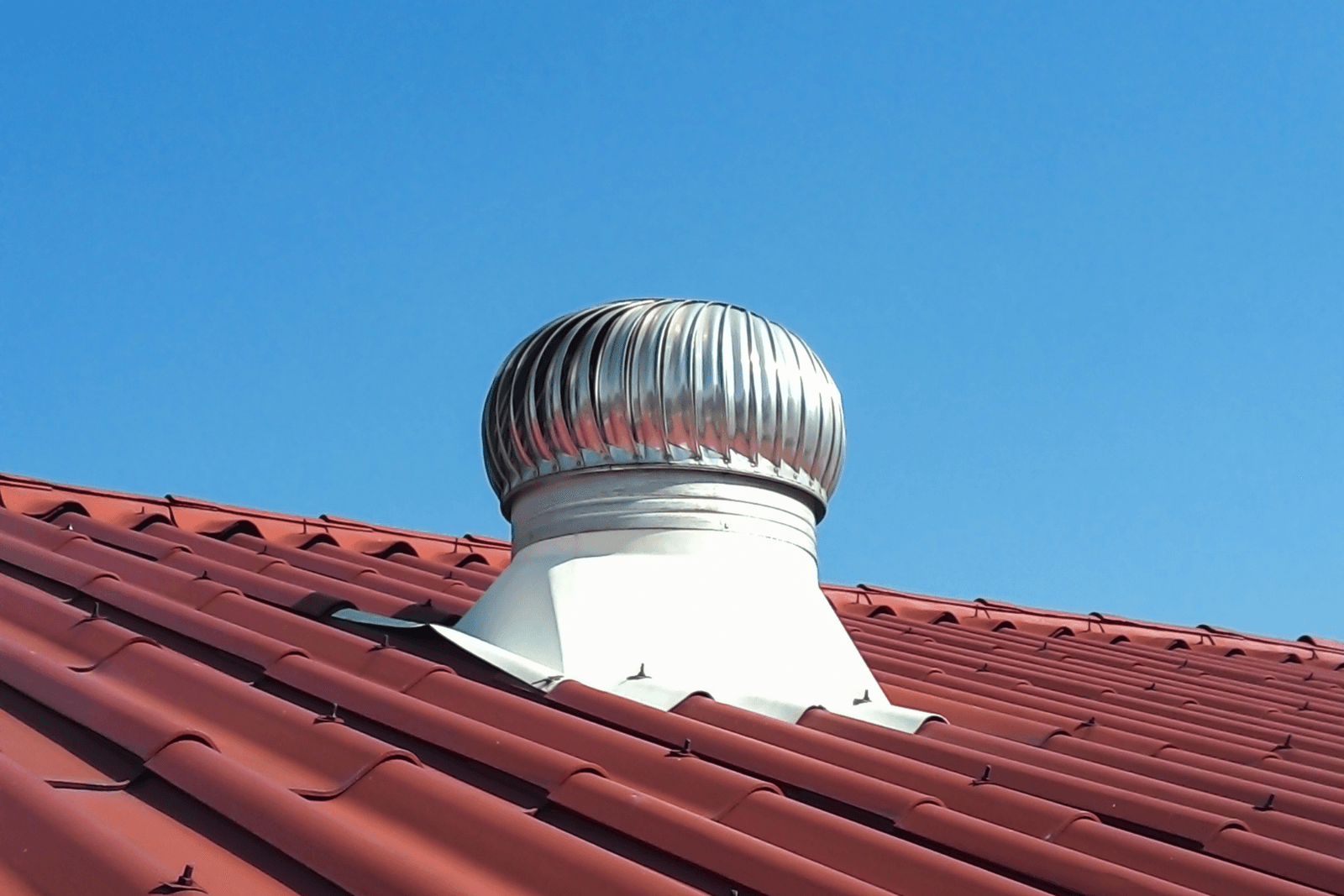
Let's be honest, modern life is busy. Between work, cooking, cleaning and additional day-to-day activities, every hour's filled to the brim. It's normal that you don't have the time to think about out-of-sight household things like attic ventilation. But you may not realize how important proper roof and attic ventilation actually is, not only for the maintenance and lifespan of your roof but for lower energy bills as well as the longevity of your home. Lack of proper ventilation can lead to a world of problems, and we're going to offer some information on a common solution: attic ventilation!
Editorial Team
•25 Jun 2026
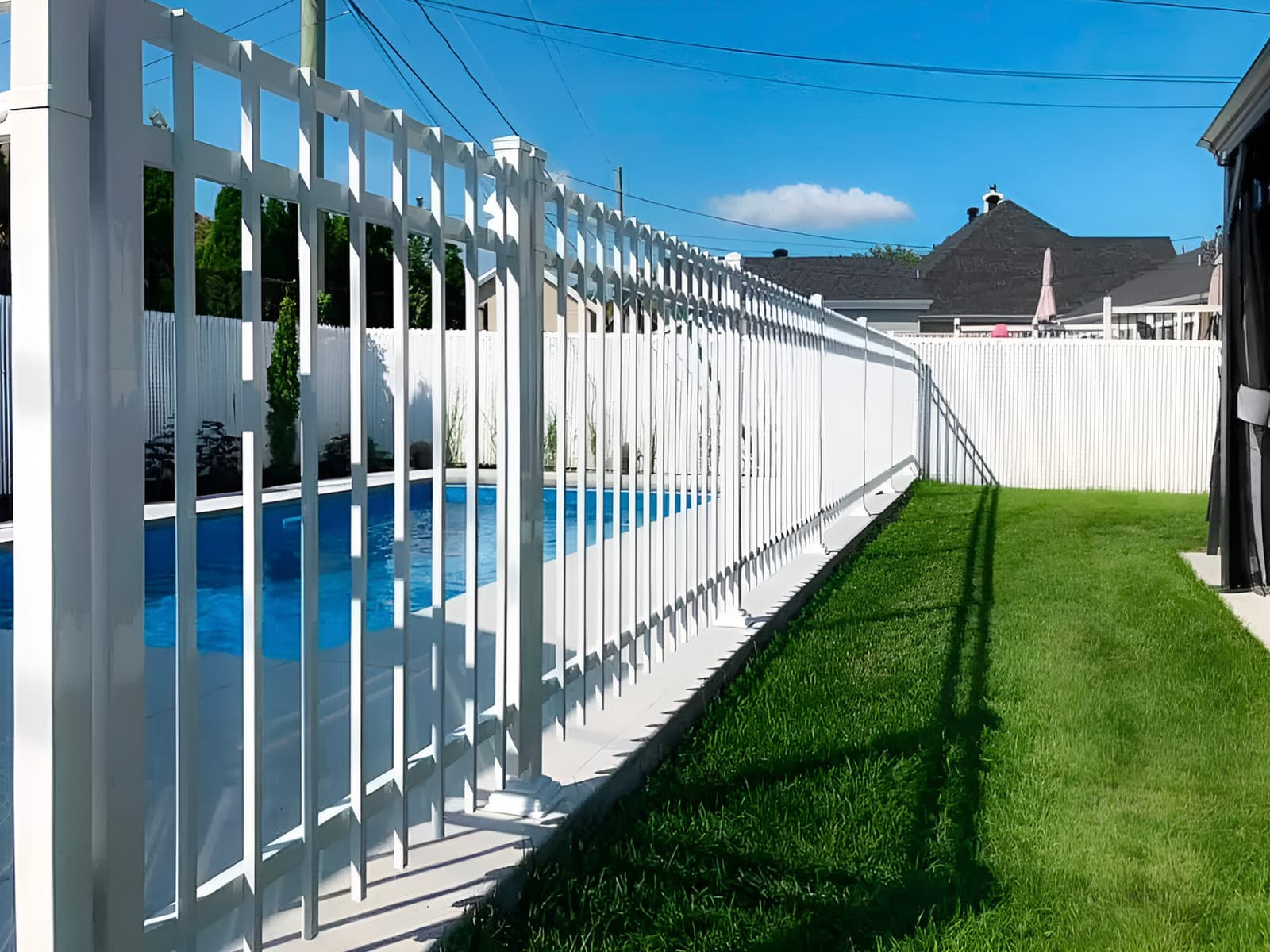
A pool fence is one of the most important safety features for a residential swimming pool. It helps limit access to the pool area, reduces the risk of accidents involving children or pets, and may be required by your province, city, or municipality.
Cynthia Pigeon
•30 Jan 2025
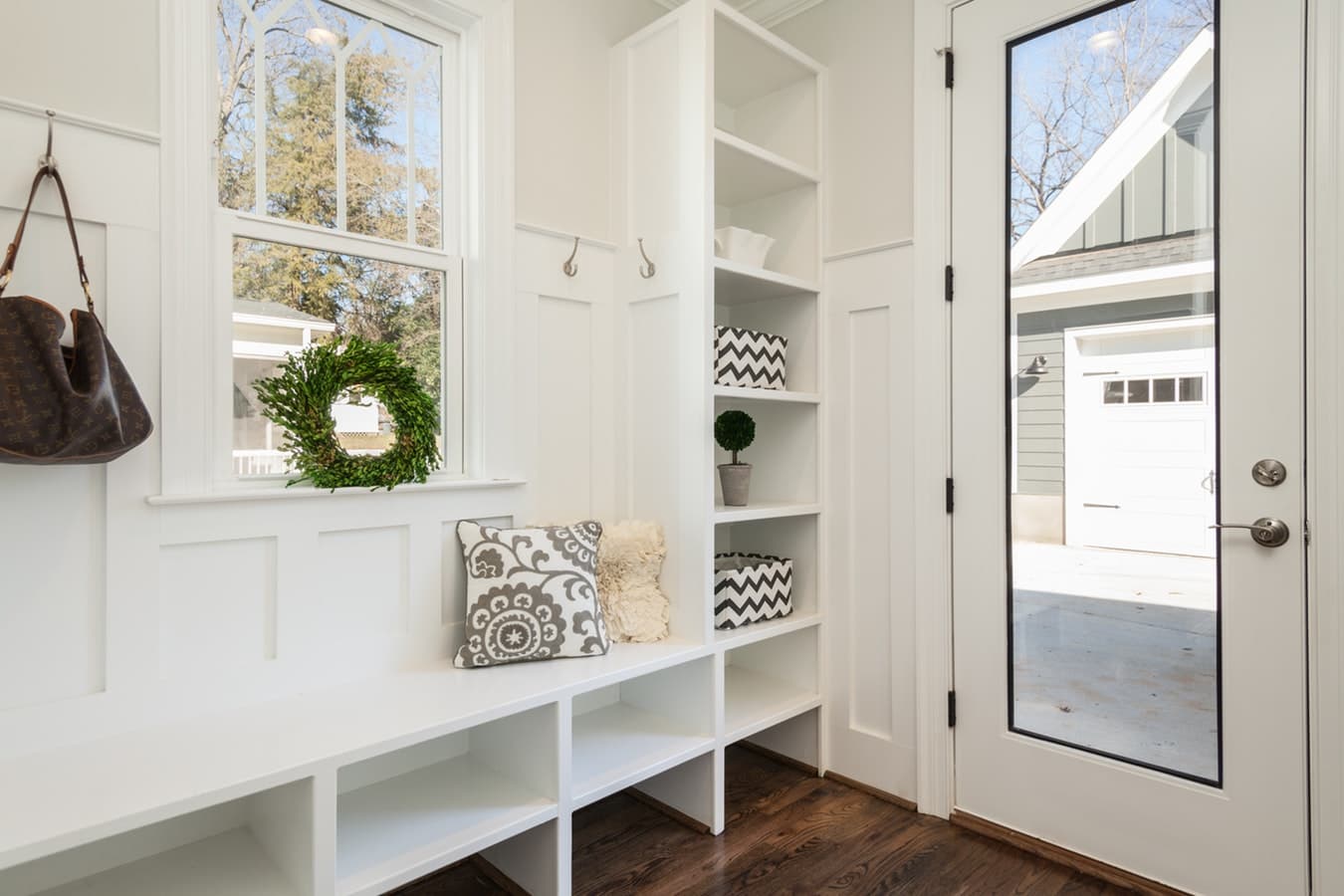
A home’s entryway rarely is made a priority when it comes to home remodelling and renovations. Usually, when it comes to organizing this space, it is most likely centred around functionality, embellished with a few decorative elements to make the space more inviting as a whole.
Editorial Team
•08 Nov 2023
The living room is almost exclusively devoted to enjoyable activities: watching television, getting together with the family, resting, playing video games and so on. As a result, practicality and comfortability are priorities when it comes to organizing the living room's layout.