4 things to know about the electric furnace
By Editorial Team
Updated on January 21, 2025
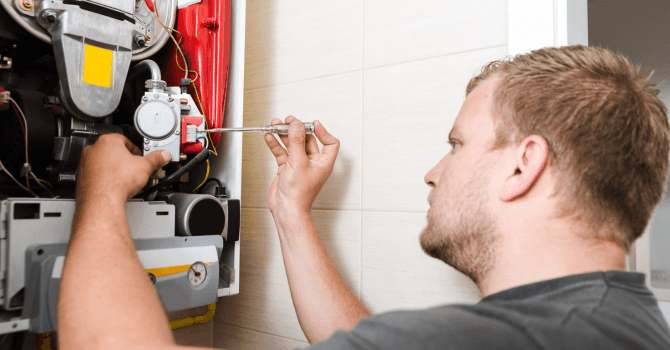
Keeping your home at a comfortable temperature year-round is an important task for any homeowner. There are plenty of home heating and cooling systems on the market for you to choose from, but we’re here to discuss the electric furnace as one of those options.
The electric furnace is a green-friendly heating system that is highly efficient, with the ability to transform 100 percent of the fuel into heat. However, electric heating is costly and thus, these systems may not be within your budget. If you’re looking to collect a little bit more information regarding the electric furnace, you’ve come to the right place.
Everything you need to know about the electric furnace
Source: Canva
How does an electric furnace work?
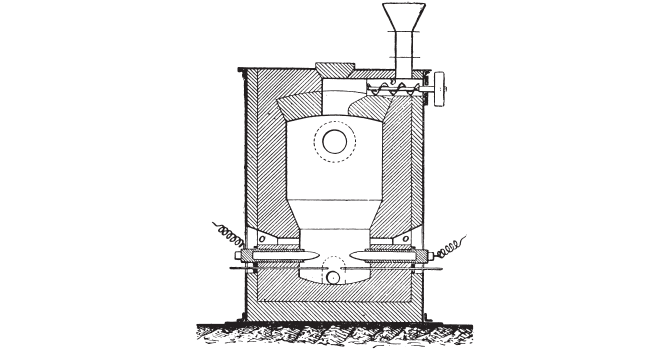
Since all electric furnaces have the same basic heating components, they offer a serious level of efficiency in working with the air of your home and converting energy into heat. But, how exactly does an electric furnace accomplish this? Well, for starters it’s important to understand the parts of your furnace to truly get how it functions.
Heating relays: these are in place to control the flow of electricity to heating elements
Heating elements: for converting electricity into heat
Plenum: an area that allows air to circulate more freely
Blower and motor: these pieces are important, as they are responsible for pushing heated air out of the furnace
Filter: the filter works to prevent the furnace from releasing excess dirt, dust, grime or other harmful materials into the surrounding air
Power relay: if it wasn’t already obvious, this works to control the power flow that runs through the furnace
Transformer: the transformer works to control voltage and transform it into the type necessary for your furnace
Air ducts: these are pretty important, as they suck in the air that will be heated
Sequencers: this functions to make sure that your furnace does not overload, and switches heating elements on and off in sequential patterns
Now that you understand the fundamental elements that make up an electric furnace, you may begin to see its complexities. This furnace operates in a similar manner to a gas forced-air furnace, except that it produces heat with electric heating elements in place of gas burners.
A great way to think about the way that these devices operate is to consider how a hairdryer works. Essentially, the blower draws air into the cabinet through a cold-air return, pushing the air into a heat exchanger. The air is then heated by the electric elements and the air is pushed back into rooms through the ductwork.
The advantages and disadvantages of an electric furnace
Source: Canva
Advantages of an electric furnace
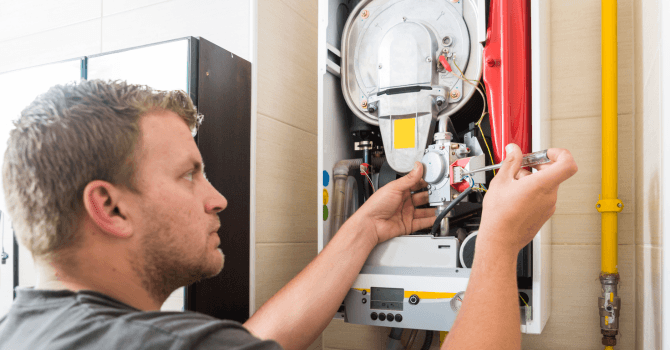
Now, as mentioned in our initial description, there are quite a few advantages to having an electric furnace and we’re going to go over them
Availability: Other home heating systems usually involve gas or oil, and these may not be as readily accepted in some places as electricity. Therefore, an electric furnace is fairly versatile and is more or less available in many different regions of North America.
Solar convertibility and green-friendly possibilities: The world is becoming more and more green-friendly, as homeowners are moving their way towards an environmentally conscious mentality. Electric furnaces are an excellent example of an eco-friendly heating system, as they can be connected to solar panels, and can be converted to a renewable source of energy. This is not a possibility when working with oil or gas furnaces, so it is a serious advantage when working with an electric furnace.
Cost: The initial cost of your electric furnace will be less than most other heating systems on the market. Money will be saved initially on this type of heating system.
Safety: The electric furnace is traditionally safer than oil or gas-fueled ones. The reasons why this is the case may not be immediately obvious, but you should consider gas leaks as well as carbon monoxide poisoning. With an electric furnace, there is no risk of either of these. Also, since there is no fire in electric furnaces, there is much less risk of starting a fire in your home.
Disadvantages
Cost: Unfortunately, electricity is traditionally a more expensive fuel method than natural gas as well as other home heating methods, in addition to being more expensive to maintain and operate over time. This includes being more expensive than baseboard heaters, wall heaters and electric thermal storage. Although it is becoming more commonly used, the electric heater is usually favoured in hotter climates as places with fairly cold climates may find their electric heaters working twice as hard to keep the home at a comfortable temperature.
Different types of electric furnaces
Source: Canva
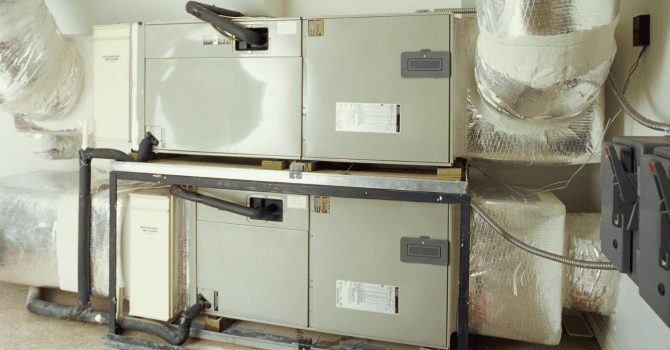
Electric furnaces come in a variety of sizes in order to accommodate all different types of homes. If you’re thinking about installing an electric furnace in your home, you could also look into dual furnaces. These options use some form of an electric furnace. An example of this is a dual oil-electric furnace which uses elements of an electric furnace for which oil is used during extreme cold or peak heating hours.
This offers the best of both worlds while keeping costs down. Another form of a dual furnace is those paired with heat pumps or adding to an already existing air conditioner.
Get 3 renovation quotes for your electric furnace renovation project
RenoQuotes.com can help you get quotes for your electric furnace renovation project. By submitting your project to us, we’ll put you in contact with top-rated contractors. Fill in the form on the homepage (it only takes a few minutes), and you will get estimates from trusted professionals.
Dial 1-844 828-1588 to speak with one of our customer service representatives
Looking for something else?
Related articles
The latest industry news, interviews, technologies, and resources.
Editorial Team
•20 Sep 2024
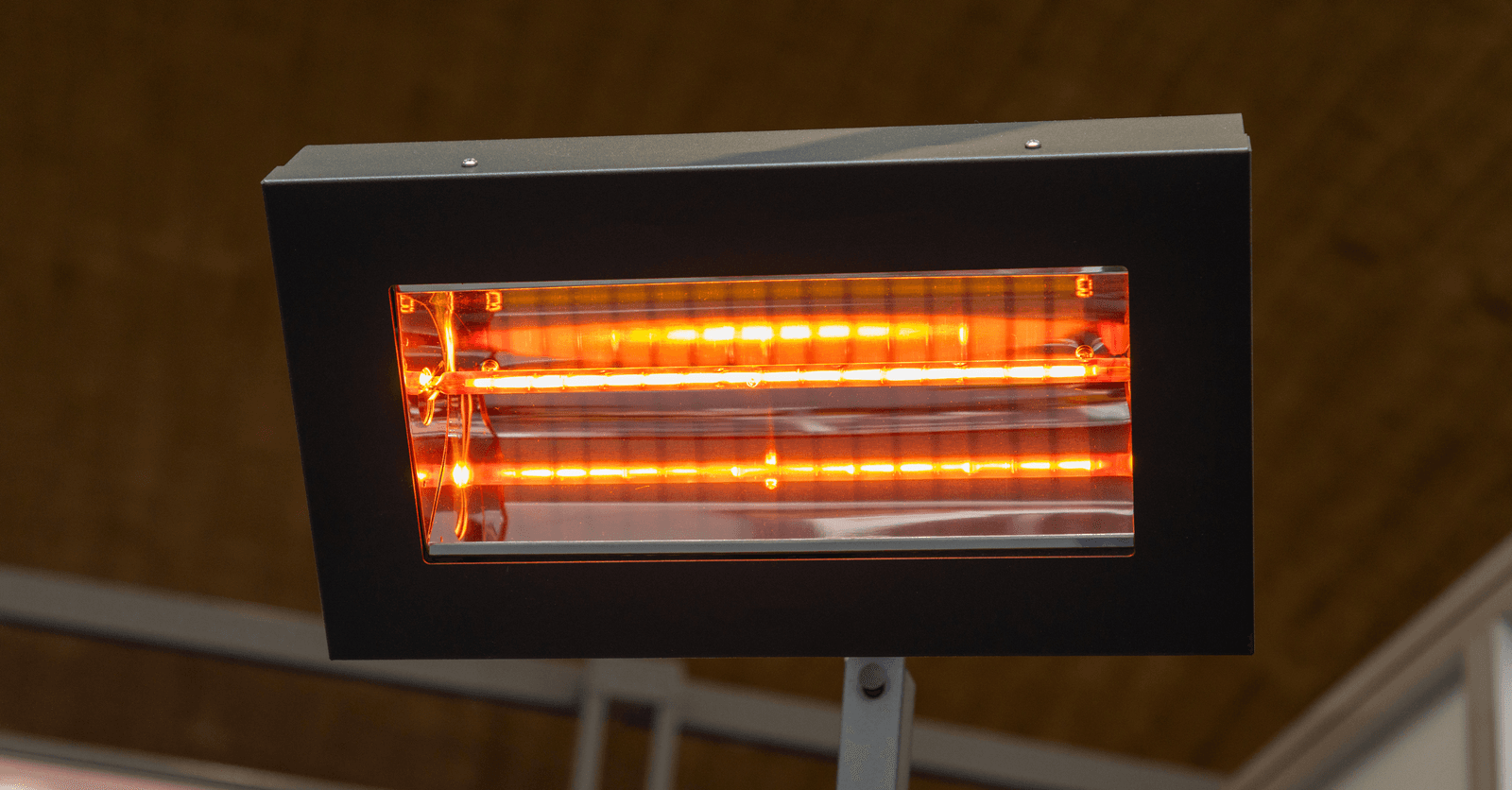
Currently trending, infrared heating may be the new, modern way to stay warm. It has undeniable advantages compared to some traditional heating solutions, but the question remains, under what conditions and circumstances?
Editorial Team
•27 Jan 2026
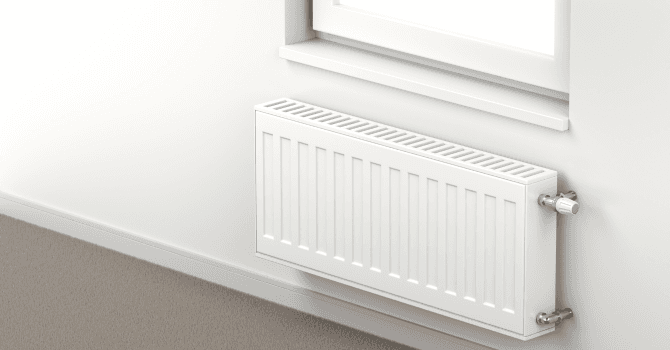
In Canada, winters are often long and harsh, so choosing the right heating system is important. On average, homeowners spend 64% of their household energy expenditures on heating, with bills skyrocketing to $1,200 for an average-sized home.
Editorial Team
•03 Jun 2025
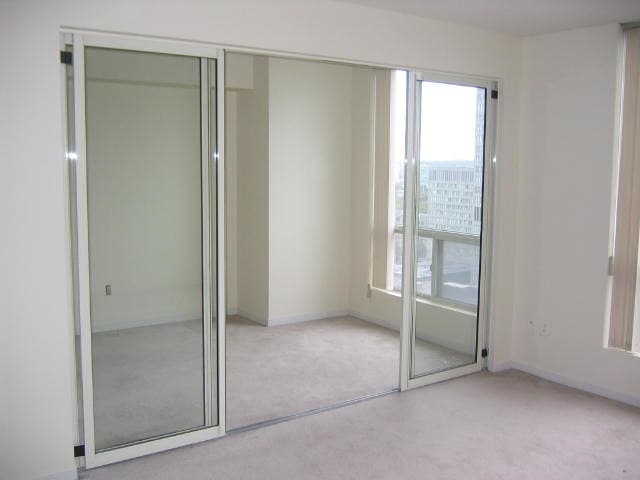
Whether you want to modernize your home, reclaim some living space, create a unique partition, or accommodate a family member with reduced mobility, installing sliding doors is a smart choice — they’re both practical and timeless.
Editorial Team
•27 Nov 2024
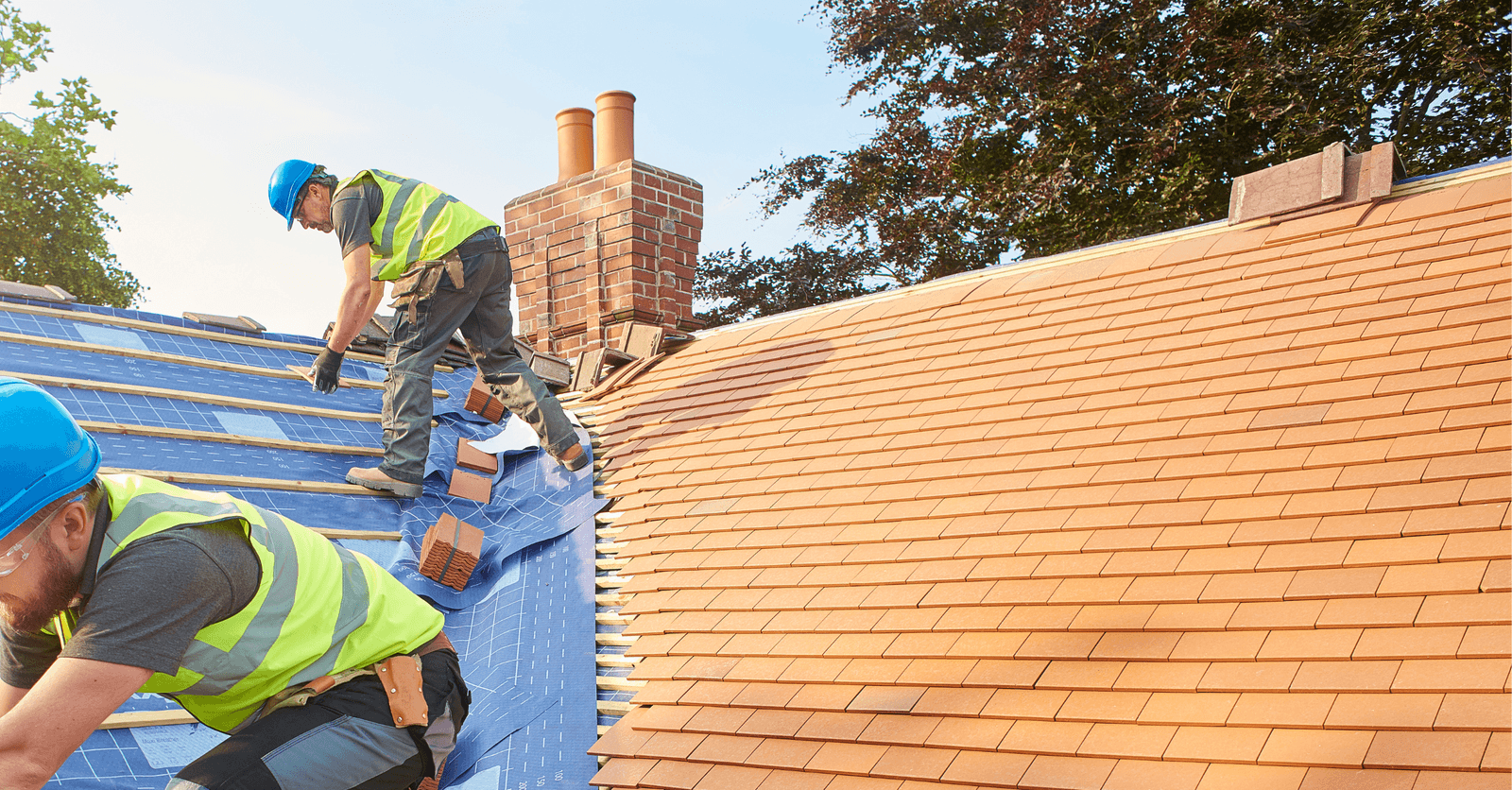
At one point, chimneys were the focal point in any dwelling, providing heat and gathering the family around a wood-burning fire. While modern heating systems are much more common nowadays, fireplaces are still appealing, given their aesthetic and comfort. However, chimneys need regular maintenance and repairs to function safely and optimally.

Équipe éditoriale
•15 Aug 2025
Alkyd paint has a long history behind it. If you are considering redecorating your interior or repainting your garden shed, you may appreciate the qualities of this paint. But beware, like all paints, it is not perfect.