Electrician Prices – How Much to Budget?
By Editorial Team
Updated on October 9, 2026
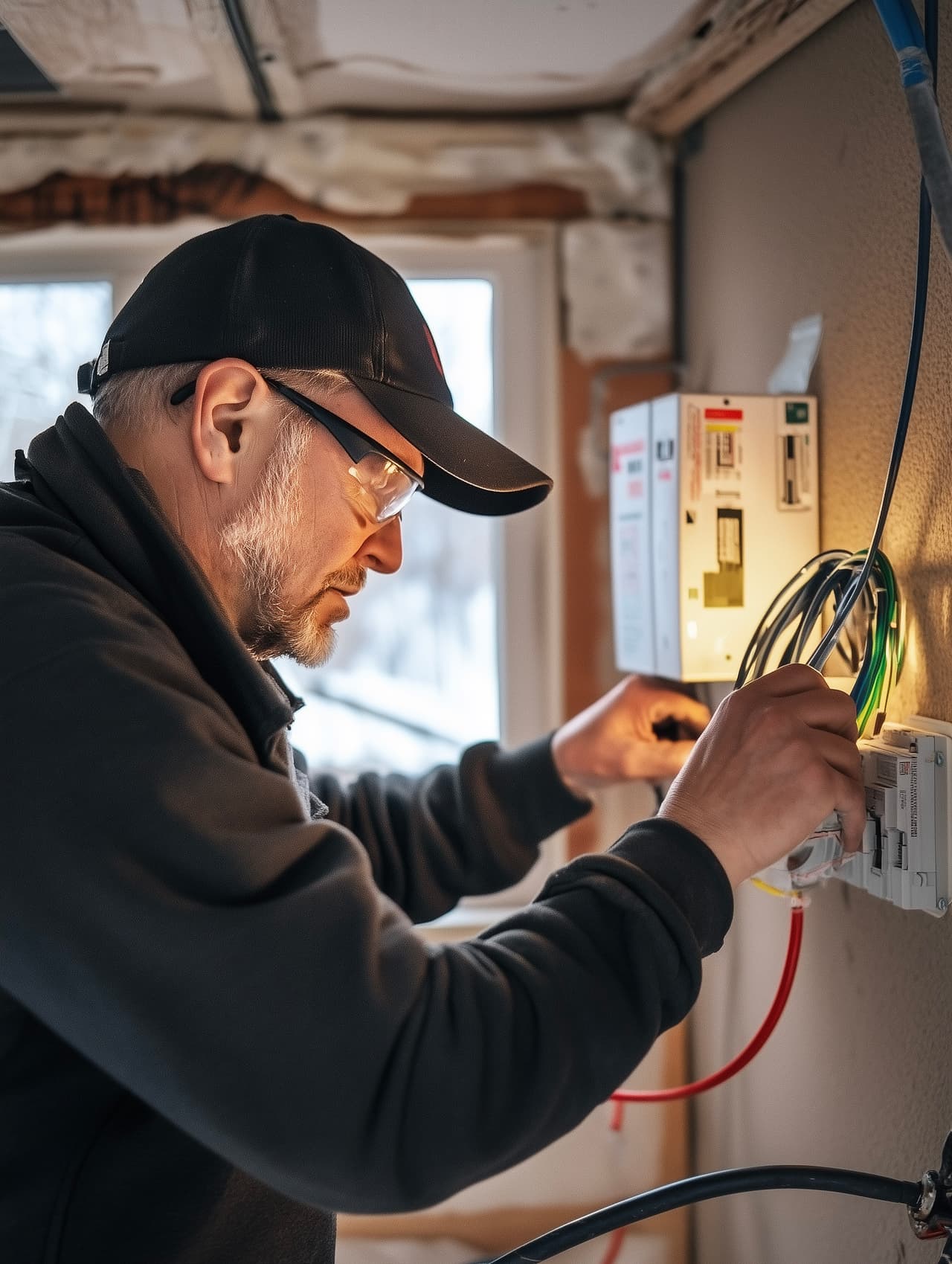
Whether you’re installing a new light fixture, upgrading your electrical panel, or connecting an EV charging station, one question always comes up: how much does it cost in 2025? Do all types of electrical work require a professional? What factors affect an electrician’s pricing? In this article, we’ll explore the different types of electrical work—from interior lighting to smart home systems—and help you understand pricing, identify DIY-friendly tasks, and decode your quotes.
Average Costs by Type of Electrical Work
Source : AGI Électrique
Type of Work | Price Range |
|---|---|
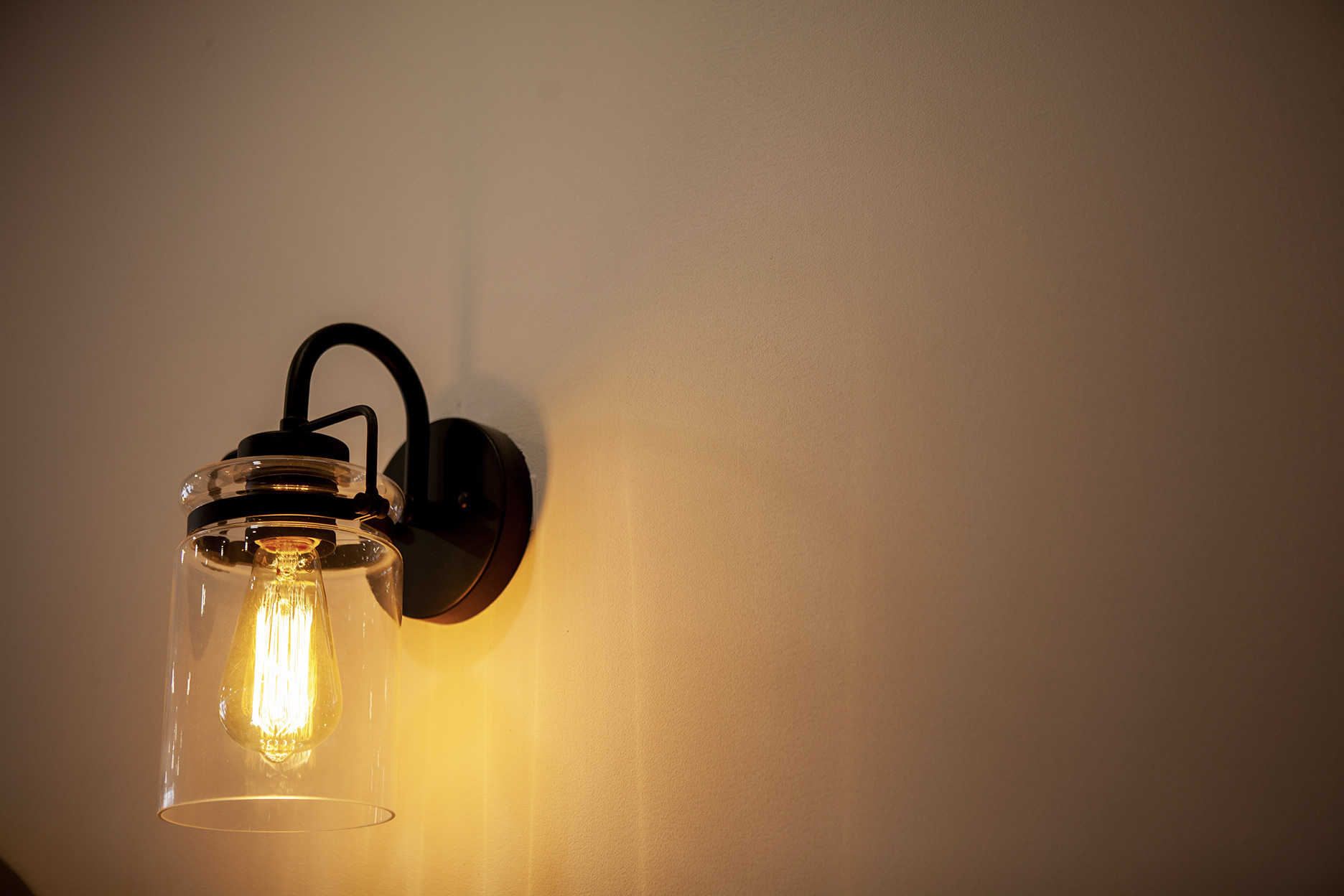
Replacing an existing light fixture | $90 – $150 |
Installing new light points | $60 – $80 per point |
Installing outdoor lighting | $150 – $600 |
Installing GFCI outlets | $70 – $140 per outlet |
Installing weatherproof outdoor outlets | $150 – $600 per outlet |
Partial or full rewiring | $5,000+ |
System grounding | $100 – $500 |
Electrical setup for outdoor kitchen | $1,500 – $3,000 |
Electrical work for pools and spas | $500 – $1,500 |
EV charger installation | $1,000 – $2,500 |
Installing dedicated circuits | $200 – $500 per circuit |
Backup generator installation | $1,500 – $4,000 |
Installing a digital thermostat | $100 – $300 |
Installing smart home systems | $1,000 – $2,000 |
Alarm system installation | $100 – $2,000 |
Lighting: upgrades and additions
Lighting is key to a home’s comfort and ambiance. Whether replacing existing fixtures or installing smart systems, costs vary based on complexity:
Replacing existing fixtures: Affordable and ideal for quick updates—unless rewiring is needed.
New light points: Involves drilling and running wires. Cost depends on the number of points and access difficulty.
Outdoor lighting: Must be weatherproof and safe—boosts property value and enhances security.
Installing specialized outlets and safety systems
Some outlets or security devices require strict compliance with safety codes, making certified electricians mandatory.
GFCI outlets (bathrooms, kitchens): Prevent shocks in wet areas and are code-required.
Weatherproof outdoor outlets: Ideal for outdoor tools and decor, must resist water infiltration.
Compliance upgrades: panels and wiring
Old electrical systems can be hazardous. Upgrading your panel or rewiring ensures safety and future compatibility.
Partial/full rewiring: Needed in older homes with aluminum or outdated wiring.
System grounding: Critical for preventing surges and ensuring safe operation.
Dedicated circuits for appliances/AC units: Prevent overloads and ensure optimal device performance.
Outdoor electrical equipment installation
Exterior installations must withstand moisture, freezing, and wear.
Outdoor kitchen: Connecting fridges, grills, and lights requires waterproof outlets and sometimes a subpanel.
Pools and spas: Must follow specific safety codes, including GFCIs and grounding.
EV chargers: Require a dedicated circuit; upgrades may be subsidized and can include panel adjustments.
Other common electrical installations
Some projects are small but still need a qualified electrician for compliance and safety.
Backup generator & transfer switch: Powers your home during outages—professional installation required.
Digital thermostat: Simple install, but may require a C-wire.
Smart home systems: Must be planned carefully for integration (lighting, HVAC, security).
Alarm systems: Require secure installation and often connect to a monitoring center.
Factors that influence Electrician Pricing
Source : Poly Domotique inc.
Understanding these variables helps interpret your quote and ensure transparency:
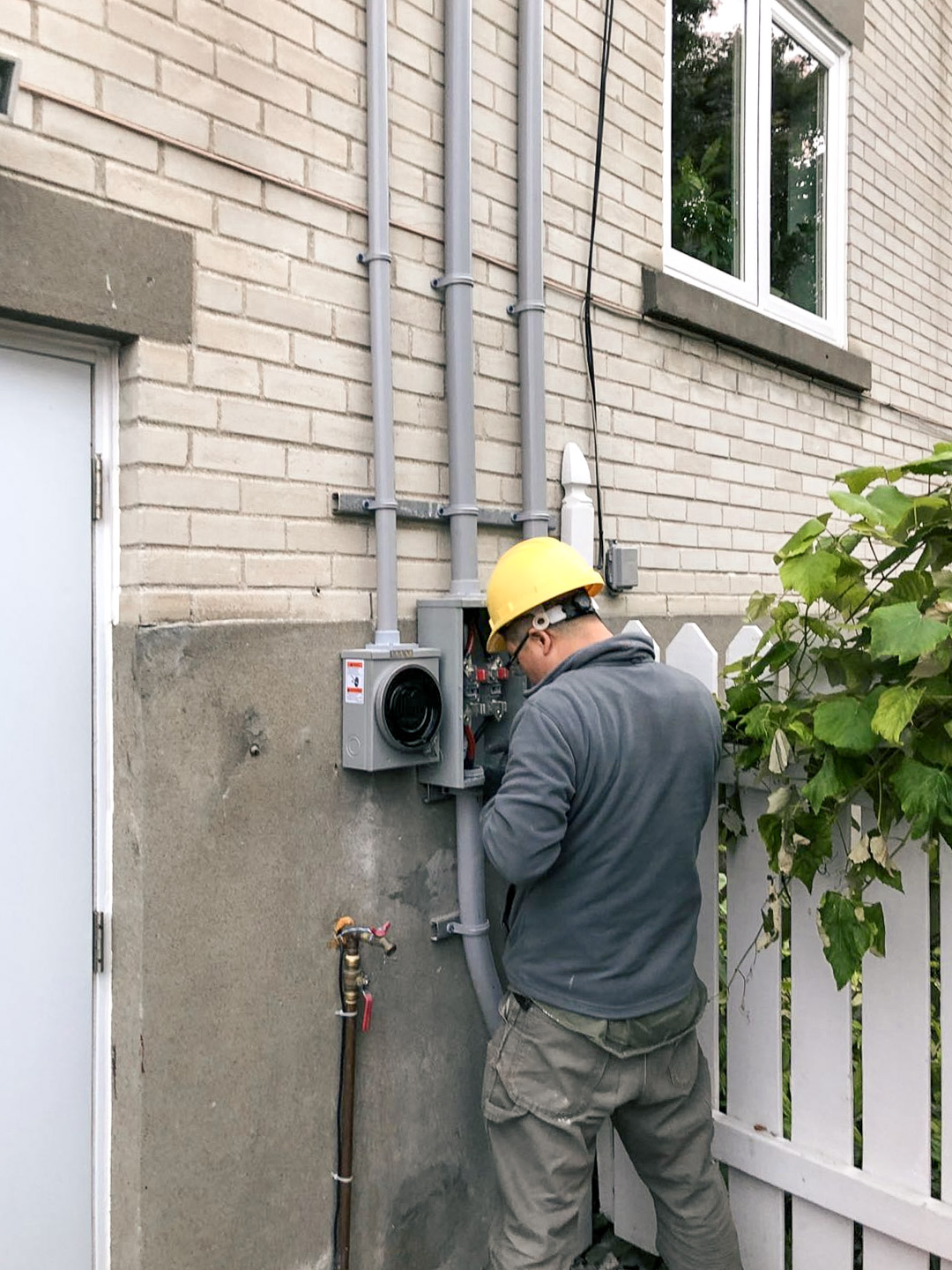
Project complexity and access: More technical work (e.g., panel upgrades, rewiring) or hard-to-reach areas (concrete walls, finished ceilings) increase time and cost.
Materials and equipment quality: Premium panels, smart outlets, or designer switches cost more than standard components.
Hourly rates and certifications: Electricians charge $100–$200/hr. Those with specialized licenses may charge more but offer guaranteed code compliance.
Location: Rates are higher in cities like Montreal and Quebec City. Remote areas may also cost more due to travel and labor shortages.
Plans for major projects: Electrical plans are often required for new builds or large renos and can cost $300–$2,000.
Travel fees: Typically $80–$90 but may vary depending on distance and site accessibility.
Minimum charges: A flat rate (usually one hour) applies even to small jobs to cover travel, setup, and materials—expect $100–$110 minimum.
Type of project: Residential work is often simpler. Commercial or industrial jobs involve more planning, specialized tools, and stricter codes.
Modern or advanced systems: EV chargers, solar panels, and smart home tech require specific skills and may demand panel or wiring upgrades.
Emergency or off-hours service: 24/7 service is available at a premium—often double the standard rate.
A certified electrician is a smart investment
Electrical work—big or small—should always be approached with caution. Even seemingly simple tasks can pose safety risks if not done properly.
Hiring a certified electrician ensures that your installation is safe, durable, and code-compliant. Rates may vary, but your home’s safety is priceless.
FAQ
How can I estimate the cost of hiring an electrician?
Factor in hourly rate (typically $100–$200/hr in Quebec), job type (installation, reno, repair), project duration, and material needs (wiring, outlets, panels, etc.). On-site evaluations help clarify complex job costs.
How do I compare master electricians' quotes?
Request at least three detailed quotes from certified RBQ electricians. Compare hourly rates, what's included (materials, travel, warranties), and references. The cheapest option isn’t always the most cost-effective long term.
Looking for something else?
Related articles
The latest industry news, interviews, technologies, and resources.

Editorial Team
•09 Oct 2026
Having problems with your electricity? It's time to take a look at your electrical panel. RenoQuotes.com is here to help you figure out if those flickering lights indicate a deeper problem that you should act on quickly.

Cynthia Pigeon
•07 May 2026
To make the most of a small condo kitchen in Canada, a mobile or narrow “skinny” island can be a particularly useful way to maximize space. It is important to keep about 36 to 42 inches of clearance around the island to allow for smooth traffic flow, while also respecting the kitchen work triangle: sink, stove and refrigerator. By combining smart storage, appropriate materials and safely planned electrical outlets, even a compact kitchen can become a highly functional and welcoming space.

Editorial Team
•08 Nov 2023
As a contractor, it’s your duty to inform your employees regarding the best workplace health and safety practices, if not put together a hazard prevention plan. Naturally, all lines of work have their risks, but if you can avoid catastrophes thanks to the right training and information, why go without?

Editorial Team
•11 May 2026
Successfully completing exterior renovations during the summer of 2026 in Canada requires careful planning as early as spring to account for municipal permit timelines. Prioritize deck upgrades, siding maintenance, and roof inspections to protect your building envelope before colder weather returns. Hiring a properly licensed contractor ensures the outsourced work meets local regulations and helps maximize your property’s resale value in a competitive real estate market.

Editorial Team
•28 Aug 2025
Roller shutters are an effective way to improve home comfort and security. Made to suit all window sizes, they’re most often made of aluminum or PVC for optimal durability and energy efficiency.