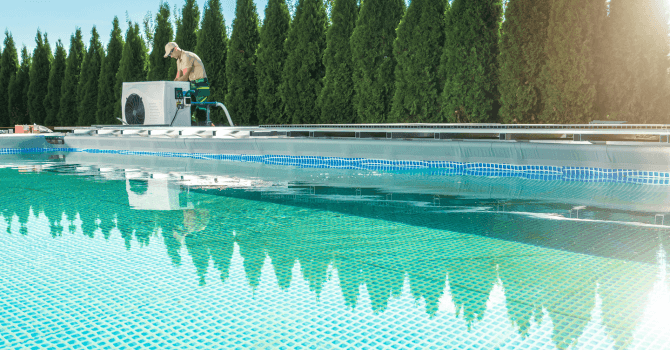
When temperatures are soaring to a stifling 32 degrees, and the sun is beating down, what better way is there to cool off than in a pool? If you’re fortunate enough to have one in your backyard, chances are you’re already familiar with this coveted summer treat.
That said, even when it’s sweltering out, too-cold pool water will curb even the bravest swimmers' enthusiasm. That’s why installing a pool heater is highly recommended.
Do you already know a bit about the different pool heater models available on the market? In the following paragraphs, we’ll delve into the advantages and disadvantages of each model, as well as the average budget required to acquire such a device.
What type of pool heater should you choose?
Source: Canva
First, let’s take a look at the models available on the market. We’ll detail each system’s pros, cons, and costs.
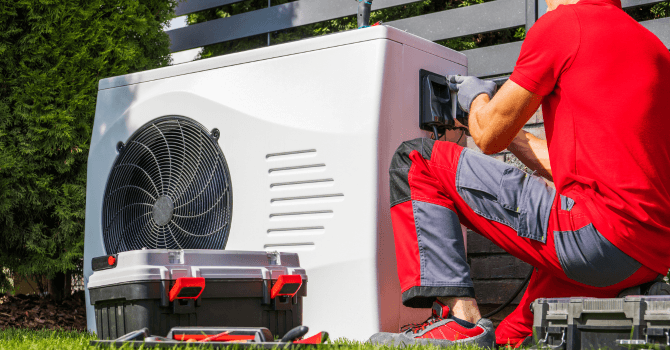
Electric pool heater
This small device will be hooked to an electrical outlet. It’s easy to install and often used for above-ground pools, however, some models were designed for in-ground pools.
Pros:
This device is good at maintaining water temperature.
It emits little noise.
It’s rather small and discreet.
The device is inexpensive.
Long service life (10 years).
Heats water quickly for medium-sized pools.
Cons:
Rather slow to heat the water.
It's a highly consolidated installation, although not complex, but should be carried out by a professional.
The parts are susceptible to corrosion.
If you have a big pool, the water will take a while to heat up.
Take into account the electricity-related expenses when evaluating its quality-price ratio.
Solar heater
Source: Canva
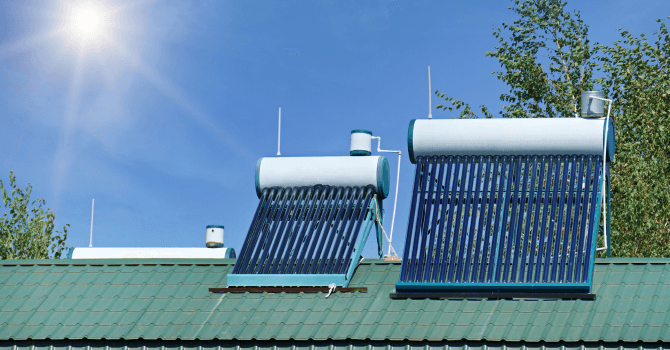
If your outdoor pool is in a sun-drenched area, opting for a solar panel system could be worthwhile. The solar collectors are connected to the pool's filter system. The system’s pump circulates the water through the collectors, where it’s heated before being redirected back into the pool.
Pros:
Zero operational costs, the sun is free.
It’s an eco-friendly device.
You can benefit from a government grant toward its purchase (subject to availability when reading this article).
Cons:
It’ll be harder to heat your pool if the weather is overcast all summer.
This system takes up a lot of space.
The installation process is complex.
Natural gas or propane heater
This system functions with a gas-powered motor. It’s useful when it comes to heating a pool rapidly. However, it isn’t as worthwhile if you’re looking to use your water heater often since it requires a lot of gas to operate.
Pros:
The water heats quickly.
It emits little noise.
You’ll be able to stretch your pool use up to fall.
Long service life (10 years).
The system is affordable to purchase.
Cons:
You can’t use a gas-powered pool heater for saltwater cleanings.
It’s a high-maintenance system since gas tends to damage its parts.
Its operational costs are steep, especially when gas prices soar.
You’ll need to get a gas tank to store propane.
Pool heat pump
Source: Canva
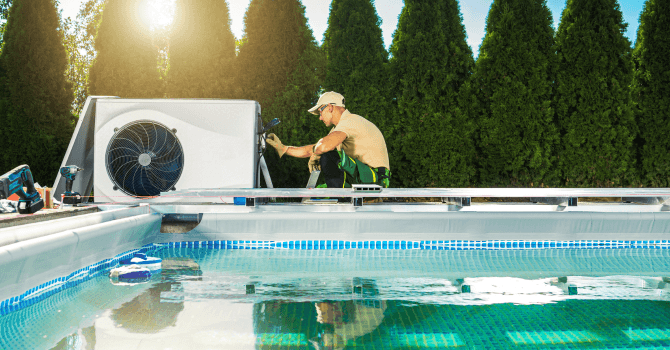
For the best price-quality ratio in terms of pool heaters, the heat pump is one of the best. It’s known for its efficiency and cost-effectiveness in terms of operational costs.
Pros:
Low operational costs.
The water temperature is consistent.
Long service life (roughly 15 to 20 years).
Cons:
Purchasing costs are steep.
Water takes a while to warm up.
Some models are louder than others.
The system isn’t as worthwhile if you don’t often use your pool.
Hybrid heat pump
This model combines the advantages of a heat pump and gas pool heater all in one unit. Thus making it a cost-effective system that heats water rapidly at will.
Pros:
Good service life (about 15 to 20 years).
More affordable operational costs compared to a system that’s entirely gas-powered.
You can manage the systems’ various functions according to your needs, budget, and preferences.
Cons:
Using oil leads to additional costs and isn’t an eco-friendly practice.
Since it's oil-powered, it’s high-maintenance.
How much does a pool heater cost?
Let’s compare the prices of the most sought-after pool heaters currently available on the market:
*For some, you’ll need to switch your electrical inlet, which could mean additional fees to account for, budget-wise.
Different Pool Heater Models | Device Cost | Average Installation Cost |
Electric | $700 - $2,000 | $200 - $1,000 |
Solar | $1,500 - $3,000 | $1,000 - $1,500 |
Natural gas or propane | $2,500 - $6,500 | $500 - $1,500 |
Heat pump | $2,000 - $5,000 | $300 - $1,000 |
Hybrid heat pump | $4,000 - $8,000 | $500 - $1,500 |
How to Install a Pool Heater
Installing a pool heater is a project that should always be entrusted to a knowledgeable professional. This is particularly crucial when working with heat pump heaters or heaters that rely on electrical connections.
Given that water and electricity are involved, the installation process requires the utmost care, as there are some inherent risks. Additionally, if not executed correctly, it can pose a significant hazard to your safety and that of your family.
There are also a lot of standards to comply with, which can be confusing. If you’re curious as to what they are, consult the RBQ website, which outlines all standards pertaining to pool heater bases. Hence why we can't urge you to undertake such a project without relevant experience and licences.
How to Maintain a Pool Heater
Since we’ve mentioned several different types of devices, note that the maintenance routine for each is unique to the device itself. Some models require more maintenance than others. For example, a heat pump’s indoor coil needs to be cleaned on a regular basis.
As for gas or oil-fired models, it’s highly recommended to schedule an annual inspection by a qualified inspector to ensure everything runs smoothly.
Regardless of the model selected, be sure to read the accompanying instruction manual for all maintenance tips. Also, the contractor handling your installation may be able to offer a few additional pointers.
Do you need to cover your pool?

Source: Canva
The primary cause of energy loss in a swimming pool is its lack of a cover, particularly when left uncovered overnight. This results in a significant drop in the water temperature primarily due to evaporation, which occurs when the pool is exposed to the elements.
By opting for a pool cover system, you can effectively regulate the water temperature, leading to energy savings by reducing the operating time of your heater. Moreover, if you decide to invest in a pool water heater, it’s highly recommended to acquire a safety cover as well, as it significantly extends the service life of your pool.
Can you install a heater on both in-ground and above-ground pools?
Installing such a system can be done on both types of pools. However, before choosing a specific model, make sure that it’s suited to your needs. The pool heater you’ll be purchasing should be properly hooked to your pool and powerful enough to heat its entire volume.
Get 3 quotes for your pool project
RenoQuotes.com can help you get quotes for your pool-building project. If you submit your project, we’ll put you in contact with top-rated contractors. Fill in the form on the homepage (it only takes a few minutes) and receive quotes from companies that are specialized in home renovations.
Dial 1-844 828-1588 to speak with one of our customer service representatives.
Looking for something else?
Related articles
The latest industry news, interviews, technologies, and resources.
Cynthia Pigeon
•25 Jul 2025
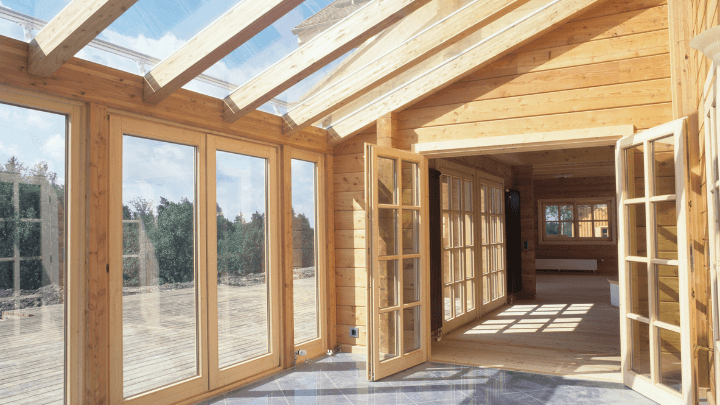
Are you considering adding a sunroom to your home, but unsure of the details? Wondering how they differ from solariums or whether they’re a good investment? This article explores everything you need to know about glass sunrooms, from design considerations and construction challenges to their costs and benefits. You’ll also discover how to choose the right glazing and heating solutions to ensure your sunroom is a comfortable, functional addition to your home, no matter the season.

Christine Simard
•08 Nov 2023
We often imagine that having a vegetable garden on your land requires a green thumb and knowing everything about plants. With a little preparation, you can also have a vegetable garden from which you can pick fresh vegetables all summer!

Editorial Team
•08 Nov 2023
Who wouldn't like to add a hint of wood to their decor or integrate it as part of a construction project? Wood suits almost every aesthetic, it's available in countless different finishes, can be used for just about anything, is derived from a renewable source, and is perfect to scaffold zero-carbon buildings.
Editorial Team
•05 Dec 2025
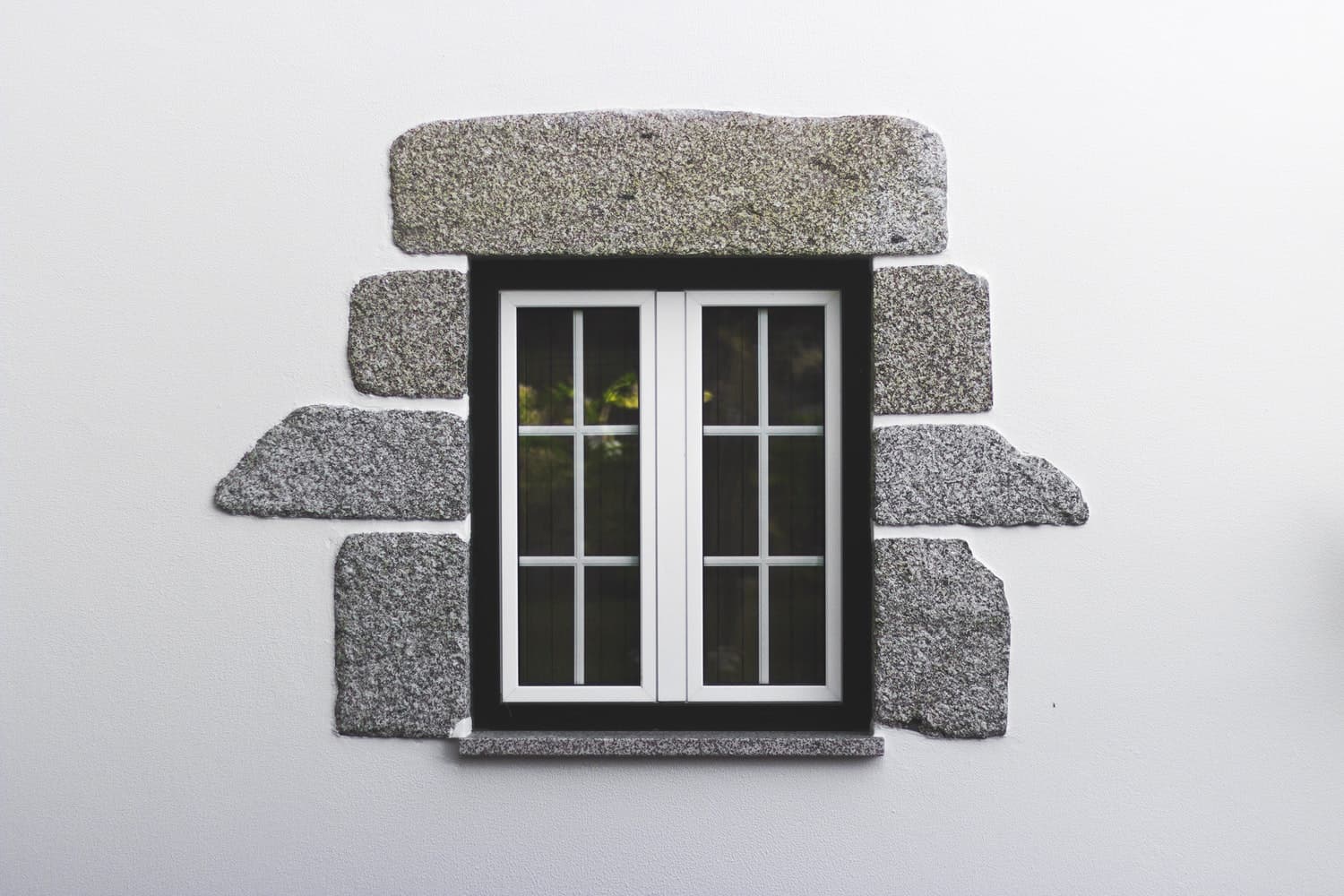
If you’ve done any serious remodelling work on your home, then it’s likely you’ve been met with the signs of water infiltration in some aspect: rotting wood, soaked insulation as well as mould and mildew growth. Notably, these signs can be recognized around a poorly or improperly installed window.

Editorial Team
•08 Nov 2023
If some love just about anything that has to do with modernism in terms of design and decoration, it can be the total opposite for others! If you’re one of those who prefer traditional home decor, here are a few examples to inspire your next renovation project.