Everything to Know About Attic Mold Remediation
By Editorial Team
Updated on May 13, 2026
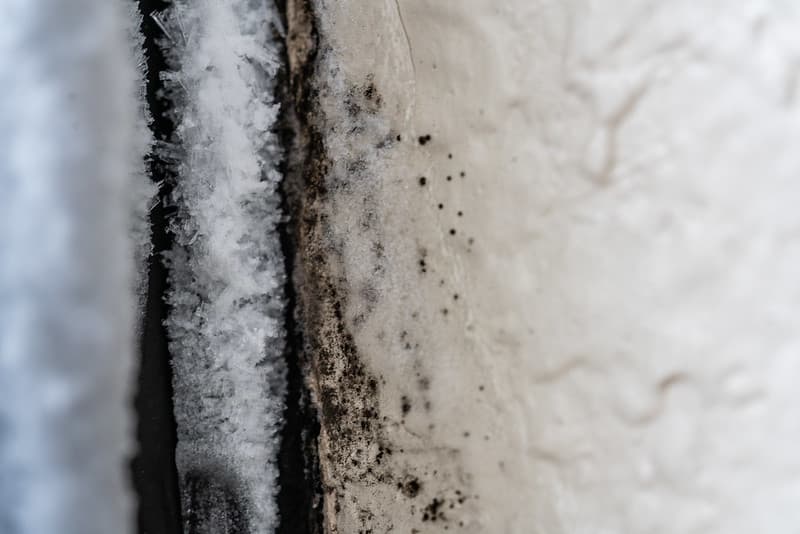
Mould or mold, no matter how you spell it, it’s universally abhorred by all residential and commercial building owners. Mould is a fungal species that's especially skilled at embedding itself on various parts of a structure.
Oftentimes, this substance will grow on and inside walls, behind furniture, in corners, and around window and door frames.
Mould proliferates even faster in humid, damp environments, so attics, crawl spaces, and basements should be monitored if there are any signs of water ingress or high humidity levels detected inside the property.
If mould isn’t removed and remediated promptly, it can quickly domino into an out-of-control situation. This microbial growth is a health hazard—one that risks damaging building materials. Mould problems should never be taken lightly. When spotted, rapid response is key.
Luckily, in most cases, mould removal and remediation can be done on most contaminated surfaces.
Telltale Signs of Attic Mould Growth
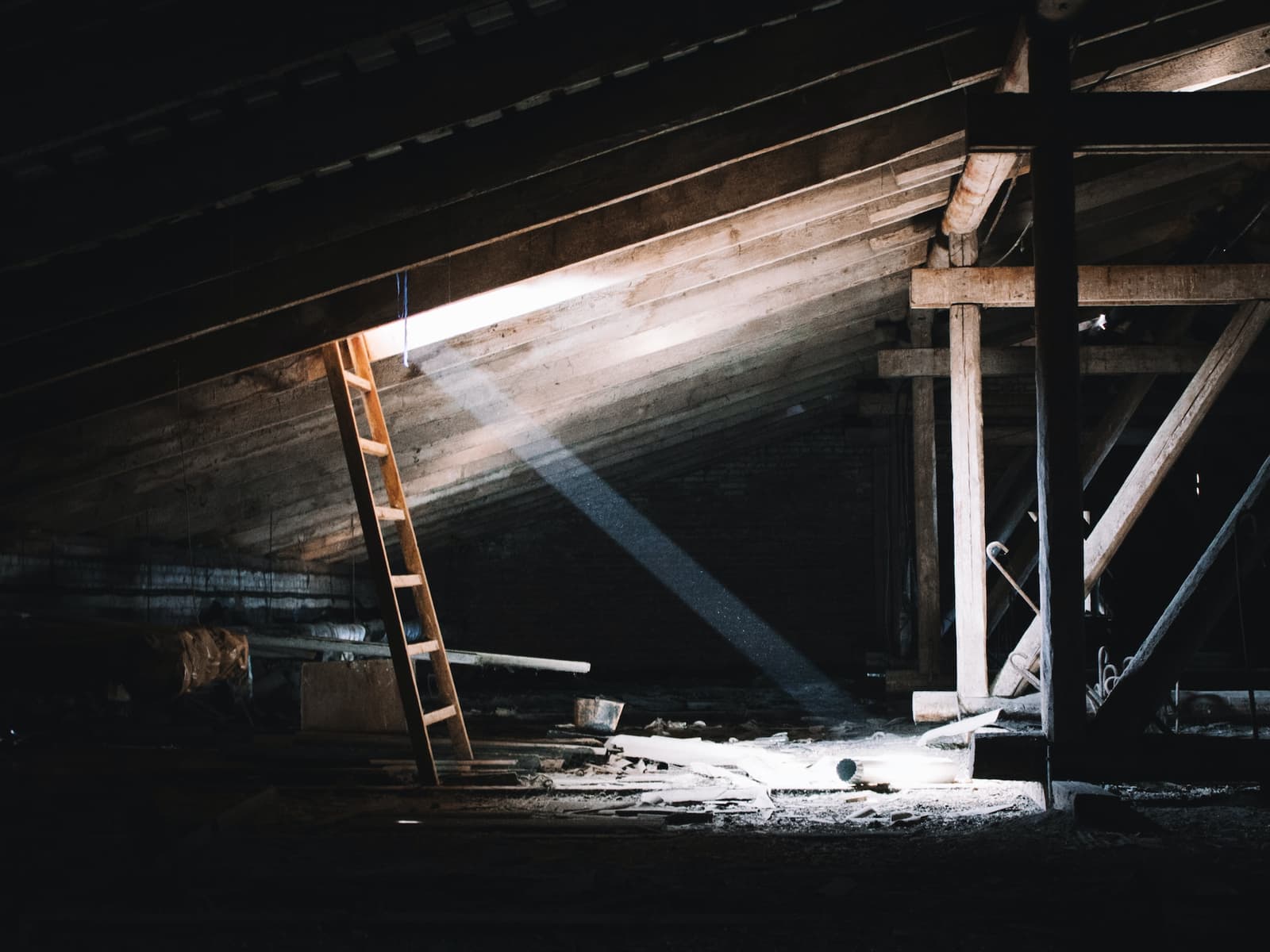
Think there’s mould growing in your attic? If said space is easily accessible, head up there for a visual assessment, and look out for the following warning signs:
Black, grey, or green stains on an attic’s wooden framing; black mould is the most hazardous of the lot
Bright stains (pink, orange, yellow, or white) might form
Noticeable water leak
Smell of mould (very distinctive odour)
Very humid environment, both in the attic and other rooms of the house
Chronic health problems in building residents (congestion, itchy eyes, sore throat, fatigue, cough, asthma)
Given the restricted lighting in attics, bring a flashlight up with you to better ascertain the area, including all the nooks and crannies. That way, you’ll get a good look into all the concealed areas around your attic.
What Are the Main Factors Leading to Moulding in an Attic?
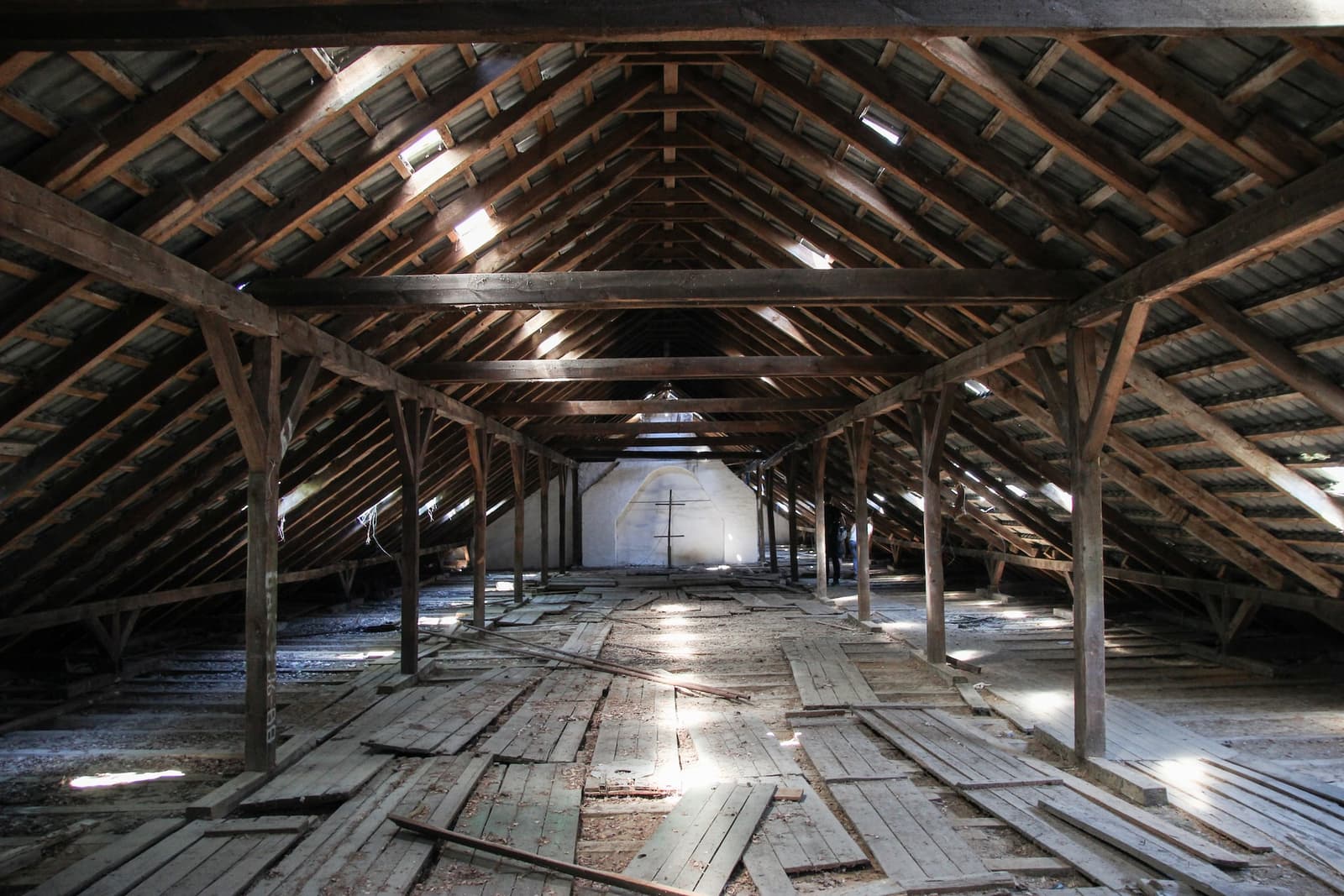
In most cases, mould growth in an attic results from one of the following four causes:
1) Lack of ventilation in the attic
Attics are more challenging to air out compared to other areas, especially since airflow is further complicated in older buildings. Moreover, since attics are rarely frequented, it might take some time for homeowners to realize there’s a blockage in the ventilation ducts.
2) Lack of airflow in humid areas of the building
Is your bathroom not equipped with a decent fan? Your range hood isn’t catering to your needs? The moisture building up in rooms throughout the house has to go somewhere, and if it’s not exhausted outside the home, it’ll rise to the attic. Eventually, said space will turn into a mould-favourable environment.
3) Roofing issues
When the roofing is in a poor state, which may result in water ingress, odds are, mould growth isn't too far behind. Consequently, should you have at-risk roofing, take a look in your attic, too.
4) Lack of insulation
If the roof is poorly insulated, the contrast between the rising heat inside and the cold outside can lead to moisture problems. Look out for warning signs that your roof may be poorly insulated.
Here’s a related article that might be of interest: How to Insulate an Attic.
Types of Mould: White and Black Mould
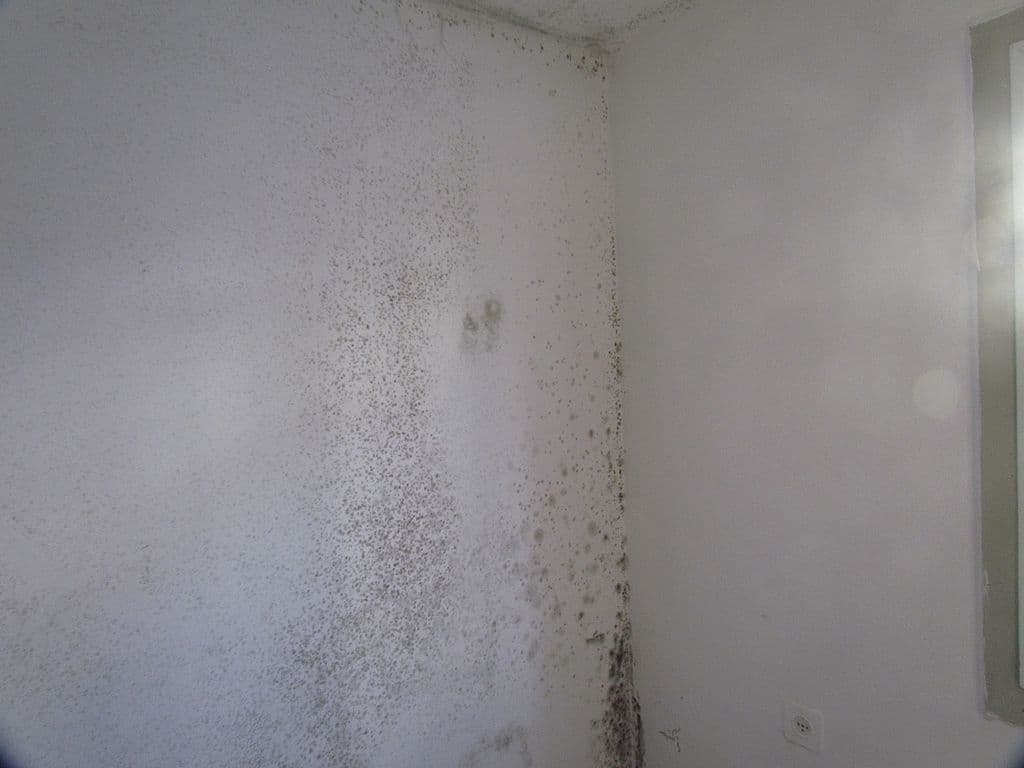
There are different types of mould. Some are easier to remove, while others necessitate a bit more elbow grease and remediation efforts.
The most common types of mould found in buildings are black and white mould. Black mould is deemed more hazardous than white.
You may also spot green, grey, pink, orange, yellow, or red mould stains in your attic, however, such fungi are much less common. Albeit just as harmful, so be sure to hire a remediation service for expert removal without delay.
Top Breeding Grounds for Mould in Attics
Mould can grow on most surfaces in attics. That said, here are some of the areas you should keep a close eye on:
Plywood
Beams and trusses
Insulation material (mineral wool, polyurethane foam)
Corners
How to Remediate a Mould-Infested Attic

As soon as you spot mould and/or rot in your attic, you should undertake the appropriate removal and remediation efforts. However, such a project isn’t suited to DIY practices. To properly eradicate the problem, one must be familiar with the right techniques, have the right tools on hand, and have the trade experience and know-how. Mould is a persistent problem, and if it's only cleaned surface-wise, growths will reappear in no time.
Moreover, if you fail to remedy the root cause of the issue, mould will, without a doubt, resurface. Hire a mould remediation expert. These professionals will carry out a detailed inspection to assess the extent of the damage. Also, note that if the fungi have taken over the building, you may have to replace certain structural elements and parts, but that's a worst-case scenario.
The hired contractor will provide you with their opinion, informing you as to how they plan on tackling the problem.
To give you a glimpse into the ordeal, here are the standard steps taken during a mould remediation project, attic edition:
Prepare the area for remediation by protecting all unaffected surfaces
Ensure decent airflow to prevent spores from spreading during the process (experts often use an air filtration machine)
Put on some protective gear (dust respirator mask, protective overalls, goggles, gloves, and waterproof shoes)
Gather products and tools (differs based on technique used)
Carry out removal and remediation efforts
Proceed with the finishing touches
Ensure the root cause of excessive moisture—a breeding ground for mould—is fixed
Who can I hire to remove mould in my attic?
Keep in mind that mould remediation requires expert know-how, whether in residential or commercial properties. Therefore, contacting certified experts in the matter is paramount. Industry professionals have the necessary knowledge and know-how regarding the most effective methods to eradicate mould, long-term. Additionally, they have access to the right tools and equipment to carry out the work.
What is the average cost of attic mould remediation services?
Cost-wise, having mould removed from an attic definitely hinges on the square footage to remediate.
In terms of situation assessment fees, plan on footing between $400–$800. As for remediation fees, amounts typically range between $2,500 and $6,000. Typically, if the price falls in the upper price bracket, it’s indicative that several small-scale jobs will be undertaken.
Check out this article for more information on the subject matter:
How to Prevent Mould Growth in Attics
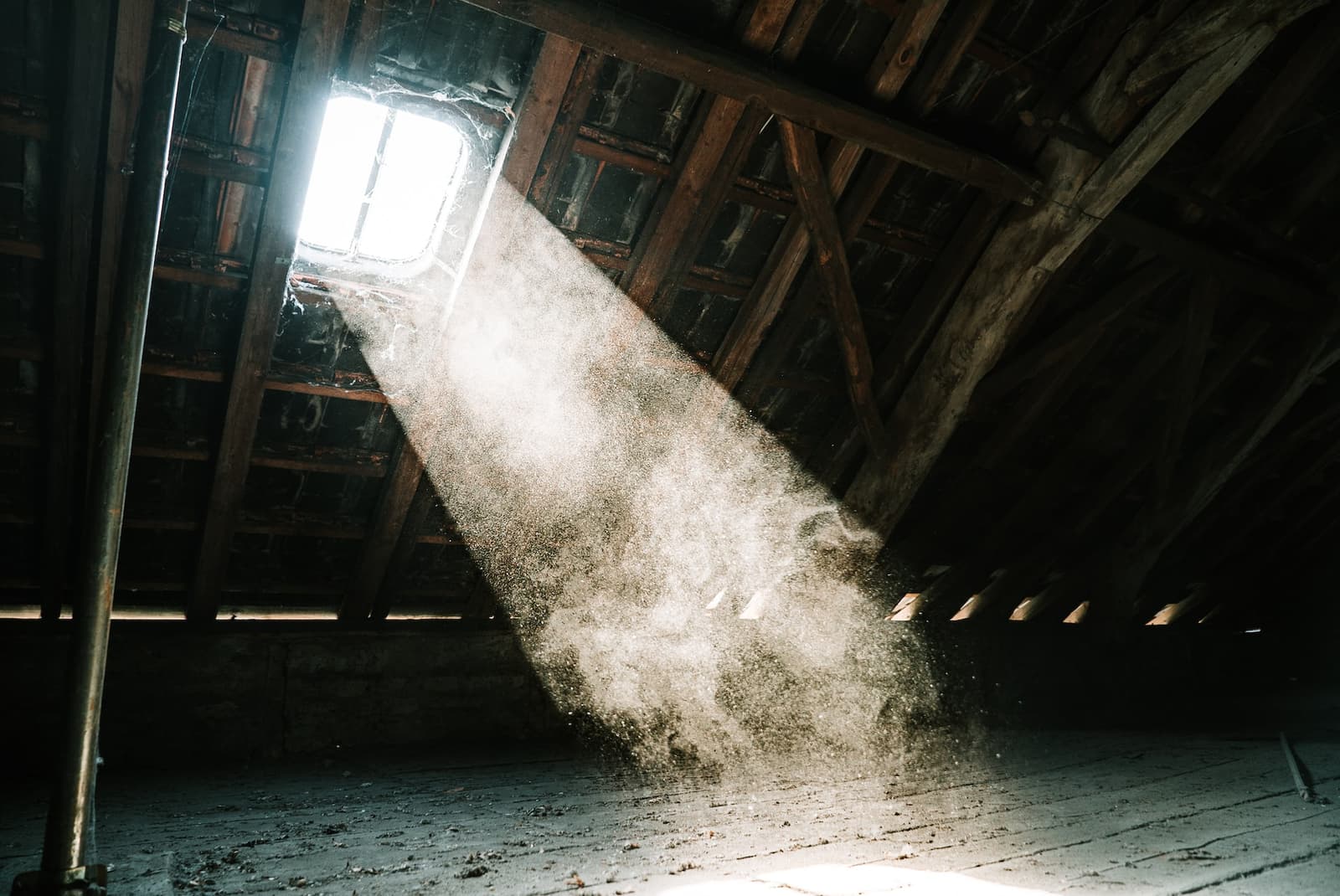
Once all the fungi and rot are removed from your attic, you’ll definitely want to avoid further issues down the line. As such, you’ll need to employ some preventive measures. Your hired expert will certainly be able to share some key pointers with you, but here are some tips and tricks to keep in mind in the meantime:
Keep an eye on water leaking through your roof
Check humidity levels in various parts of your house
Use a dehumidifier when need be
Improve the building’s ventilation and insulation (doors, windows, walls, ceilings, air ducts, and floors), if need be
Have the mould removed as soon as you spot spores
What are the health risks associated with mould exposure?
Never underestimate the extent to which mould can affect your health and that of your loved ones. Said microbial growth can make you really sick, especially if you’re immunosuppressed and/or suffering from allergies.
Here are some examples of the symptoms and illnesses related to mould exposure:
Fungal infections
Respiratory issues (chronic sinusitis, developed or aggravated asthma, recurrent pneumonia)
Memory loss
Lethargy
Body aches
Mood swings
Nose bleeds
Weight loss
Looking for something else?
Related articles
The latest industry news, interviews, technologies, and resources.

Cynthia Pigeon
•21 May 2026
In Canada, the installation of a residential or commercial alarm system should be planned carefully. Security rules vary by province, and Quebec has its own framework through the Bureau de la sécurité privée (BSP) for certain private security activities, such as installing or maintaining alarm systems, cameras or access control systems. When the project involves wiring, electrical connections or systems integrated into the building, provincial contractor licensing requirements may also apply, including RBQ requirements in Quebec.

Editorial Team
•08 Nov 2023
Thinking of replacing your shower to offer your bathroom a little extra flair? There are plenty of options! Here are some of the possibilities available for you to carry out a new renovation project.

Editorial Team
•08 Nov 2023
Who wouldn't like to add a hint of wood to their decor or integrate it as part of a construction project? Wood suits almost every aesthetic, it's available in countless different finishes, can be used for just about anything, is derived from a renewable source, and is perfect to scaffold zero-carbon buildings.

Editorial Team
•28 Jan 2026
A front door serves as a home’s focal architectural feature; its unique identity, one that most likely bears your address and mailbox or mail slot.

Christine Simard
•08 Nov 2023
When renting an apartment, either with roommates or by yourself, the bedroom quickly becomes our safe space. Not only does it reflect our taste, but also our personality and interests. However, even if your decor is perfectly curated, you might still want a new look after a while.