Exterior Siding in Canada 2026: Prices, Materials and What to Expect
By Cynthia Pigeon
Updated on April 23, 2026
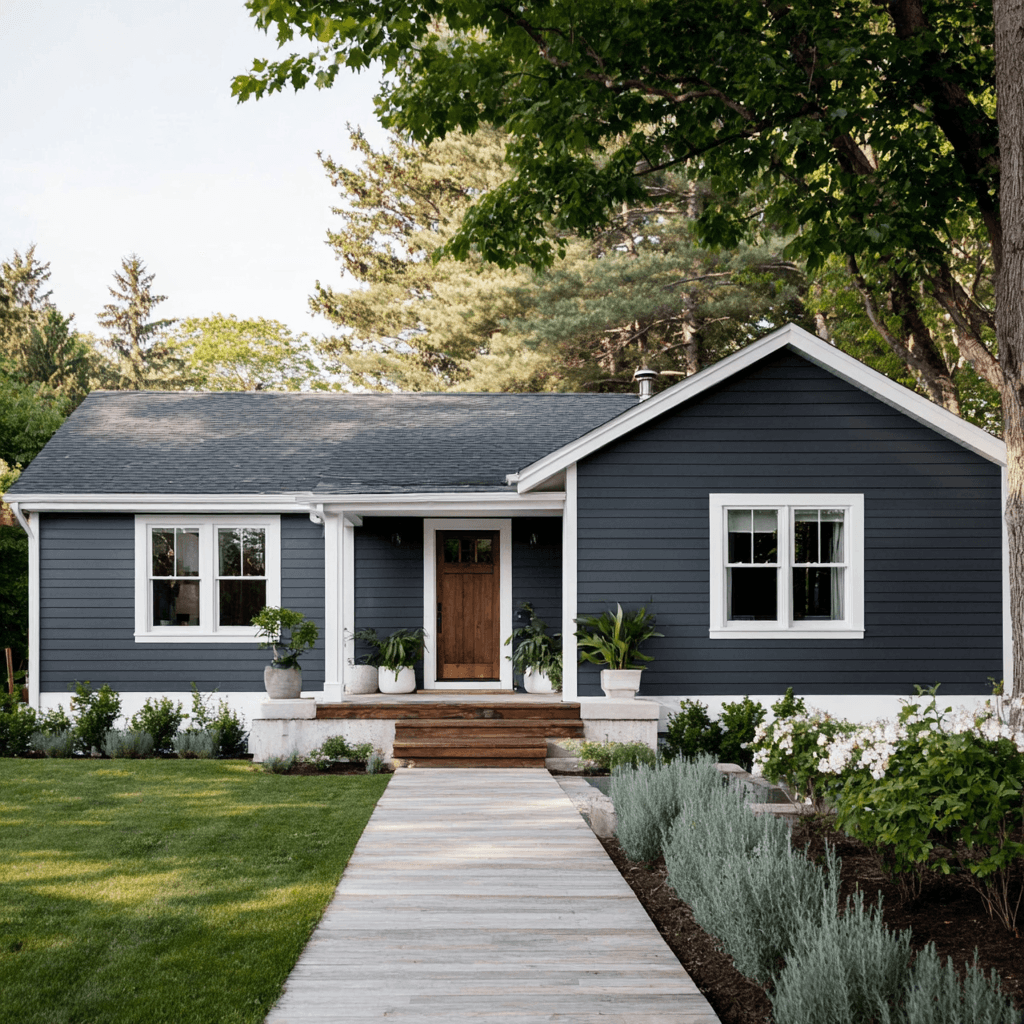
In 2026, replacing a home’s exterior siding in Canada typically costs between $12 and $40 per sq. ft. installed—a significant investment that directly impacts your home’s durability. In a climate shaped by freeze-thaw cycles, not all materials perform equally. The right choice can protect your home for decades, while the wrong one can lead to early and costly repairs. Here’s what you need to know to make the right decision.
How Much Does Exterior Siding Cost in Canada in 2026?
Source: RenoQuotes
Exterior siding acts as your home’s protective envelope. It must allow moisture to escape while remaining resistant to wind, rain, snow, and seasonal temperature swings. Across Canada, freeze-thaw cycles remain one of the biggest stress tests for siding materials. When water penetrates porous materials and freezes, it expands—causing cracks, warping, or finish failure. Choosing a material suited to your climate zone is no longer optional; it’s essential for protecting your home’s structure.
Average Budget by Material: Performance in Canadian Climate Conditions
Source: RenoQuotes
The total cost of your project will depend on the square footage and the material you choose. Here are the top-performing siding materials in terms of thermal efficiency and structural durability under Canadian climate conditions.
1. Fibre Cement (e.g., James Hardie): Premium Choice
Installed cost: $35–$40/sq. ft., on average, and $34 to $40 per square foot for high-end options, such as James Hardie.
Performance: 10/10, made from cement, sand, and cellulose fibres, fibre cement resists moisture, does not swell, and performs exceptionally well in freeze-thaw conditions.
Advantage: Replicates the look of wood without ongoing maintenance, such as painting or staining.
2. Engineered Wood (e.g., LP SmartSide / CanExel): Wood Alternative
Installed cost: $17–$23/sq. ft.
Performance: 9/10, unlike natural wood, engineered wood contains resins and zinc borate to reduce water absorption.
Advantage: Durable against impacts (hail, debris) and easier to install due to its lighter weight.
3. Insulated Vinyl: Best Value Option
Installed cost: $12–$15/sq. ft.
Performance: 8/10, standard vinyl can become brittle in extreme cold (below -30°C). Insulated vinyl includes a rigid foam backing that supports the panel, improves impact resistance, and adds insulating value (R-value).
Advantage: Excellent cost-to-performance ratio for moderate budgets.
Cost and Durability Comparison (2026)
Material | Avg. Cost (Installed / sq. ft.) | Estimated Lifespan | Freeze-Thaw Resistance |
Standard Vinyl | $5 – $8 | 15–20 years | Low (cracking risk) |
Insulated Vinyl | $12 – $15 | 25–30 years | Good |
Aluminum | $17 – $23 | 40+ years | Excellent |
Engineered Wood | $17 – $23 | 30–50 years | Excellent |
Fibre Cement | $12 – $18 | 50+ years | Maximum |
Factors That Influence Your Total Renovation Cost
Source: RenoQuotes
Wall preparation: If your contractor finds mould or deteriorated sheathing (e.g., OSB) beneath the existing siding, expect an additional $2,000 to $5,000 for remediation and replacement.
Thermal insulation: This is the ideal time to add rigid exterior insulation. It reduces thermal bridging and may qualify you for rebates depending on your province.
Skilled labour: Contractors must be properly licensed according to provincial regulations. Labour rates in 2026 typically range between $95 and $120 per hour, depending on the trade and region.
The Critical Role of a Rainscreen System
Even the best siding material will fail if installed incorrectly. Across Canada, a rainscreen system is now considered best practice.
Pro tip: Leave a 1/8" to 1/4" air gap behind the siding using strapping or a drainage membrane. This allows moisture to escape and air to circulate, preventing structural rot. Without proper drainage, a siding system designed to last 50 years can deteriorate in as little as 15 years.
Available Rebates and Energy Savings

Source: RenoQuotes
In 2026, siding replacement is not just cosmetic—it can improve energy efficiency. If your project includes insulation upgrades (e.g., adding R-5 or more), you may qualify for provincial energy efficiency programs, which vary by region.
Resale value: Fibre cement and engineered wood siding offer some of the best returns on investment across Canadian markets.
For project estimates, request at least three quotes from specialized contractors. Make sure each quote includes the removal and disposal of existing siding materials.
A Decision That Goes Beyond Price
In 2026, choosing exterior siding in Canada means balancing cost, durability, and performance in harsh climate conditions. The material matters—but proper installation, especially the rainscreen system, is just as critical. By comparing quotes and planning strategically, you can protect your home while maximizing your long-term investment.
Looking for something else?
Related articles
The latest industry news, interviews, technologies, and resources.
Editorial Team
•25 Jul 2025
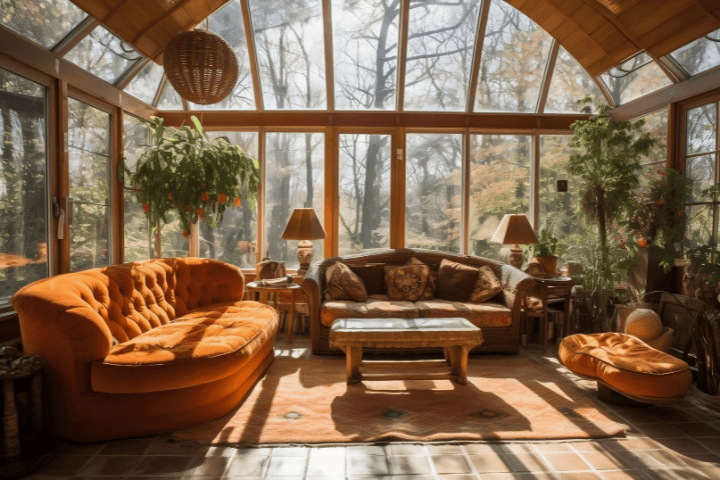
Are you looking to add to your current living space? Whether it’s a solarium or a sunroom, they’re both great options. The question is, what’s the difference between the two?
Editorial Team
•07 May 2026
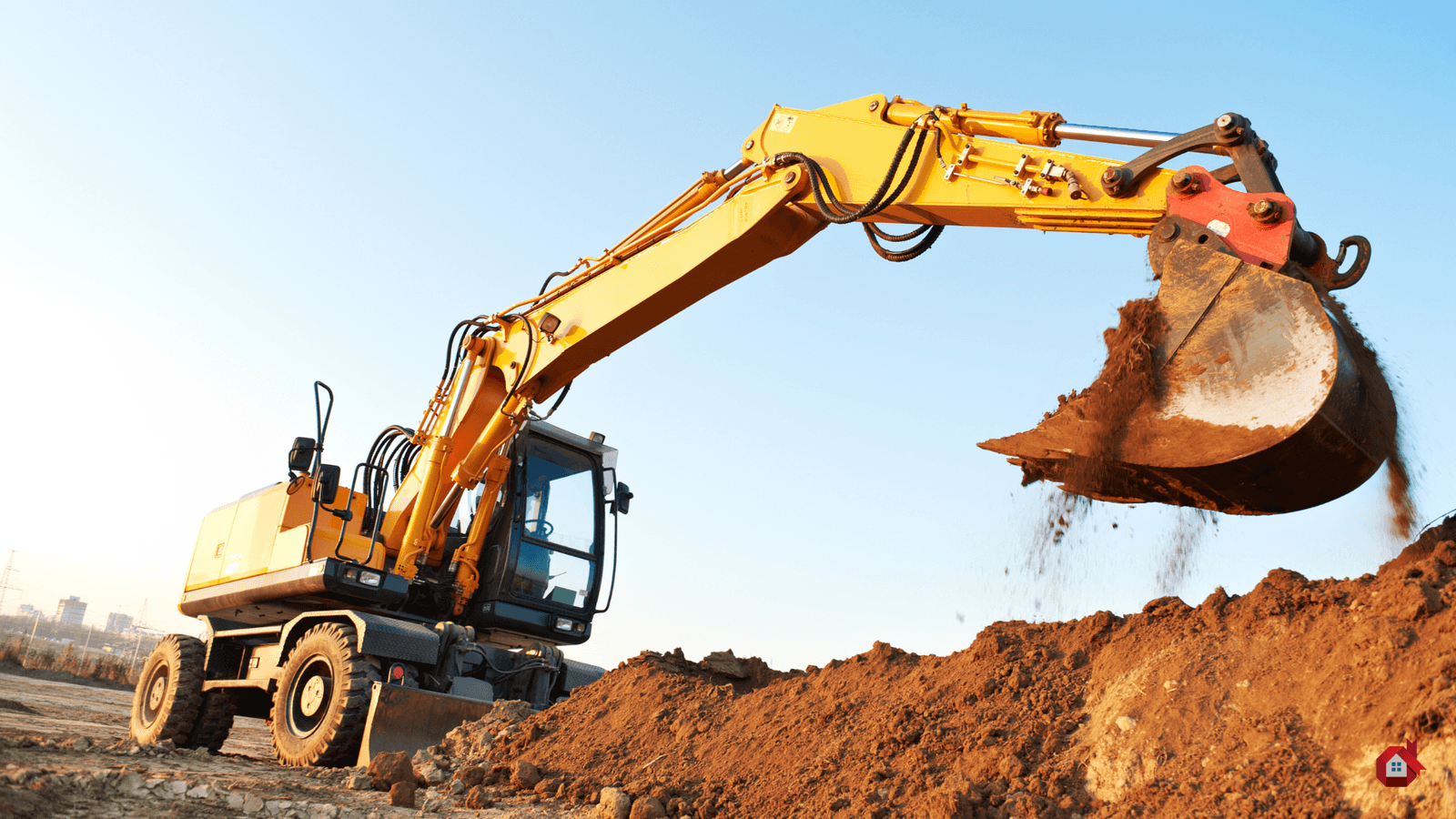
Excavation is an unavoidable step in numerous construction projects, whether to build a foundation, put in a swimming pool, or for landscaping purposes.

Cynthia Pigeon
•30 Apr 2026
Across Canada, the cost of an asbestos test for a residential property typically ranges between $200 and $950. A simple DIY sampling kit costs around $200, while a full professional inspection with a certified report generally falls between $500 and $950. Testing materials before any demolition or renovation—especially in homes built or heavily renovated between 1930 and 1990—is a critical step to protect occupants’ health and ensure compliance with occupational health and safety regulations.

Editorial Team
•03 Nov 2025
Among the many renovation projects out there, painting projects are most accessible to apprentices in the industry. Indeed, painting is part of our daily lives and few are those who can ever say they've never been called to lend a hand to change the appearance of one or more rooms inside a home.
Cynthia Pigeon
•30 Jan 2025
From time to time, when showering, you may experience a loss of water pressure. If this problem persists, it really does make your shower routine somewhat annoying and unpleasant. Check out this article to find out about the causes and possible solutions for this lack of water flow while showering.