Driveway Sealer - 5 Essential Facts to Consider Before Using
By Editorial Team
Updated on July 25, 2025
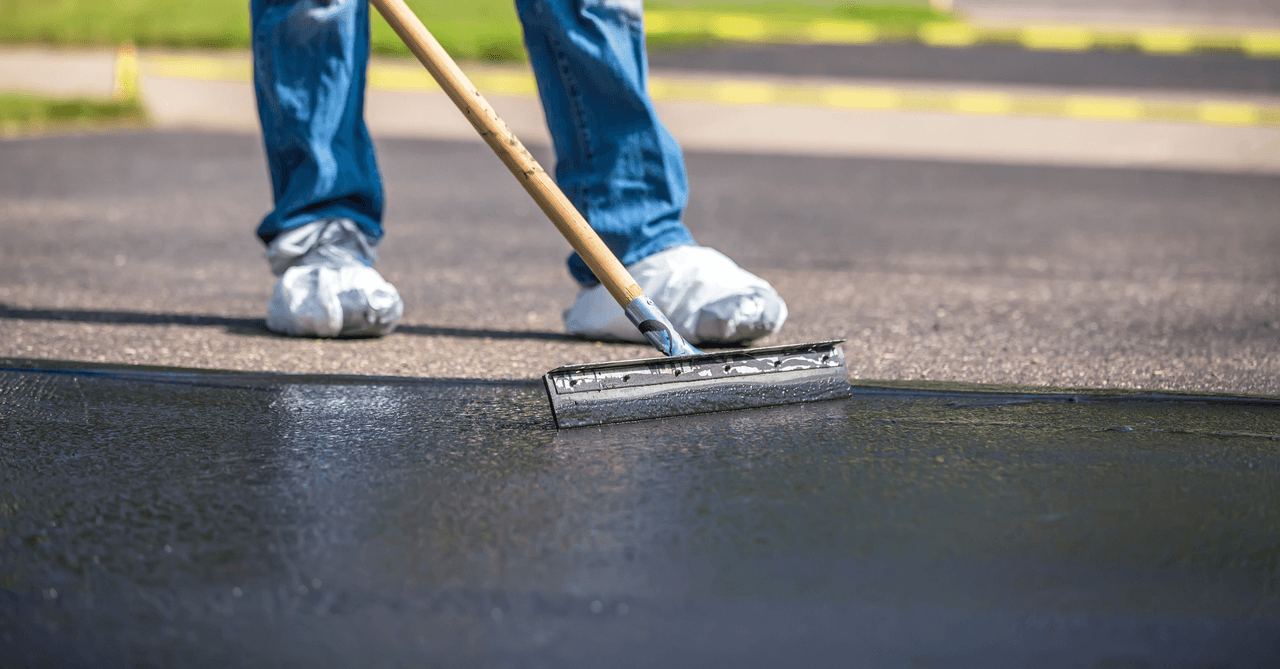
While some believe that an asphalt driveway doesn’t require any maintenance, the fact is, it’s quite the opposite, actually. Albeit it can withstand years of use, ultimately, over time, a lack of proper care and upkeep will show through.
Hence, it's strongly advised to apply a sealer. What’s there to know about this product, which is a vital part of ensuring your driveway is safeguarded and withstands years of use?
5 Must-Know Facts About Driveway Sealers
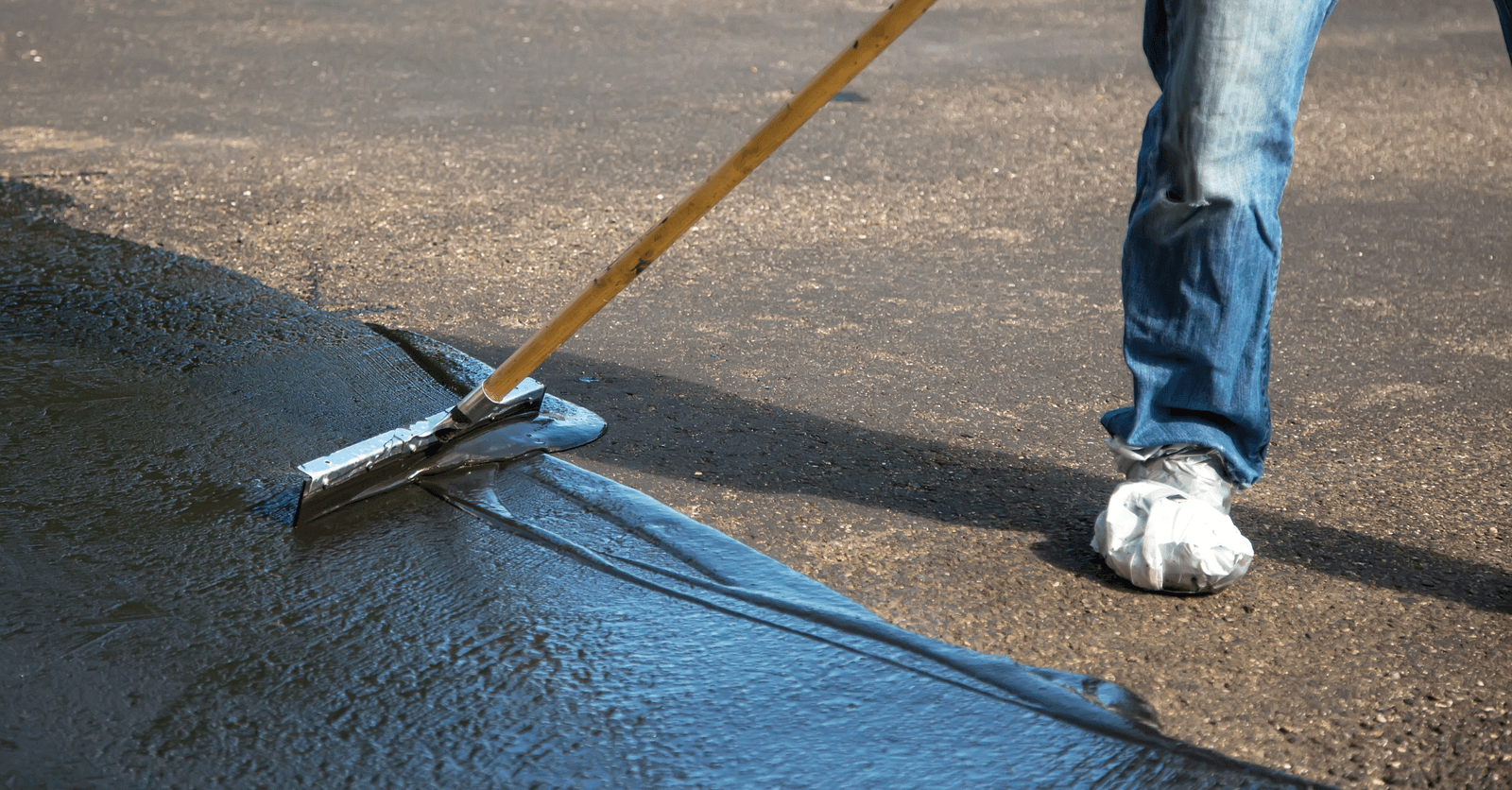
Source: Canva
1) Driveway sealers must be applied regularly
Although one could be led to believe that applying a driveway sealer is only necessary post-paving, that really isn't true. Albeit you do have to apply a first coat of sealer two to three months after it’s first paved, note that applying another layer is also necessary every two years after that.
In fact, the reason why an asphalt driveway must be adequately protected is that it'll be challenged against numerous sources of stress, such as deicing salt, heat, oil, and petrol. Hence, it must be adequately sealed.
2) Acrylic-, bitumen-, and polymer-based sealants
There are three types of sealers currently retailed: acrylic- or bitumen-based, or a mix of bitumen and polymers. Given that an acrylic-based sealer lacks waterproofing characteristics and grip, and that their durability isn’t the best, it’s an option that’s often advised against.
As for a bitumen-based sealer, this one has a lot of upsides, such as allowing the asphalt to breathe while also providing high-quality protection. Furthermore, this sealer has a smooth and uniform finish, which is especially aesthetically pleasing.
Lastly, a bitumen- and polymer-based sealer also allows the asphalt to breathe, on top of guaranteeing a waterproof finish (petrol- and water-wise). As opposed to the other two sealers, this one can seal cracks and fill potholes. That being, this option is often recommended to seal really damaged driveways.
What Type of Sealant Best Protects an Asphalt Driveway?
The best driveway sealer hinges on weather and wear. Bitumen and polymer-based sealers are typically more effective, resulting in a waterproof surface, one that’s also UV ray- and chemical product-resistant. Acrylic sealers are also quite effective, making for an aesthetic finish that’s stain-resistant. It’s essential to choose a product that’s suited to your needs and apply it when appropriate to maximize efficiency.
3) Test it first, then apply it
As mentioned in the first pointer, sealers must first be applied two to three months post-paving. However, it’s still important to ensure that the oils found in the asphalt have completely evaporated before proceeding.
To do so, spray the asphalt with water for about a minute. If a rainbow appears, the evaporation process isn’t completed and you’ll have to wait a little bit longer before applying a sealant.
4) Don’t overlook the prep step!
For the sealer to adhere properly to the asphalt's surface, be extra cautious during the planning stages. First off, pick a day during which the temperature won’t drop below 10 degrees and no rainfall is expected.
Secondly, make sure that the asphalt surface is clean, ideally pressure-washed. After cleaning the paving, the surface must be devoid of leaves, dust, or any other type of debris. Moreover, scrub out any stains with a wire brush, ensuring stains don’t spill through once the sealed surface is dry.
Also, to benefit from a uniform surface that’s seal-ready, fix any cracks or potholes. For both the latter and the cracks—those that are more than half an inch wide—use a product specially designed for repairing potholes.
As for minor cracks (under half an inch wide), an asphalt driveway crack filler will work just fine. Keep in mind that if you have to carry out such repairs, wait another two weeks before applying a sealer.
5) Applying a driveway sealer has a slew of advantages
Although we’ve briefly covered this earlier, recapping all the upsides in a more detailed manner is more than worthwhile. Applying an asphalt driveway sealer ensures durability, providing additional safeguarding against:
Various impacts
Calcium chloride and salt
Petrol
UV rays
Heat
Rainfall and water
Oil stains
Curious about the cost of a paving project? Check out our article: Driveway Paving Cost Guide: How Much to Budget in 2025?
While you’re at it, check out our article All About Heated Asphalt.
Why Apply a Driveway Sealer?
Applying an asphalt driveway sealer protects the surface against outdoor elements, such as rainfall, UV rays, oil, and chemical products, which can cause the asphalt surface to crack or deteriorate prematurely. It acts as a barrier, prolonging the asphalt’s lifespan while also improving its appeal by revamping its uniform finish and colour. Moreover, it mitigates the risks of water ingress, which can weaken the structure, resulting in potholes.
How to Maintain an Asphalt Driveway
Regular upkeep prolongs an asphalt driveway’s lifespan, further preserving its state. Inspect your driveway every month to spot any cracks or damage, especially around the edges, consulting with an asphalt maintenance contractor to promptly repair any issues. Make sure your sprinkler jets aren’t aimed at your driveway, as excess moisture can damage the surface. Keep the asphalt clean and debris-free by sweeping or hosing it regularly, ensuring leaves and tree sap aren’t causing additional and premature wear. Immediately wash away oil or petrol spills, which can weaken the asphalt and lead to water ingress.
Protect the edging by not driving up onto the sides, and reinforcing the edges with grass and topsoil. Moreover, make sure the soil that sits below the driveway’s surface level is drained properly. Take care of any stagnant water issues, as the latter will result in potholes. Doing so will nip the problem in the bud, preventing the damage from worsening. Seal cracks to prevent water ingress, especially during freeze-thaw cycling, and eliminate weeds that may disrupt the asphalt surface and lead to water ingress.
FAQ
How long does it take for an asphalt sealer to cure?
Driveway sealers typically need between 24 and 48 hours to cure. Drying times are based on the weather, such as temperature and humidity level. It’s best to avoid heavy foot or vehicle traffic on the surface until it has cured fully.
When to apply an asphalt sealant?
The first coat should be applied within 12–18 months following the paving process.
How long does an asphalt sealant last?
Professionals recommend resealing asphalt driveways every 2–3 years following the first sealant application.
How much does it cost to pave a driveway?
The cost of paving a driveway varies from $5–$20 per square foot. To mitigate costs, opt for recycled asphalt.
Looking for something else?
Related articles
The latest industry news, interviews, technologies, and resources.
Editorial Team
•16 Mar 2026
Quebecers have a strong and unwavering love when it comes to swimming, and an inground pool is definitely a backyard MVP and must-have.
Editorial Team
•11 May 2026
Are you looking to benefit from a new, revamped landscape design, but are worried about getting it done right? If so, maybe hiring a professional landscaper is just the right call.
Cynthia Pigeon
•08 Nov 2023
Whether to revitalize your home or prevent heat loss, it may be tempting to replace your windows.
Editorial Team
•01 Apr 2025
Trees are the ultimate evidence of time gone by. Once you plant a type or species on your property, with time, the sprout will grow, the trunk will thicken, the branches will spread, the buds will bloom, and the foliage will change along with the seasons.
Editorial Team
•08 Nov 2023
With the swimming season around the corner, the only thing you’re probably awaiting is taking that first refreshing dip into a nice, clean pool. But first, you have to open it, which isn't a fun thing to do. Fear not, as this article will guide you through the swiftest and simplest method to open your pool!