House Floods: Strategies for Building More Flood-Resistant Homes
By Editorial Team
Updated on March 18, 2026
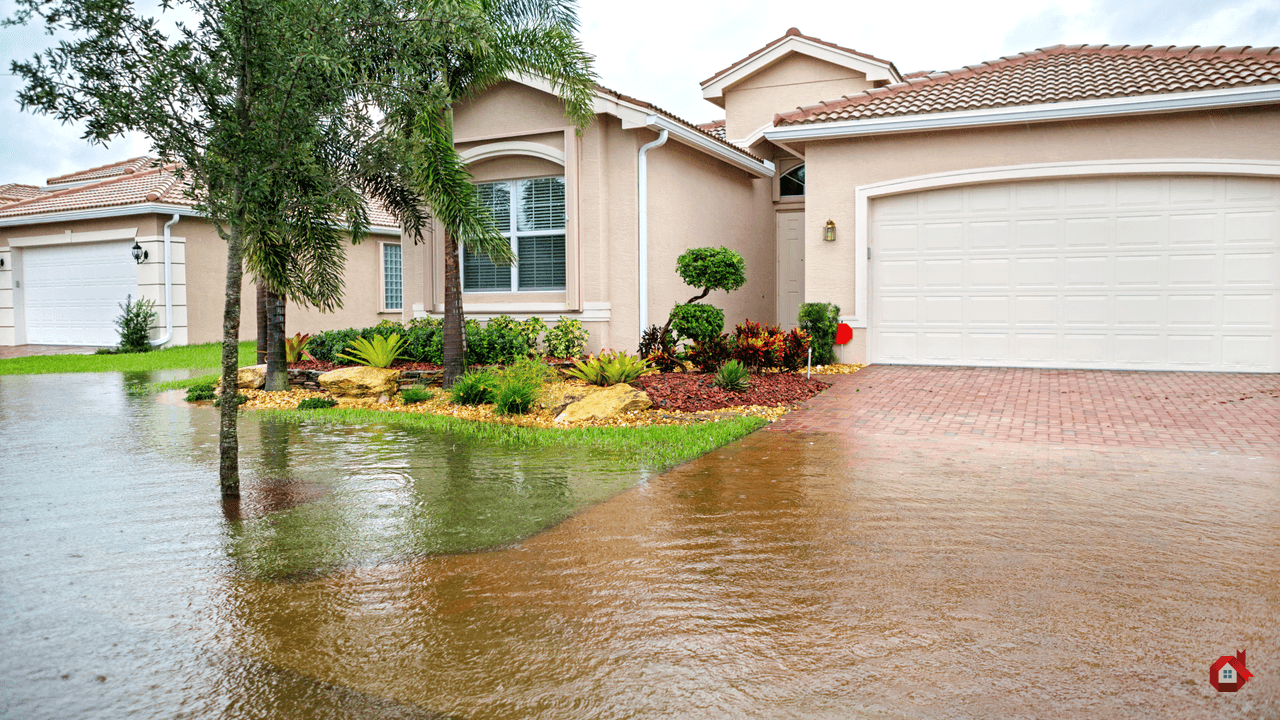
We can all recall images of people shocked at finding their homes completely destroyed as a result of major flooding. It happened in Montreal and Toronto in 2024, Baie-Saint-Paul in 2023, Sainte-Marthe-sur-le-Lac in 2019, Montérégie in 2011, and the list goes on. While once a rare occurrence, major flooding is becoming increasingly common. As a result, many homeowners are coming to terms with the fact that their homes weren’t built to withstand such natural forces.
Get Your Project Started Today
Submit your details and receive three free quotes from trusted contractors.
Mother Nature is all-powerful, and homes are small and fragile in comparison, especially when exposed to extreme weather patterns. Despite that, there are ways to stack the odds in your favour and improve your home's resistance and resilience. At every step of a home renovation or build, with waterproofing in between, choices are made that can have a significant impact in critical times.
You may be asking yourself:
Is my house in a flood-prone zone?
Can my house flood even though it’s nowhere near a body of water?
How can I waterproof every inch of my house, top to bottom?
Let’s take a closer look.
Flood Mitigation: How to Increase Flood Resilience
The Association des professionnels de la construction et de l’habitation du Quebec (APCHQ) issued a press release (French only) on August 15, 2024, highlighting the importance of flood-proofing residential buildings. Is your house sufficiently waterproofed to prevent water from coming in? Let’s take a look at the different contributing factors.
Foundation and Basement Waterproofing
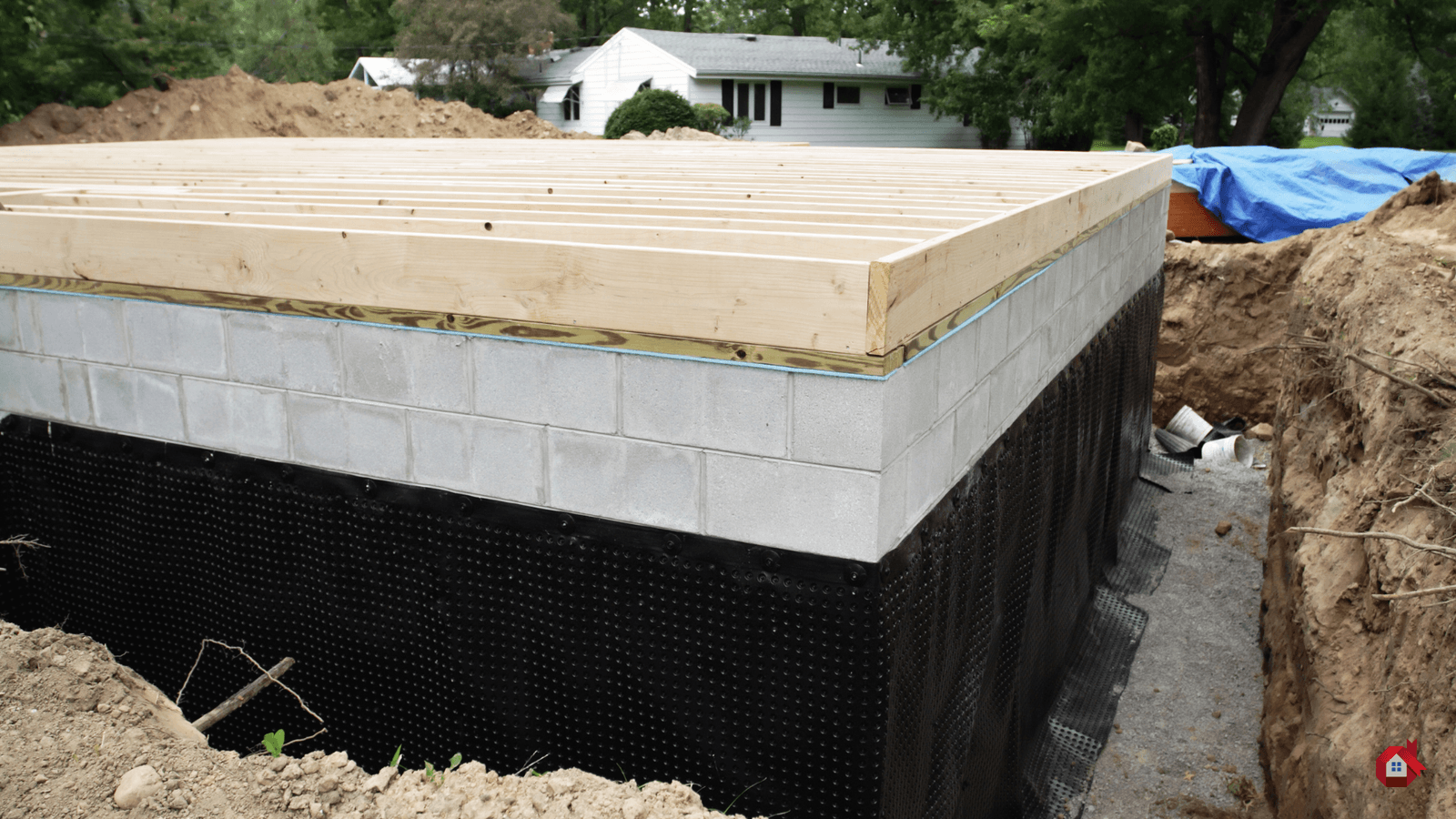
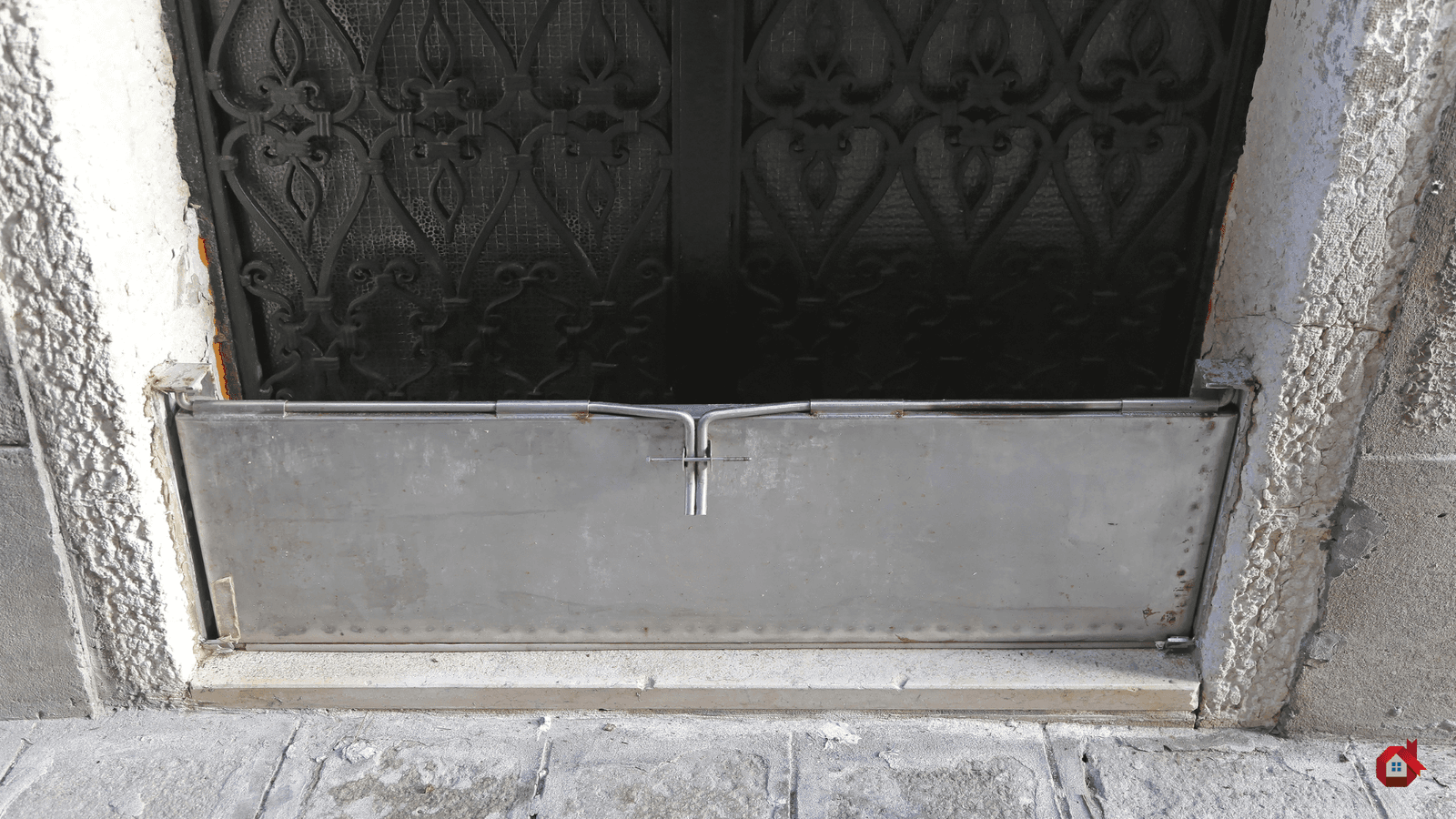
Oftentimes, water seeps inside dwellings via the basement or crawl space. During many flood events, said spaces are first affected by rising water levels. Foundation cracks and poorly sealed openings (doors and windows) are little gateways through which water can infiltrate, damaging your home.
Here’s everything you should know about waterproofing your basement and foundation, including renovation work to stack the odds in your favour:
Waterproof Exterior Siding
At times, flood water rises, meeting first-floor landings, and in worst-case scenarios, the floors above. Hence, waterproofing your exterior siding is of utmost importance.
If your exterior siding already has a decent protective coating, make sure to maintain it adequately to prevent setbacks.
On the other hand, if the existing siding isn’t suitable, waterproofing measures should be at the top of your priority list when choosing your next siding.
Here’s a guide detailing the different types of exterior siding: Exterior Siding - Which One Will Boost Curb Appeal?
Waterproof Roofing
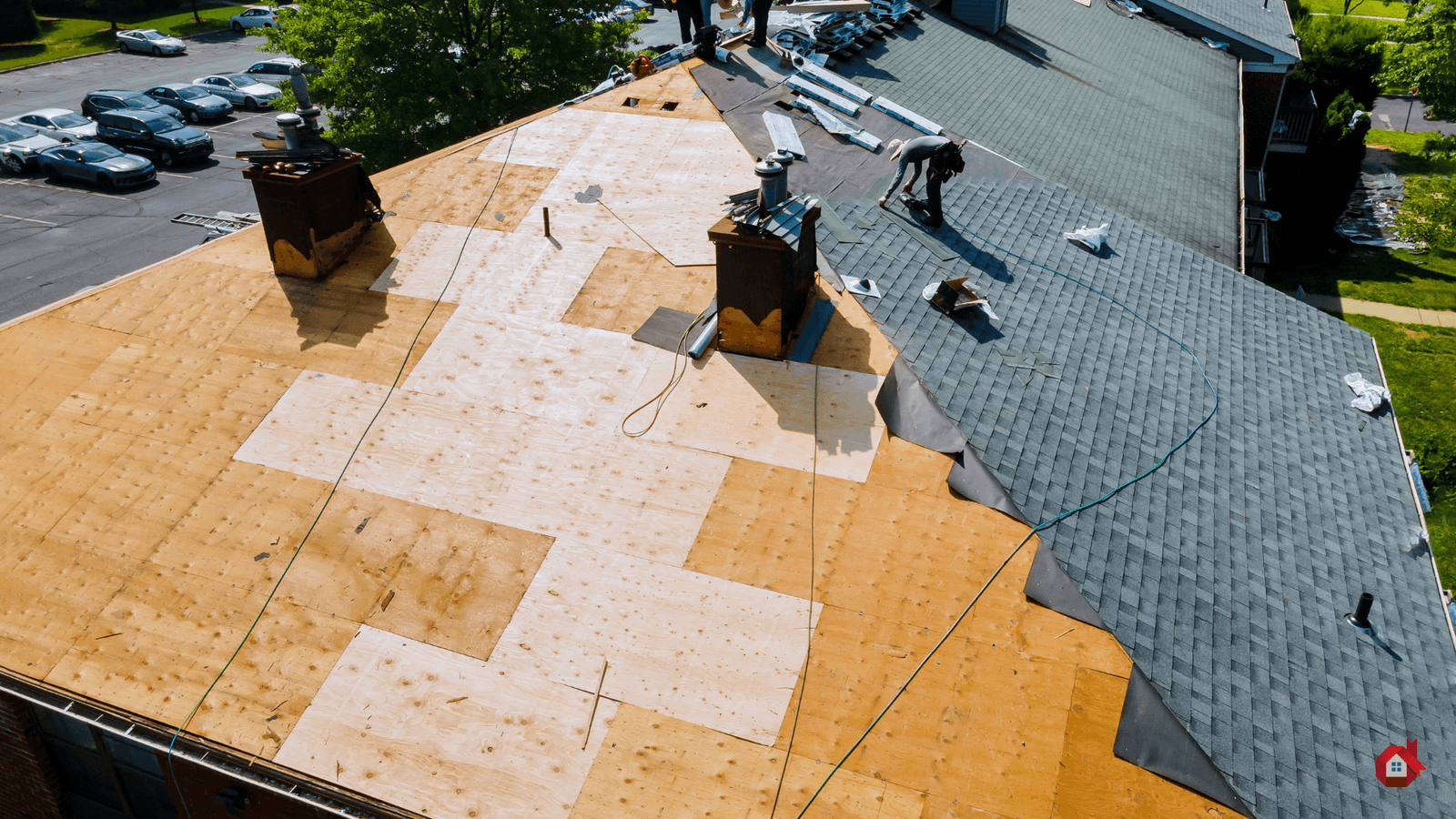
During periods of heavy rainfall, water is likely to leak through the roofing, and subsequently into your house. Improving the resilience and resistance of homes also means preventing possible floods as a result of a poorly sealed roof. Make sure your roof is in tip-top shape, carry out any necessary repairs right away, and if you choose to re-roof, get a waterproof roofing material.
Makr sure to read the following:
Seal Doors and Windows (House and Garage)
Windows come in handy to peek outside and check the weather in the safety and comfort of your home. On the other hand, if the openings are poorly sealed, rainwater can disrupt this reassurance and cause significant damage to your home.
Here’s everything you should know about sealing doors and windows to protect your home from floods:
Landscaping: How to Improve Rainwater Drainage Systems
For a few years now, it has become apparent that one of the contributing factors to flooded buildings is that residential landscaping and urban land use sometimes fail to adequately address the rapid rise of surrounding water levels. The use of unporous materials like concrete makes it so that water builds up and flows freely until hindered by obstacles or porous materials.
Urban planners, landscape architects, and other land-use experts have to find solutions tailored to streets and green spaces surrounding residential buildings.
Is the landscaping around your house optimized to absorb rainwater before it seeps inside your foundation? If you're not sure, you might want to look into turfstone pavers.
Flood-Proof Your Yard and House: Pumps, French Drains, and Other Options
Several systems and landscaping solutions are designed to drain rainwater away from your home, channelling it toward a porous area. Dry wells, French drains, submersible pumps, and gutters come to mind. Moreover, if you’re not already familiar with the concept of a water table, read up on it.
Check out this article for more information about French drains: What Is a French Drain?
At-Risk Houses: What Is a Flood-Prone Zone?
The truth of the matter is that flood-prone zones are now more widespread and less predictable than they once were. People who live near bodies of water are particularly affected, but floods can also result from ineffective landscaping that leads to stormwater buildup. Common causes include damaged aqueducts or torrential downpours that fail to drain properly, causing water to stagnate or rise.
That’s what happened in August 2024 in Montreal, where a water leak created significant challenges for local authorities and nearby homeowners.
In this context, planning renovation or drainage improvements well ahead of the summer season becomes critical. Summer is peak season for contractors, and waiting too long can delay essential work aimed at preventing water damage. Booking early not only helps secure availability but also ensures your property is better prepared to handle heavy rainfall when it matters most.
What Criteria Determine If a House Is in a Flood-Prone Zone?
According to the Climate Change Institute, in Canada, more than 1.5 million houses are built in flood-prone areas. The criteria vary from one province to the next, and the more flooding there is, the more homes fit into said category. Homeowners can find more province-specific information on FloodSmart Canada.
Flood Maps: How Can You Find Out If Your House Was Built in a Flood-Prone Area?
There are several ways for you to check whether your house is standing in a flood-prone territory. First, check your home’s certificate of location. However, note that the information provided might not be up-to-date if the certificate of location you have is old. In any case, you can request a new certificate of location, or consult flood maps online.
Also, the Government of Canada has its own flood mapping page, made available to the public.
Modernization of mapping and regulations
Following the major floods of 2017 and 2019 (over $1 billion in damages), the MELCCFP has updated mapping and regulations related to water environments, including flood zones (FZ). The new regulatory framework comes into force on March 1, 2026, while the new maps will be rolled out progressively by region (the old and new maps may temporarily coexist).
In practical terms, the “next-generation” maps will be more precise and will classify risk into four levels of intensity; they will also include river mobility zones (RMZ) (50- and 100-year horizons). As of now, before planning a project, it is essential to verify whether the property is located in an FZ/RMZ or intersects with a wetland or water environment, as certain types of work may require additional approvals (municipal or provincial), adaptation measures, and added timelines and costs. Municipalities remain responsible for issuing permits, and it is recommended to follow official announcements and consult the available government tools and maps.
Is There Funding for Renovating a Flood-Prone Property?

Yes! Since desperate situations seemed to have multiplied over the last few years, different provincial governments across the country now provide financial support for those seeking to flood-proof their homes.
The Canadian government launched the National Disaster Mitigation Program (NDMP), sending funding to provinces and territories. Citizens can’t apply, but funds are allocated in different ways such as selected by one’s provincial government.
In Montreal, citizens have access to the RénoPlex Program, allowing building owners to renovate for the sole purpose of weatherproofing.
After each natural disaster, funds are also provided to persons affected to help rebuild infrastructure according to a building code tailored to a specific situation.
How Can You Mitigate Flooding?
In life, a lot is out of our control, especially rising water levels, which can be a flooding hazard. That said, homeowners can stack the odds in their favour to make it out unscathed—or nearly so.
As a homeowner, you’re likely doing everything in your power to ensure your home is weatherproof and resilient by following the tips and tricks detailed in this article.
As a citizen, we have to encourage our municipalities and government authorities to promote flood mitigation projects by opting for urban and rural land planning solutions that are tailored to region-specific risks of flooding, such as creating sponge parks, limiting the use of concrete when possible, upgrading municipal sewer systems, and redirecting rainwater.
Who Can Inspect My House for Waterproofing?
If you’re looking to have the overall state of your home assessed, you can hire a building inspector. They will carry out a general home inspection, focusing on the waterproofing aspect if requested.
You can also proceed one step at a time, consulting experts in foundation, roofing, and windows and doors.
Additional Tips & Tricks to Protect Your Home from Floods
Assess the state of your plumbing system to ensure that it can withstand rising water levels (sewer backup).
Check whether your gutters are in good condition, ensuring that rainwater is channelled toward the downspout instead of stagnating.
If your property has negative grading, fix it.
Measures To Take Before And During A Flood
Preparing an Emergency Kit: The Essentials to Keep on Hand
When a flood strikes, it is often too late to scramble to gather what you need. Taking the time to prepare an emergency kit in advance provides peace of mind and ensures you can respond quickly, even under stress.
A good emergency kit should contain everything your household needs for at least 72 hours. Be sure to include:
Drinking water (at least two litres per person, per day)
Non-perishable food (energy bars, canned goods, etc.)
A flashlight and spare batteries
A battery-powered or hand-crank radio to follow official instructions
A complete first aid kit
Copies of important documents (insurance, ID) in a waterproof bag
Warm, waterproof clothing
Basic hygiene items (wipes, soap, toilet paper)
Essential medications and a list of each person’s specific medical needs
Some cash and a list of emergency contacts
Store your kit in an easily accessible location known to all household members. Take the time to check it every year to replace expired or missing items. This small step can make a big difference if water levels start to rise.
Use Temporary Physical Barriers
When flooding threatens, there are practical ways to prevent water from reaching your home, even when time is limited. One of the most effective methods is building a sandbag barrier around the house to create a physical defence against rising water. This technique, often recommended by municipalities, involves stacking sandbags using a specific method: place the first row of bags perpendicular to the house, ideally on firm ground or in a shallow trench to improve stability. Stack additional rows by alternating their direction to strengthen the structure. To help reduce water seepage between the bags, you can also place a flexible plastic (polyethylene) sheet between the rows exposed to water.
Sandbag barriers are especially useful during sudden flood warnings and can be set up quickly with the help of neighbours. Check with your municipality to find out how to obtain sandbags in an emergency, as they are often distributed locally during flood events. While this solution is temporary, it can make a significant difference in protecting your home until water levels recede.
What to Do During a Flood: Essential Safety Steps
When water levels begin to rise, it is critical to act quickly and stay calm. Your top priority is the safety of occupants: follow instructions from local authorities via radio, television, or social media, as conditions can change rapidly. If an evacuation order is issued, leave immediately for higher ground, and never attempt to drive or walk through flooded areas.
Stay away from basements and rooms already affected by water, as the risk of electrocution or injury is real. If it is safe to do so, shut off electricity and gas at the main switches. Keep a close eye on children and pets and ensure they stay away from flooded areas. At night, remain extra vigilant, as hazards are harder to see.
Finally, stay calm, check regularly that everyone is safe, and wait for official instructions before returning home or beginning cleanup. Following these simple steps can help limit damage and, most importantly, protect you and your loved ones.
What to Do After a Flood
Initial Cleanup and Damage Control
When it’s safe to return home after a flood, acting quickly can help limit further damage and make the cleanup process more manageable. Here are the first steps to take:
Remove standing water: Use buckets, mops, or a wet/dry vacuum to get rid of as much water as possible.
Start drying out your home: Open windows and doors to let fresh air in. If you have fans or dehumidifiers, use them to speed up the drying process.
Move valuables and important items: Relocate furniture, electronics, and personal belongings to a dry area to protect them from lingering moisture.
Clear out mud and debris: Shovel out any mud or debris left behind by the flood to prevent further damage and make cleaning easier.
Separate items that can be saved from those that are too damaged: Focus on drying and cleaning things that are salvageable, and set aside anything that cannot be saved for proper disposal.
Taking these steps as soon as possible can help prevent long-term problems and make your home safer and more comfortable as you begin the recovery process.
Preventing Health Risks and Illness After a Flood
After a flood, keeping yourself and your family healthy should come first. Floodwaters often contain bacteria, sewage, and other harmful substances that can linger in your home and belongings. As you begin cleaning up, wear rubber boots, gloves, and a mask to avoid direct contact with contaminated water and debris. Be cautious with anything that may have been exposed to floodwater—especially food and drinking water.
If you’re not sure something is safe, it’s best to throw it away. Use only bottled, boiled, or treated water for drinking, cooking, and cleaning until local authorities say your tap water is safe again. Mould can start to grow within days, so open windows and use fans or dehumidifiers to dry out your home as quickly as possible. Also, never use gasoline-powered generators, pumps, or heaters inside your house, as this can cause dangerous carbon monoxide buildup.
Key steps to reduce health risks after a flood:
Wear protective gear (boots, gloves, mask) when cleaning up
Throw away any food or water that touched floodwater
Use only safe, clean water for drinking and cooking
Dry out your home quickly to prevent mould growth
Keep gasoline-powered equipment outdoors to avoid carbon monoxide poisoning
Taking these simple precautions will help protect you and your loved ones from illness as you recover from a flood.
Calling a Professional Restoration Expert After a Flood
After a house flood, it’s tempting to tackle the cleanup yourself. But water damage can be more complicated—and dangerous—than it looks. Hidden moisture behind walls, lingering bacteria, and the risk of mould growth are just a few of the problems that can go unnoticed. That’s why it’s often best to call in professional restoration experts as soon as possible.
Restoration professionals have specialized equipment to remove water, dry out your home thoroughly, and check for hidden damage. They know how to handle contaminated water safely, prevent mould, and repair structural issues that might not be obvious at first glance. Most importantly, they can act quickly to help prevent further damage and make sure your home is safe for you and your family.
Choosing a reputable restoration company with experience in flood recovery means you’ll get a thorough, professional job—giving you peace of mind during a stressful time. While some cleanup steps can be done on your own, working with experts ensures the job is done right and helps you get back to normal faster.
Documenting Damage for Insurance
If your home has been flooded, taking the right steps to document the damage is essential for a smooth insurance claim. Before you begin any cleanup, use your phone or camera to take clear photos and videos of every affected area—inside and outside. Capture close-ups of damaged walls, floors, furniture, and personal belongings, as well as wide shots that show the overall impact.
Don’t throw away ruined items just yet; your insurance company may want to inspect them as proof of loss. If it’s safe, gather all receipts, warranties, or records for major items that were damaged. As soon as possible, contact your insurance provider to report the flood and start your claim. The more thorough your documentation, the easier it will be to demonstrate your losses and get the compensation you deserve.
FAQ About Floods
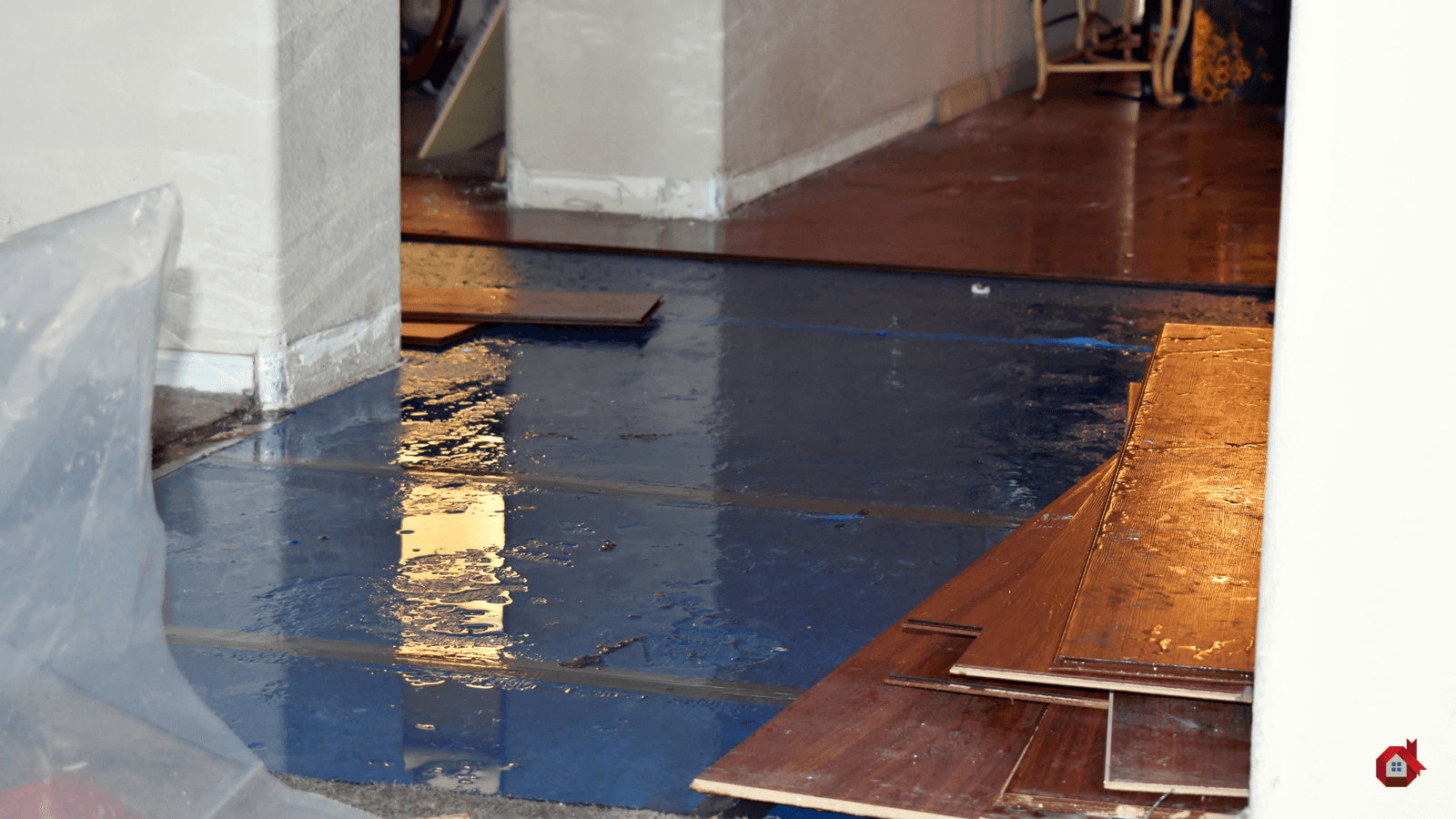
When is the risk of flooding the highest?
The primary cause of flooding in Canada is heavy rainfalls and melting snow in the spring. That being said, climate change makes it so that Mature Nature throws our way weather that’s increasingly disastrous during the summer and throughout the year too. Hence, a lot of buildings flooded in Montreal in August 2024.
The tail end of winter is also closely monitored by authorities in charge to prevent flood-related damage, but the surveillance period tends to stretch for months on end.
What are the consequences of flooding for homeowners?
First, deteriorating, if not, completely destroyed buildings. Next, renovations are called for, if not relocating, should repairing the damage done be ineffective. Oftentimes, insurance premiums increase and reimbursement thresholds decrease. Lastly, the sense of safety and security felt by citizens is hanging on by a thread.
Are there more floods than before in Canada?
With rising water levels and increasing heavy downpours (atmospheric river, hurricane remnants) affecting coastal regions, more floods have been reported across the country.
What are flood resilience measures for homes built near bodies of water?
Here are some tips and tricks to protect homes built near bodies of water:
Upkeep the French drain circling the foundation
Regularly inspect the submersible pump
Seal all openings below water level (as per the National Building Code)
Why was my home flooded even though it’s not in a flood-prone zone?
Besides flooding resulting from overflowing rivers, other scenarios can lead to significant amounts of water inundating buildings. Below are some examples:
Overflowing stormwater drain
Aqueduct system failure or breakage
Over the last few years, we’ve been privy to several of the two above-mentioned scenarios in Montreal, including the unexpected water main break that washed out a large part of the Ville-Marie borough in August 2024.
Looking for something else?
Related articles
The latest industry news, interviews, technologies, and resources.

Editorial Team
•23 Jun 2025
If you have a large yard, and therefore, perform a significant amount of yard maintenance, chances are you know a thing or two about dragging electrical wires along your lawn. Now, did you know that outlets can be mounted on soil-planted posts and wires can be buried beneath your feet? You can save yourself the hassle and frustration of pulling cords across the grass by running power underground!
Editorial Team
•08 Nov 2023
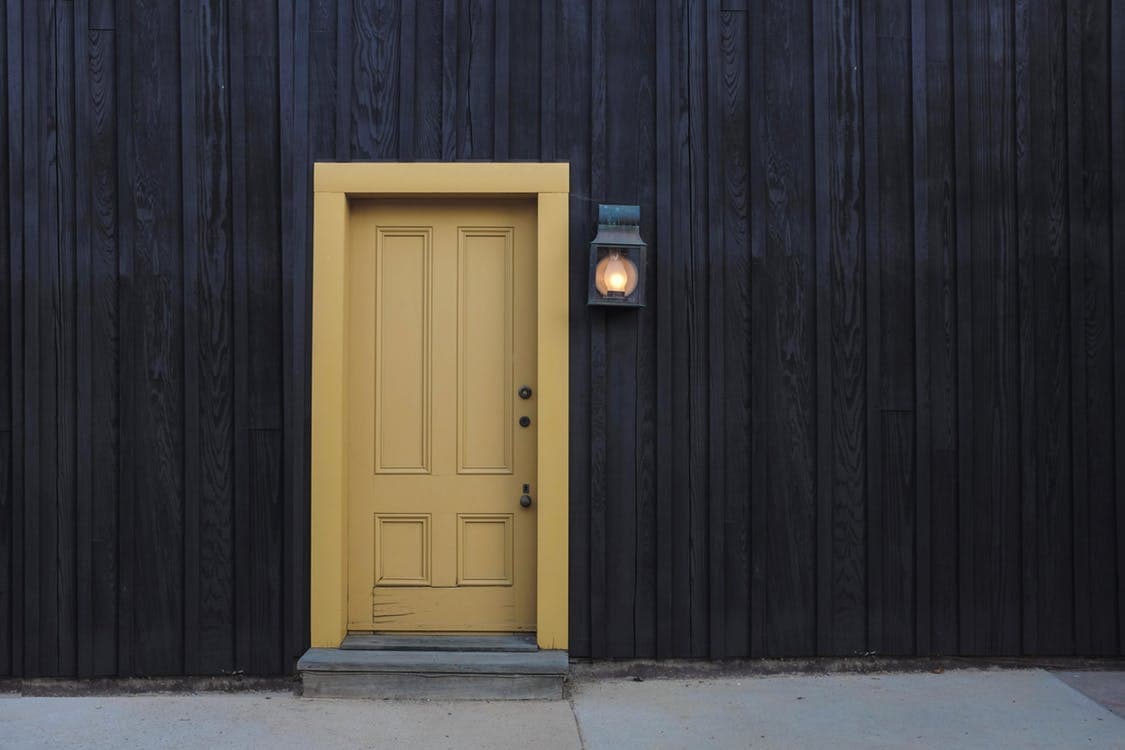
The doors of your home play a significant role in keeping things looking and feeling comfortable. Your front door is a portal into the interior, whilst the doors of each individual room allow for privacy and maintain proper temperatures.

Editorial Team
•08 Jun 2026
In many Canadian regions, fireplaces become the heart of the home for 3 out of the 4 seasons. The wood crackling in the hearth, the comforting smell of burning wood, and the cozy ambience of the room—whether we consciously acknowledge it or not—all contribute to a fireplace's undeniable charm.
Léa Plourde-Archer
•25 Sep 2024
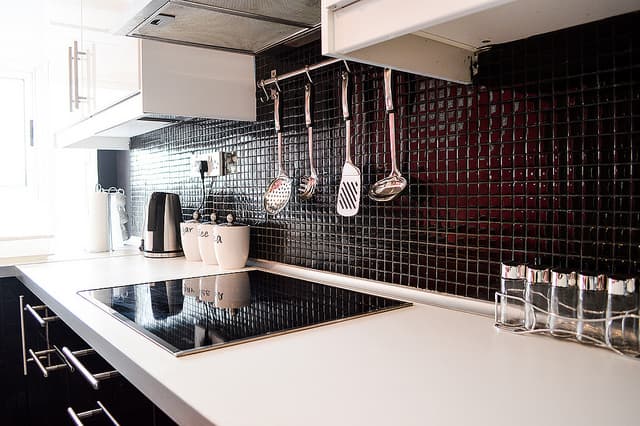
In the kitchen and in the bathroom, countertops are surfaces that play a much more important role than can be imagined. Valiantly welcoming our daily actions, they are both practical and aesthetical, often being a focal point of the room's decor. Countertops are offered in a wide array of colours and materials. Prices vary widely, providing options that fit all tastes and budgets.
Editorial Team
•27 Jan 2026
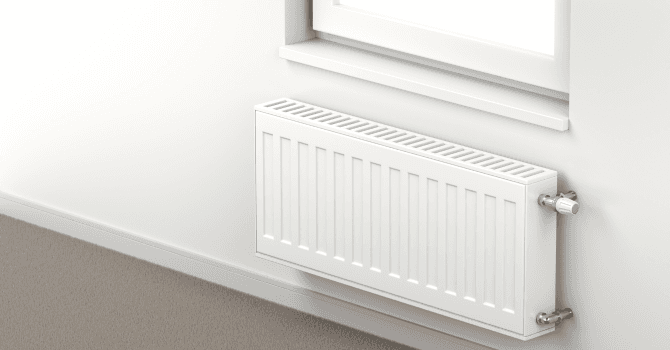
In Canada, winters are often long and harsh, so choosing the right heating system is important. On average, homeowners spend 64% of their household energy expenditures on heating, with bills skyrocketing to $1,200 for an average-sized home.