Garage Humidity Control - How to Prevent Excessive Moisture
By Editorial Team
Updated on May 14, 2026

Excessive humidity in your garage can affect your health negatively and damage your belongings. Luckily, there are straightforward and efficient methods to fight it.
How can you reduce humidity in your garage and maintain a healthy environment? What are the best ways to prevent humidity-related damage? This article will outline the best tips and tricks to prevent humidity to preserve a healthy environment. Say goodbye to humidity-damaged storage areas for good!
Controlling Garage Humidity and Moisture Problems
Source: Canva
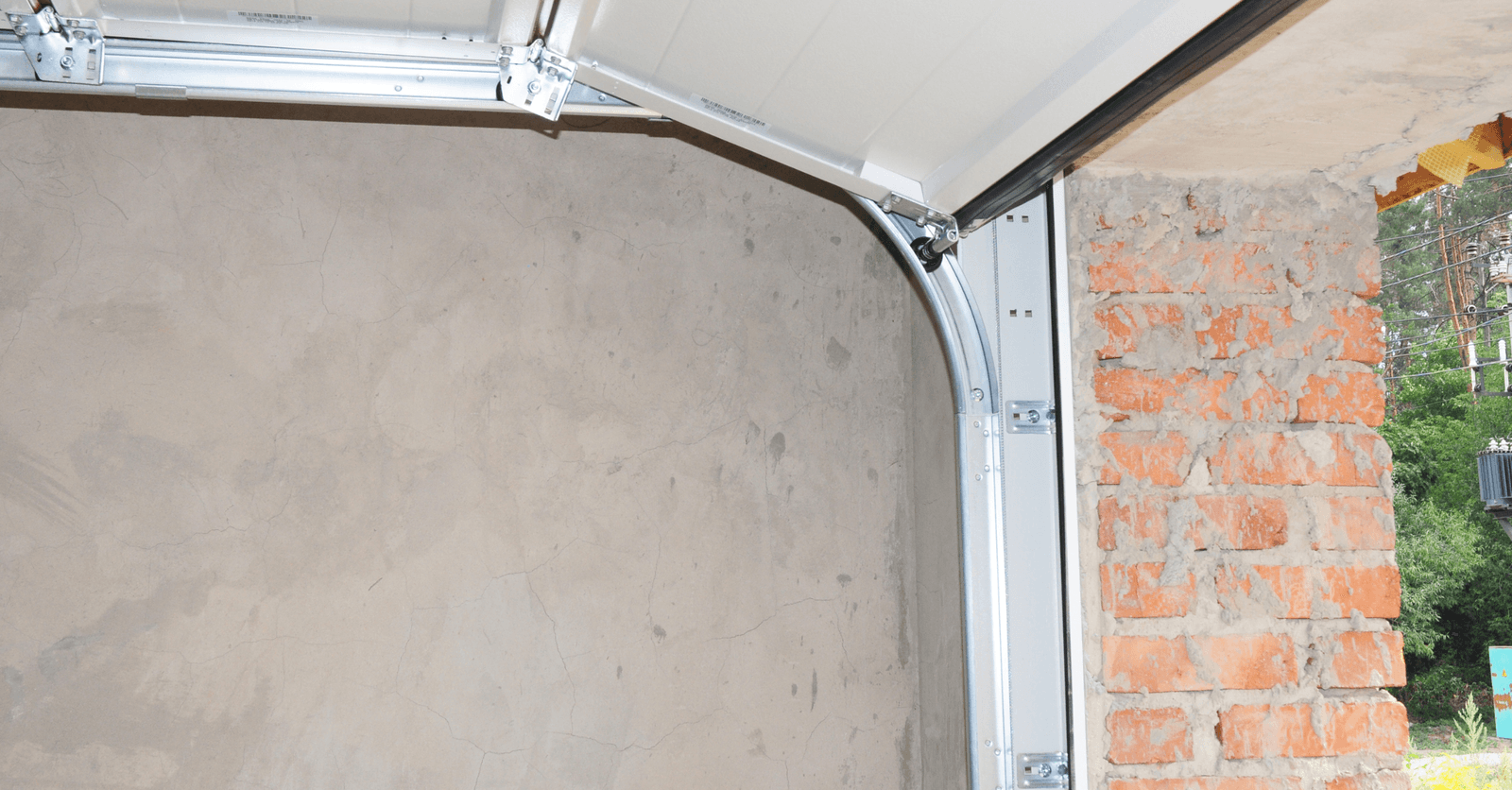
Humidity and condensation are frequent occurrences in enclosed spaces like garages, and as mentioned in our introduction, they can be rather detrimental. Why has this problem settled in your attached or detached garage and how can you spot the warning signs? We’ve got the answers to help you overcome a host of annoyances.
Is 70% Humidity Too High in a Garage? What Is Recommended?
In a garage, humidity levels shouldn’t exceed 45–50%. Otherwise, it can be quite risky, causing your tools to rust or deteriorate, while also posing as a health hazard due to potential mould growth. Using a hygrometer can help manage humidity levels, ensuring they’re kept at a healthy limit.
Indicators and Root Causes of Excessive Humidity in a Garage
The problem’s underlying causes and triggers are variable. Here’s what you need to know:
Humidity Indicators
If you notice any of the warning signs listed below, doubt no longer, you’re truly dealing with excessive humidity:
Condensation
Moisture stains
Foul smell
Peeling wall, ceiling, or garage door coverings
White substance coating your walls
Root Causes of the Problem
Before getting to the issue at hand—eradicating garage humidity—it’s important to know how to spot the potential causes. Many a source can be the root cause of the problem, including, but not limited, to the following:
Water leaking in from the garage floor and walls
Condensation, resulting from the temperature outside (especially during the rainy season and wintertime)
Poor wall and garage door insulation
Wet or snow-covered car parked inside the garage
Obstructed dryer vent hose located in the garage
Garage floor sealed with epoxy paint
Wet fire logs stacked in your garage
How Best to Deal with or Reduce Humidity in a Garage
Source: Canva
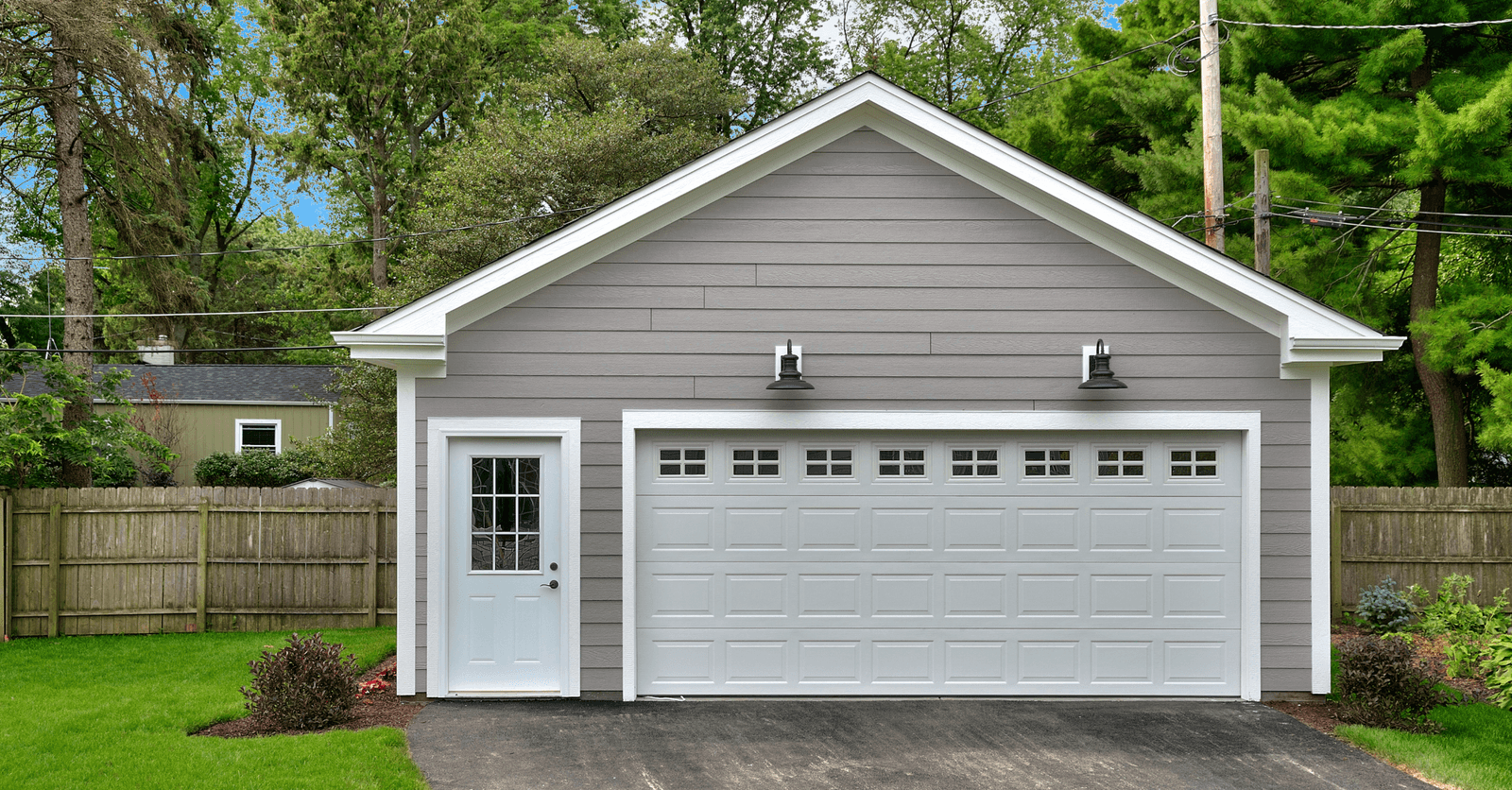
Now that you’ve identified the root cause of humidity in your garage, the next step consists of getting rid of it. Luckily, we've got some foolproof solutions for you!
Garage Ventilation System or Exhaust Fan
First, we highly suggest ensuring your garage is properly ventilated, especially since it’s often an enclosed space, whether attached or detached. The more ventilated the space, the less likely humidity will linger.
Below are easy ways to ventilate your garage naturally or with the help of a fan:
Install ventilation grilles or an exhaust fan in your garage to promote fresh air intake and remove humid indoor air.
Opt for garage doors with a built-in ventilation system.
Use a fan or climate control sensor and trigger the garage door panel to open automatically.
Garage Insulation
Aside from a ventilation system, we suggest assessing your garage's insulation. There are four crucial steps:
Insulate the garage floor: Use highly resistant insulation material like a specific extruded polystyrene solution.
Insulate the garage walls: You can either insulate the interior or exterior walls, but we suggest insulating the exterior walls since they’re exposed to the elements.
Insulate the garage ceiling: To properly insulate the ceiling of your garage, you can use polystyrene panels, cork boards, or glass wool.
Insulate the garage door: It’s super important to consider your garage door in terms of decent insulation. You can either opt to replace your current garage door or purchase a garage door insulation kit.
Alongside the above-mentioned, we suggest installing a vapour barrier. Adding this damp-proofing material or insulation with a built-in vapour barrier can significantly reduce the humidity in your garage.
Is It Worth Putting a Dehumidifier in a Garage?

Source: Canva
Installing a dehumidifier is another effective solution to reduce humidity in your garage. There are two types of dehumidifiers:
Condensation dehumidifiers remove moisture from the air by transforming it into liquid form through condensation.
Absorption dehumidifiers use a moisture-absorbing material to remove humidity from the air without requiring a compressor.
Be careful though, choosing a dehumidifier for your garage shouldn't be rushed. Each type has unique characteristics suited to specific environments.
Consider the following factors before purchasing a dehumidifier to sort the humidity issue in your garage:
Size and surface area to treat
Humidity level in the garage
Room temperature
Room’s noise level
Hygrostat function
Water collection container capacity, permanent drainage, etc.
In Canada, you can get yourself a dehumidifier for $200 to $500.
Garage Humidity Control: A Must to Preserve Your Space
Managing excessive humidity in a garage is essential to prevent material damage and maintain a healthy environment. Simple measures like enhancing ventilation and insulation can effectively control humidity levels. These actions not only protect your belongings from exposure and damage but also prevent mould growth and surface deterioration.
FAQ About Garage Humidity
How can I reduce the humidity in my garage?
To reduce humidity in your garage, start by assessing and sealing potential drafts and water leaks, such as cracks in the floor and walls. Use a dehumidifier to absorb excess moisture, and consider adding absorbent mats or waterproof flooring to minimize condensation. Lastly, ensure your windows and doors are well insulated to limit temperature variations, which can contribute to humidity.
How can I air out my humid garage?
Decent ventilation is essential to eliminate humidity in a garage. Install ventilation grilles or an exhaust fan to promote airflow. You can also leave the garage door slightly open to air out the space, especially during periods of high humidity.
How can I insulate my garage to reduce humidity?
To reduce humidity in a garage, use moisture-resistant materials like rigid foam panels or vapour barrier rolls. Insulate the walls and ceiling to help maintain stable temperatures and prevent condensation. Also, consider sealing around window and door frames to keep humid air from seeping in.
Looking for something else?
Related articles
The latest industry news, interviews, technologies, and resources.
Editorial Team
•19 Jun 2026
The dangers of cellulose insulation are worth understanding before colder weather puts more pressure on your home’s attic, roof, and heating system. As Canadian homeowners move from renovation ideas to seasonal preparation, early insulation planning can help identify dust exposure risks, moisture issues, fire-clearance concerns, and installation problems before they affect comfort or indoor air quality.

Editorial Team
•08 Nov 2023
If there’s one thing to check prior to purchasing or renting a home, it has to be the humidity levels. Not only are high humidity levels a health hazard, but they can definitely cut down the service life of a structure. Ideally, humidity levels should be between 40 and 50%. Anything above this limit will cause a proliferation of bacteria, mould, and dust mites.

Editorial Team
•08 Nov 2023
Leaving your house at the start of a long day and returning home at the end of one is a rite of passage. The steps that lead up to your front door deal with the weight of yourself and your loved ones going through these motions, in and out, over and over. So of course, it’s not surprising that the front steps of your home can begin to wear down over time. If you’re dealing with a cracked or broken step or beginning to notice signs of wear and tear, then you’ll need some tips on how to deal with this as soon as possible.
Amanda Harvey
•27 Jun 2024
Installing a brand-new toilet in your bathroom isn’t exactly a desirable project. Plumbing aside, this isn’t a job for the faint at heart and takes some time, effort and heavy lifting. However, if you’ve got a spirit for adventure and you’re feeling up for it, this is a DIY job that you can easily take on!
Editorial Team
•03 Jun 2025
Whether you want to modernize your home, reclaim some living space, create a unique partition, or accommodate a family member with reduced mobility, installing sliding doors is a smart choice — they’re both practical and timeless.