Garden-Level House Plans: Making the Most of a Sloped Lot
By Editorial Team
Updated on November 4, 2025
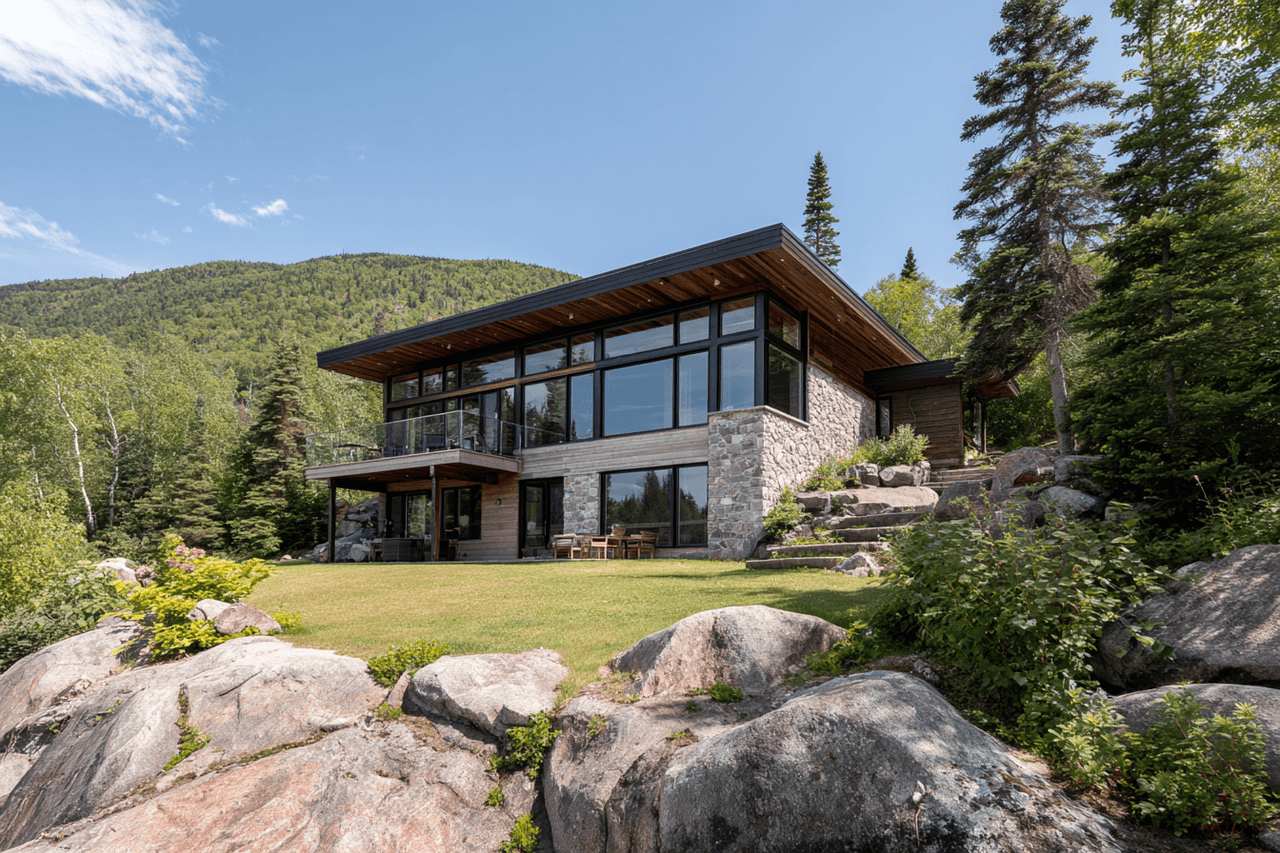
Sloped lots offer unique architectural opportunities. Instead of working against the topography, a garden-level home allows the house to blend seamlessly with its natural surroundings. Unlike a traditional home where the basement is dark and buried, a garden-level home features a lower floor that is partially or fully open to the outdoors, creating a bright and accessible living space. In this article, explore the advantages of this type of home, the main design considerations, and a few plan ideas to inspire you.
Get Your Project Started Today
Submit your details and receive three free quotes from trusted contractors.
Advantages of a Garden-Level Home
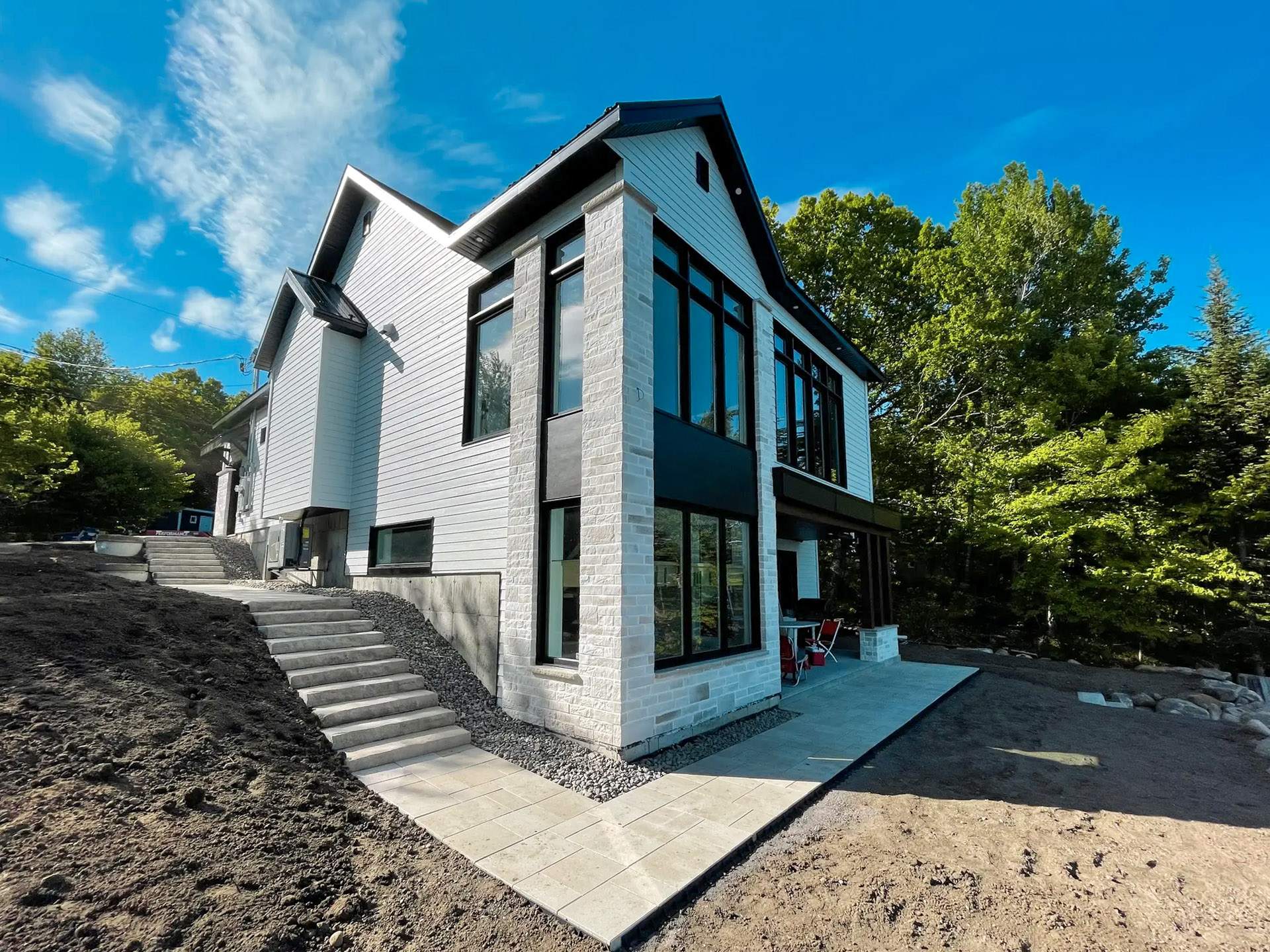
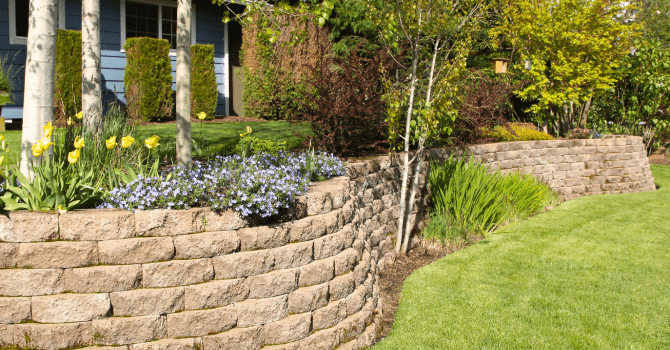
Source : Rochon Paysagiste
Increased natural light: Opening the lower level to the outdoors floods a space that is usually dark with daylight. This improves comfort and reduces the need for artificial lighting.
Direct garden access: Step straight from the living area onto a patio or into a vegetable garden—ideal for families who enjoy outdoor living.
Panoramic views: The slope of the lot provides stunning views. Position the main rooms facing downhill to make the most of the landscape.
Flexible spaces: The garden level can house a self-contained suite, a home office, or a workshop. This flexibility is well-suited for multi-generational families or people who work from home.
Natural rainwater management: A design that follows the slope promotes effective drainage and helps reduce the risk of flooding.
Key Design Considerations
Excavation and foundations: Excavation makes up a significant portion of the budget for a garden-level home. Hire a contractor who specializes in sloped lots to prepare the site and ensure proper drainage. Plan for solid foundations that adapt to the terrain.
Insulation and waterproofing: Since the lower level is partly below grade, quality insulation is essential to prevent moisture and heat loss. Choose water-resistant materials and install French drains around the foundations.
Orientation and room layout: Locate living spaces (such as the kitchen and living room) on the side that offers the best view and the longest sun exposure. Bedrooms can be placed on the upper floor for greater privacy.
Access and circulation: Plan a main entrance on the upper floor and a secondary one on the garden level. A well-integrated interior staircase will ensure smooth movement between floors. Also consider universal accessibility (a ramp or stair lift) for people with reduced mobility.
Garden-Level House Plan Ideas
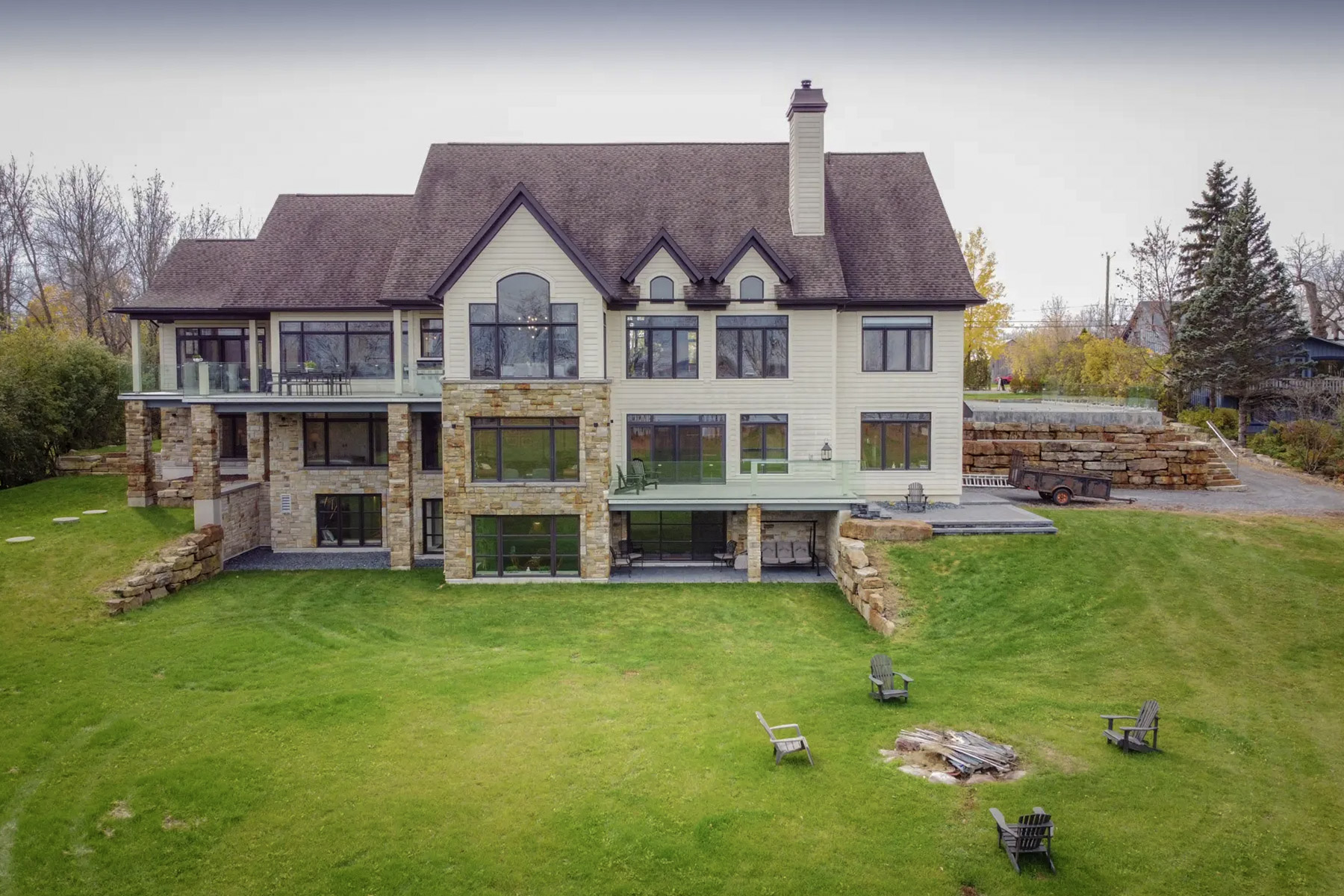
Source : Touchette Portes & Fenêtres inc.
Here are a few layout ideas to get you started:
Contemporary plan: An open garden level with a large living room and kitchen opening onto a wooden deck. Upstairs, three bedrooms and a bathroom. Large patio doors bring in maximum natural light.
Modern farmhouse plan: Combining natural materials with clean lines, this design features a workshop and guest suite on the garden level, while the main floor includes a rustic-style kitchen with an island, a living room, and a dining area. Covered porches extend the living space outdoors.
Scandinavian plan: A minimalist layout that highlights light wood and natural colours. The garden level can serve as a home office or playroom with direct access to the yard. Upstairs includes two or three bedrooms and an open living space. Large windows and a low-pitched roof emphasize the Nordic style.
No matter which layout you choose, work with an architect or technologist to adapt the plan to local building codes and make the most of every square metre.
A garden-level home is an ambitious project that can transform a sloped lot into a bright and welcoming living environment. With thoughtful planning and professional expertise, you’ll enjoy a one-of-a-kind home that showcases the landscape while enhancing your quality of life.
Looking for something else?
Related articles
The latest industry news, interviews, technologies, and resources.
Editorial Team
•04 Feb 2025
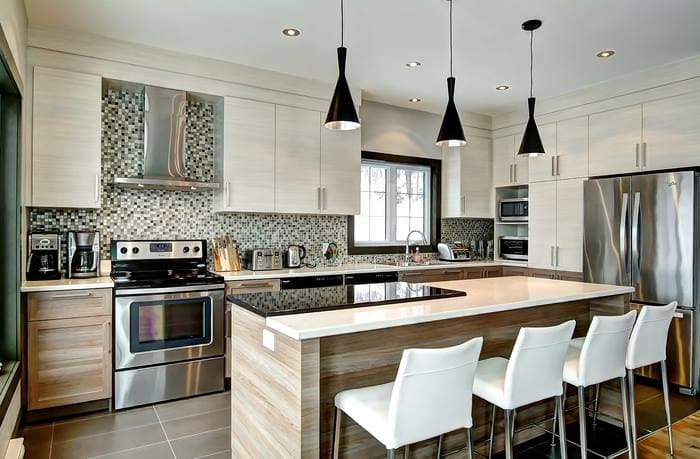
Everyone dreams of having a stunning, efficient, and well-designed kitchen. Given that we find ourselves in this part of the house more often than we'd like to admit throughout the day, comfort is paramount. And, kitchens are one of the first areas to undergo remodelling by homeowners.
Editorial Team
•19 Dec 2024
For those who live in cities, having a large backyard often proves challenging. Unless you come across the perfect spot, you may very well have to deal with a property that offers a small garden space.
Léa Plourde-Archer
•25 Jul 2025
One of the main advantages of owning a home with a backyard is that you can create an exterior environment that fulfills your needs. The front yard greets us when we come home and is the last thing we see when we leave, whereas the backyard is a space meant for relaxing and having fun.
Editorial Team
•08 Jul 2026
A basement offers a treasure trove of unique layouts, but converting it into a functional, livable space requires meticulous planning. Multiple factors need to be considered, particularly for long-term use, when it comes to ventilation, lighting, and material choices.
Editorial Team
•08 Nov 2023
With so many rooms in a home and plenty of decor choices to take care of, the entryway is one area that’s sure to be overlooked time and time again. It’s only natural to underestimate this space, but it’s important to remember that this is the first area of the home guests will encounter as well as the one which will greet you at the end of a long day.