Gas or Electric Heating: Costs, Advantages, and Disadvantages
By Collaboration
Updated on September 23, 2026

Winter has a way of forcing the same household decision every year: which heaters actually make sense for your home, gas or electric. Both options heat a room effectively, but they differ enough in running cost, installation and everyday convenience that the right answer really does depend on your specific setup rather than one option being universally better than the other.
Upfront Cost and Installation
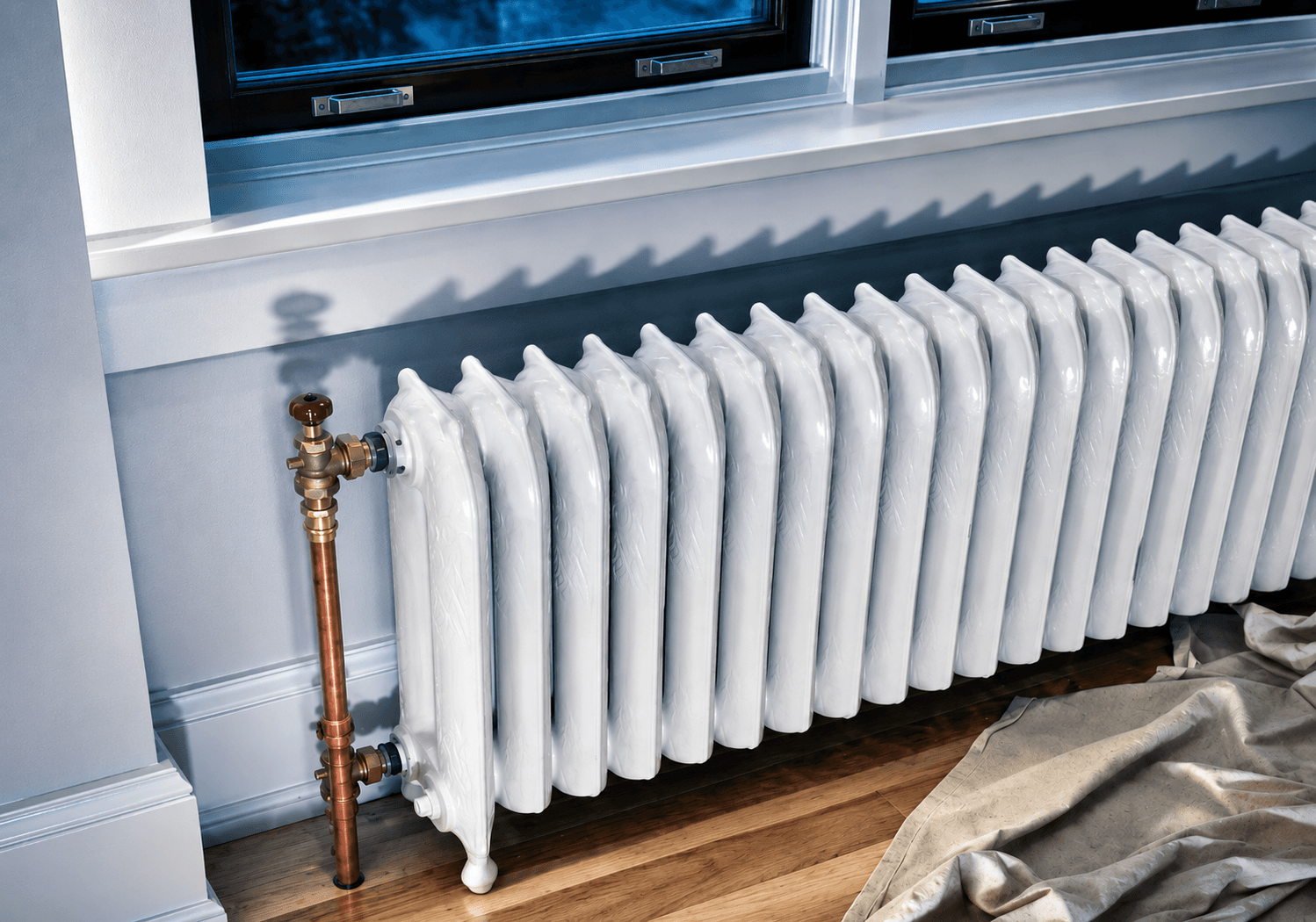
Source: Plomberie et Chauffage M.D.
Electric heaters are generally simpler and cheaper to install, often needing little more than a power point, which makes them an easy option for renters or anyone wanting a quick fix without renovation work. Gas heating typically involves a higher upfront cost, since it often requires proper gas line installation and professional fitting, though many households find the long-term running savings worth that initial investment over the following years.
Running Costs Over Time
This is usually where the real decision gets made. EDF Energy's comparison of electric and gas heating found that electric heating can cost roughly twice as much to run as gas across a typical winter, even though electric heaters convert all their energy essentially into heat with very little waste. Gas remains cheaper per unit of heat in most markets, which matters enormously if you are heating a larger home or running heating for long stretches through a cold season.
Efficiency and Heat Output

Source: RenoQuotes
Modern gas heaters generally produce heat faster and can warm a larger space more evenly than many electric alternatives, which matters if you are heating an open-plan living area rather than a single small room. Electric heaters, on the other hand, offer near-instant, precise heat in smaller spaces and respond quickly to a thermostat, making them well suited to bedrooms or spaces used for shorter periods rather than all-day heating.
Safety and Maintenance
Gas heating requires proper ventilation and regular servicing to run safely, along with periodic checks to catch any leaks early. Electric heaters avoid this concern entirely, since there is no combustion involved, which makes them a simpler, lower-maintenance option overall. HVAC.com's comparison of electric versus gas heating notes that this difference in ongoing maintenance requirements is a genuine factor many households weigh heavily when choosing between the two systems for a longer-term setup.
Matching the Heater to the Room

Source: RenoQuotes
Rather than choosing one system for the whole house, plenty of households do best with a mix of both: gas for large, frequently used living spaces where running costs add up quickly, and a small electric heater for a bedroom or study that only needs occasional, short bursts of warmth. Thinking room by room rather than committing to a single system for the entire home often delivers better comfort for less overall spend, since neither option is inherently the right fit for every space in a house at once.
Heat Pumps as a Middle Ground
Heat pumps offer a third option worth considering alongside straightforward gas and electric heaters, since they move existing heat rather than generating it directly, which makes them considerably more efficient than standard electric heating in particular. Running costs typically sit well below both traditional electric resistance heating and gas across a full season, though upfront installation costs are usually higher than either simple option discussed here. For households planning a longer term heating upgrade rather than a quick fix, a heat pump is worth comparing seriously against both gas and standard electric options before making a final decision.
Thinking About Long Term Value
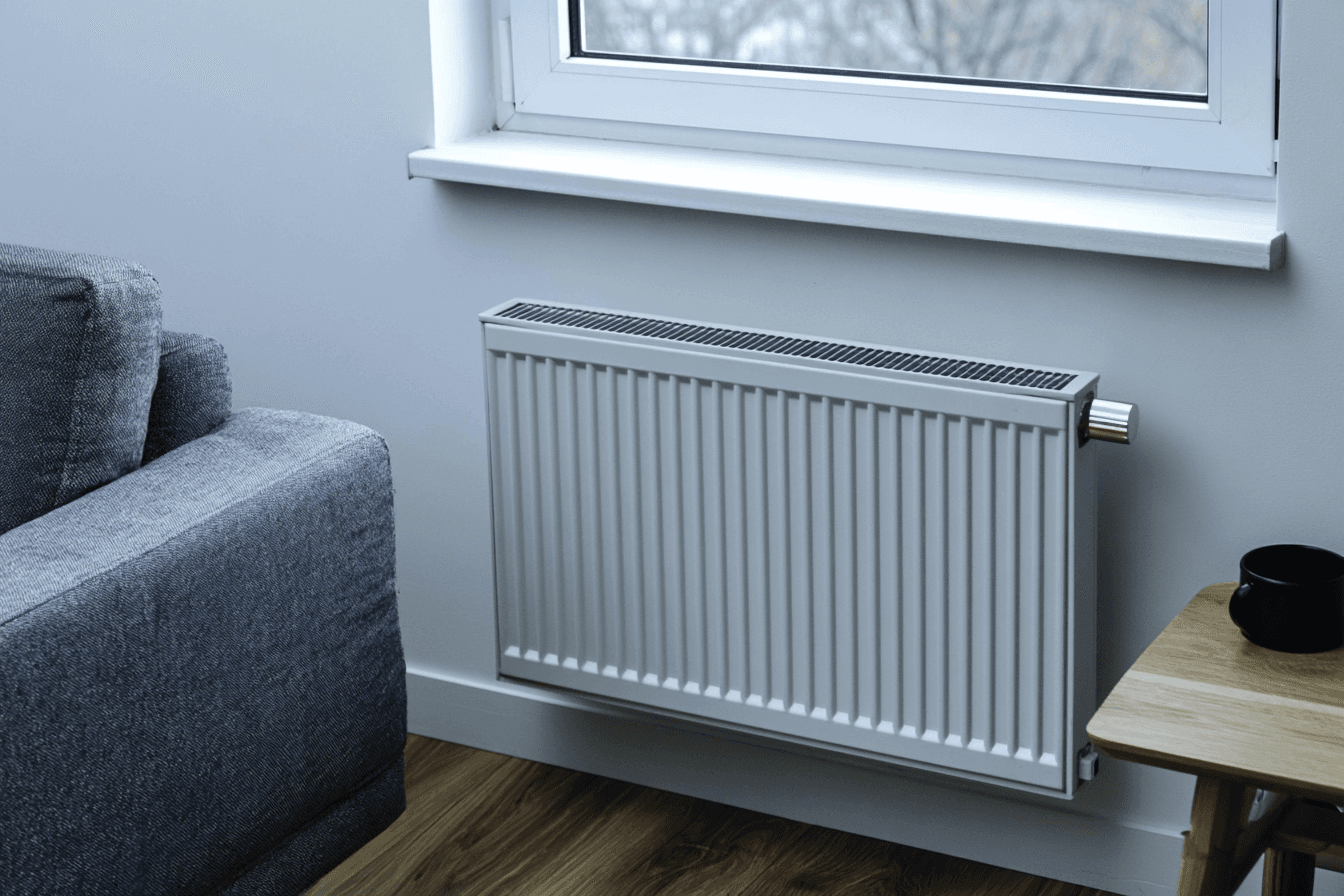
Source: RenoQuotes
Beyond the sticker price of the unit itself, it helps to think about heating costs across the full lifespan of whichever system you choose, often a decade or more for a well-maintained unit. A slightly higher upfront cost that delivers noticeably lower running costs every single winter for ten or more years will usually work out cheaper overall than the least expensive unit available today. Getting a rough estimate of your household's typical winter energy use before buying, rather than after, makes it far easier to compare the true long term cost of gas against electric for your specific situation.
A Simple Rule of Thumb
If you only run heating occasionally in a single small room, electric is almost always the simpler, cheaper choice. If heating runs for hours every day across a genuinely cold season in a larger space, gas or a heat pump will very likely save you money within the first year or two of ownership.
Environmental Considerations

Source: RenoQuotes
Electric heating can be considerably cleaner if it is drawing from renewable electricity sources, while gas heating relies on burning a fossil fuel regardless of how efficient the unit itself is. As electricity grids continue shifting toward renewable generation in many regions, the environmental gap between the two options is likely to keep narrowing over the coming years, which is worth factoring into a longer term decision.
Making the Right Call for Your Home
If you are heating a small space occasionally, electric is simple, cheap to install and easy to manage. If you are heating a larger home consistently through a genuinely cold season, gas often works out considerably cheaper over time despite the higher upfront cost. Consider your space, your budget and how often you actually run the heating before committing, since the right choice genuinely varies from one household to the next.
Looking for something else?
Related articles
The latest industry news, interviews, technologies, and resources.
Editorial Team
•16 Mar 2026
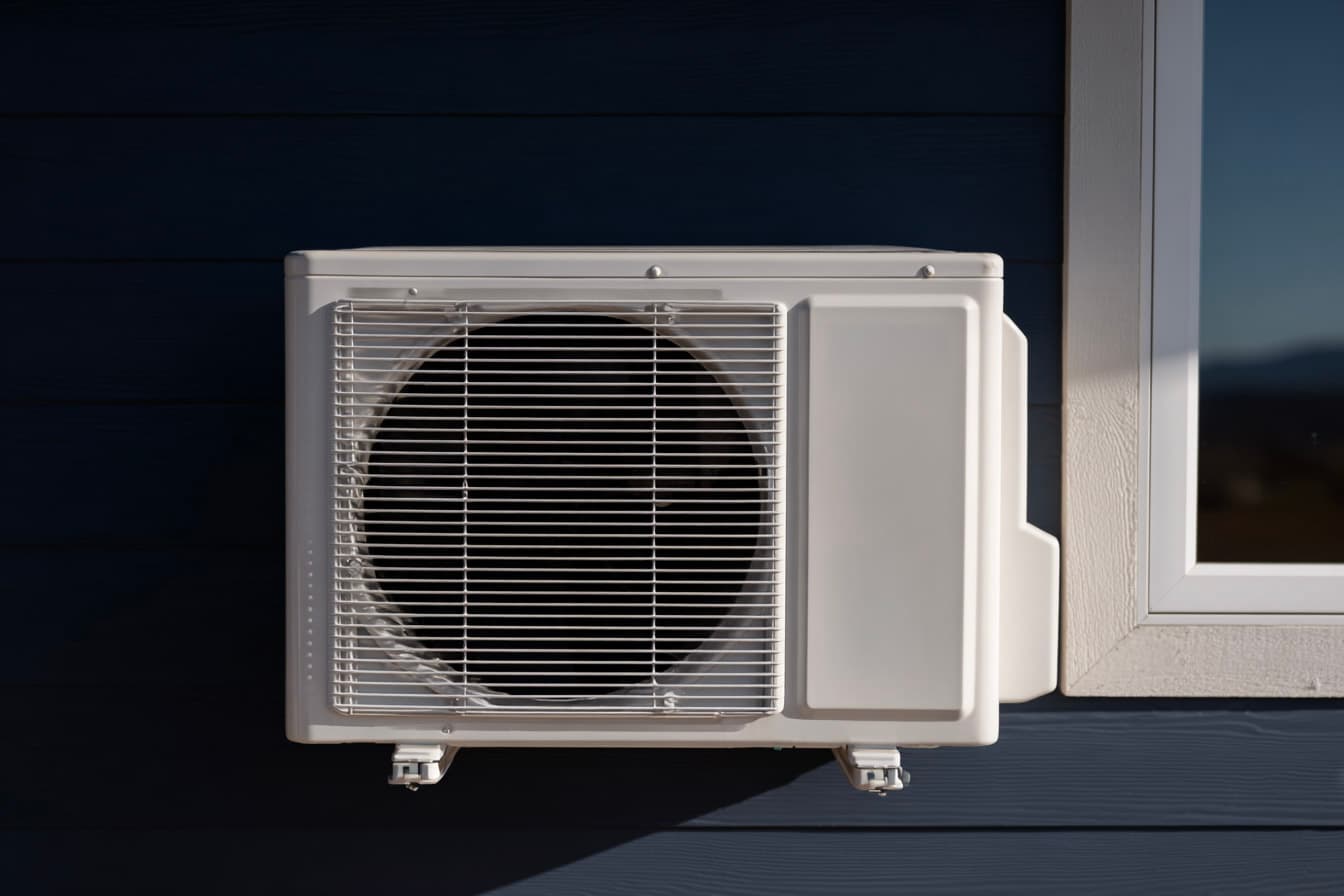
Choosing a Trane heat pump is a big decision for homeowners who want year-round comfort (heating + cooling) while keeping energy costs under control. In this guide, you’ll find five popular residential Trane models with their key features, efficiency ratings (SEER2 / HSPF2), sound ranges, and a practical way to compare pricing so you can make a more informed purchase decision.
Editorial Team
•02 Apr 2025
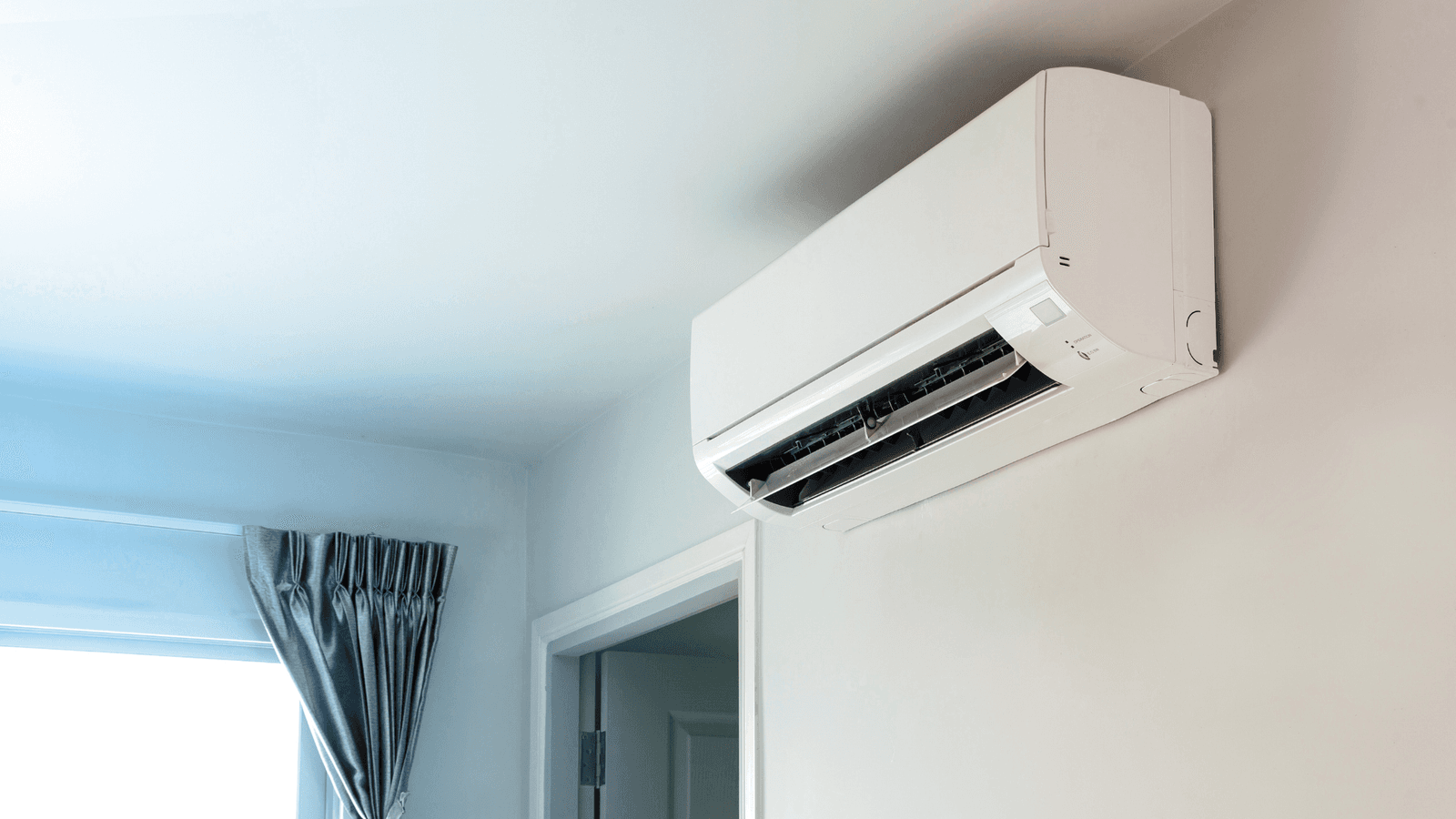
Avoid choosing an air conditioner solely based on style. There are so many other factors to consider, such as energy efficiency, power rating, noise level, etc. Here’s everything you should take into account to make the right decision and purchase a reliable model.

Léa Plourde-Archer
•31 Jan 2025
Stone is a timeless material that, in any setting, whether inside or outside, boasts both elegance and robusticity. However, for some homeowners, the challenges and installation costs that come with natural stone make for significant hurdles. Luckily, stone veneer is an affordable alternative that mimics to perfection the look of natural stone.

Amanda Harvey
•11 Jan 2025
A minimalist look makes for the ultimate style choice for urban-modern homeowners who perceive clutter as a distraction. The minimalist lifestyle philosophy embraces a simplistic aesthetic, paired with well-designed rooms that feature only useful items and a limited amount of furniture.

Léa Plourde-Archer
•08 Feb 2025
The contract has been signed, the work has started and all of a sudden, the contractor is asking you to pay. This leads to a lot of questions. Does the contractor have the right to make this request? Can he stop working if you refuse to pay?