GFCI Outlet – When and Where Should You Install It in Your Home?
By Paul Riopel
Updated on May 9, 2025
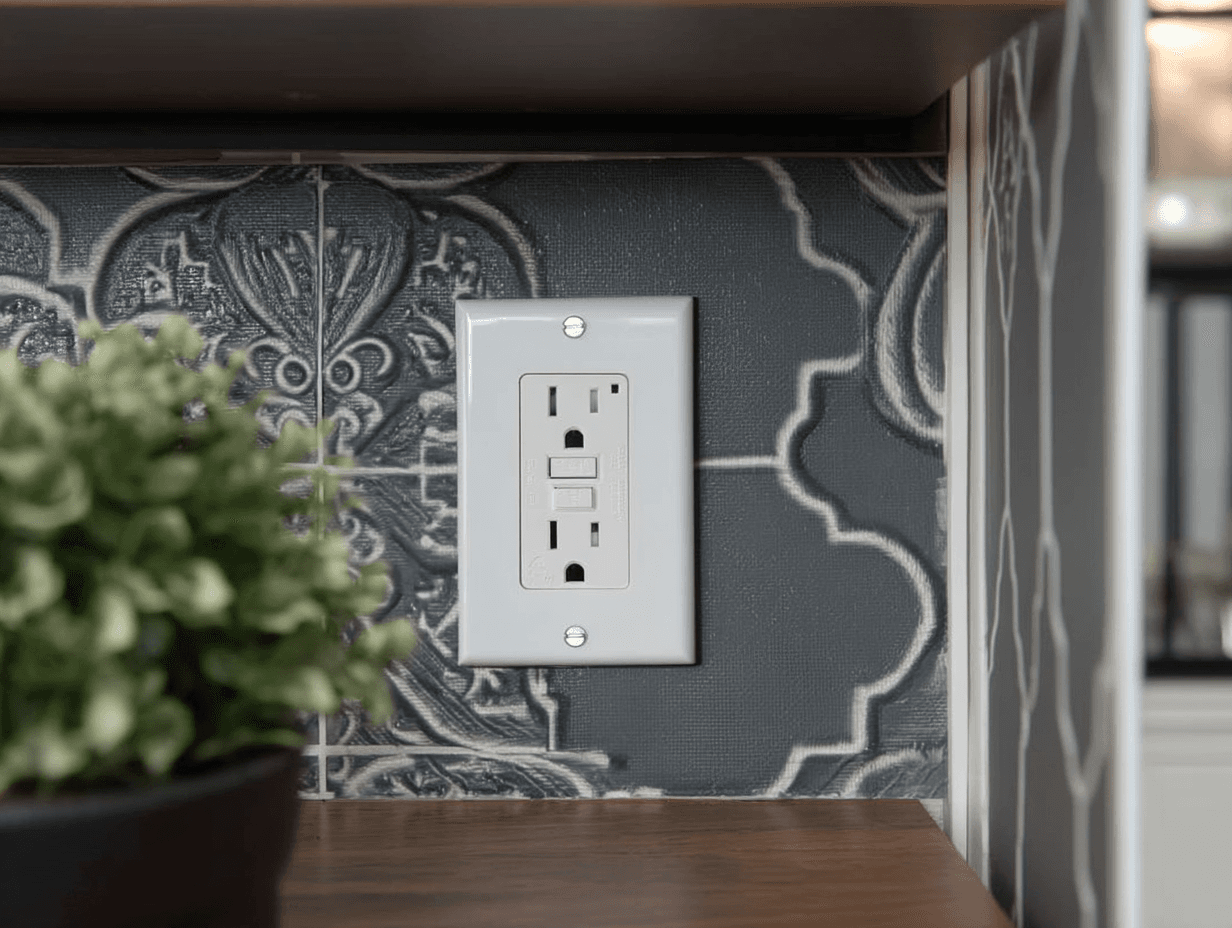
GFCI Outlet – When and where should you install it in your home?
Since 2007, the use of Ground Fault Circuit Interrupter (GFCI) outlets has been mandatory in certain parts of a building. These outlets are designed to ensure user safety by preventing electrocution risks when there’s contact with a conductive element, such as water. You’ll mainly find them in kitchens, bathrooms, and outdoor electrical installations. Here’s what you should know about GFCI outlets:
What is the purpose of a GFCI outlet?
Where should GFCI outlets be installed?
Who can install or repair a GFCI outlet?
How does a GFCI outlet work?
How does a ground fault circuit interrupter (GFCI) socket work?
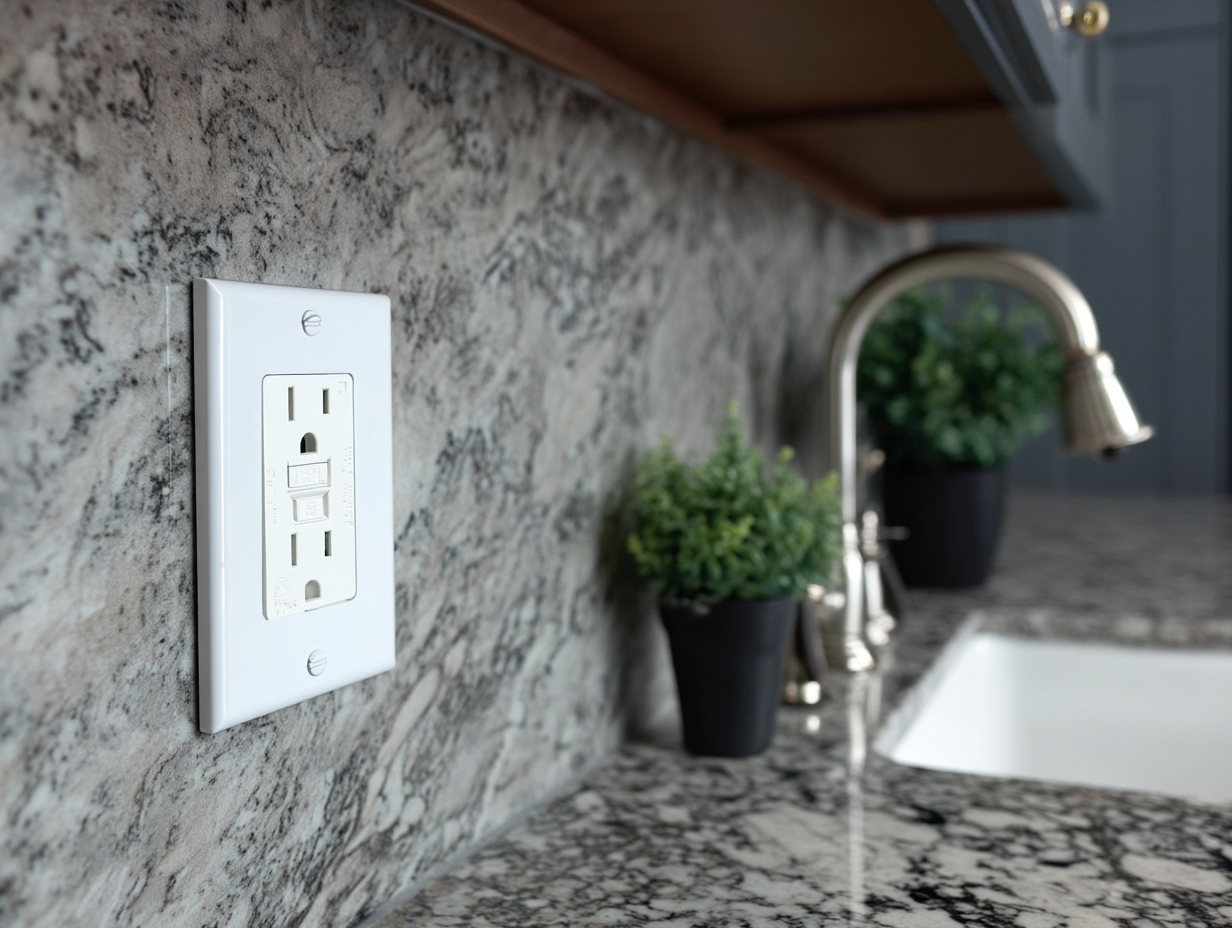
Source : Soumission Rénovation
Compared to a standard outlet, a GFCI outlet is notably deeper and more complex internally. It contains many components, while a conventional outlet is quite basic.
The GFCI (also known as a DDFT outlet in French) functions as follows:
It continuously monitors the electrical current flowing between the circuit and the connected device.
If it detects a difference between the current entering and exiting the device, it immediately cuts the power.
A practical example:You’re drying your hair in the bathroom.Your child turns on the faucet, and water splashes your hand holding the hairdryer.The GFCI outlet detects the disruption in electrical flow and cuts the power, protecting you from an electric shock.
To ensure safety, GFCI outlets can detect electrical imbalances as small as 5 milliamps and shut off the current within a fraction of a second upon contact with water (splash, leak, wet surface).
Different Types of GFCI Outlets
Here are the three main types of GFCI outlets on the market:
GFCI Type | Characteristics |
|---|---|
Type A | For residential kitchens, bathrooms, and outdoor areas. Sensitivity: 30 mA. Trip time: 0.04 seconds. |
Type B | For commercial or industrial use (public pools, labs, factories). Very high sensitivity. Sensitivity: 5 mA. Trip time: 0.02 seconds. |
Auto-reset GFCI | For systems requiring uninterrupted power (hospitals). |
There are also Class C, D, and E GFCI outlets, which are less common in residential settings.
Installing a GFCI Electrical Outlet
Why install a GFCI outlet?
First, because it’s the law. Provincial codes vary slightly, but all require GFCI protection for outlets located near water sources.
Generally, the building code mandates GFCI outlets if an outlet is within 1.5 meters (5 feet) of a water source due to the increased risk of electric shock and fires.
To verify compliance, check your provincial government's latest building code regulations.
You can also read:When Should You Update Your Electrical System?
Where should you install a GFCI outlet?
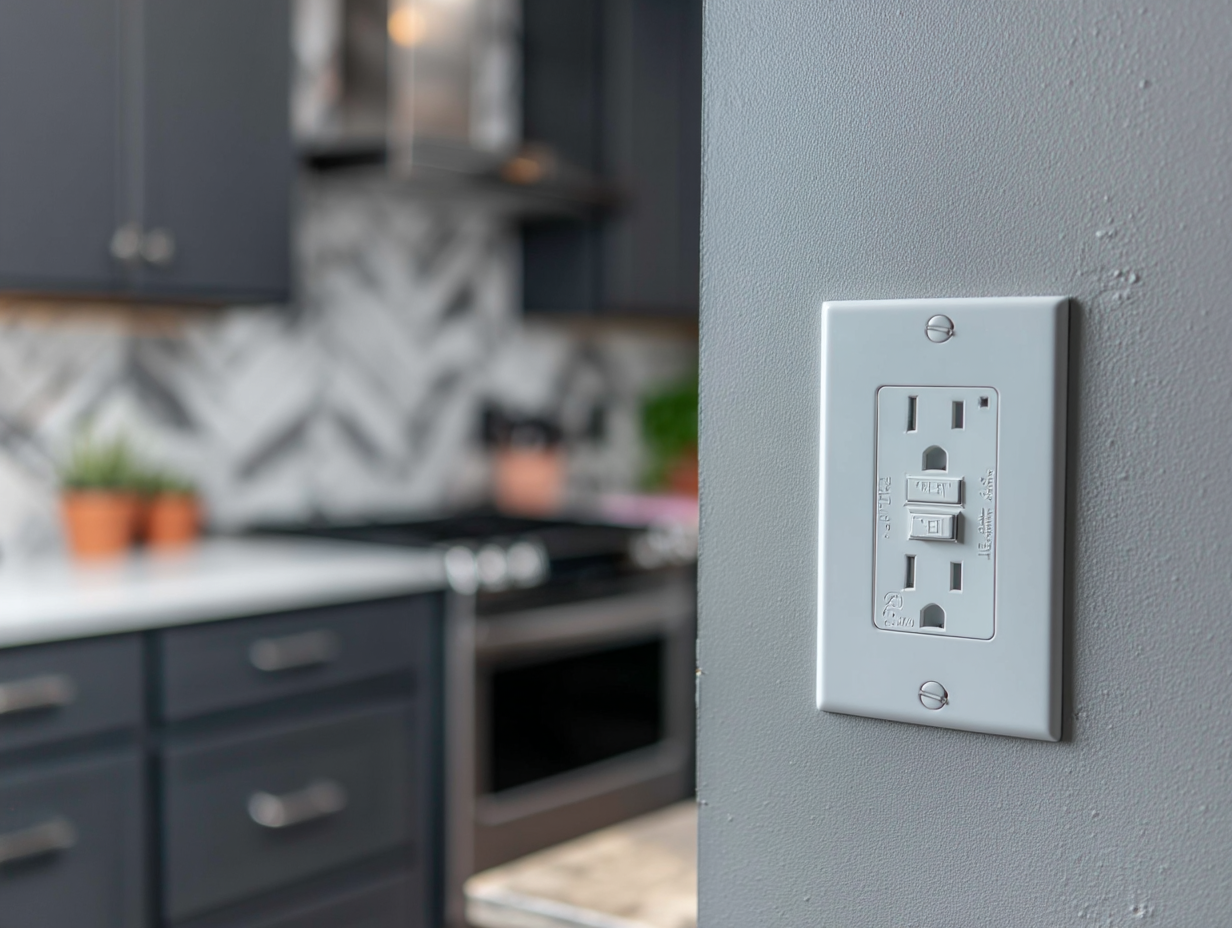
Source : Soumission Rénovation
GFCI outlets should be installed in any room where water is present or where outlets could come into contact with moisture, including:
Room | Where to Install GFCI Outlets |
|---|---|
Kitchen | Near large appliances and within 1.5 meters of the sink. |
Bathroom | All outlets must be GFCI-protected. |
Basement | If unfinished, all outlets must be GFCI-protected. Also recommended for flood-prone areas. |
Laundry Room | Near sinks or water sources. |
Garage | All outlets must be GFCI-protected. |
Outdoor | Especially near hoses, pools, or other water sources. |
How are GFCI outlets installed?
If you’re not a licensed electrician, know that this task is reserved for certified professionals. However, for curious readers, here’s a general outline:
Turn off the power at the breaker panel.
If replacing an existing outlet, remove it and check that proper wiring is already in place.
If wiring is missing, it must be run from another outlet or switch (may require opening walls).
Identify load and line wires using a multimeter and voltage tester.
Follow the manufacturer’s installation instructions.
Neatly insert the wires, attach the outlet, and secure the wall plate.
Test the GFCI to ensure it functions properly.
Note:A GFCI outlet can protect standard outlets on the same circuit if properly wired.
Who can install a GFCI outlet in my home?
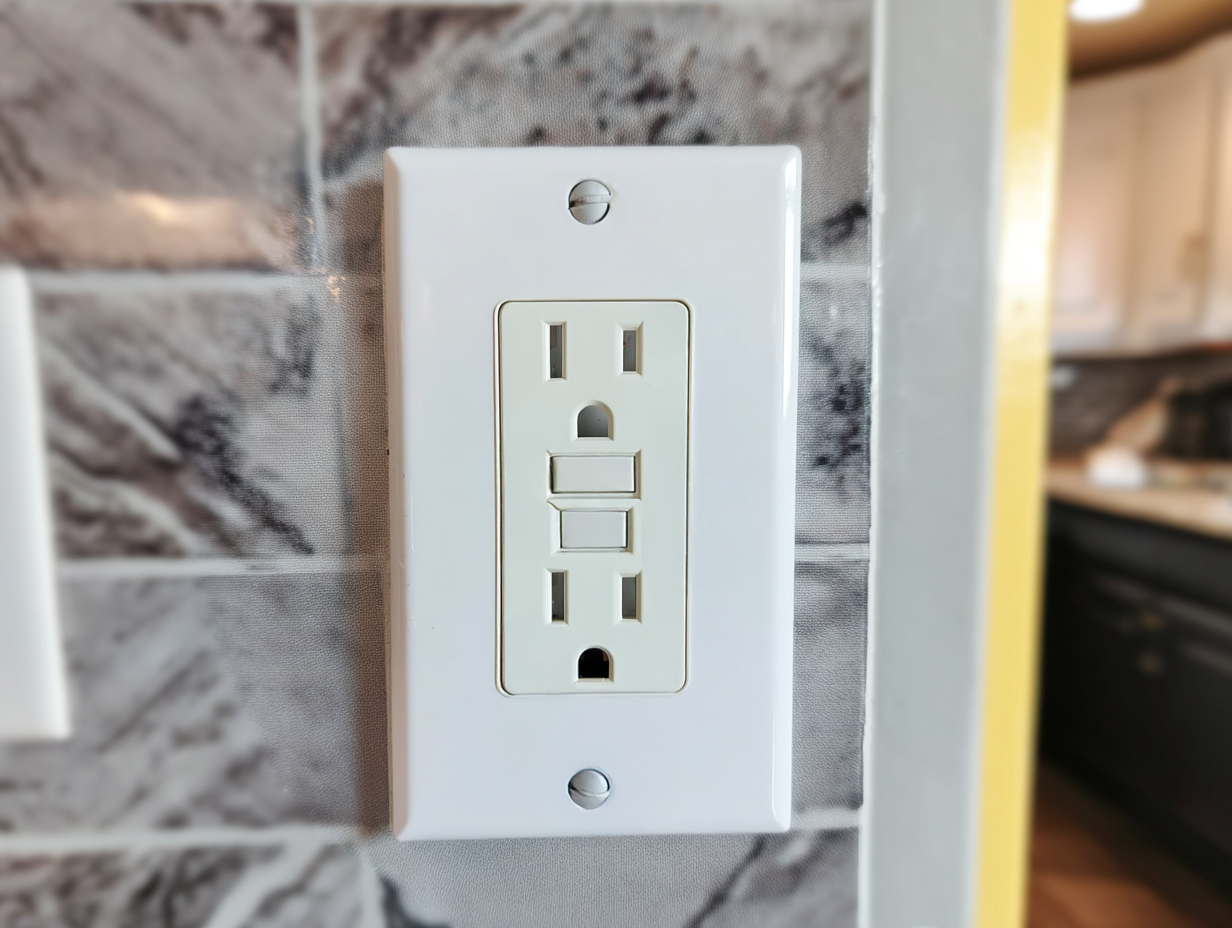
Source : Soumission Rénovation
Only a certified electrician can legally install a GFCI outlet.In Quebec, this is mandatory by law. Elsewhere in Canada, regulations may vary, but it is always recommended to hire a licensed electrician to ensure safety and compliance.
DIY installations could void your home insurance coverage in case of an electrical incident.
More reading:
Need help finding an electrician? Fill out our electrical project request form.
Installing GFCI Outlets in Heritage Homes
If your home was built before 2007, it may not have GFCI outlets.Inspect the key areas of your home, and if needed, update your system to meet current safety standards.You may also find that your entire electrical panel needs upgrading.
GFCI Outlet FAQ
What is the required distance between a GFCI outlet and a water source?
Why isn’t my GFCI outlet working?
– Damaged outlet casing allowing moisture intrusion
– Circuit overload
– Poor wiring connections
– Faulty or deteriorated wiring
– Defective outlet
What to do if a GFCI outlet stops working and needs to be replaced?
Are GFCI outlets recommended for bathrooms?
Installing a GFCI Outlet in a Kitchen – What to Know
Are GFCI outlets suitable for outdoor use?
What does GFCI mean?
Looking for something else?
Related articles
The latest industry news, interviews, technologies, and resources.

Cynthia Pigeon
•30 Sep 2026
What movie lover hasn’t dreamed of having their own home theatre? Enjoying the atmosphere of a real movie theatre while benefiting from the comfort of your own home is an appealing prospect for many film enthusiasts.
Editorial Team
•01 Dec 2025
Have you ever wondered how electric baseboard heaters work or why they remain so popular despite newer heating options? The term “electric baseboard heater” evokes the same comfort as an oversized sweater—warm, cozy, and a source of solace when winter arrives. While these heaters aren’t a new invention, they continue to be a go-to choice as soon as the cold front hits. Some people are startled by the initial sizzle when turning them on, while others find the familiar sound reassuring, signaling a cozy escape from the winter chill.

Karine Dutemple
•08 Nov 2023
Like many of us, you've probably spent a lot of time relaxing in your living room. Comfortably seated on your couch, you may be unhappy with what you are seeing when you look around the room. You are then hit with the sudden need to find new ideas to redecorate this much-loved relaxation spot.

Editorial Team
•14 May 2026
For most people, buying a home is the investment of a lifetime. Before making such a major financial commitment, it is essential to understand the property’s current condition and identify any repairs or renovations that may be needed. Even if the home you are considering has a few issues, many flaws can be corrected — but repairs can quickly become expensive, especially when labour, materials, and contractor availability are factored in.

Léa Plourde-Archer
•28 Apr 2026
Need help identifying a load-bearing wall? Here are a few tips to follow to see if such is the case: