
Owning a house can sometimes mean adapting oneself to nature’s perils. Whether it be freeze-thaw cycles or landscape vegetation, naturally-occurring phenomena can have an impact on your house’s overall state and maintenance.
The phreatic zone is included in the challenges caused by nature that can occur on, or more likely beneath, your property. If you want to learn more about the ins and outs and overall outcomes resulting from the phreatic zone and its impact on your house, keep reading.
The Phreatic Zone In a Nutshell
Source: Canva
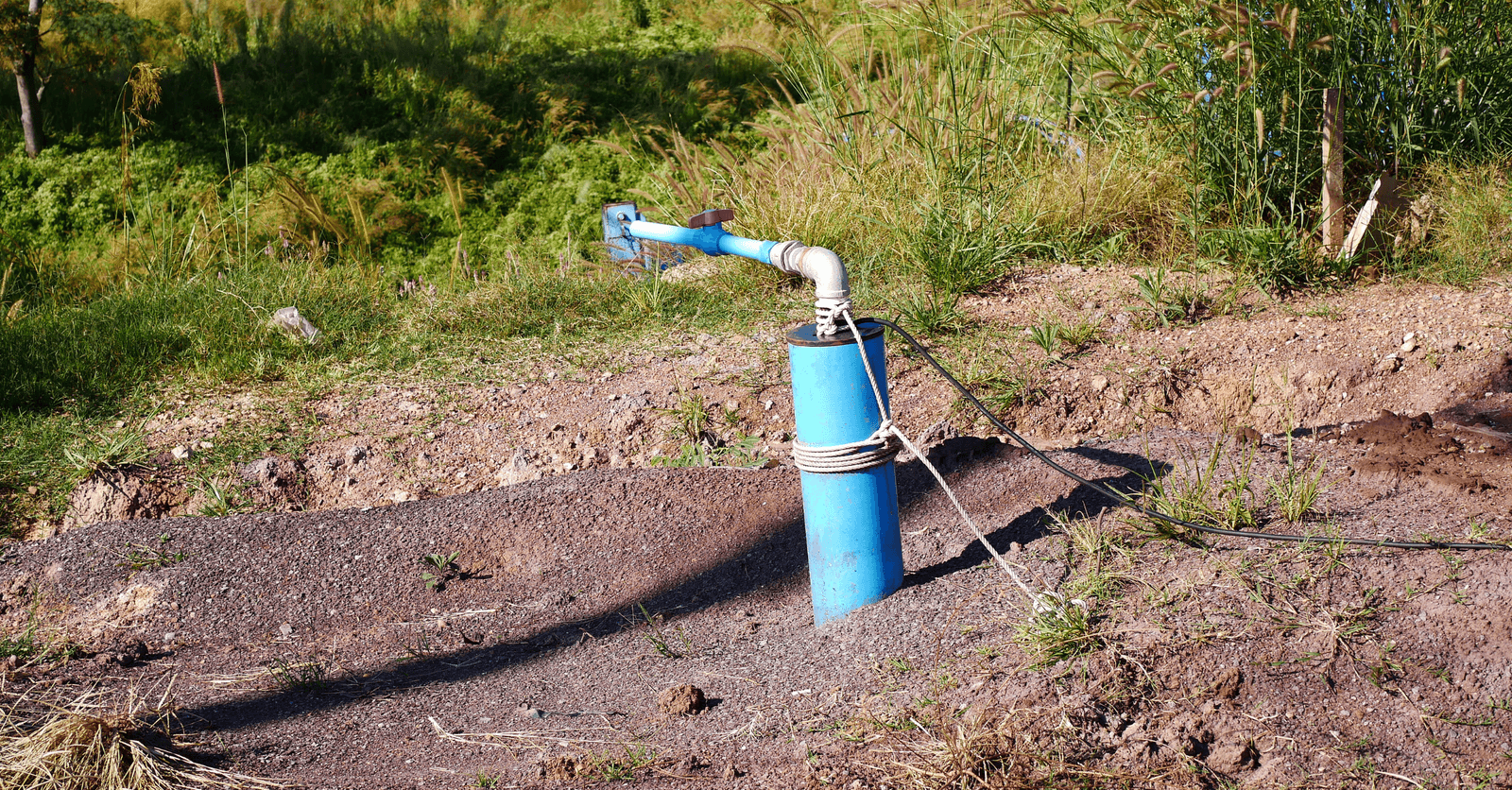
The phreatic zone can be summed up in two parts: the unsaturated zone, which represents the ground within which water flows, and the saturated zone, which is an underground water reserve that can be found, depending on the landscape, at various levels underground.
The above-mentioned water reserves are a result of rainwater that seeps into the ground and ends up in the earth. A house can be built atop the unsaturated (ground) part of the phreatic zone. Quebec’s phreatic zone amounts to 25% of our drinking water supply!
To learn more about the phreatic zone, check out this article! (French only)
Keep an Eye On Your House’s Phreatic Zone!
Source: Canva
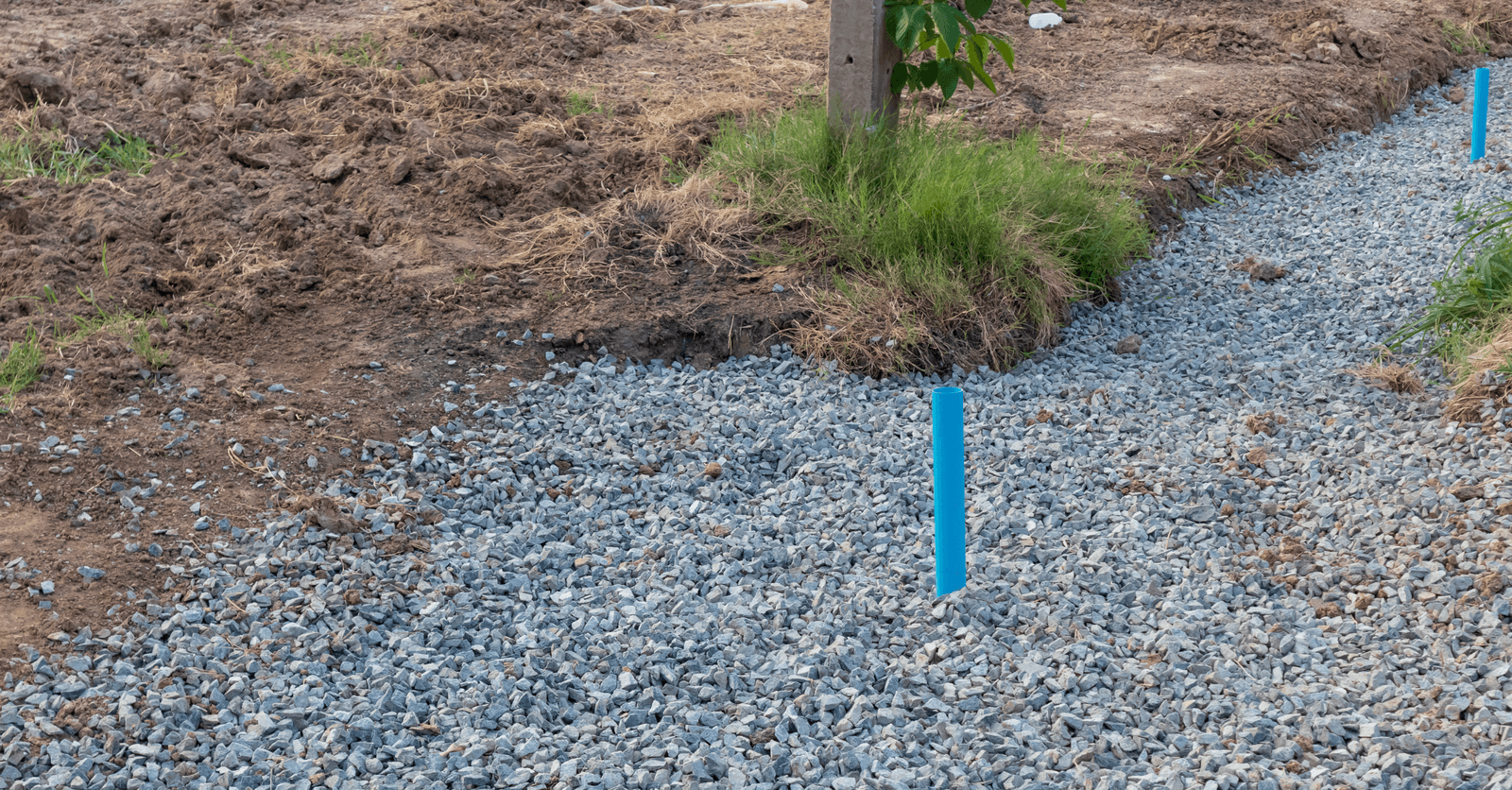
As previously mentioned, the phreatic zone can be found at differing levels beneath your home’s foundation. And, water coming from the phreatic zone can, at times, leak into your basement if the former is too close or above your foundation’s level.
Some warning signs can help you determine whether there’s a phreatic zone near your house. The most common sign is water seeping into the basement. Water from the phreatic zone naturally flows toward the water cavity via soil and should your home’s foundation be “in the way,” and your foundation isn’t properly drained, it’ll inevitably lead to water leaks. In some cases, water from the phreatic zone can rise above the ground and flood your basement.
If you start noticing humidity problems or a buildup of water in your basement, it’s about time to reconsider your drainage options. A French drain will drain any water flowing toward your foundation and redirect it toward the nearest rainwater sewer.
That said, merging the possibility of a too-high phreatic zone with spring rainfalls, a French drain won’t suffice. In such a case, you should really consider relieving the French drain by installing a sump pump.
Water Buildup: To Pump or Not
Source: Canva
A too-high phreatic zone can very well put pressure on your current drainage installations, on top of other water sources on your property resulting from, for example, melting snow.
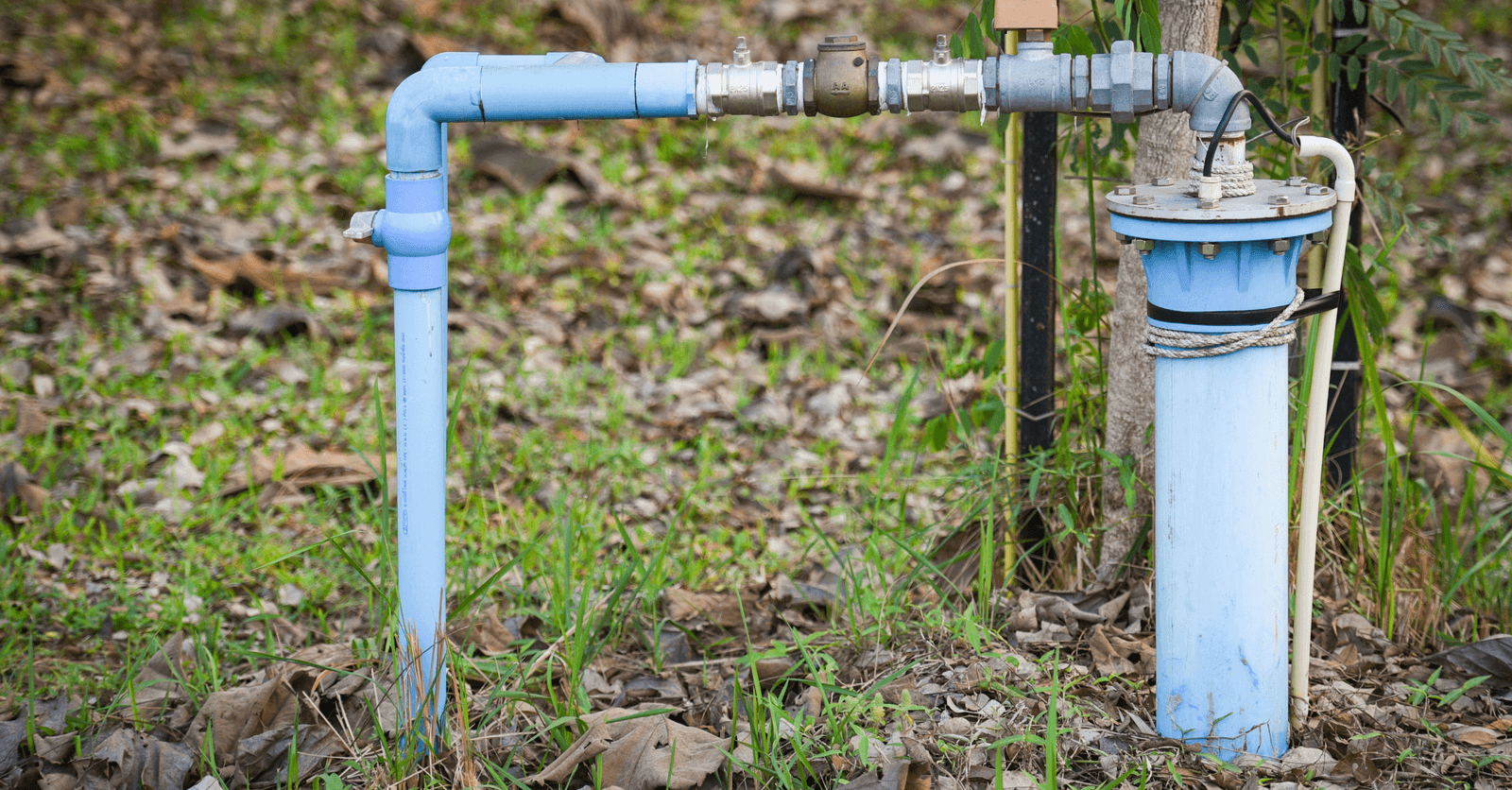
The sump pit will take over once the French drain becomes insufficient in terms of draining water: the French drain will thus redirect the excess water toward the sump, which is basically a water pit.
The pump fitted to the sump pit will draw the excess water toward the rainwater sewer via a pipe that was installed beforehand. Prior to installing any kind of pump to your sump pit, you have to be aware of its dimensions. If your sump pit is over 18 inches wide, it could easily fit a submersible pump with a float switch. Once the water in the sump pit raises the float to a predefined level, the pump will be activated and push the water toward a rainwater sewer.
If it’s less than 18 inches wide, a pedestal sump pump is required. This model is designed for narrower sumps and is non-submergible. It also works with a float switch that powers the pump once the water hits a certain level.
A sump pump can be directly connected to your household’s electrical system or battery-powered in cases where it’s a backup sump pump. In the event of heavy rains causing a power outage, a battery-powered sump pump allows you to continue draining the water for a couple of hours following the power outage.
Check out our article 6 Ways to Deal with Flooding if you want to be well-versed when faced with any kind of situation!
In Conclusion
The phreatic zone consists of two sections: the unsaturated section, which embodies the ground within which water flows toward the saturated section, which in turn refers to the water cavity beneath ground level.
If you experience water leaks in your basement, it's likely that you're property is near or on top of a phreatic zone. In such a case, make sure your drainage systems are working properly!
Choosing to use a sump pump designed to work cohesively according to the latter is super important, and do make sure to choose a pump that’s suitable to your situation and to the land on which your house stands.
Get 3 renovation quotes for your foundation project
RenoQuotes.com can help you get quotes for a foundation renovation project. By submitting your project, we’ll put you in contact with top-rated contractors. Fill in the form on the homepage (it only takes a few minutes), and you will get estimates from trusted professionals.
Dial 1-844 828-1588 to speak with one of our customer service representatives.
Looking for something else?
Related articles
The latest industry news, interviews, technologies, and resources.

Amanda Harvey
•29 May 2026
Home renovation projects require plenty of research, careful planning, and detailed steps. Applying for a building permit is just one of the required necessities. Building permits cannot be overlooked, and depending on where you’re living, the forms, fees and documentation needed will vary. We’re here to offer a way to help you navigate fees for building permits in the city of Toronto.

Amanda Harvey
•09 Jul 2026
Undergoing any form of home renovation is a huge venture that requires time, energy and patience. Of course, you can’t just grab a hammer and some nails and begin your renovation tomorrow, as plenty of preparation and planning must be fulfilled. If you are renovating a home in the city of Toronto, there are numerous regulations and bylaws that must be considered before performing any type of structural changes or otherwise.
Editorial Team
•08 Nov 2023
The kitchen faucet serves its purpose by dispensing hot and cold water for washing your dinner dishes, cleaning food off plates and keeping hands tidy. Just because this hardware is functional, that doesn’t mean it shouldn't look good as well! There are plenty of styles of kitchen faucets on the market, so if you’re looking for a new model, it would be worth consulting the rest of this article to see the different types available.

Cynthia Pigeon
•30 Jul 2026
Across Canada, the warm season is often as valuable as it is short. Making the most of your backyard frequently involves creating a comfortable and attractive outdoor living space. When designing or renovating a deck, the choice of guardrail plays an important role in the home’s overall architectural style. While pressure-treated wood and traditional aluminum pickets have long dominated the market, Canadian homeowners are increasingly turning to a more contemporary material: glass.

Cynthia Pigeon
•08 Oct 2025
Welding is a creative trade, the likes of which few blue-collar trades still encompass. Skilled welders can work in any environment with a variety of materials and techniques. From skills to salary to job opportunities, learn everything there is to know about welding.