How Much Does Mould Remediation Cost in Canada?
By Cynthia Pigeon
Updated on July 20, 2026
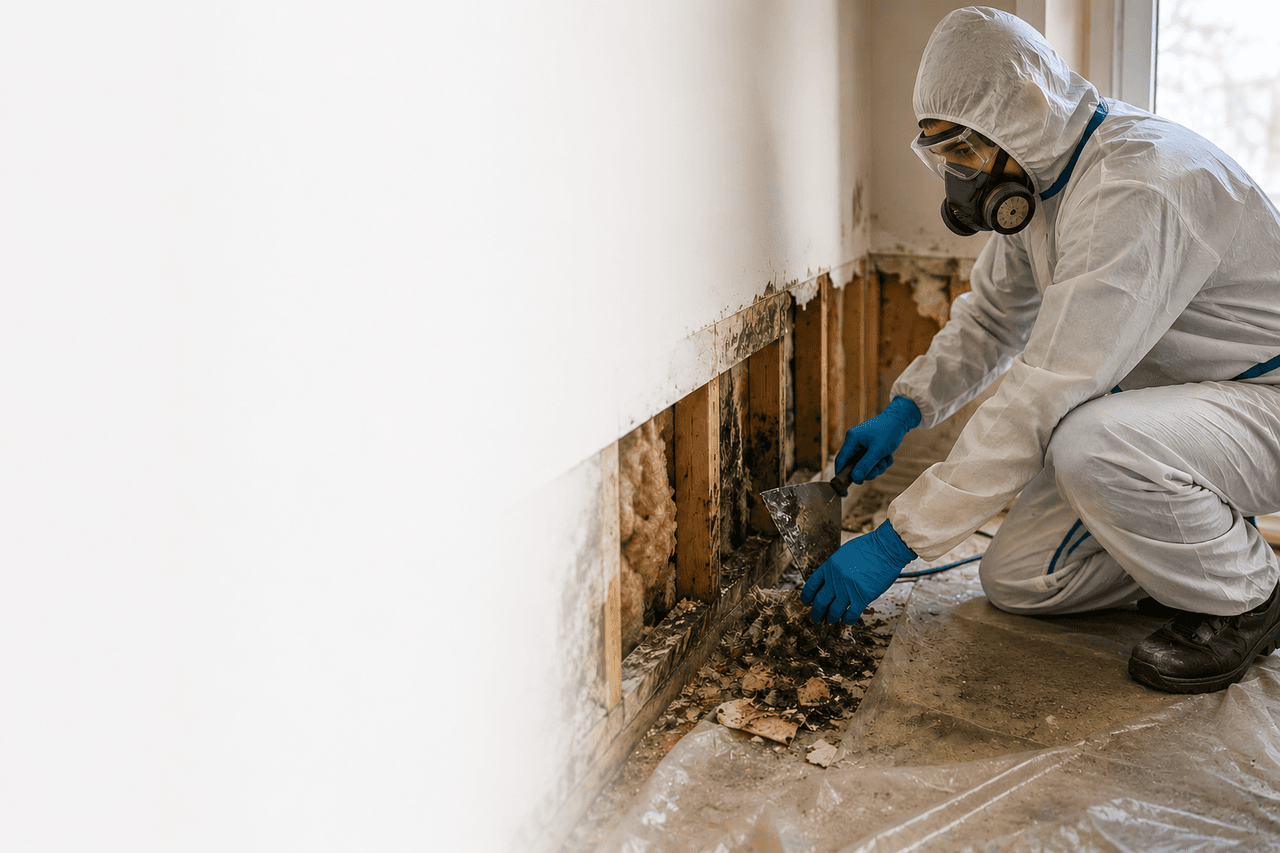
Discovering black spots on a wall, a persistent damp-earth smell, or suspicious stains after water damage can immediately cause concern for a homeowner. Across Canada, cold winters, freeze-thaw cycles, heavy rainfall, and humid summer conditions can place considerable stress on a building envelope.
Mould can begin growing on damp materials within approximately 24 to 48 hours when a water leak or excessive indoor humidity is not addressed quickly. Beyond cosmetic damage, mould can affect indoor air quality and, when moisture problems persist, contribute to the deterioration of certain building materials.
Before beginning any work, it is important to understand how remediation costs are determined so you can plan a realistic and appropriate budget.
What Is the Average Cost of Mould Remediation in Canada in 2026?
Source: RenoQuotes
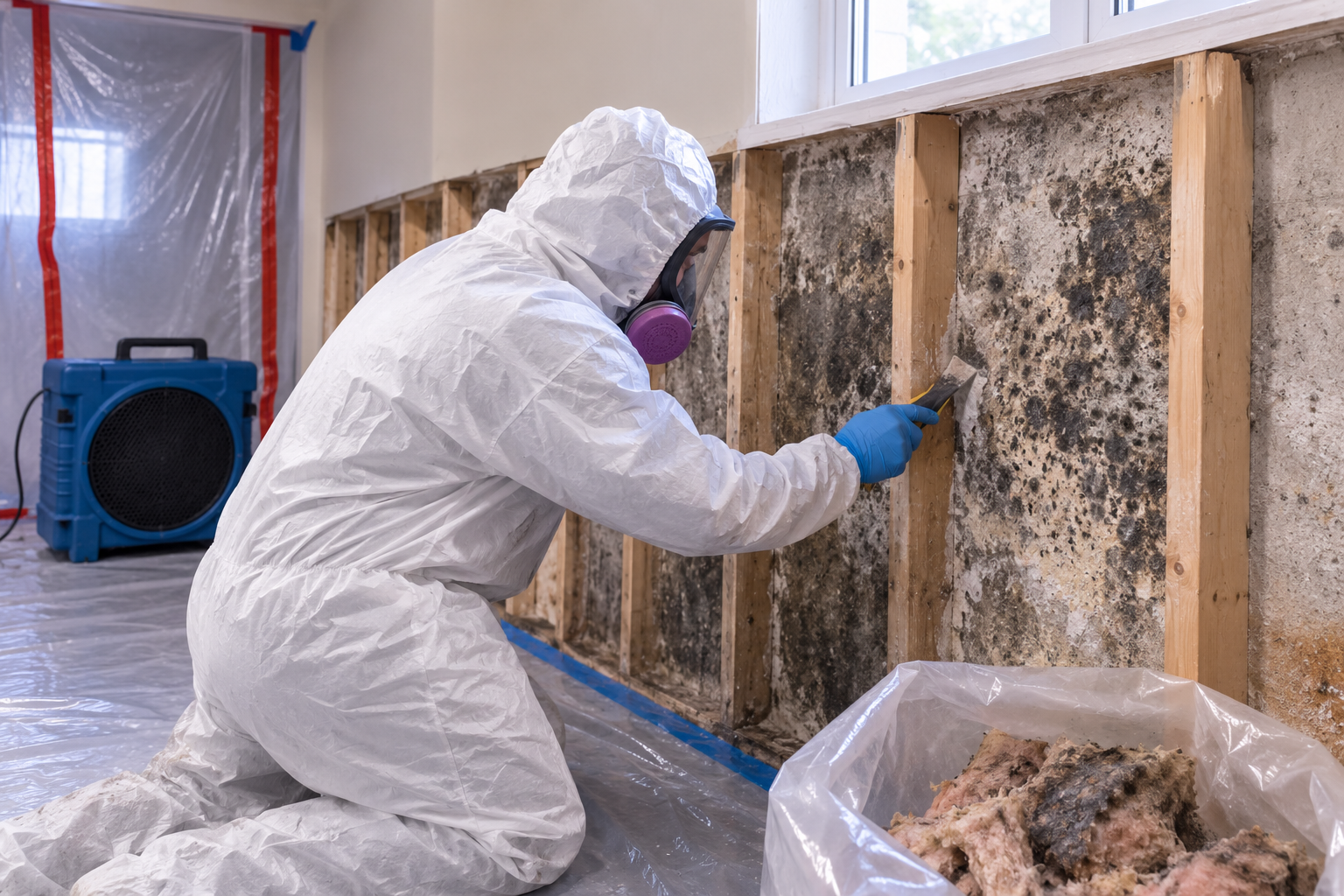
The total cost of a mould remediation project in Canada in 2026 generally ranges from $1,500 to more than $10,000. Costs vary considerably because every mould problem has different characteristics. Treating a small area of surface contamination in a closet does not require the same logistics as remediating an entire neglected home or a property affected by major flooding.
The following estimated price ranges provide an idea of potential costs based on the scope of the work:
Minor contamination of less than 10 square feet: $1,500 to $2,500. This range may apply to localized work, such as treating a bathroom corner or a poorly sealed window frame, without major demolition.
Moderate contamination between 10 and 100 square feet: $2,500 to $5,500. This range may apply when contamination affects drywall, insulation, or other materials that require partial removal.
Major contamination exceeding 100 square feet or affecting multiple areas: $6,000 to $10,000 or more. This range may apply when contamination affects a large portion of a basement, crawl space, attic, or several areas of the property.
Key Factors That Affect Mould Remediation Costs
Source: RenoQuotes
When an estimator or mould remediation specialist visits your property to prepare a quote, they will assess several technical factors. Costs do not always increase proportionally with the contaminated area because fixed job-site preparation expenses can be substantial.
1. The Size and Extent of the Contamination
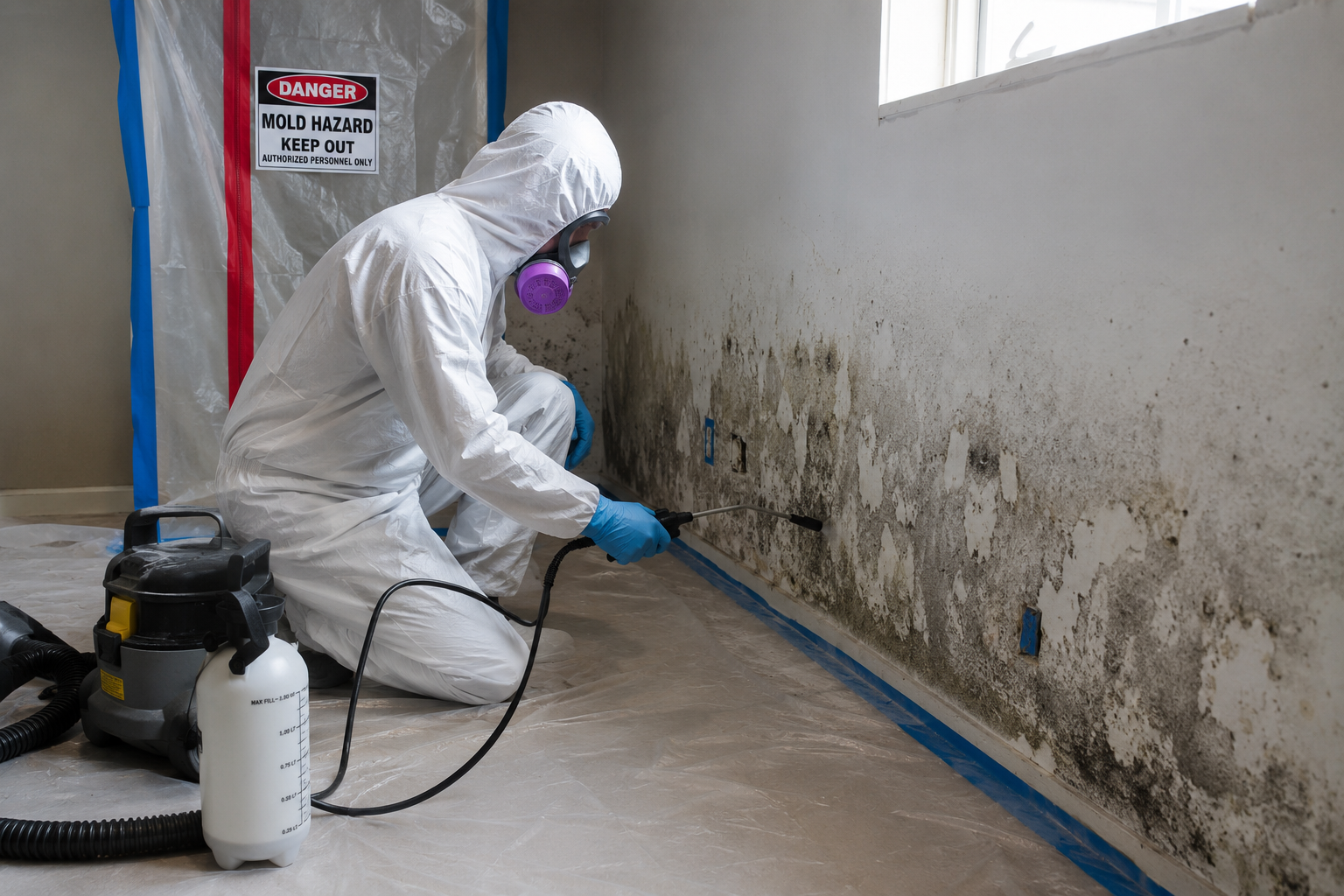
The visible area is the most obvious starting point, but it may represent only part of the problem. If contamination has spread into wall cavities, the contractor may need to remove drywall and insulation, including mineral wool or fibreglass, and clean or treat the underlying wood framing. The more porous material that must be removed and disposed of, the higher the total cost will be.
2. The Type of Material Affected
The affected material determines the remediation method.
Non-porous or hard-surface materials, such as metal and glass: These can generally be cleaned with a brush and an unscented soap-and-water solution, then rinsed and dried thoroughly. Routine use of a fungicide is not necessarily required, so costs may be lower.
Heavily contaminated or water-damaged porous materials: Drywall, carpets, insulation, and some wood-based panels generally need to be removed and discarded. Structural wood can sometimes be retained if it remains sound and can be properly cleaned and dried.
3. Site Accessibility
Working in an open room is much faster than crawling through a confined space. Restricted access increases the time technicians need to complete the work safely, which directly affects the final cost.
Average Cost by Affected Area in the Home
Source: RenoQuotes
The location of the mould problem has a significant effect on the remediation method and associated costs.
Attic Mould Remediation Cost
Attics are particularly vulnerable to mould in many parts of Canada. During cold winters, warm and humid indoor air can escape into the roof assembly through a damaged vapour barrier or unsealed openings, such as recessed light fixtures. Condensation or frost may form when this warm, moist air comes into contact with cold roof decking, rafters, or roof trusses. Poorly installed baffles or soffits blocked by blown-in insulation can reduce airflow and encourage moisture accumulation.
The cost of remediating a standard attic generally ranges from $2,500 to $6,000. This price may include:
Removing contaminated insulation when replacement is necessary, sometimes using industrial vacuum equipment
Cleaning wood surfaces through HEPA vacuuming, brushing, sanding, or another controlled abrasive method
Cleaning superficial mould staining
Basement and Crawl Space Remediation Costs
Basements and crawl spaces may be exposed to ground moisture, surface runoff, foundation leaks, and, under certain conditions, hydrostatic pressure or changing groundwater levels. Water entering through a foundation crack or drainage problem can increase moisture levels in building materials and indoor air. In a finished basement, moisture can become trapped behind drywall and contribute to hidden mould growth that may affect indoor air quality and trigger respiratory symptoms in some people.
For a partial or full basement, remediation costs generally start at approximately $3,500 and can exceed $8,000. Depending on the water level and extent of contamination, part or all of the affected drywall and insulation may need to be removed.
For a crawl space, costs typically range from $3,000 to $7,000. The work is more difficult because of limited clearance. The remediation process may include removing debris and contaminated materials, cleaning salvageable wood components, correcting the moisture source, and, where appropriate, installing a sealed ground membrane. If the foundation itself is damaged, the remediation work may need to be combined with foundation crack repairs or other drainage improvements.
Safety Protocols and Professional Remediation
Source: RenoQuotes
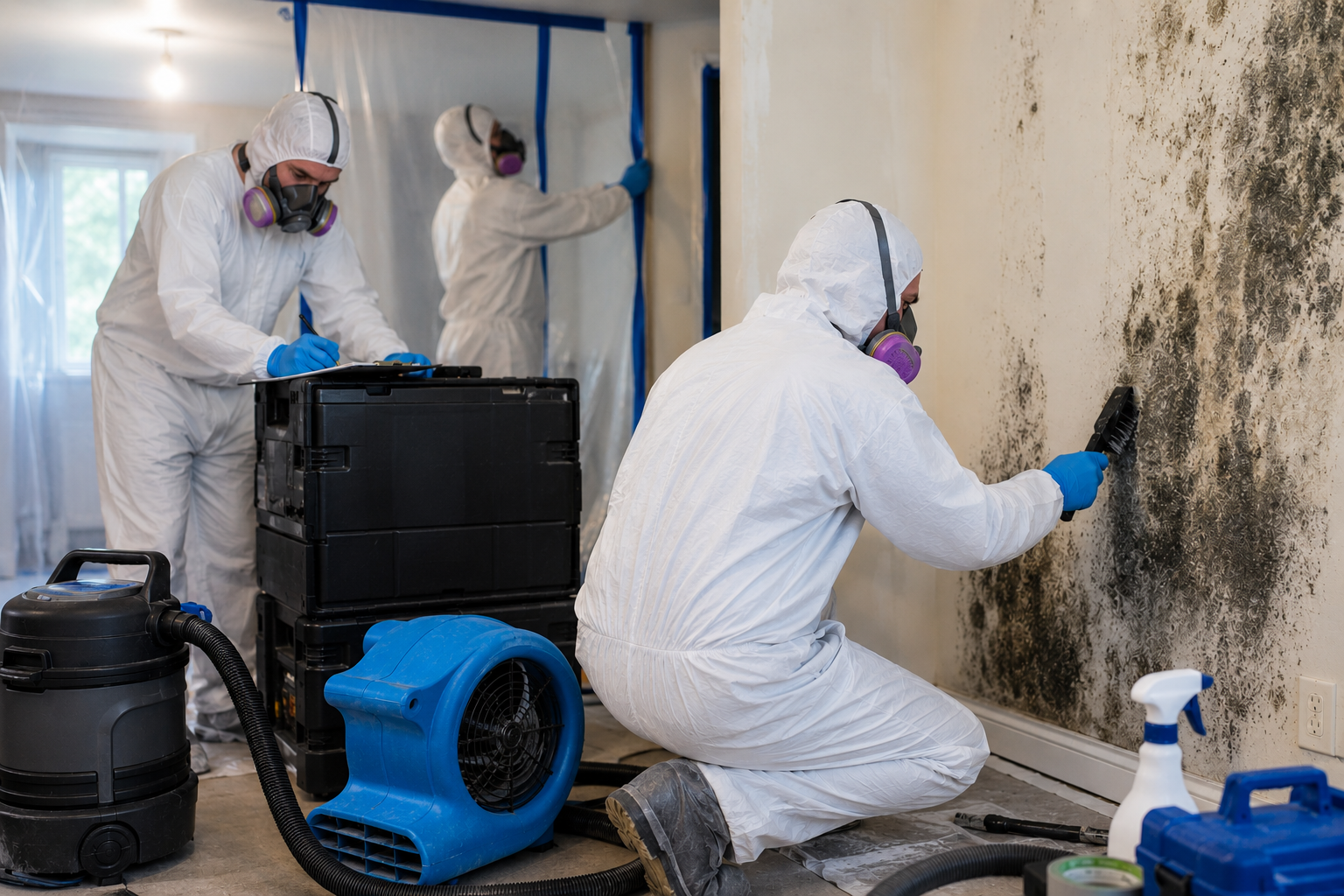
Bleach alone is not enough to resolve a mould problem when the moisture source remains or porous materials are heavily contaminated. Bleach is generally not recommended as the primary cleaning method for porous materials because it may not reach contamination below the surface. It also does not replace the removal of heavily contaminated materials or the correction of the underlying moisture problem. Scrubbing or disturbing contaminated materials without proper precautions can release mould spores and fragments into the air, increasing the risk of spreading them into ventilation systems or other areas of the property.
Professional remediation costs are largely influenced by the technical measures required to protect occupants and uncontaminated areas during the work.
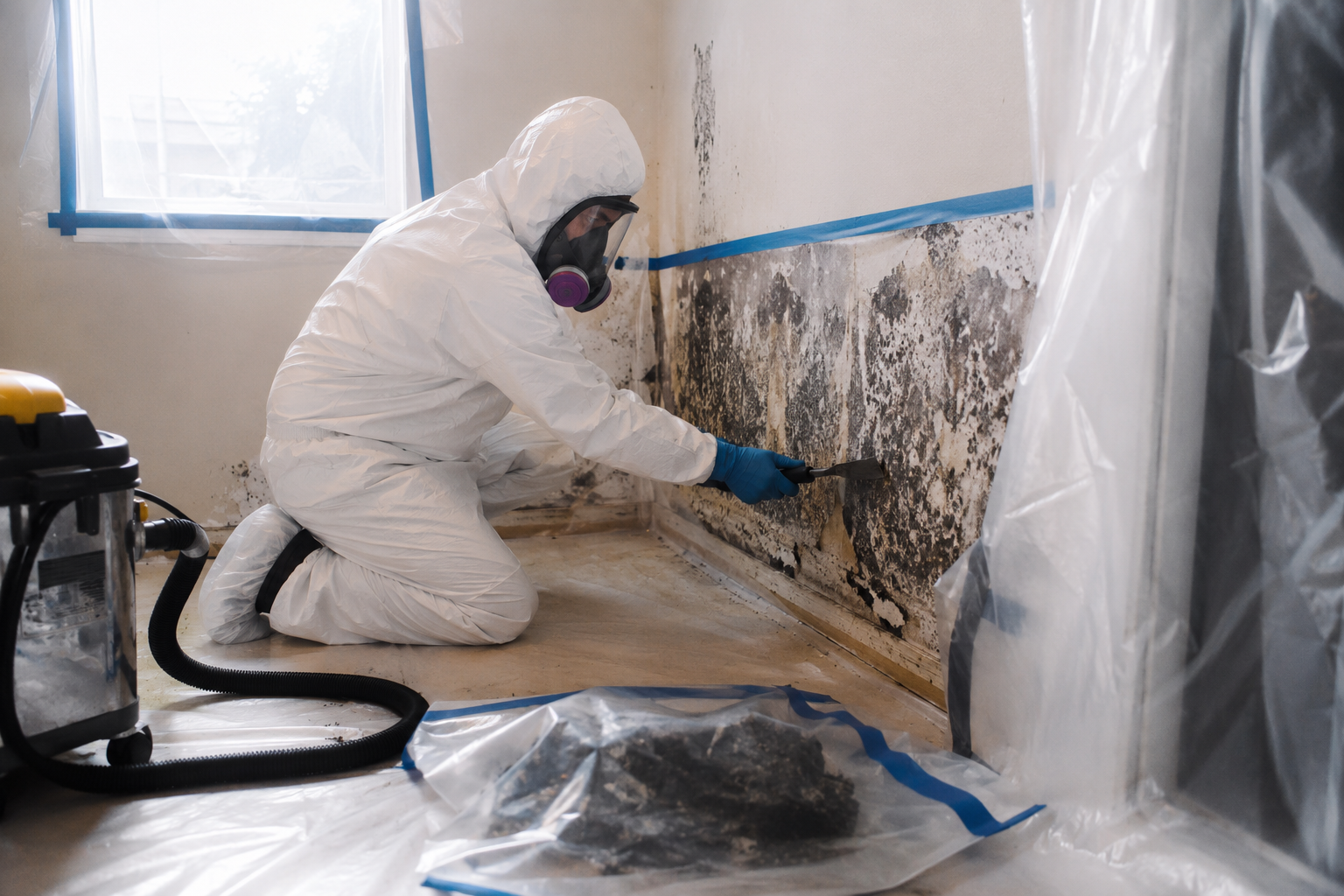
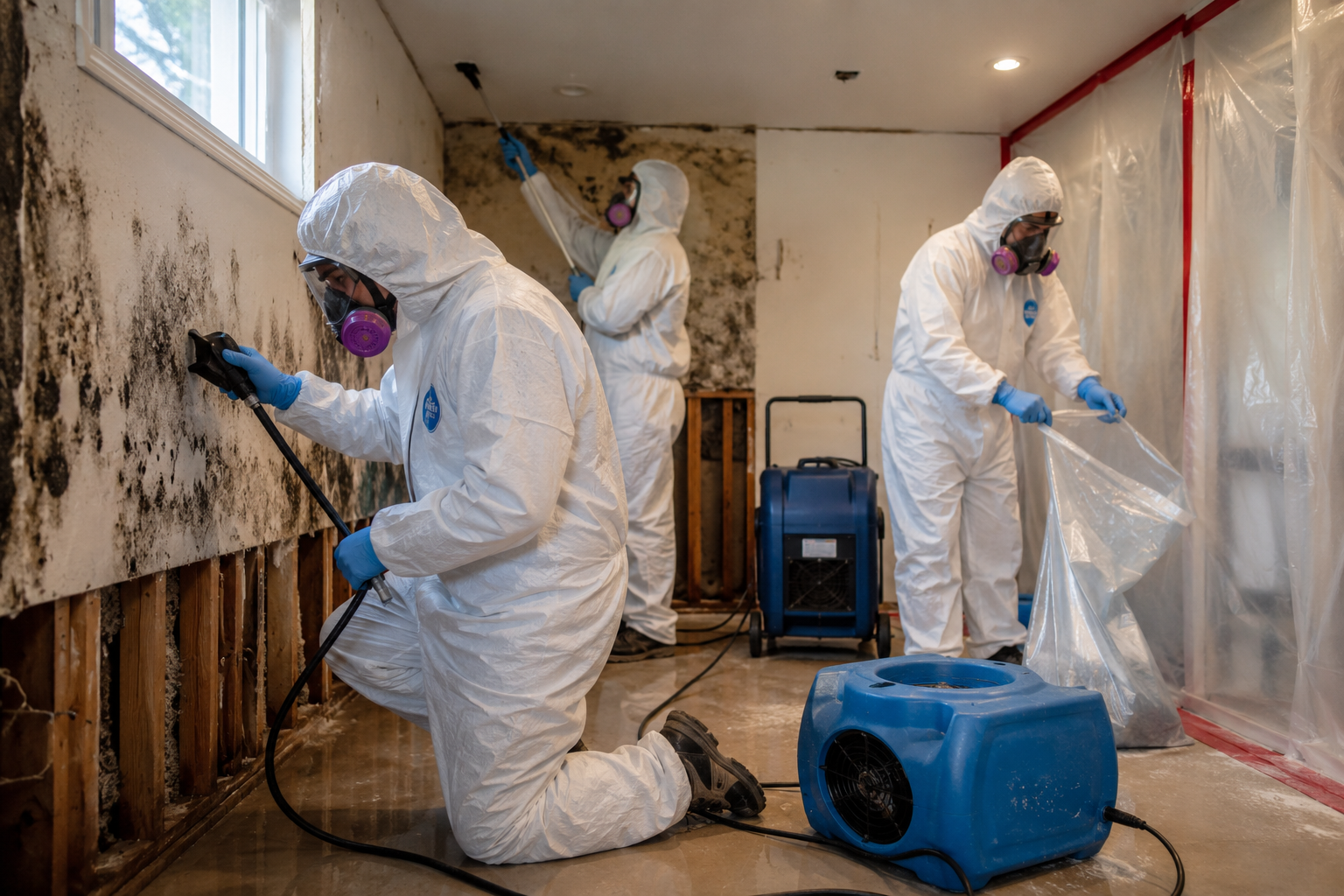
Containment barrier: Depending on the size and level of contamination, technicians may install polyethylene containment barriers to separate the work area from clean sections of the property.
Negative air pressure: When required by the remediation protocol, industrial air scrubbers equipped with HEPA filters may be installed to reduce the movement of contaminants into clean areas.
Personal protective equipment: Depending on the contamination level and workplace risks, workers may wear protective clothing, gloves, and respiratory protection equipped with suitable filters.
Secure debris packaging: Removed materials must be wrapped or bagged in a way that limits the release of dust, mould spores, and debris while they are transported out of the work area. Specific procedures vary depending on the remediation protocol and contamination level.
Important reminder: When a project requires containment and negative air pressure, the setup and removal of this equipment add labour time and increase the total cost.
Mould Remediation Regulations Across Canada
Building, demolition, reconstruction, and worker-safety requirements vary by province and territory. Before hiring a contractor, verify their qualifications, insurance coverage, and any provincial or municipal licences required for the specific work being performed.
When Is a Contractor’s Licence Required?
A general mould cleaning service may not require a specific mould-remediation licence in every province. However, a provincial contractor’s licence or trade certification may be required when the work involves regulated construction activities such as demolition, structural repairs, electrical work, plumbing, HVAC systems, or reconstruction. In Quebec, contractors carrying out construction work governed by the Building Act must hold the appropriate Régie du bâtiment du Québec licence categories.
In other provinces, homeowners should verify requirements with the applicable provincial contractor, building, or skilled-trades authority. A licence does not replace the need to confirm that the contractor carries adequate commercial general liability insurance.
Workplace Health and Public Health Guidance
Provincial and territorial workplace-safety authorities publish preventive measures for workers who may be exposed to mould. Public health guidance generally focuses on preventing moisture accumulation, cleaning affected areas, and correcting the underlying water problem. The exact safety procedures required on a job site depend on the province, the type of workplace, the size of the contaminated area, and the risks identified during the assessment.
When Is Air Testing Useful?
Air testing is generally not required to confirm visible mould or validate a routine residential remediation project. Health Canada recommends beginning with a visual inspection, correcting the moisture source, and removing contaminated materials. However, a qualified professional may recommend sampling in complex, disputed, or difficult-to-diagnose situations.
When testing is considered appropriate, the assessment and interpretation of the results should preferably be completed by a qualified professional who is independent of the remediation company.
Before remediation: Sampling may sometimes help a professional investigate contamination that is difficult to locate. However, identifying the mould species is generally unnecessary when deciding whether visible mould should be removed and the moisture source corrected. Certain species, including Stachybotrys chartarum, can produce mycotoxins under specific conditions. Their presence alone, however, does not determine the health risk to occupants.
After remediation: When post-remediation air sampling is included in the protocol, it may be completed inside the treated area before containment is removed. There is no universal Canadian health threshold based solely on comparing indoor mould spore counts with outdoor air samples. A final assessment should also consider whether the area is visibly clean, dry, and free of remaining contaminated debris.
How to Choose a Mould Remediation Company
Source: RenoQuotes
A mould problem can cause homeowners to make rushed decisions. Protect your investment by comparing contractors according to clear and consistent criteria.
Be wary of overly alarmist free assessment: A thorough evaluation should consider the visible extent of contamination, the history of the water problem, and relevant moisture readings. If a contractor suggests ripping everything out after simply looking over the affected area, seek a second opinion.
Request a detailed written quote: The written quote must clearly define all costs involved. It must detail the work area and materials to be removed or cleaned, as well as remediation methods. Also included are waste-removal expenses and post-remediation verification procedures.
Check the company's history: Review the company through your provincial consumer protection authority, business registry, contractor-licensing body, or other applicable public records. Confirm whether complaints, enforcement actions, licence restrictions, or required permits are associated with the business.
Compare Remediation and Reconstruction Costs Separately
Compare remediation and reconstruction costs separately: Depending on the project, assigning remediation and reconstruction to different companies can make quotes easier to compare and may reduce costs. Once remediation is complete, the moisture source has been corrected, and the work has been verified under the chosen protocol, you can obtain reconstruction quotes from contractors with the appropriate licences and qualifications.
Conclusion and Safety Recommendations
Mould in a Canadian home should not be ignored. When contamination is extensive or difficult to access, professional remediation can help protect building materials, property value, and indoor air quality.
To complete the project safely:
Identify and repair the original cause: The moisture source should be corrected before or during remediation, depending on the nature and urgency of the situation.
Hire qualified professionals: Verify the contractor’s qualifications, insurance coverage, and any provincial or municipal licences required for the work.
Request a final report: The report should describe the materials removed, surfaces cleaned, corrective work completed, and results of the final inspection. Air testing may be included when an independent professional considers it appropriate, but no test can guarantee that indoor air is completely free of risk.
To begin your project with greater confidence, compare mould remediation specialists and review transparent quotes that reflect the condition of your home.
Looking for something else?
Related articles
The latest industry news, interviews, technologies, and resources.
Editorial Team
•08 Nov 2023
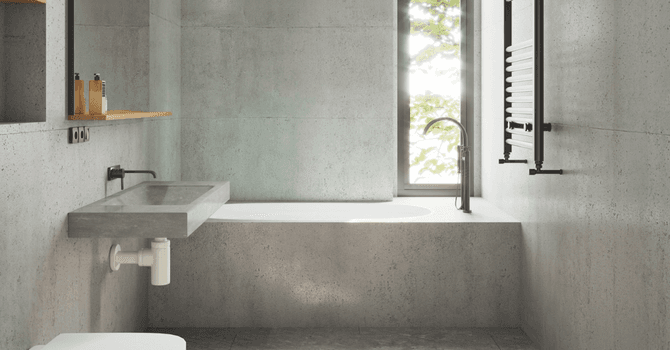
The luxury of having a bathtub in the home is wonderful: It can help relieve stress, restore balance, and enable you to truly relax. Of course, not every single home has a bathtub. Thus, if you’re looking to have one installed, you may want to consider a drop-in tub. As opposed to claw-foot tubs, drop-in bathtubs are easy to clean and conceal all plumbing elements. These tubs will give your bathroom a modern, classic finish.
Cynthia Pigeon
•08 Nov 2023
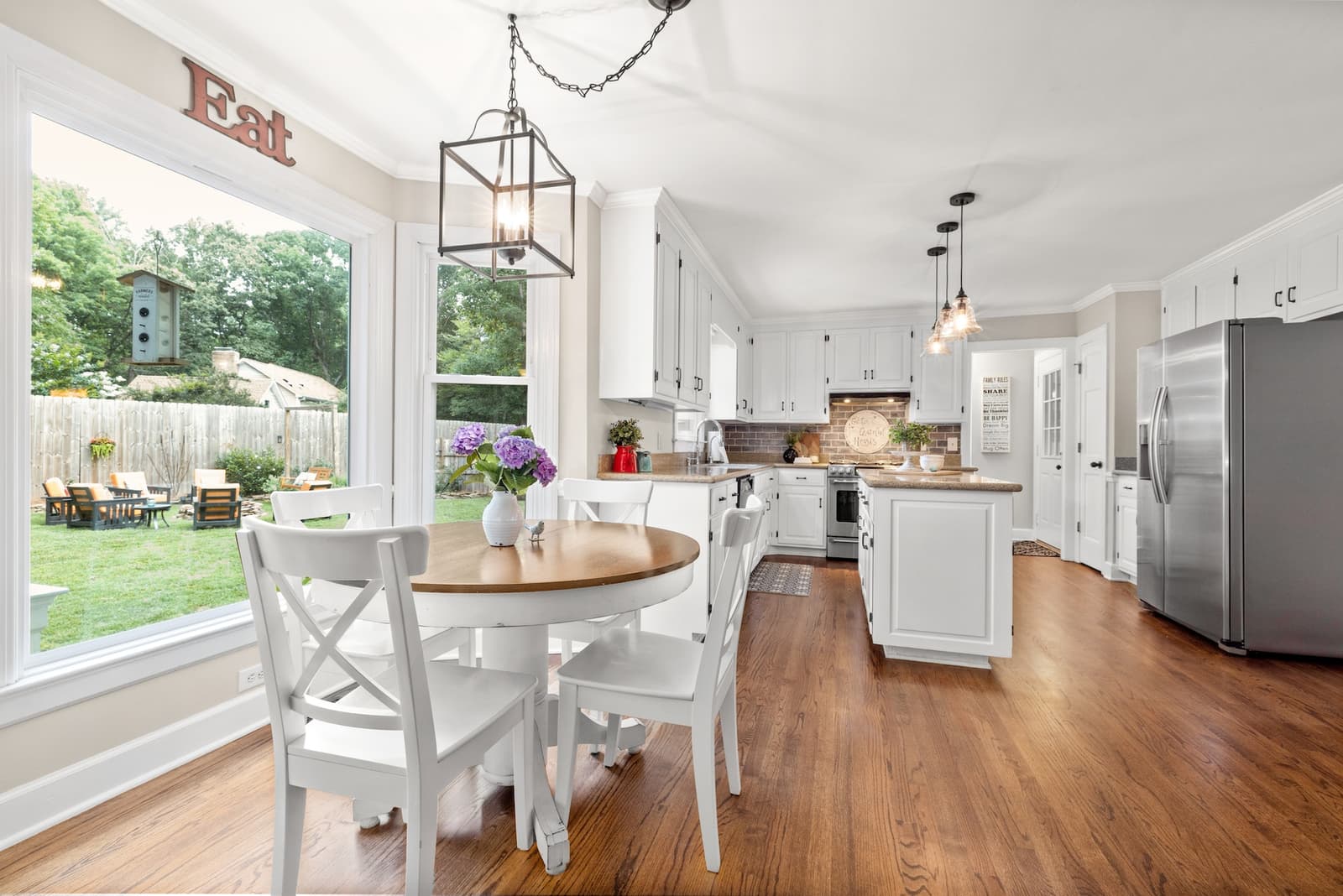
When a kitchen is too small to meet a household's needs, it quickly becomes a nuisance. And, since most people spend several hours a day in their kitchen, the lack of space is definitely felt on a daily basis. Therefore, a bigger kitchen is a recurring item on many homeowners' wish lists.
Cynthia Pigeon
•16 Apr 2026
To ensure safe aging in place in Canada in 2026, a home should follow widely recognized VisitAble (or VisitAbility) accessibility guidelines. These include a step-free entrance (threshold under 13 mm), doorways with a clear width of about 800 mm, and a main-floor bathroom with a turning radius of approximately 1,500 mm. While these are best-practice recommendations—not mandatory national standards—they significantly improve safety and mobility.

Cynthia Pigeon
•12 Jun 2026
Starting a new construction project or a major renovation in Quebec is often one of the biggest investments of a lifetime. Before the first shovel hits the ground or the first wall comes down, drawing up blueprints is one of the most important steps. Blueprints are not just drawings: they form the technical, legal, and aesthetic foundation of your future living space.

Cynthia Pigeon
•08 Nov 2023
The residential kitchen really has evolved through the years: it's kept up with design trends, new technologies, and the occupant’s habits. It used to be a gathering point where people spent hours cooking, cleaning, and socializing.