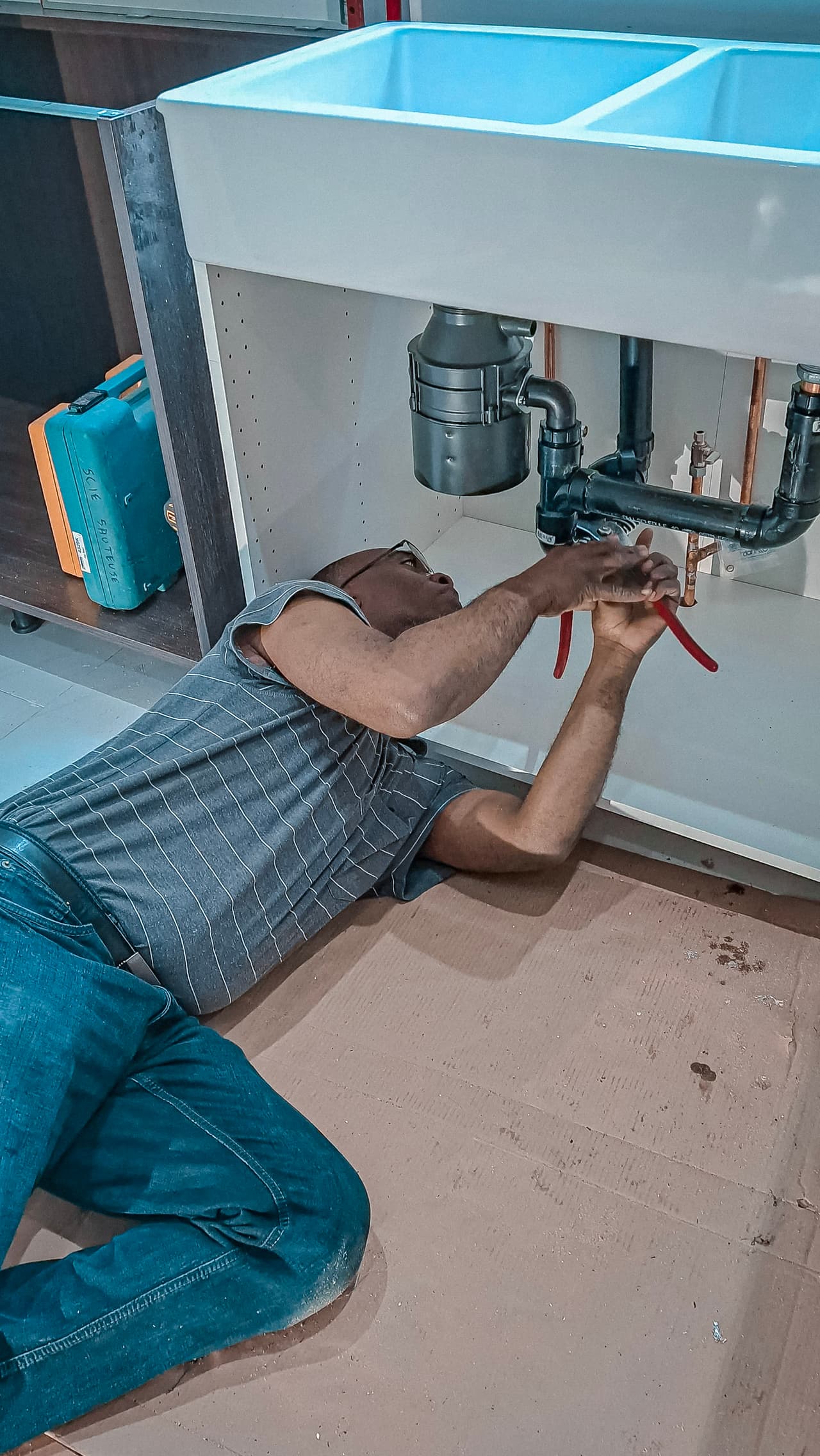
How to Become a Plumber in Ontario
Do you like getting your hands dirty while pursuing a well paid and interesting trade? Becoming a plumber might be what you are looking for. Becoming a plumber in Ontario is a rewarding career path that offers a blend of technical skills, hands-on experience, and job stability. The journey to becoming a licensed plumber involves several key steps and requirements, which are designed to ensure that individuals are well-prepared for the demands of the profession.
Plumbers tasks
To become a plumber in Ontario, you need to develop the following key skills and qualifications:
Technical plumbing skills:
Installing and repairing piping systems, fixtures, and plumbing equipment
Troubleshooting and problem-solving plumbing issues
Knowledge of plumbing systems, including water supply, drainage, and waste disposal
Ability to read and interpret blueprint
Skills required to become a plumber in Ontario
To become a plumber in Ontario, several skills and qualifications are required. Here is an overview of the necessary skills and the path to becoming a licensed plumber:
A High School Education is essential
The first step to becoming a plumber in Ontario is to complete your high school education. A high school diploma or equivalent is necessary to enroll in further training programs and apprenticeships.
Enroll in a Pre-Apprenticeship Program
While not mandatory, enrolling in a pre-apprenticeship program can significantly enhance your chances of securing an apprenticeship. These programs provide foundational knowledge in plumbing theory, safety practices, and hands-on skills. They typically last for about one year and cover essential topics such as plumbing tools, piping methods, and trade documentation.
Find an Apprenticeship
The core of plumbing training is the apprenticeship, which combines on-the-job training with in-class instruction. To start an apprenticeship, you need to find an employer willing to take you on as an apprentice. You can search for apprenticeship opportunities on job boards, through unions, or via the Ontario Ministry of Labour, Training and Skills Development. The apprenticeship program for plumbers in Ontario involves 9,000 hours of training, which includes 8,280 hours of on-the-job experience and 720 hours of in-class instruction. The training is divided into three levels, each covering different aspects of plumbing, from basic to advanced techniques. During this period, you will learn to install, repair, and maintain piping systems, fixtures, and other plumbing equipment used for water distribution, drainage, and waste disposal.
Pass the Certification Exam
After completing the apprenticeship, you must pass a certification exam to become a licensed plumber. This exam is administered by Skilled Trades Ontario and assesses your knowledge and skills in plumbing. The exam includes both written and practical components. Upon passing the exam, you will receive a Certificate of Qualification, which is necessary to legally practice as a plumber in Ontario. For greater job mobility across Canada, you can obtain the Red Seal endorsement by passing the interprovincial Red Seal examination. This certification allows you to work as a plumber in any province or territory within Canada without additional training or assessment.
Plumbers in Ontario can expect a robust job market with opportunities in residential, commercial, and industrial sectors.
Career Prospects and Salary for Plumbers
Entry-level salaries may start around $25,000/year
Certified plumbers average around $50,000/year
Unionized plumbers can earn up to $70,000/year
There is expected to be a significant labor shortage for plumbers across Canada over the 2022–2031 period. Projections indicate there will be about 12,600 job openings, but only 10,200 new job seekers, creating a shortfall.
In Ontario specifically, plumbing is considered an in-demand trade with strong job security. Wait times for service in high-demand areas such as Toronto can stretch to 4–6 months. Skilled plumbers are always needed for construction, maintenance, and repairs.
Frequently Asked Questions (FAQ)
What is the hourly rate for a plumber in Ontario?
The average hourly rate for a plumber in Ontario typically ranges from $30 to $90 per hour, depending on experience, certification, location, and whether the plumber is unionized or self-employed. Emergency and after-hours services may cost more.
Are you allowed to do your own plumbing in Ontario?
Homeowners are permitted to do their own plumbing in their primary residence, but they must obtain the proper permits and follow the Ontario Building Code. Improper plumbing can result in fines or insurance issues, so hiring a licensed professional is highly recommended.
Do plumbers need a license in Ontario?
Yes. To legally work as a plumber in Ontario, you must obtain a Certificate of Qualification from Skilled Trades Ontario. This involves completing an apprenticeship and passing a certification exam. Unlicensed plumbing work is not permitted for hire.
How do I find a licensed plumber in Ontario?
You can find licensed plumbers by:
Searching directories like the Skilled Trades Ontario public register
Using reputable platforms such as the Ontario College of Trades (archived)
Asking for referrals from local contractors
Looking for plumbers with valid Red Seal endorsements for added assurance
How to become a plumber in Ontario?
To become a plumber in Ontario, you must:
Complete high school
Enroll in a pre-apprenticeship program (optional)
Secure and complete a 9,000-hour apprenticeship
Pass the Certificate of Qualification exam through Skilled Trades Ontario
Optionally, obtain a Red Seal certification for interprovincial mobility
How to get a plumbing license in Ontario?
To get your plumbing license, you must:
Complete your apprenticeship (8,280 hours on-the-job + 720 hours in-class)
Apply for and pass the Certificate of Qualification exam
Register your license with Skilled Trades Ontario Maintaining your license may require continuing education or renewal depending on future regulatory updates.
Conclusion
Becoming a plumber in Ontario is a structured process that requires dedication and commitment. By following these steps—completing high school, enrolling in a pre-apprenticeship program, securing and completing an apprenticeship, and passing the certification exam—you can build a successful career in this essential and rewarding trade.
Looking for something else?
Related articles
The latest industry news, interviews, technologies, and resources.

Editorial Team
•18 Feb 2025
In the province of Quebec, the construction industry is particularly monitored and regulated. Hence why we’re making a point of raising awareness among residential homeowners regarding the importance of dealing with contractors holding the right RBQ licence.

Editorial Team
•08 Oct 2025
Cabinetmaking can only mean one thing: wood, wood, and more wood! Unlike materials like cement, steel, brick, stone, or fibreglass, timber is unique as it originates from tree transformation, meaning from a living and widely diversified organism. As such, cabinetmakers are woodworking savants, whether making furniture, designing decorative wooden pieces, or building accessories for manufacturers.
Editorial Team
•08 Nov 2023
Revamping your stairs isn’t as tricky as it might sound. With a few useful DIY tips and tricks, you can transform your time-worn wooden or metal stairs into an appealing feature. Whether you’re looking to paint over your stairs without first sanding them or opting for a more metallic finish, the paint colour chosen and the preparation stages are vital. Find out how you can efficiently DIY paint your stairs.

Cynthia Pigeon
•10 Sep 2026
The cost of kitchen cabinet refacing in Canada in 2026 generally ranges from $2,500 to $8,500, including installation, for an average-sized kitchen. This option can save homeowners approximately 30% to 50% compared to a full cabinet replacement, while still giving the kitchen a fresh, modern look. The final price depends mainly on the material selected, the number of cabinet doors and drawers, the condition of the existing cabinet boxes, and the complexity of the hardware and installation.

Editorial Team
•08 Nov 2023
Hello, and welcome back to our monthly entry about the best articles on interior design, decor and renovations! If you are new to this series, here is a quick recap: each month, we dedicate ourselves to finding the best articles on the internet to inspire you in your design and renovation projects.