
What wine lover hasn’t dreamed of having their own wine cellar to keep fine bottles within easy reach? To make this dream a reality, several rules must be followed. But what are the key principles that should guide you through this project?
A Well-Insulated, Odor-Free Wine Cellar
Source : RenoQuotes
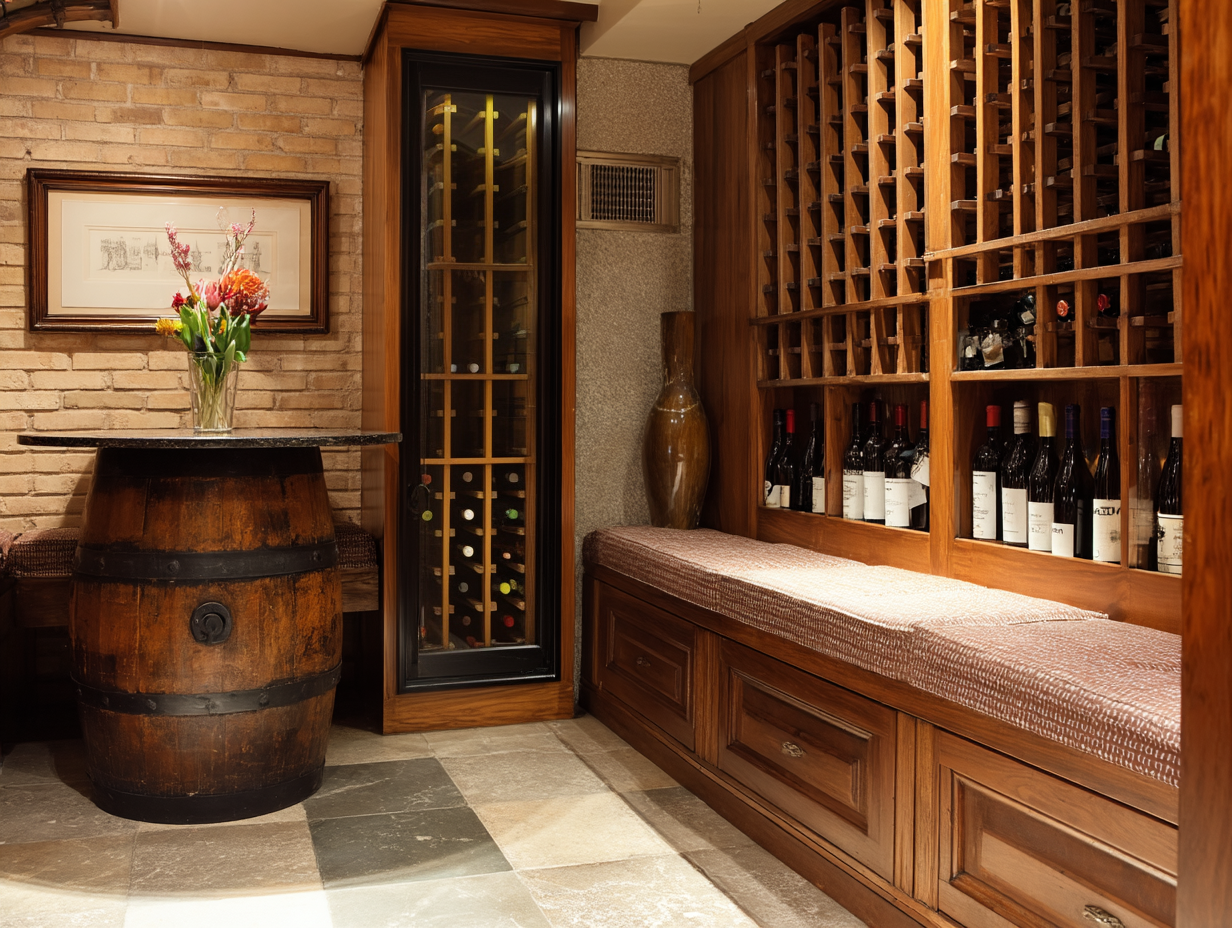
The most important factor is the room’s insulation, which is essential for preserving wine in optimal conditions. Use materials like spray foam, mineral wool, or rigid insulation boards. If you choose rigid panels, ensure no gaps remain to prevent air leaks and heat intrusion.
Insulation levels should range between R-20 and R-30. A vapor barrier is essential to maintain stable humidity and should be sealed with tape behind mold-resistant drywall, which is typically used for finishing.
The vapor barrier must always be installed on the warm side of the insulation to be effective. Consider placing a layer of plywood over the drywall to securely screw in your wine racks. The walls should be constructed with 2x4" or 2x6" framing.
Also, avoid storing toxic products or anything with strong odors in the room. Corks are porous and can absorb odors, which can compromise the wine.
Effective Temperature and Humidity Control
Source : RenoQuotes
What’s the Ideal Temperature?
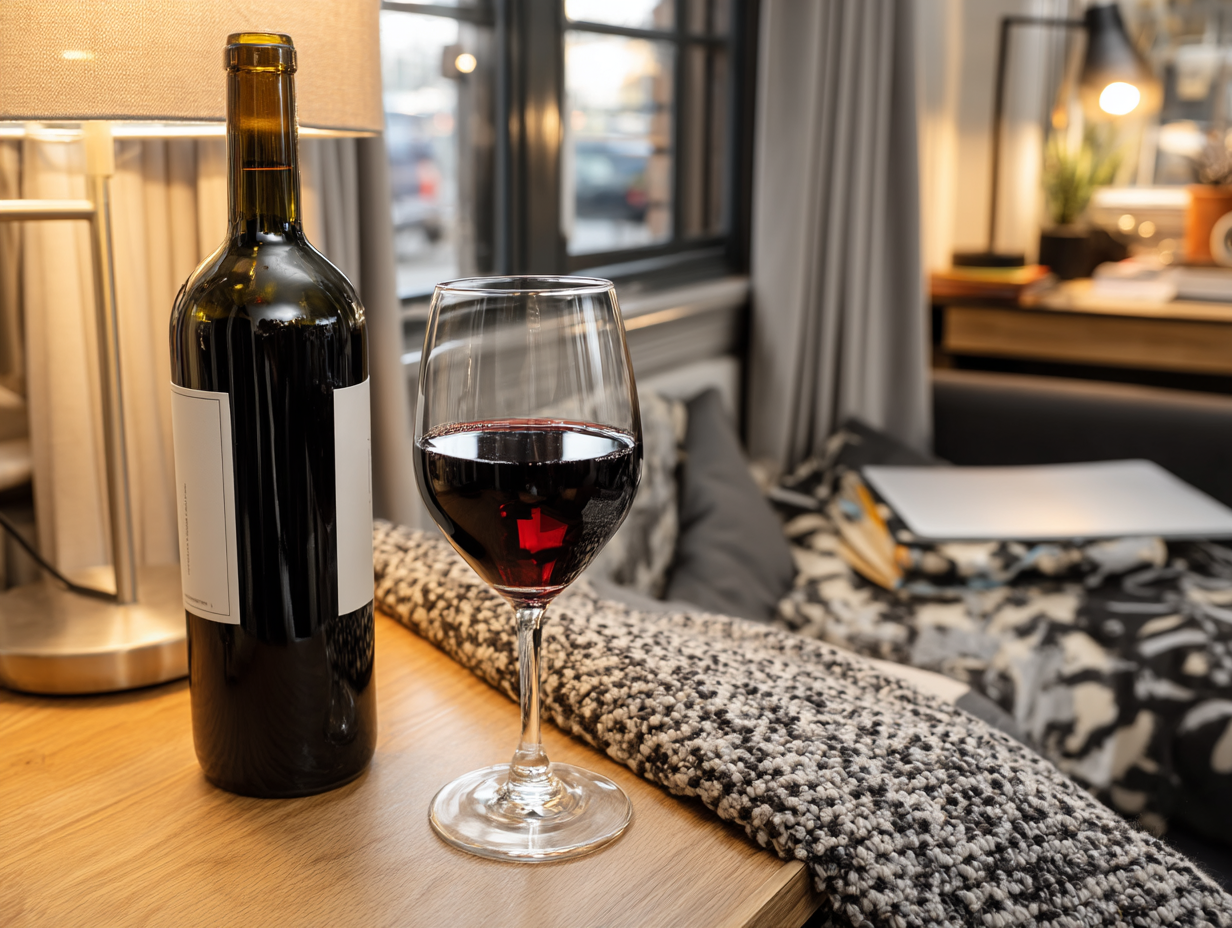
In addition to insulation, temperature control is crucial to prevent premature aging. Maintain a consistent temperature between 12°C and 14°C (53°F to 57°F).
Cooling units for wine cellars should be placed inside the cellar and draw air from another room. Never use a regular home air conditioner—it causes damaging vibrations, won't cool the space sufficiently, and cannot maintain the proper humidity.
Use mold-resistant latex paint to protect against potential damage caused by high humidity.
Maintain Balanced Humidity Levels
Experts debate the ideal humidity level, but most agree it should be between 50% and 80%. Exceeding this range can cause issues:
Too much humidity leads to moldy corks and damaged labels.
Too little dries out the cork, allowing air in and wine to escape.
Use a hygrometer to monitor humidity. A refrigeration unit will help maintain the correct level.
If the humidity is too low, place a bucket of water in the room or hang damp laundry. You can also drill 1–2 cm holes in the floor or every 6 cm in the walls to raise the humidity by 1–2%.
To maintain these conditions, the room must be airtight. Install a door with weatherstripping and at least R-16 insulation. If you choose a glass door, make sure it’s UV-treated thermal glass to prevent heat from sunlight.
Choosing the Right Location
Source : 9515-2955 quebec inc
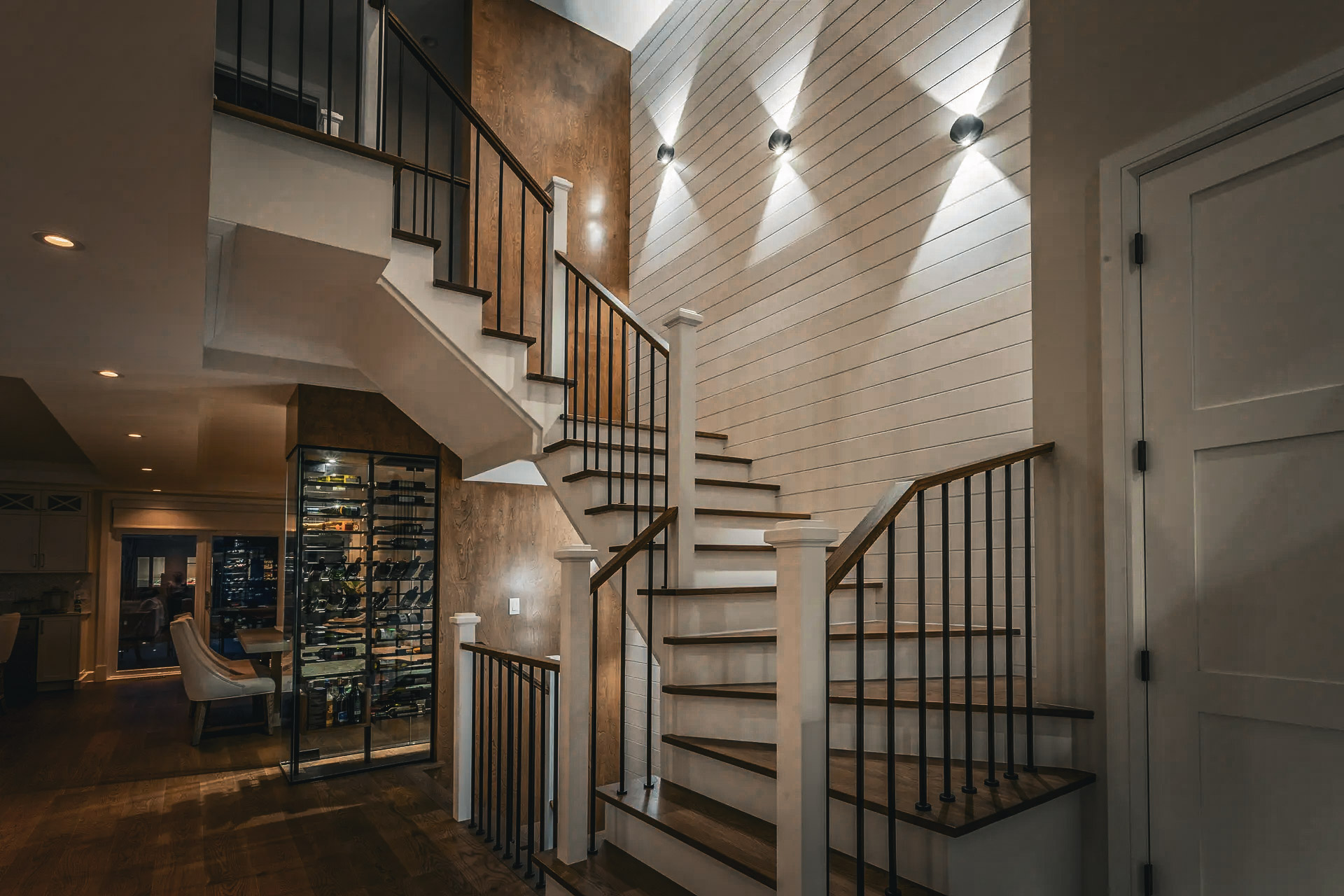
Select the location carefully. Avoid proximity to vibration sources—vibrations can mix oxygen with wine molecules and alter flavor.
Avoid rooms with concrete walls to reduce electrical installation costs. For air conditioning, you’ll need an opening in the wall for the unit, which must be placed inside the cellar.
Flooring
Given the high humidity, opt for flooring that can withstand moisture such as natural stone, marble, ceramic, or slate. Avoid carpeting or wood floors. If the concrete floor isn’t insulated, you can install a slate surface.
Lighting Your Wine Cellar
Use LED lighting to maintain a cool, humid environment. Consider installing dimmable fixtures to avoid over-lighting. Recessed ceiling lights require housings. An indirect 30W bulb can also work well.
Because light can degrade wine, keep the cellar dark. If your collection is small and for short-term use, this is less important. For a darker atmosphere, use dark paint shades. Avoid windows entirely.
Storing Your Bottles

Source : RenoQuotes
Store Bottles Horizontally
Plan for racks that allow horizontal bottle storage. This keeps the cork moist and prevents air from entering the bottle. This doesn’t apply to screw-cap bottles.
For multiple bottles of the same wine, bulk storage racks (diamond, cube, or rectangular shapes) are ideal. Use individual racks for rare or unique bottles.
Tip: Store dry white wines closer to the floor, where it's cooler.
Choosing Materials
Odorless cedar is highly recommended for its durability. You can also choose walnut, Brazilian mahogany, or padauk. Padauk, with its reddish-orange hue, is known for strength and durability.
Wine rack finishes vary: lacquered, stained, or hammered. For a modern look, consider metal or glass.
Managing Your Collection
Wine cellar owners should track their collection. Keep an inventory listing each bottle (name, purchase location, vintage), and store a copy outside your home. Inform your insurance company in case you ever need to make a claim.
Average Cost of a Wine Cellar
Don’t go overboard. Experts recommend setting your budget based on your home’s value. Remember, if you sell your house, you’ll want to recoup the investment.
With a budget between $5,000 and $20,000, you can build a beautiful, high-quality wine cellar.
Looking for something else?
Related articles
The latest industry news, interviews, technologies, and resources.

Editorial Team
•08 Nov 2023
Hot water heating systems are an integral part of our heritage and are still found and efficiently used in most centennial houses in Quebec. The main reason they’re not as common nowadays is that installation costs are steeper than that of other heating systems, which makes some homeowners reluctant. In older buildings, it’s rather tempting to opt for electric baseboard heaters. However, if you’ve already got this type of heating system installed, consider all your options before making a final decision. And for those who're looking for an efficient system to improve the overall level of comfort in their home, hot water heating may be the best choice for years to come.

Editorial Team
•06 May 2026
Choosing the right heat pump matters in Canada. A good model can help keep your home comfortable in winter, cool in summer, and may reduce your energy use compared with older heating and cooling systems.
Editorial Team
•08 Nov 2023
Whether preparing for or washing up after a meal, filling a cup of water or a vase with fresh flowers, your kitchen sink is a fairly integral piece of the puzzle. A sink comes up against plenty of wear and tear, and thus, the possibility of it becoming worn before other parts of the room is plausible.
Editorial Team
•08 Nov 2023
Are you looking to replace your water heater? While this isn't an exciting buy, it’s nonetheless an important one. Indeed, having daily access to hot water is certainly essential and our comfort greatly depends on it.

Editorial Team
•08 Nov 2023
A renovation project is a big commitment. Not only does it take time, money and effort on part of yourself and your family, but it means you must trust that your home is in the safe hands of someone else.