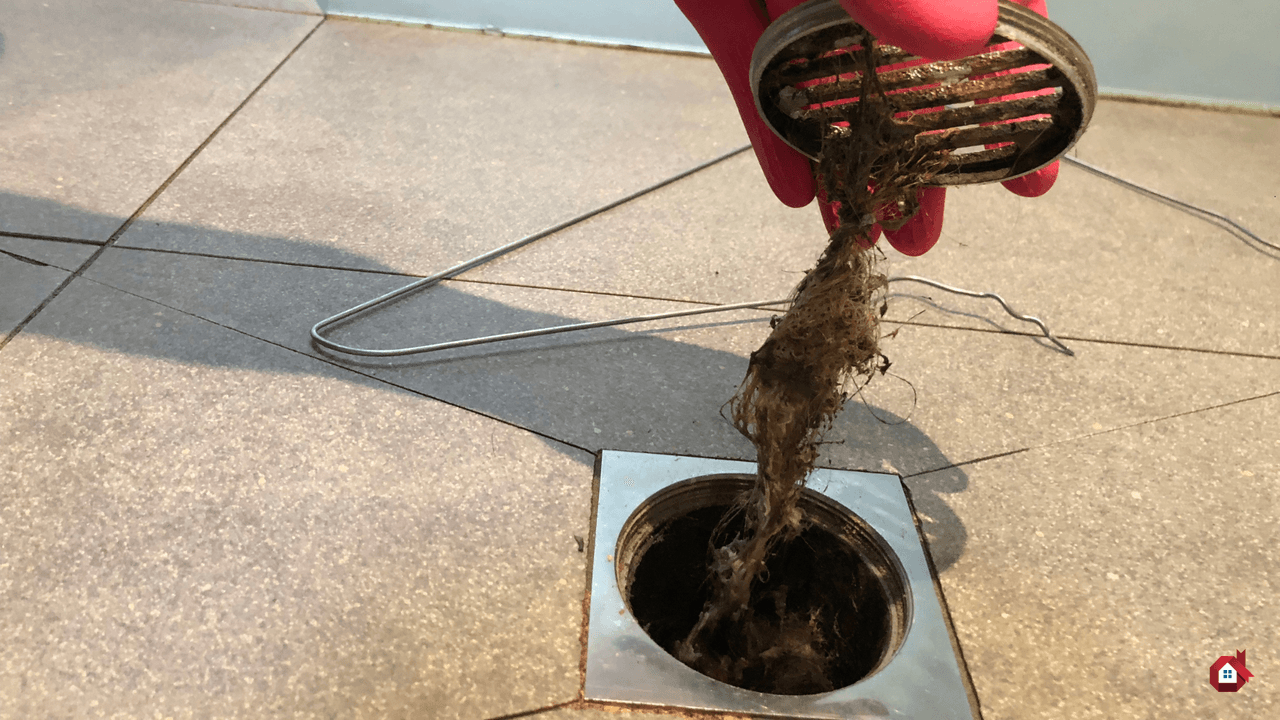
Floor drains found in basements, garages, and other areas of your home are a crucial part of water management. A clean floor drain is a must to prevent foul odours and obstructions and maintain proper drainage. This guide will detail how to clean a floor drain, what techniques to use to spot and unclog an obstructed drain, and how to regularly maintain your drainage system to ensure its proper functioning. Check out our practical tips and tricks for the best maintenance practices.
Where Do Floor Drains Lead?

Water draining from a floor drain is typically channelled toward the house’s main sewer system. In some cases, it can be routed to a specific drainage system, such as a septic tank or stormwater sewer. This system ensures proper water drainage, thereby preventing water build-ups and flooding around ground-level or below-ground-level zones, such as basements and garages.
How to Spot a Clogged Drain

Telltale Signs of a Clogged Drain
Common warning signs of a clogged drain include slow water drainage, gargling pipes, unpleasant odours coming from the drain, and water pooling around the drain. If you notice any of the above-mentioned symptoms, your drain is most likely clogged.
Visual Trap Inspection
To visually inspect the trap, remove the drain cover and look inside, pointing a flashlight into the void. Look for build-ups of debris or residues. By regularly inspecting your floor drain, you can prevent obstructions by detecting issues early on that would otherwise be quite significant.
Do a Drainage Test
As far as drain testing is concerned, pour a large amount of water down the drain and observe whether it’s draining fast and freely. If the water is draining slowly or pooling at the top, those are telltale signs that the drain is obstructed.
How to Clear a Clogged Floor Drain: Laundry Rooms, Garages, Kitchens, Showers, Etc.

Manual Unclogging Methods
Use a plunger to attempt to dislodge the obstruction. For drains that are severely clogged, a snake drain might be more effective. Insert said tool into the drain and rotate it to dislodge debris.
Chemical and Natural Products
Avoid harsh chemical products that can damage the pipes. Instead, use natural solutions like a baking soda and vinegar solution, followed by hot water. This is an effective method for dissolving organic plugs without hindering your pipes.
When Should You Hire the Services of a Plumber?
If manual and natural methods are working to no avail, now’s the time to call in a professional plumber. They are equipped with dedicated tools such as motorized plumbing snakes and high-pressure sewer jetters to eliminate tough obstructions. Furthermore, a licensed plumber can carry out a camera-assisted inspection to spot any concealed problems.
Professional service fees vary. For example, a camera-lead inspection can cost between $230 and $2,600, based on the length of the pipeline and how easily accessible it is. Plumbing service fees requiring the use of an electric snake, vacuum pump, or high-pressure washer are based on the time needed to unclog the pipe in question, starting at $100, transportation fees excluded.
Best Ways to Prevent Clogged Drains
Regular Maintenance
To prevent obstructions, carry out regular drain cleaning procedures. Pour boiling water down all drains every month to dissolve all residue. Also, clean the drain caps and traps to prevent dirt build-ups.
Use a Drain Strainer
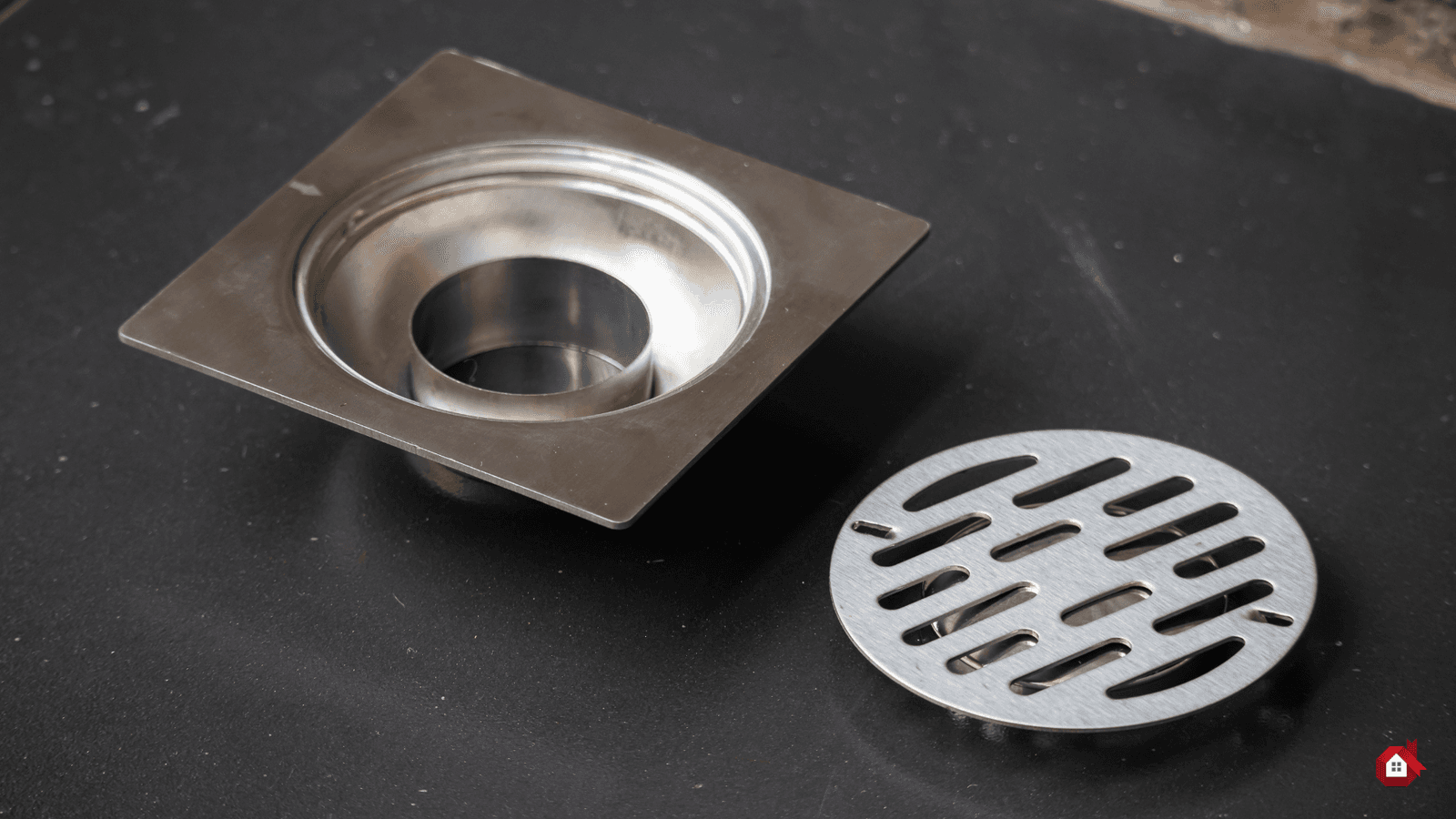
Install netting over your drains to prevent debris from falling into your system. Such caps are great for preventing hair, food residue, and other particles from obstructing your system.
How to Clean a Floor Drain
Below are simple and effective steps:
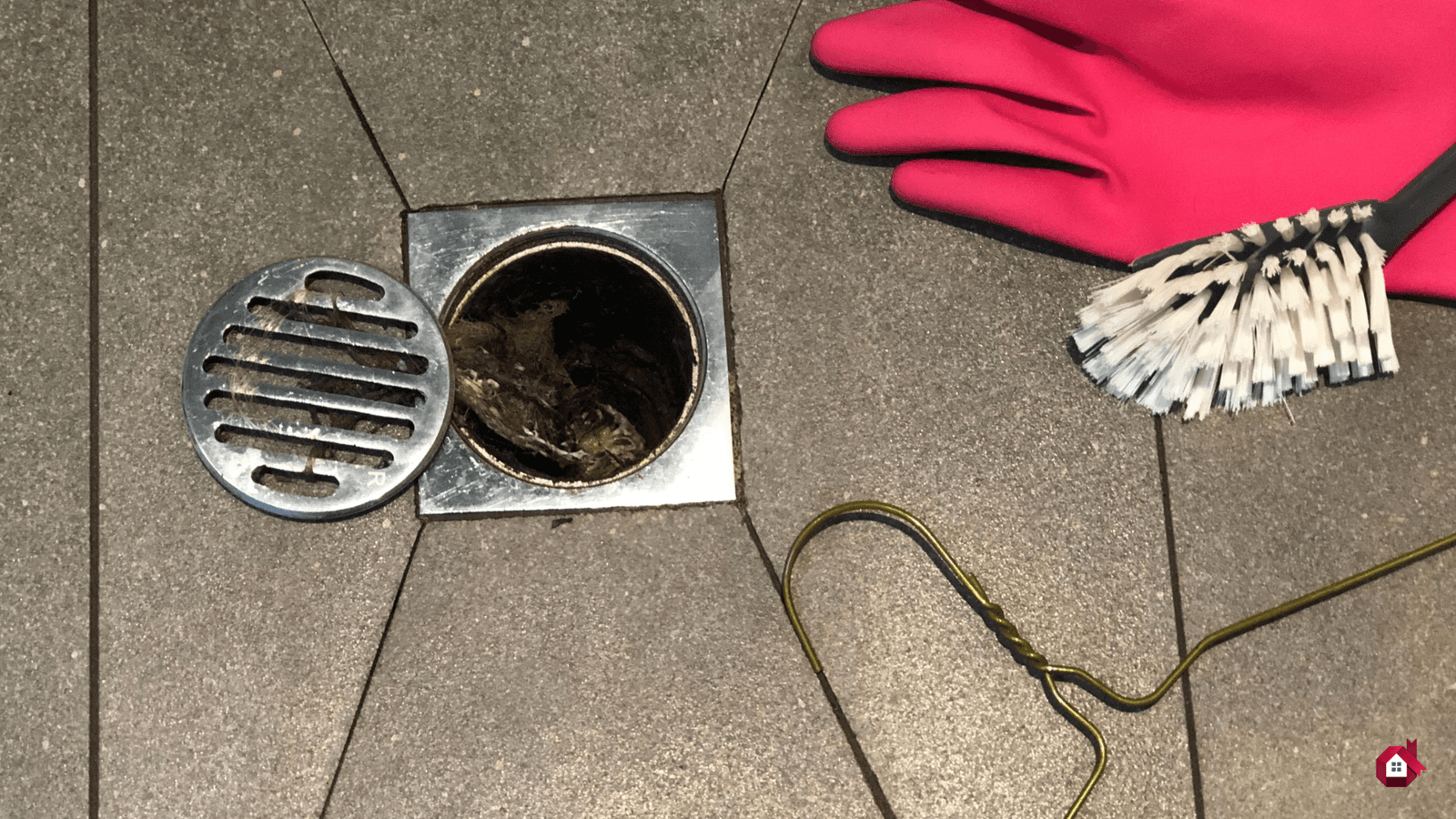
Remove cap: Remove the basement, garage, or shower floor drain cover, and clean separately.
Remove obvious debris: Wear gloves and manually remove all debris found in the drain.
Pour in hot water: Pour boiling water down the drain to help dissolve greasy residue and deposits.
Use a drain snake: Snake your drain to eliminate all deep-set obstructions.
Recommended Tools and Products
Plunger: For minor blockages.
Drain snake: For tougher obstructions.
Baking soda and vinegar: For a natural and eco-friendly maintenance procedure.
Rubber gloves and bucket: For protection and debris removal.
Why Is Drain Maintenance Important?

Prevents Foul Odours
A clean drain prevents foul odours from filtering through your house. Unpleasant smells often stem from debris and residue found stagnating in the trap. Regular maintenance can prevent such unpleasantness.
Ensures Proper Water Drainage
A well-maintained drain ensures proper water drainage, limiting the risks of flooding and water-related damage to your home. Preventing repeated obstructions also means prolonging your plumbing system’s service life.
This detailed guide will help you better understand the importance of proper floor drain maintenance, as well as effective ways to prevent—or fix—obstructions. For situation-specific advice from licensed professionals, check out our website or contact our skilled team at RenoQuotes.com.
FAQ
Can I Snake a Clogged Basement Floor Drain?
Yes, you can snake a clogged basement floor drain. Using a plumbing snake, you can break up the clog and restore proper drainage.
Will a Plunger Unclog a Floor Drain?
While it's not impossible for a plunger to unclog a floor drain, it likely won't be as effective as other tools. If you notice standing water around the drain, try using the plunger to clear any debris. If that doesn't work, or only partially clears the clog, use another tool mentioned in this article or call a plumber.
Want to learn more about maintaining your drains? Check out these articles:
Get 3 renovation quotes for your plumbing project
RenoQuotes.com can help you get quotes for your plumbing project. When you submit your project, you’ll be connected to top-rated contractors. Fill in the form on the homepage (it only takes a few minutes) and receive estimates from trusted professionals.
Dial 1-844 828-1588 to speak with one of our customer service representatives.
Looking for something else?
Related articles
The latest industry news, interviews, technologies, and resources.
Editorial Team
•31 Jan 2025
Water heaters are indispensable devices fitted inside every household. They allow dwellers access to hot water, which is essential for showering, washing dishes, and other daily uses. Water heaters can't be separated from housing quality and convenience.
Editorial Team
•09 Feb 2026
In a home, plumbing is like the circulatory system of the human body—mostly hidden, but essential for daily life. Yet too often, we only pay attention to pipes, faucets, or water heaters when something goes wrong—like a leak or, worse, a flood. Waiting for a plumbing emergency doesn’t just add stress—it also hits your wallet much harder.

Editorial Team
•08 Nov 2023
Once the warm weather returns, we begin to look for ways to allow fresh air to circulate into the home. This can be more difficult than it may seem at first, as insects and bugs will seep through open windows and doors. Of course, with modern technology, there exists a way to remedy this problem. A screen door combines practical with purposeful to offer an ideal way to allow clean, outdoor air indoors.
Amanda Harvey
•27 May 2026
Building or renovating a home can get expensive quickly, especially when material prices, labour costs, delivery fees, and design changes start adding up. If you are planning fall renovations, early preparation can also help you secure a spot before contractor vacations and the summer slowdown affect availability.
Editorial Team
•24 Sep 2024
Besides their low price point, portable air conditioners are valued for their convenience, ease of use, and the fact that their installation requires no particular skill set.