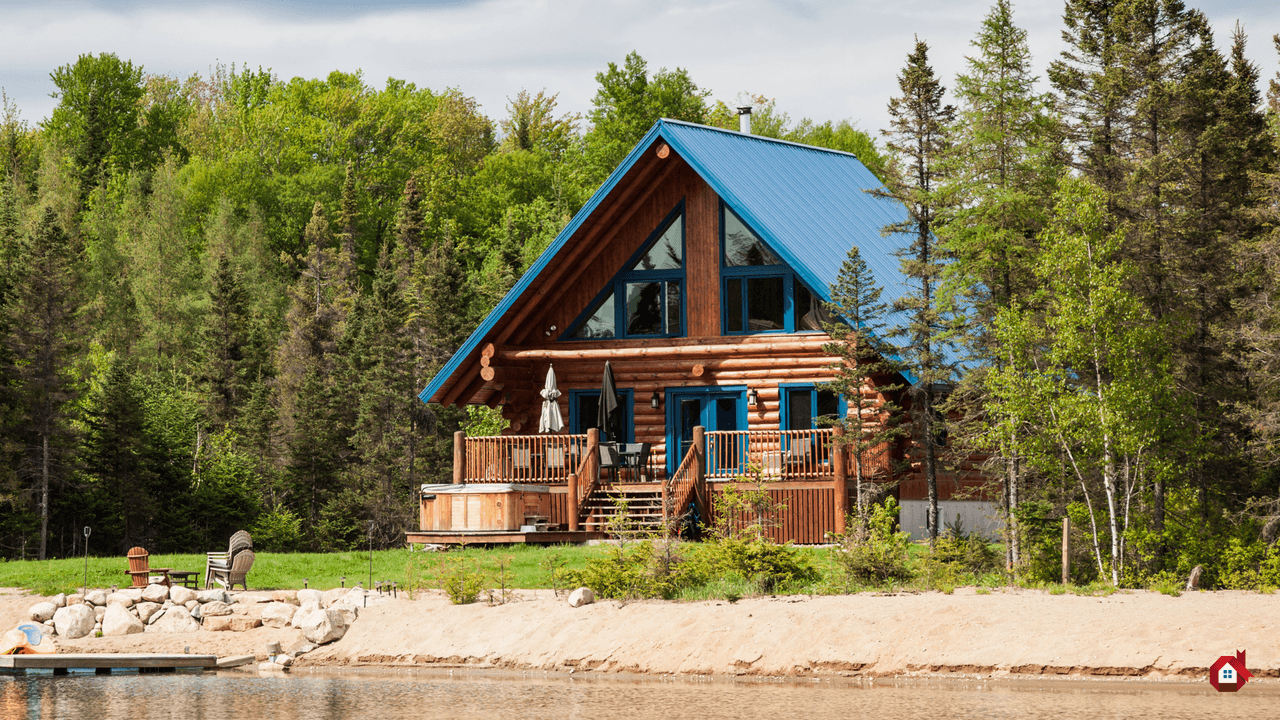
Insulating a log house is a key step to guaranteeing year-round thermal comfort. Not only does it contribute to maintaining a comfortable indoor temperature, but it also aids in cutting energy costs significantly. This article will cover insulation methods suited to log houses or cabins, as well as the best insulation materials, the notion of R-value, and the specific challenges associated with this type of construction.
Why Insulating a Log House or Cabin Is Worth It
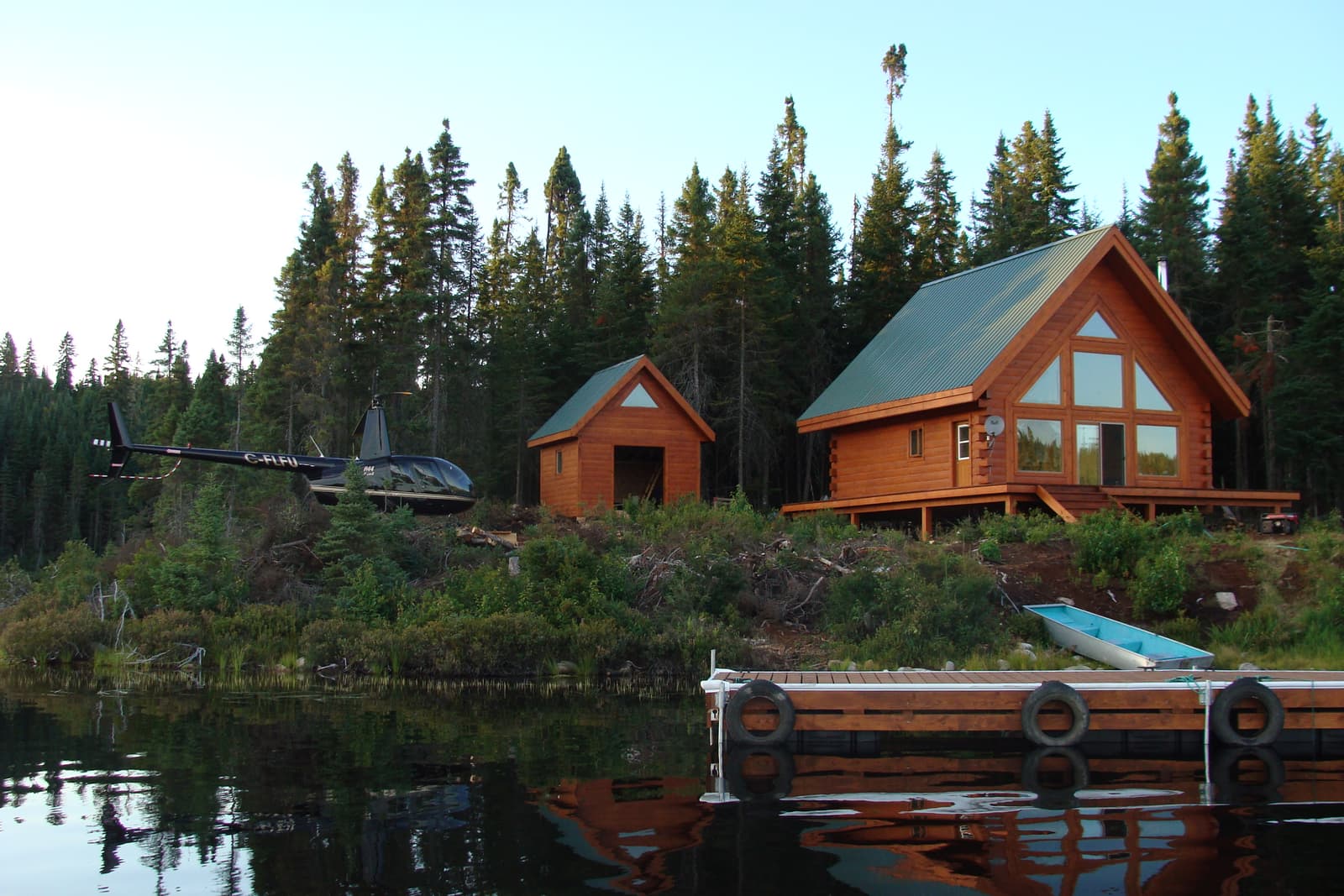
Source : 9188-1086 Québec inc.
Year-Round Thermal Comfort
By nature, log houses are natural insulators given the thickness and density of the wood logs. However, to maximise thermal comfort, additional insulation is necessary. Doing so allows for maintaining a stable temperature indoors, preventing extreme summer or wintertime variations. Adequate insulation also helps prevent cold air drafts during winter and traps cool air in the summer, thus ensuring optimal comfort, year-round.
Energy Cost Cuts
Decent insulation minimises heat loss during the winter and maintains a cool indoor setting during the summer. This formula translates into significant heating and air conditioning cost cuts. You can achieve substantial savings on your energy bills with proper log cabin or house insulation. Poorly insulated homes require more energy to maintain a comfortable ambient temperature, thereby increasing costs. Hence investing in efficient insulation is the most cost-effective, long-term solution.
How to Insulate a Log Home? The Different Methods
Source : Canva
Wall Insulation
To insulate the walls of a log house, you first have to choose a suitable material, one that provides decent thermal resistance. Amongst the most commonly used methods, is the use of rigid insulation panels on the exterior walls of the dwelling or inserting insulation material between the wood logs. The use of gap fillers, such as chinking, is equally important to seal the gaps between the horizontal logs and prevent heat loss. Moreover, adding Rockwool or fibreboard insulation between the wood logs can improve the thermal efficiency of the structure’s walls.
Ceiling and Roof Insulation
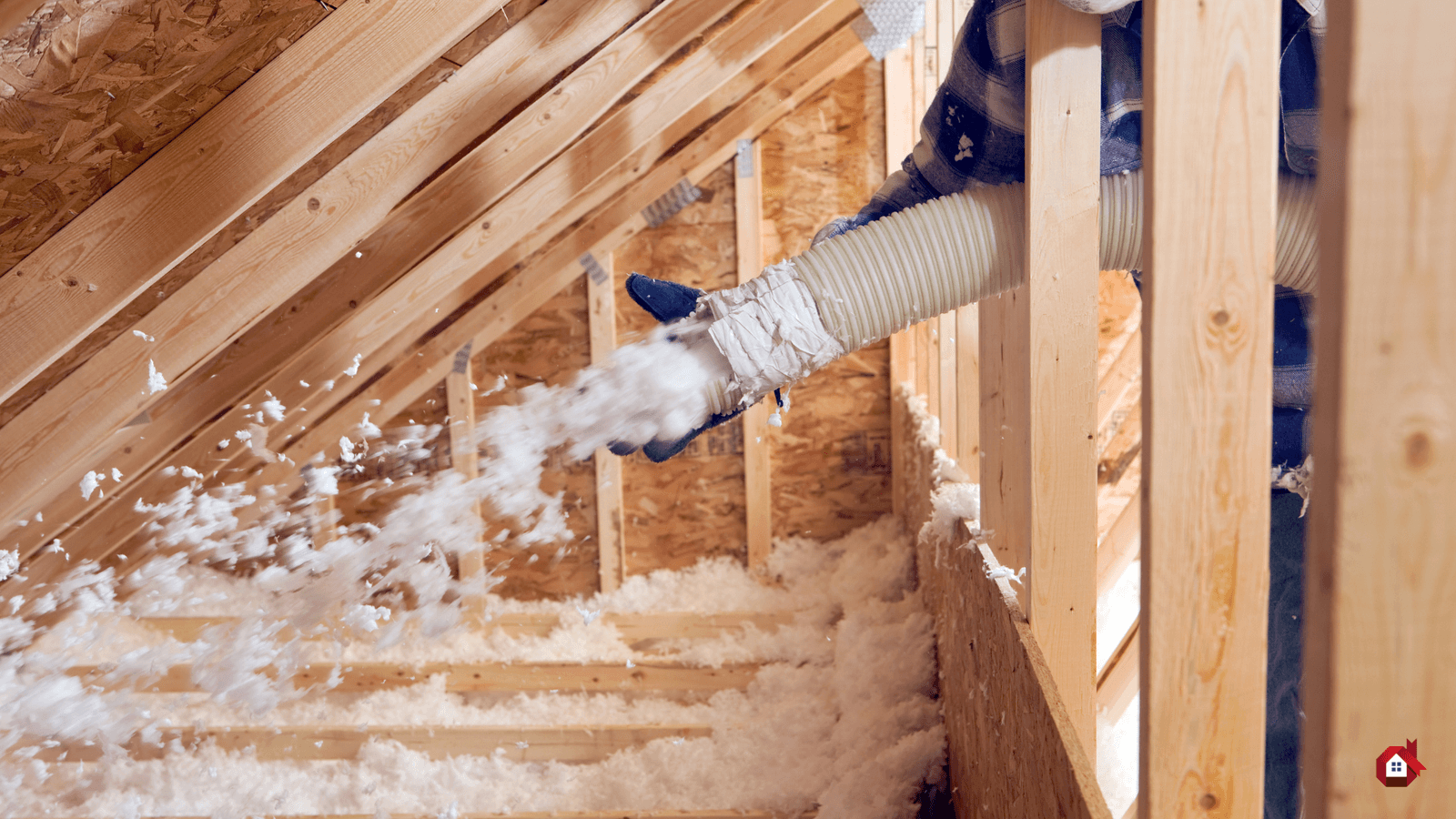
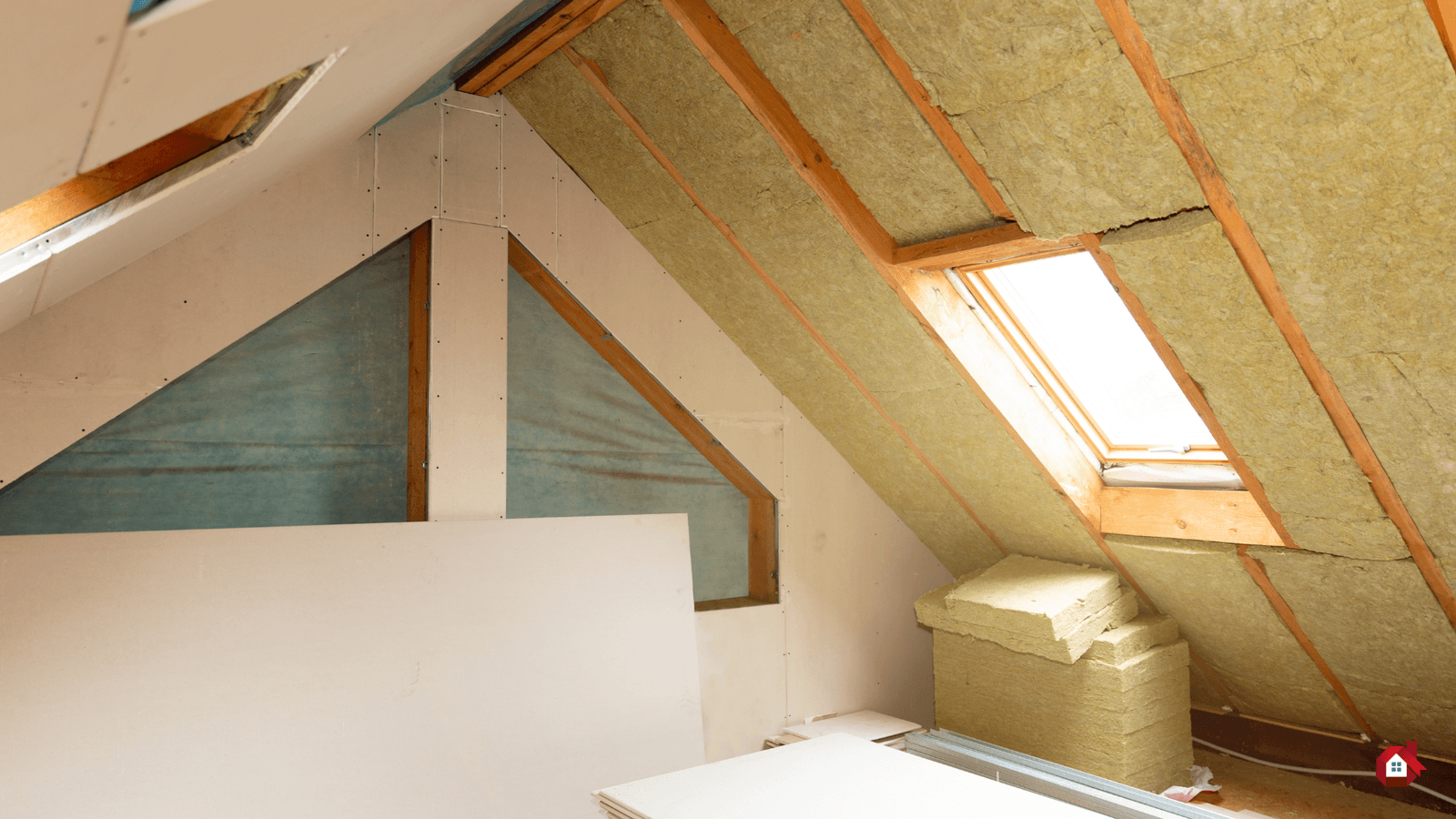
The roof and ceiling areas are critical for adequate thermal insulation. Using materials like glass wool or spray foam insulation can aid in limiting heat loss. Furthermore, ensuring the roof is properly ventilated to prevent humidity from building up is paramount as it could otherwise compromise the insulation’s efficiency. Decent roof insulation can prevent thermal bridges and make for a well-protected log home against temperature variations. Using rigid insulation panels or polyurethane foam for roof and ceiling insulation purposes comes highly recommended.
What's the Best Insulation for Wooden-Framed Houses?
Source : Canva
Choosing the best insulation material for a wood-frame house depends on several factors, such as weather conditions, budget, and personal preferences in terms of material sustainability and eco-consciousness. The insulation materials used must provide good thermal resistance, be easy to install, and be suitable for a wooden structure. It’s not enough to select an insulation material that retains heat during the winter and cool air during the summer, it also has to withstand humidity to prevent all moisture-related mould and wood degradation problems. In the section below, we’ll take a look at both traditional solutions, as well as modern and innovative ones to determine which insulation material better suits the above-mentioned criteria.
Traditional Options
Glass Wool
Glass wool is a commonly used insulation material for wood-frame houses. It provides decent thermal and acoustic insulation and is relatively easy to install. However, it must be protected from humidity to maintain efficiency. Glass wool is retailed in roll or panel form, and can be used to insulate walls, roofs, and floors. It’s a cost-effective and efficient material suited to a wide range of insulation projects.
Rockwool
Rockwool is another sought-after solution. Said material is fireproof and moisture-resistant, making it an especially suitable option for wood-frame houses. Moreover, it has decent soundproofing properties. Rockwool is made from Basalt rock—volcanic rock—and comes in panel or roll form. It’s durable, recyclable, and provides top-notch thermal and acoustic insulation.
Modern and Innovative Solutions
Spray Foam Insulation
Spray foam insulation is a modern technique with which an excellent air-tight seal and high thermal performance can be achieved. It’s ideal for log cabins and log houses as such insulation can be applied directly onto irregular surfaces, filling in all the gaps and cracks. Spray polyurethane foam is moisture-resistant and can also serve as an air and vapour barrier, which further improves its efficiency.
Rigid Insulation Boards
Rigid insulation panels, such as those made of polystyrene or polyurethane, have great thermal resistance and are easy to install. They’re often used to insulate exterior walls and can be paired with other materials for optimal insulation purposes. Such panels are durable, water-resistant, and provide continuous insulation, which eliminates thermal bridges.
What Is R-Value? What R-Value Does a Log/Wood Home Need?
Source : Canva
R-value measures a material’s thermal resistance. The higher the R-value, the better the material in question acts as an insulator. To calculate a wall’s R-value, add up the R-values of all materials used in the making of the wall. Doing so allows you to determine the overall efficiency of the insulation in place. For example, if a wall is made up of several layers of insulation materials, every layer contributes to increasing the wall’s total R-value. The latter is needed to compare the true insulation material efficiency and pick one that best suits your project.
What Are the Challenges of Insulating a Log House?
Source : Canva
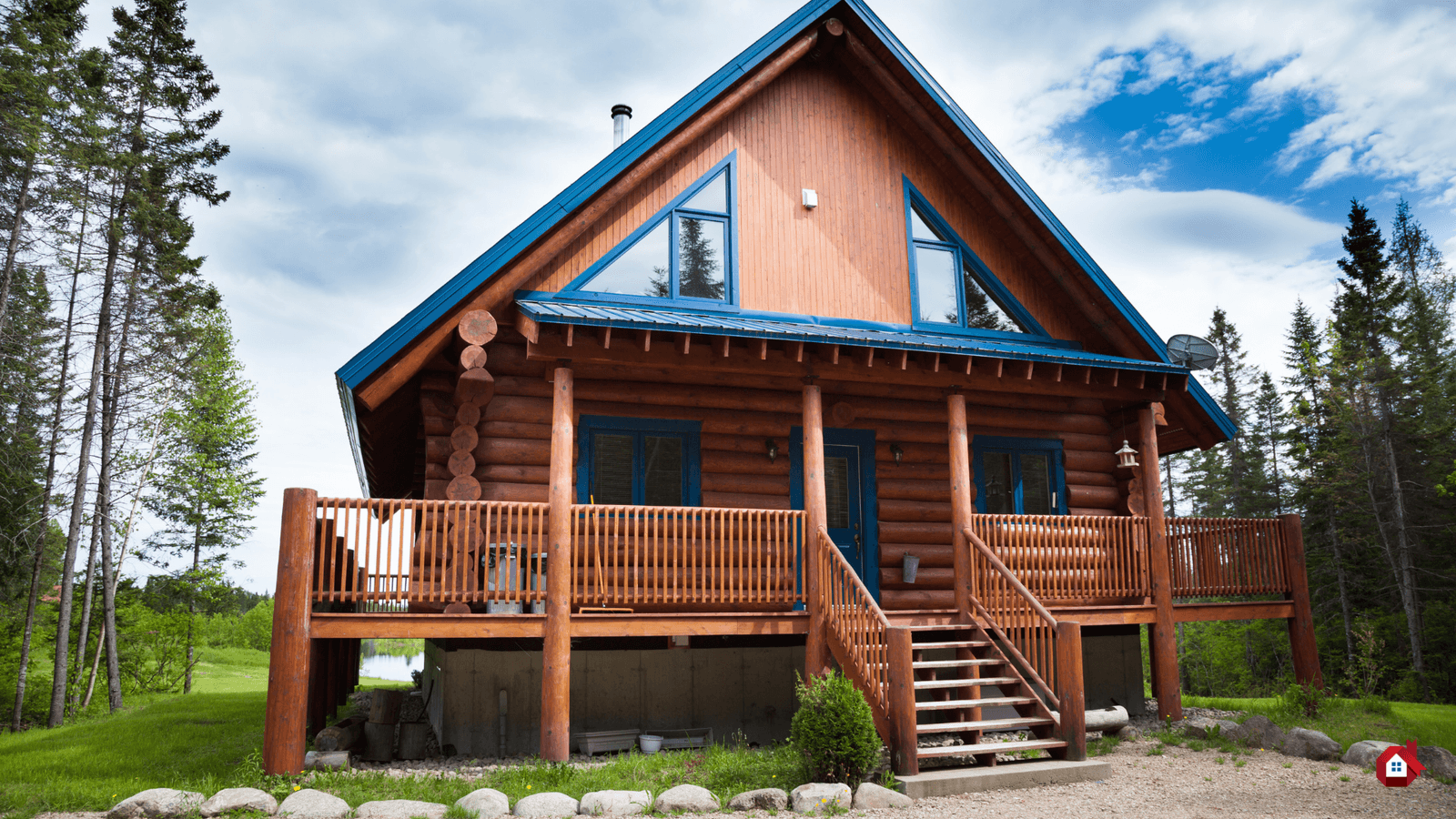
Insulating a log cabin or house comes with its fair share of challenges, such as:
Wood movement: Wood is a living material that expands and shrinks on account of humidity and temperature variations, which can cause cracks and gaps to form between the wood logs. Therefore, using flexible and durable materials capable of moulding according to the structural shifts is crucial.
Airtight: Essential for preventing heat loss and humidity from building up inside log homes. Gap fillers, such as log home sealants (chinking) and round backer rods can help seal gaps between the logs and improve air tightness.
Building code conformity: Complying with building code requirements and ensuring the insulation meets current standards is paramount.
Insulation material selection: There’s an array of insulation materials available. As such, it’s important to choose one that best suits regional weather conditions and the house’s design.
On top of the challenges listed above, it’s also important to consider the aesthetic side of insulation during the house-building process.
Insulating Log Cabins or Houses: Guaranteed Comfort and Durability
Insulating a log house requires particular attention to detail and the right material selection. By adhering to the methods and tips outlined in this article, you can achieve optimal thermal comfort and significant energy savings. Furthermore, adequate insulation also contributes to the sustainability of your house, protecting it against harsh weather patterns and temperature variations. Investing in efficient insulation is a key step to ensuring comfort in your log cabin or summer house, as well as its structural durability.
Looking for something else?
Related articles
The latest industry news, interviews, technologies, and resources.
Amanda Harvey
•08 Nov 2023
Whether you're looking to enjoy a comfortable room temperature during the summer or winter, insulation is of paramount importance. To be comfortable in your own home throughout the year, it is imperative that you take advantage of adequate insulation and to know, first of all, how to identify the signs indicating a problem.
Editorial Team
•14 Nov 2024
There's no way around it, keeping your house hot through harsh Canadian winters can be expensive! As a homeowner, it is important to know the most cost-effective and efficient ways to keep the air of your home comfortable without breaking the bank.
Cynthia Pigeon
•08 Nov 2023
In the previous article, we covered soffits (How to Install a Soffit from A-Z). However, little emphasis was placed on another element that acts hand in hand with soffits in order to protect your roof.
Editorial Team
•02 Mar 2026
When choosing a front door, one usually considers five essential factors: security, insulation, aesthetics, maintenance, and budget. However, there’s another factor that often takes precedence — lighting. And for that reason alone, more and more homeowners thinking of installing windows and doors Toronto and other parts of Canada are opting for glass-panelled front doors.
Cynthia Pigeon
•10 Sep 2026
The cost of kitchen cabinet refacing in Canada in 2026 generally ranges from $2,500 to $8,500, including installation, for an average-sized kitchen. This option can save homeowners approximately 30% to 50% compared to a full cabinet replacement, while still giving the kitchen a fresh, modern look. The final price depends mainly on the material selected, the number of cabinet doors and drawers, the condition of the existing cabinet boxes, and the complexity of the hardware and installation.