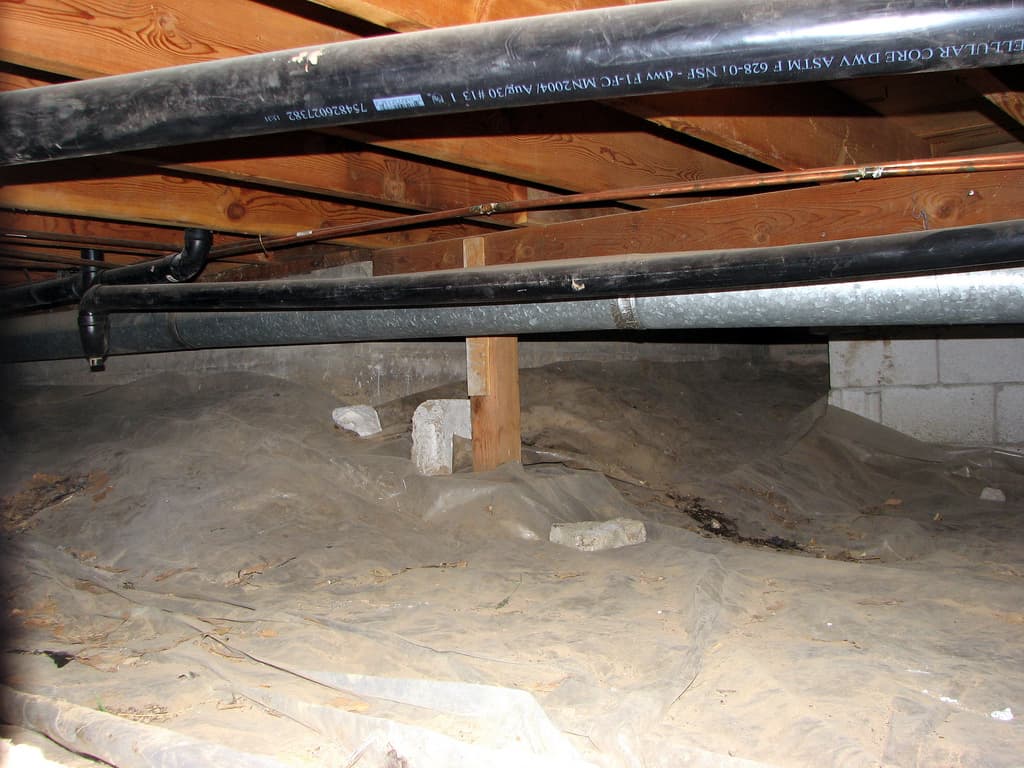
Have you noticed the presence of traces of humidity in your crawl space? You're right to wince because a buildup of moisture is never good news.
Now, turn that frown upside down, because several solutions are available for you to remedy this situation. Without further ado, here they are!
Crawl Space Moisture Problem: 4 Quick Fixes
What causes moisture build-up?
It’s likely you’ve heard of the ventilation problems inherent to crawl spaces, one of the main reasons why the construction of this type of space under the house has become less and less popular. This is due to the fact that a large number of crawl spaces don’t have adequate ventilation. As a result, the moisture, which escapes from the ground in the form of water vapour and condenses, cannot be removed.
In addition, let's not forget to point out that a crawl space doesn’t offer as tight protection against water infiltration as a concrete foundation. Therefore, the risks involved are likely to be more pressing and difficult to remedy, thus contributing to an increase in the humidity level inside the crawl space.
What should you do with damp or mouldy materials?
If certain materials show signs of mould or feel damp, whenever possible, it’s recommended that you get rid of them. Obviously, it’ll be difficult to do this for the frame of your home. If the materials can be saved, remove all traces of mould from the wood, as there are several products on the market intended for this purpose. Be aware that the majority of the products available are over-the-counter and very easy to use. Just apply it to the surface of the wood, let it dry and wipe the surface with a damp cloth.
If the materials have rotted and cannot be recovered, call on the expertise of a professional to find out the steps to take to replace them, as well as more information on the costs associated with the work required to do so.
1- Install a vapour barrier
The first step in solving this annoying problem is to lay a polyethylene film on the floor, which will be able to contain any moisture that is emanating from the floor. For this installation to be effective, ensure that the vapour barrier rises to the base of the foundation. Then, make sure to seal each joint with adhesive tape suitable for attaching a vapour barrier (Tuck Tape or other similar tapes).
Another note is to make sure that any pipes passing through the crawl space aren’t leaking. Otherwise, water could collect here and there on the surface of the polyethylene and cause mould growth. Since its effectiveness as an insulation material is well established, a polyethylene vapour barrier will prevent your crawl space and all the involved materials from deteriorating as a result of moisture build-up.

Photo: Flickr
2- Insulate the foundation and the rim joist
In the event that the vapour barrier on its own isn’t sufficient to remedy this humidity problem in your crawl space, we’d recommend hiring a contractor to insulate your foundation walls. The application of sprayed urethane foam in the walls as well as in the rim joist (referring to the wooden element that surrounds the exterior surface of your floor) is recommended. For foundation walls, the layer thickness should be 2 inches, while a 3-inch thickness is required for the rim joist.
To carry out this insulation process, it’s recommended that you have 2 x 4 boards installed on each of the vapour barrier edges so that the barrier is able to rest on the board. Then, secure the vapour barrier to the wood. When the spray urethane foam is applied to the walls, it’ll also cover the 2x4 edging, thus sealing the space between the plank and the wall.
3- Insulate the floor
In cases where the vapour barrier installation and the measures previously mentioned aren’t sufficient to solve your humidity problem, note that insulating the floor is a good alternative. As explained by Écohabitation, the recommended step is to install a vapour barrier on the surface of the floor directly above the crawl space (this isn’t necessary if your floor is made of an impermeable material).
Next, you’ll need to install batt insulation between each of the joists and ensure that it remains in place using mesh or similar support. If you choose this method, be sure to insulate your water lines. As these no longer receive heat from the upper floor, it’s possible that they’ll freeze.

Photo: Flickr
4- Install a bathroom fan
Another solution to try is installing a bathroom fan in the crawl space, to be used throughout the year except in summer. The purpose of this fan is to control humidity and dry out the space, and to do so it’ll need to run for 20 minutes each hour. As a result, a programmable fan is essential.
Using a crawl space as a storage area
If you want to take advantage of the space offered by your crawl space to store various objects, know that it’s possible to pour a concrete slab. To do this, you need to lay styrofoam panels directly on your polyethylene vapour barrier. Then, all you have to do is pour the concrete, smooth it out and wait for the surface to dry.
Are you looking for information about the price of a crawl space excavation? Read our article on this subject!
Get 3 quotes for your crawl space renovation project
RenoQuotes.com can help you get quotes for your crawl space renovation project. If you submit your project, we’ll put you in contact with the best-qualified contractors in our network. Fill out the form on the homepage (it only takes a few minutes), and you will receive quotes from home renovation and insulation specialists.
Dial 1-844 828-1588 to speak with one of our customer service representatives.
Looking for something else?
Related articles
The latest industry news, interviews, technologies, and resources.
Editorial Team
•06 Dec 2025
In order for a renovation project to go well, it is essential to attach great importance to the planning stage. If many of us agree with that statement, what exactly is the specific task at hand?
Editorial Team
•27 Jan 2026
Have you thought about adding a dedicated space to store garden tools, outdoor equipment, or all those extra items that clutter your home? Maybe you’re dreaming of a backyard playroom, craft area, or hobby space for your kids. A garden shed can be a practical and cost-effective solution, giving you extra space while enhancing the functionality and appeal of your outdoor area.
Editorial Team
•13 Sep 2024
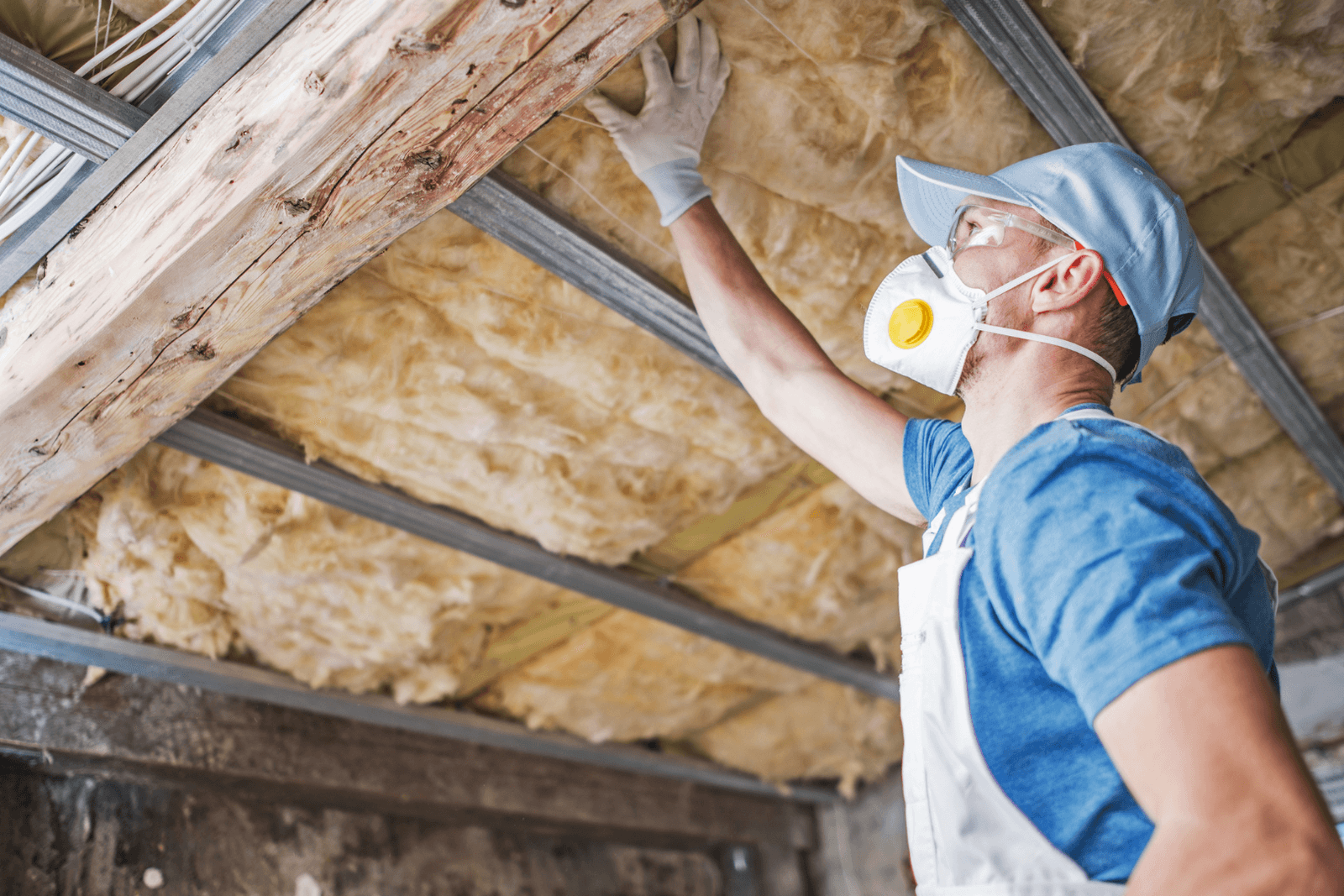
Poorly insulated walls alone can account for up to 25% of heat loss in a house. Consequently, it's essential to insulate the walls of your home to ensure an overall higher comfort level, while simultaneously saving energy. Insulating a wall from the inside is an effective technique for limiting temperature variations in a home and ensuring the well-being of its inhabitants. In the following article, we'll delve into everything you need to know about this technique, from its advantages to the materials and options available, as well as tips on how to make the best of it.
Cynthia Pigeon
•08 Nov 2023
Progress, innovation, and environmentally friendly concepts are all part of the current culture in various industries, and the real estate industry is no different. When it comes to architecture, the possibilities are now only limited by your imagination.
Cynthia Pigeon
•08 Nov 2023
Whether to revitalize your home or prevent heat loss, it may be tempting to replace your windows.