Insulation Standards Across Canada: Minimum R-Values for Your Home
By Editorial Team
Updated on March 20, 2026
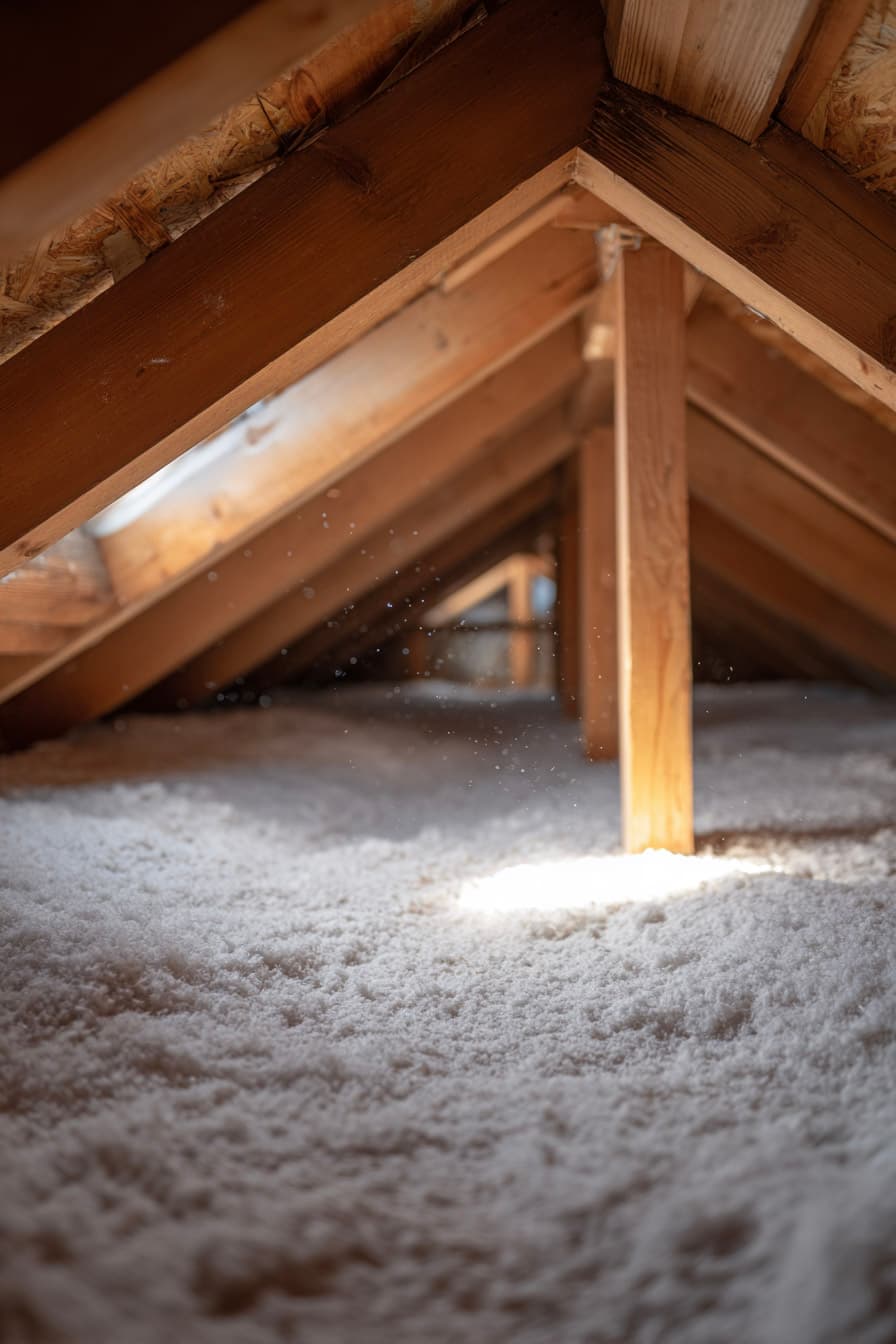
Understanding insulation standards is essential for Canadian homeowners, builders, and renovators. Canada spans a wide range of climates, from temperate coastal regions to frigid northern territories, which means insulation requirements vary significantly depending on where you live. Whether you’re upgrading your attic, exterior walls, or basement, knowing the minimum insulation R-value in Canada helps ensure your home remains comfortable, energy-efficient, and code compliant.
This guide outlines the typical minimum R-values for attics, walls, and foundation/basement walls across provinces and territories—and explains what these numbers mean in practical terms.
Get Your Project Started Today
Submit your details and receive three free quotes from trusted contractors.
Key Areas of Insulation: Attics, Walls, and Basements
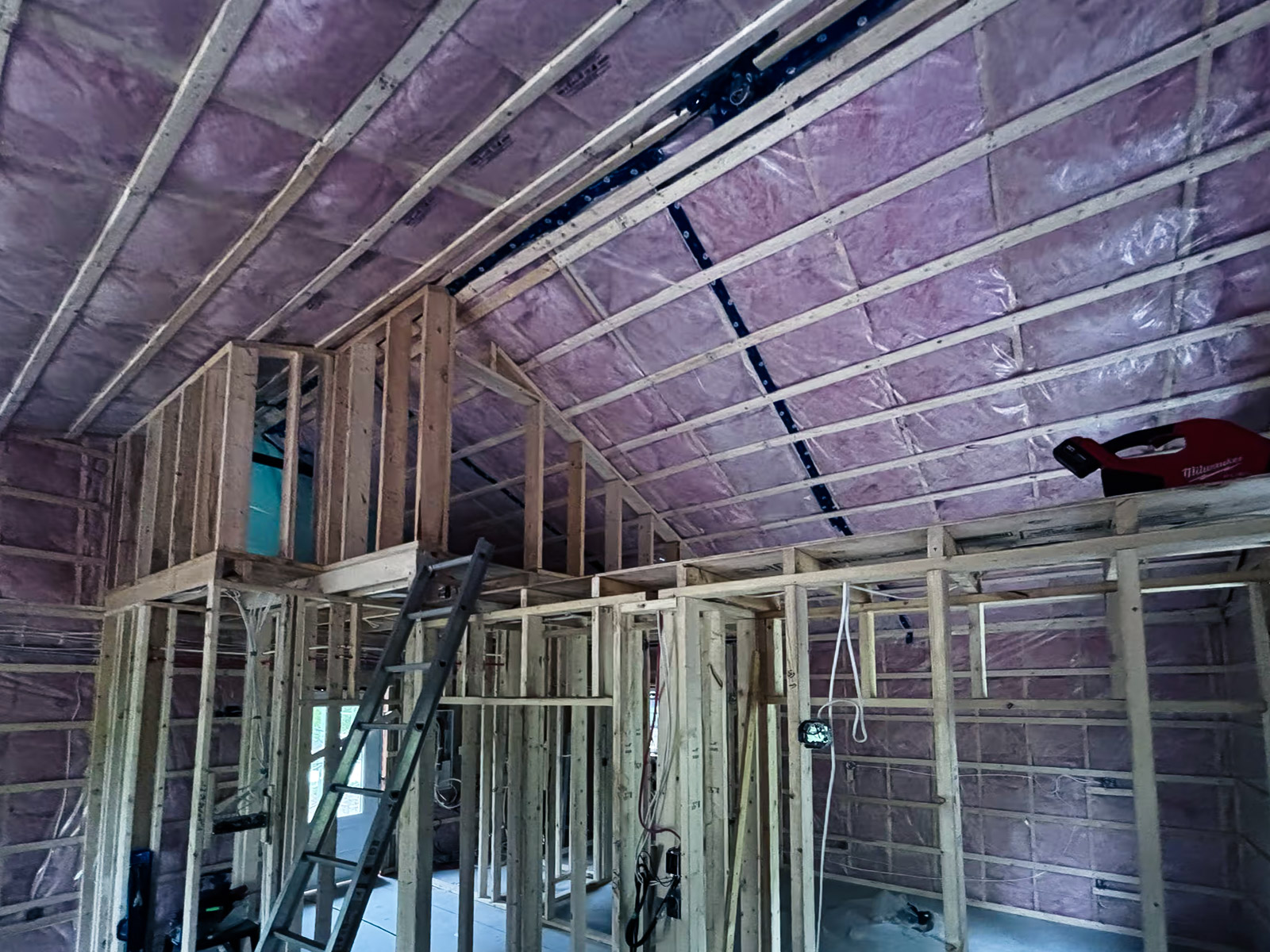
Source : Menuiserie Signature DM
Below are the typical minimum effective R-values used for new construction. These values reflect the climate zones adopted by each province or territory.
Province / Territory | Attic / Ceiling R-Value | Exterior Wall R-Value | Basement / Foundation Wall R-Value |
British Columbia | R-50 to R-60 | R-22 to R-24 | R-20+ |
Alberta | R-60 | R-22 | R-20+ |
Saskatchewan | R-60 | R-22 | R-20+ |
Manitoba | R-60 | R-22 | R-20+ |
Ontario | R-50 to R-60 | R-22 to R-24 | R-20 to R-28 |
Quebec | R-50 | R-22 to R-24 | R-20 to R-28 |
New Brunswick, Nova Scotia, PEI, Nfld | R-49 to R-60 | R-20 to R-24 | R-20 to R-28 |
Yukon, NWT, Nunavut | R-60+ | R-22 to R-28 | R-20 to R-30 |
What These Numbers Mean
R-value is a standardized measure of how well insulation resists heat flow—the higher the R-value, the better the material insulates. This number is crucial because it translates directly into energy efficiency, comfort, and cost savings for Canadian homeowners. In practical terms, a higher R-value means your home will lose less heat in winter and stay cooler in summer, reducing the workload on your heating and cooling systems.
Think of R-value like the thickness of a winter jacket: the thicker the coat, the better it keeps you warm. Similarly, higher R-values in your attic, walls, and basement act as protective layers, helping your home maintain a comfortable temperature even during Canada’s harshest weather.
In Canada, insulation is labeled with both imperial (R-value) and metric (RSI) units. To convert between them, divide the R-value by 5.68 to get the RSI value. This distinction is helpful when comparing products or reading building codes.
The table shows the minimum R-values for attics, exterior walls, and basement/foundation walls across Canada. These numbers are based on climate zones: colder regions require higher insulation to prevent heat loss, while milder regions can meet code with lower values.
Attics: Require the highest R-values because heat rises. For example, northern territories need R-59+, while southern British Columbia requires R-40 to R-49.
Walls: Vary less than attics but increase in colder areas to maintain comfort. Quebec and Ontario, for instance, use up to R-24.5, compared with R-16 to R-22 in coastal BC.
Basements / foundation walls: Typically lower minimums (R-17 to R-22), but still essential to reduce heat loss and prevent moisture problems.
These are minimum code values, and many builders recommend exceeding them. For example, Alberta’s attic minimum is R-49, but upgrading to R-60 can improve comfort and reduce energy costs. By choosing higher R-values, you further enhance your home’s ability to retain heat, reduce drafts, and lower energy bills—benefits that are especially valuable in regions with long, cold winters.
Why R-values Differ Across Canada
R-values vary across Canada because insulation needs are driven by local climate conditions, not political boundaries. Colder regions require higher R-values to retain heat, while milder areas can meet comfort and code requirements with lower values.
Attics: Regions with long, cold winters need higher ceiling R-values because most heat rises and can escape through the roof if not properly insulated.
Exterior walls: Colder climates require thicker wall insulation to reduce heat loss, while warmer regions can meet efficiency standards with lower R-values.
Basement / foundation walls: In northern or wetter regions, higher R-values help prevent heat transfer to the soil and protect against frost or moisture issues, whereas milder areas need less.
In short, the variation in R-values across Canada reflects differences in climate, winter severity, and moisture conditions. Always check local building codes, as provinces and municipalities can require higher levels than the national minimum.
Interpreting R-Value Charts
R-value charts are a practical tool for homeowners and contractors to make informed insulation decisions in Canada’s diverse climates. They visually summarize the recommended minimum R-values for attics, walls, and foundations by region, helping you quickly identify the levels needed to meet local building codes and optimize comfort.
To use an R-value chart effectively:
Locate your province or territory: Charts are typically organized by region or climate zone. Find where your home is located to see the recommended R-values for that area.
Identify the type of insulation: Look for separate columns or rows for attics, walls, and basement/foundation walls, as each area has different insulation requirements.
Compare to your current insulation: Check your existing insulation against the recommended R-values. For example, if your attic is currently R-30 but the chart recommends R-49 for your region, it may indicate an upgrade is needed.
Understand minimum vs. recommended: Charts show the minimum code requirements. Exceeding these values can improve energy efficiency, comfort, and long-term savings.
Practical Strategies for Improving Home Insulation
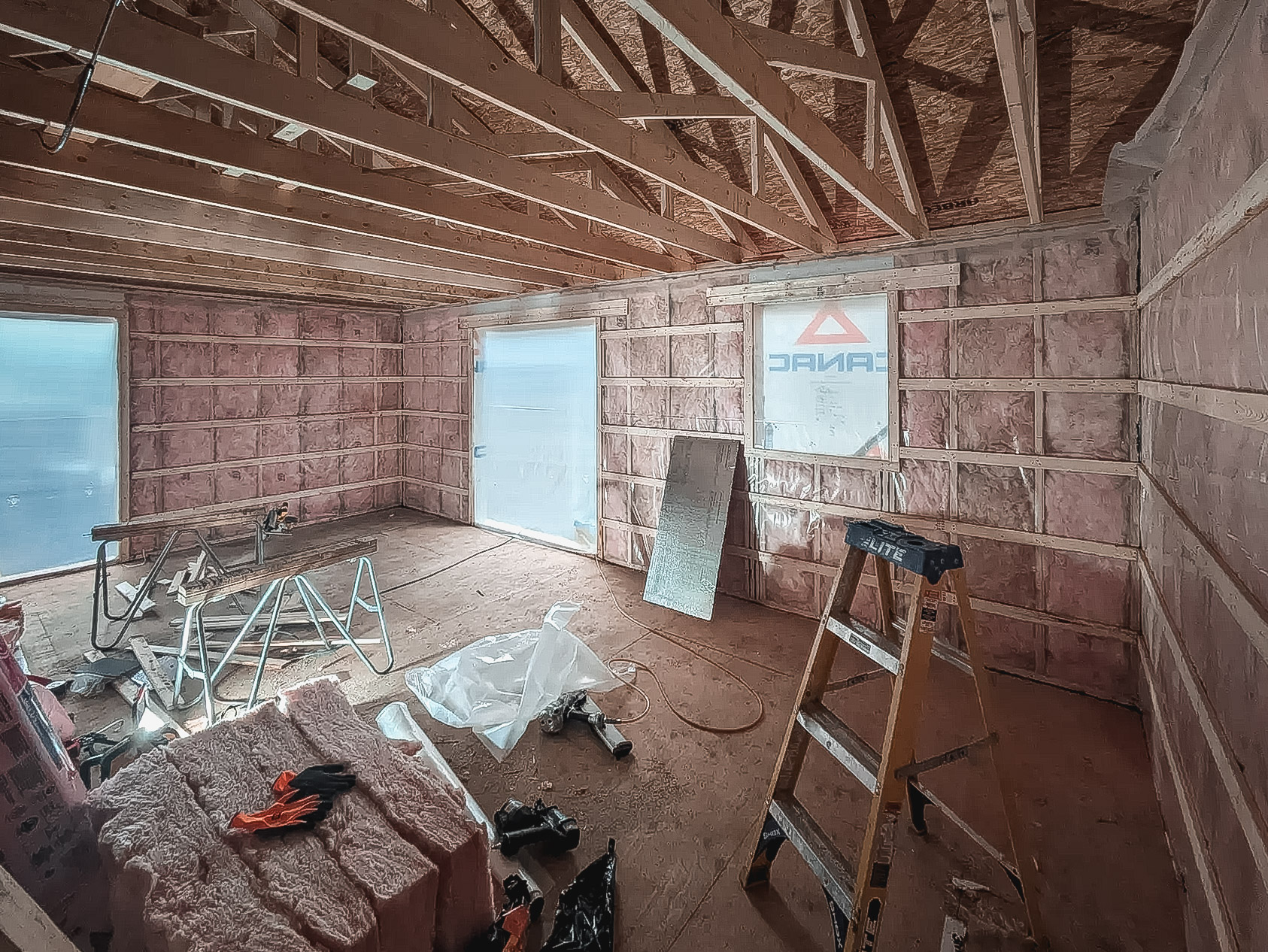
Source : Conception St-Jean
Upgrading your home’s insulation is one of the most effective ways to boost comfort and reduce energy bills, especially in Canada’s challenging climate. Here are three practical steps every homeowner can consider:
Top up attic insulation: Heat escapes fastest through the attic. If your existing insulation is below recommended levels (for most regions, less than R-50 to R-60), adding more insulation is a quick win. Use materials like blown-in cellulose or fiberglass for even coverage and improved performance.
Seal and insulate rim joists: Rim joists—the areas along the edges of your basement or crawl space—are often overlooked but can be major sources of drafts and heat loss. Sealing gaps and adding insulation (such as rigid foam or spray foam) helps prevent cold air infiltration and moisture issues.
Add insulation to basements or crawl spaces: Uninsulated or under-insulated basement and crawl space walls can lead to significant heat loss. Installing rigid foam boards, mineral wool, or spray foam along these walls increases thermal resistance and helps keep your home warmer and drier.
Seal air leaks: Even high R-value insulation can underperform if air leaks are present. Gaps and cracks around windows, doors, attic hatches, rim joists, and electrical outlets allow warm air to escape and cold air to enter. Sealing these areas with caulking, weatherstripping, or spray foam reduces drafts and heat loss, allowing your insulation to work as intended.
Add air and vapor barriers: In Canadian homes, air barriers (such as house wrap or sealed drywall) stop uncontrolled airflow through walls and ceilings, while vapor barriers (usually a polyethylene sheet installed on the warm side of insulation) prevent indoor moisture from moving into colder wall assemblies. Proper installation of both barriers helps prevent condensation, mold, and structural damage, while also boosting insulation effectiveness.
Use spray foam for combined benefits: Closed-cell spray foam insulation stands out because it provides high R-value, seals air leaks, and acts as a vapor barrier when applied at the right thickness. This makes it ideal for areas like rim joists, crawl spaces, and other spots where traditional insulation might not fully prevent air or moisture movement.
Looking for something else?
Related articles
The latest industry news, interviews, technologies, and resources.

Amanda Harvey
•08 Nov 2023
When building a new home, air barriers are not always part of the equation. However, air barriers are crucial structures that assist in aiding with energy efficiency as well as maintaining a comfortable and cozy home environment.
Editorial Team
•11 May 2026
Insulating a log house is a key step to guaranteeing year-round thermal comfort. Not only does it contribute to maintaining a comfortable indoor temperature, but it also aids in cutting energy costs significantly. This article will cover insulation methods suited to log houses or cabins, as well as the best insulation materials, the notion of R-value, and the specific challenges associated with this type of construction.

Editorial Team
•07 Oct 2026
Is your home becoming too small, but you don’t want to move? Adding a room, expanding the kitchen, or building an additional storey can help you gain space while adapting your property to your needs.
Karine Dutemple
•08 Nov 2023
Do you have lots of energy to spare and are thinking about buying a house to flip it? Take a look at these few examples of flips to find ideas for this large-scale project!
Editorial Team
•04 Jun 2025
Waterproofing your foundation is paramount to preserve the integrity of the concrete, prevent basement water leaks, and reduce humidity levels. Doing so is deemed essential to prevent water and moisture found in the soil from seeping into the basement of your home, thus preventing material deterioration and health-hazardous mould growth. Also, foundation waterproofing is a way of controlling the moisture level in your basement and home as a whole, which will in turn reduce your heating and air conditioning bills.