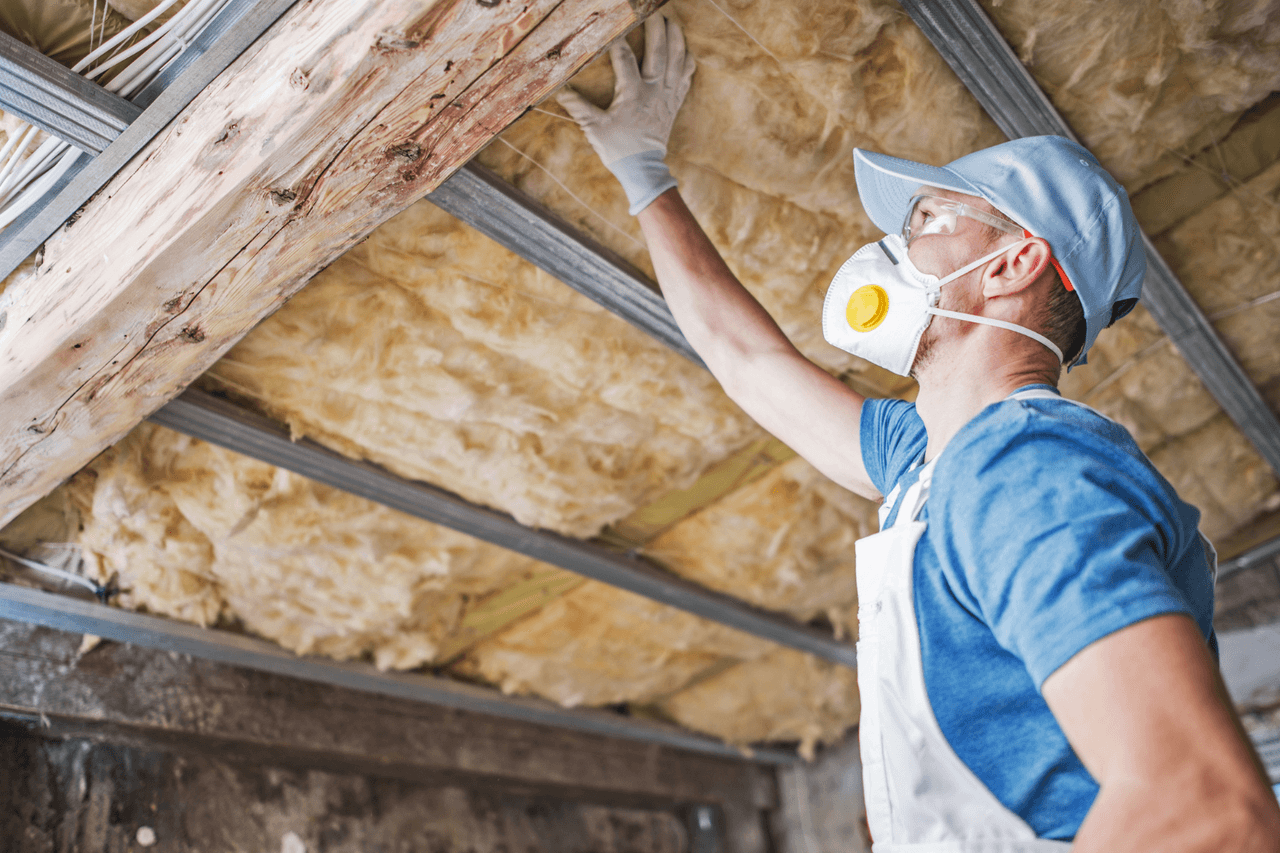
Poorly insulated walls alone can account for up to 25% of heat loss in a house. Consequently, it's essential to insulate the walls of your home to ensure an overall higher comfort level, while simultaneously saving energy. Insulating a wall from the inside is an effective technique for limiting temperature variations in a home and ensuring the well-being of its inhabitants. In the following article, we'll delve into everything you need to know about this technique, from its advantages to the materials and options available, as well as tips on how to make the best of it.
What’s the Reason Behind Wall Insulation?
Source: Canva
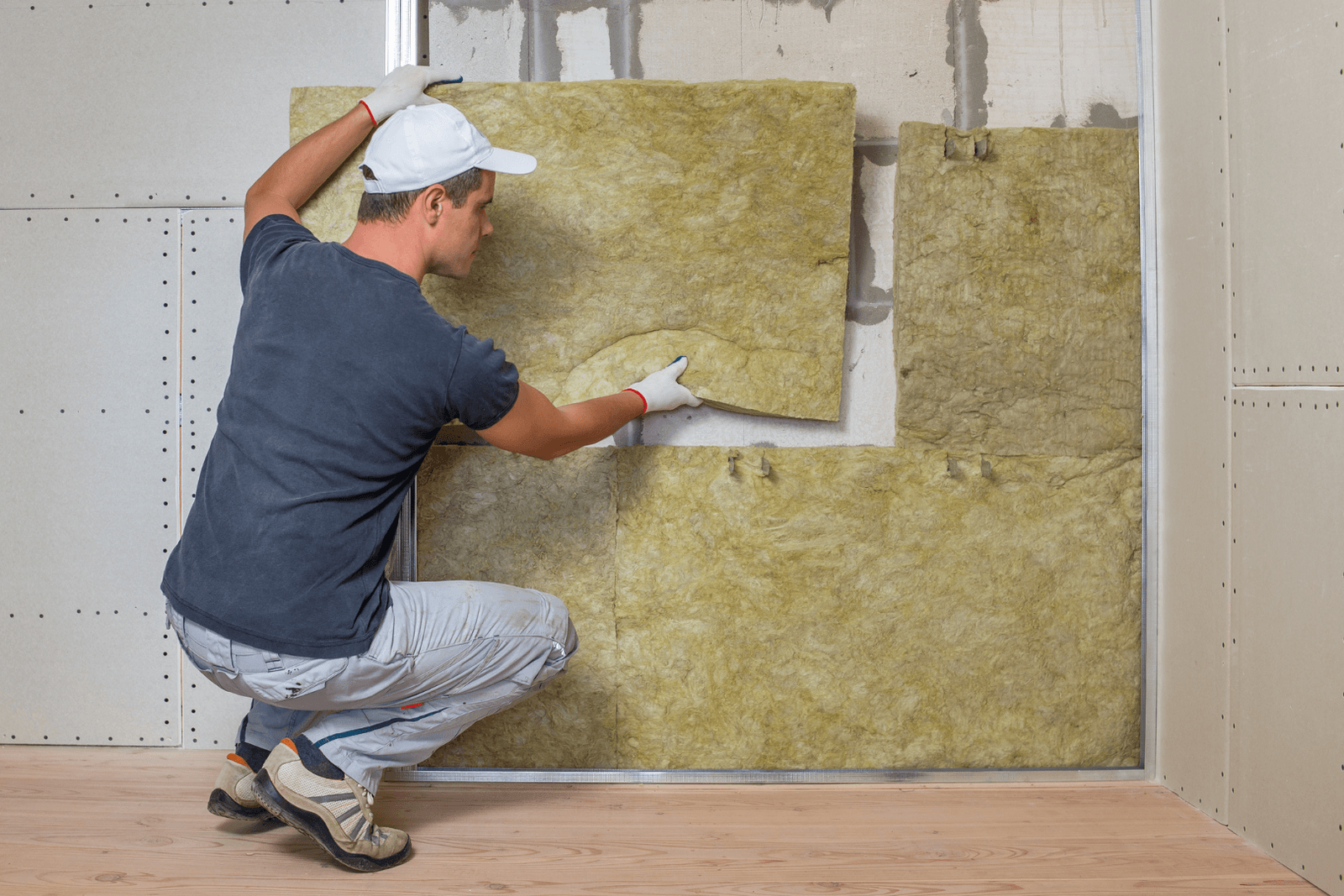
Wall insulation minimizes heat loss between the interior and exterior of the house. By doing so, the household's energy costs are reduced resulting in lower utility bills and less pollution from heating. Well-insulated interior walls shield your home from the heat in the summer and cold in the winter; it keeps the heat in during cold spells and keeps it cool during hot spells. Interior wall insulation is merely a matter of installing insulation panels on the inside of the structure's walls. It's easy to install and affordable. Installing insulation also helps with soundproofing the house by limiting noise pollution from outside. Note that to insulate the walls of a house, apart from insulating the walls from the inside, there's also the technique of insulating walls from the outside.
When should you insulate a wall from the inside?
Nowadays, insulating walls from the inside is very often done when building low-consumption, low-budget buildings. In these, structural thermal bridges are treated with thermal bridge breakers. They ensure the continuity of the building's thermal insulation.
While proceeding with a renovation project, insulating walls from the inside is preferred as it offers an excellent cost-quality ratio and easy installation. This insulation technique is particularly recommended in the following cases:
When the home’s facade is still new and in good condition;
When the home’s exterior siding has a pleasing aesthetic don’t want to give up (brick, plaster, exposed stone walls, etc.);
When the building's architecture features certain characteristics that limit the benefits of exterior insulation (decks, recessed facades, glass walls, balconies, etc.);
When the building doesn’t need refacing.
Which insulation to choose from?
Source: Canva
In Quebec, there are various products designed to insulate the walls of a home from the inside. However, insulation shouldn’t be chosen at random. You really need to take into account a variety of features, such as thermal resistance, thermal conductivity, water behaviour, product compatibility with the wall to be insulated, etc. Furthermore, it’s important to choose high-performance insulation that’s not super thick so that you’re not giving up to much living space. Among the main available insulation, there are:
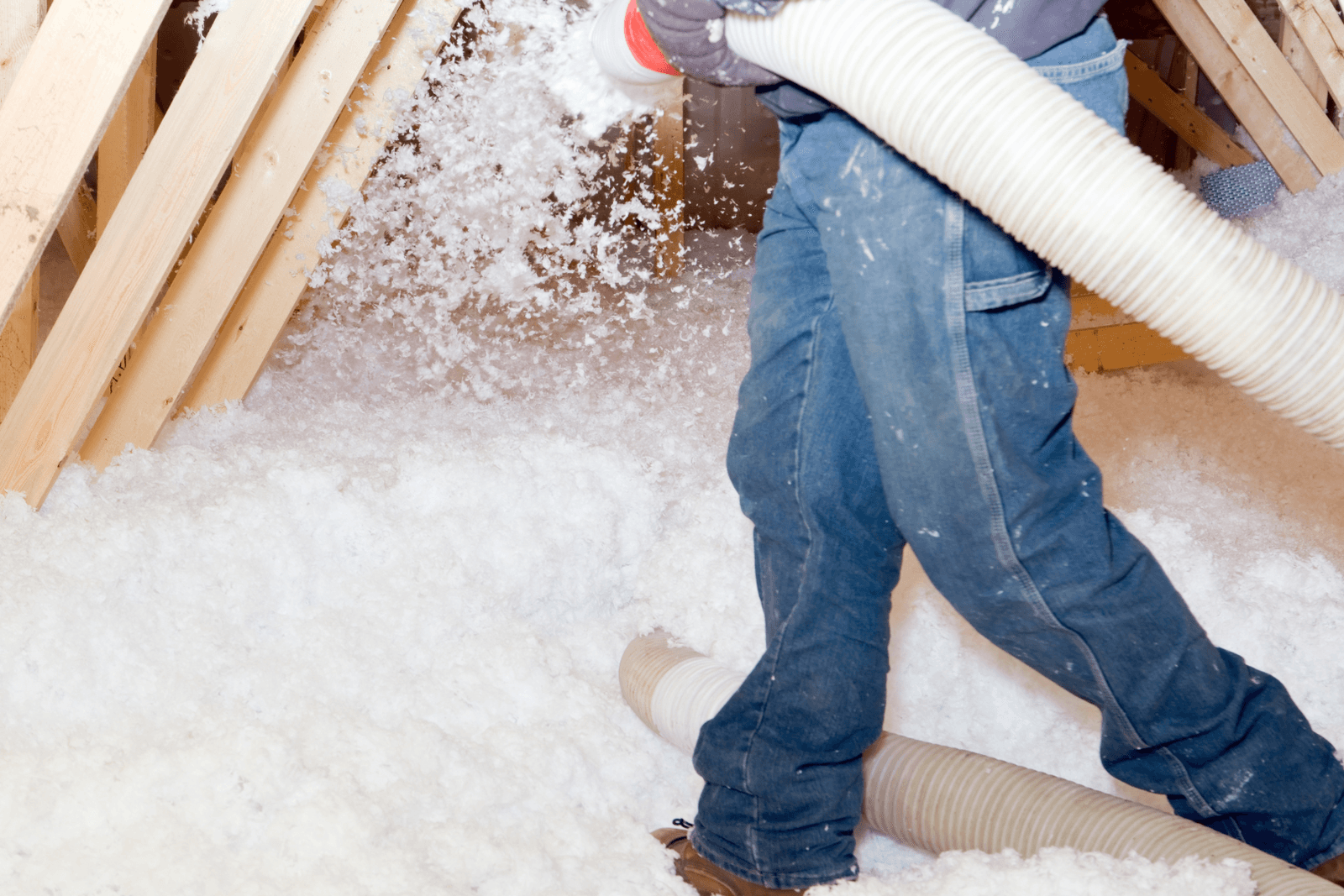
Mineral insulation, like rockwool or glass wool, is most often used due to its high soundproofing and thermal performance. It’s available in either panel form or spray-on flakes.
Synthetic insulation, like polyurethane, expanded or extruded polystyrene boards. These are highly insulating, however, are flammable and not incredibly eco-friendly.
Natural insulation, like wood fibre, cellulose wadding, hemp, or cotton wool, has interesting performance features but is very expensive. In addition, we also have natural insulators that are more or less effective, such as sheep's wool, flax fibre, lavender straw, coconut fibre, etc.
Techniques Used to Insulate Walls From the Inside
Walls can be insulated from the inside using different methods: metal framed walls, glued-on panels lining the walls, and partition stud wall insulation.
Insulating metal or wood-framed walls
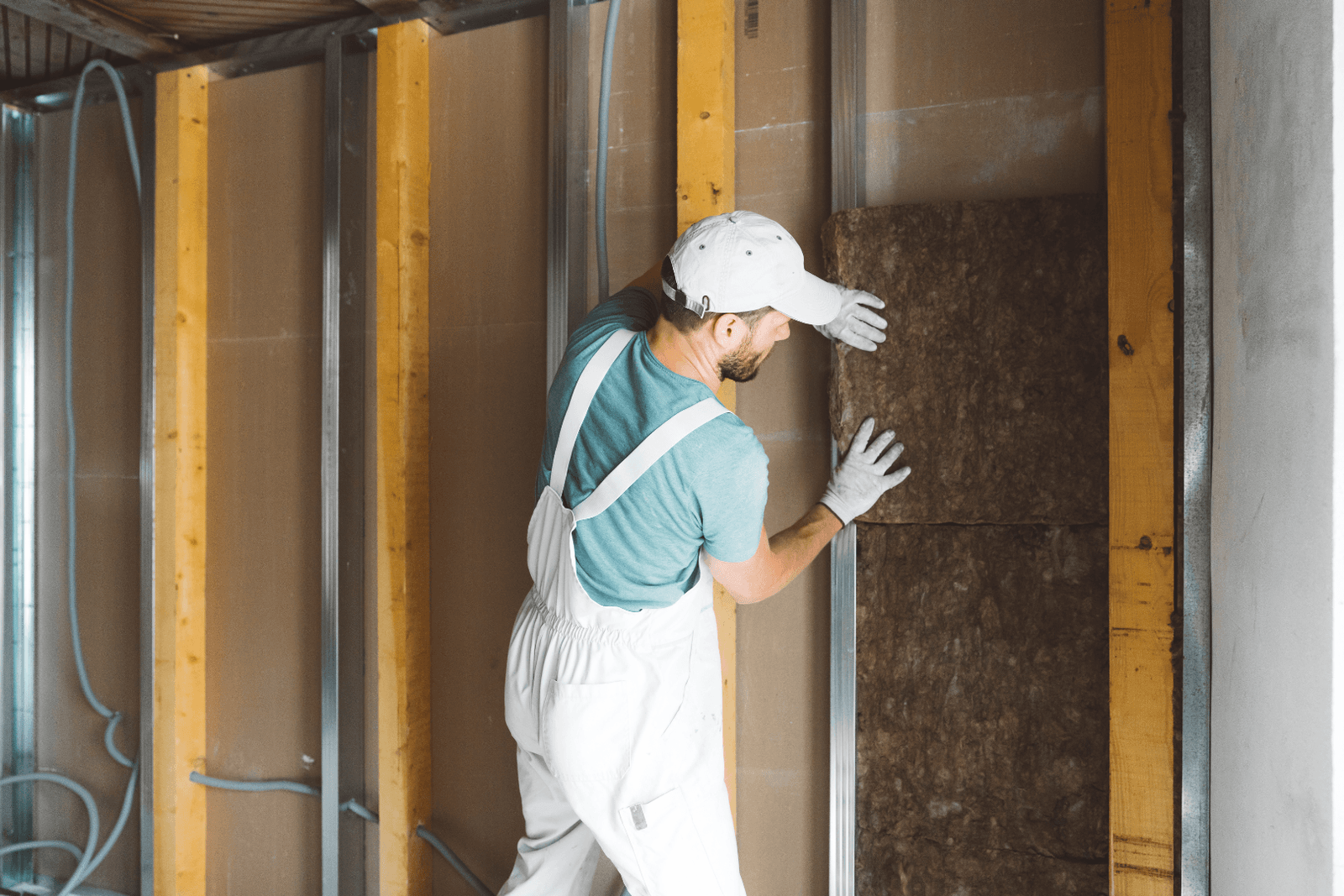
This method is used when the walls have irregularities, or when they can't support the weight of the insulation. This method is ideal when insulating walls from the inside, as it can be adapted to all walls, whether they're new or being renovated. Also, under-frame insulation means that several forms of thermal insulation can be installed (blown-in or loose-fill insulation, semi-rigid boards and rolls). Mineral wool insulation (glass and rockwool) is generally used because of its excellent thermal and soundproofing performance. Bio-based insulators can also be used (cellulose wadding, wood fibre, hemp wool, etc.).
Glued-on wall panelling
Glued-on wall insulation is generally used for perfectly flat and regular walls. It's also widely used in brand-new houses. With this method, the insulation is easily and quickly installed. It involves a set of rigid or semi-rigid panels that are glued directly to the wall using an adhesive mortar. The lining panels are made of a solid insulating board and plasterboard (facing). The most commonly used insulation materials for glued-on wall lining are, amongst others, polyurethane foam, expanded polystyrene, glass wool, and rockwool. When choosing the right insulation material, make sure that the kit includes all the necessary elements (insulation, vapour barrier, and finish), and make sure to choose a material that's compatible with the existing wall finish. We suggest consulting with a professional who can guide you in choosing the best insulation for your needs.
Partition stud wall insulation
While it's not as widely used as other interior wall insulation techniques, it proves to be just as effective in limiting heat loss in a home. Partition stud wall insulation means installing loose-fill or board insulation against the existing wall and then erecting a wall in front of it to enclose the insulation. The wall is usually about 5 cm thick and is made of drywall or plaster brick. This technique is more expensive than other types of lining since it requires extensive work. However, it helps to fill in a wall with irregularities and allows inertia inside the house.
Are you looking for experts to insulate the walls of your home from the inside?
Fill in this form to be connected with top-rated contractors!
How to Insulate a Concrete Foundation Wall From the Inside
Source: Canva
To insulate a concrete foundation wall from the inside, experts recommend you use moisture-resistant insulation such as type 3 or 4 rigid polystyrene insulation. Albeit, due to its combustible nature, it means that it’ll require a fireproof barrier to meet fire-resistance ratings. Fibreglass or mineral wool can also be used, as long as such materials are covered with a waterproof membrane.
For an entire structure, overall thermal resistance is usually around R-17. However, there are a number of techniques that can be used to combine materials in order to achieve this level of insulation.
How to Prepare Walls Before Adding Insulation
Prior to insulating a wall from the inside, the wall itself needs to be prepared to receive the insulation. Installing the insulation has to be done on a completely waterproof wall. A damp or humid wall could damage the material over time. You’ll also need to determine and solve any humidity problems prior to installing the new insulation material. To maintain the insulation’s properties, the air barrier can’t have any signs of wear and tear.
Insulating Walls From the Inside: Advantages & Drawbacks
Advantages
On top of increasing thermal performance and lowering heating costs, insulating walls from the inside has many undeniable advantages:
Affordable construction budget;
Quick & easy installation;
Energy savings of up to 25%;
Increases the value of the house in the event of a sale;
Variety of products available;
Eliminates the effects of condensation on the cold walls.
Drawbacks
This type of work involves some downsides that must be taken into account:
Reduces living space;
Must move out while the work is being completed;
Doesn’t completely eliminate thermal bridges;
Requires one to completely redo their home’s electrical plan.
Note: The budget required for insulating a wall from the inside really depends on several factors, such as the surface area to be insulated, the type of insulation selected (bio-based insulation is generally more expensive than mineral wool or petrochemical-based products), the chosen insulation technique, and the workforce needed to install to chosen insulation. Prices may vary from one company to another, so don’t be afraid to shop around and request a few different quotes to make sure you’re paying a fair amount.
Installing wall insulation from the inside requires a certain level of technical know-how. We recommend entrusting your insulation project to an experienced professional who can carry out high-quality and durable results.
Get 3 quotes for your interior wall insulation project
Renoquotes.com can help you get quotes for your interior wall insulation project. By submitting your project, we’ll put you in contact with top-rated contractors. Fill in the form on the homepage (it only takes a few minutes), and you will get estimates from trusted professionals.
Dial 1-844 828-1588 to speak with one of our customer service representatives.
Looking for something else?
Related articles
The latest industry news, interviews, technologies, and resources.
Cynthia Pigeon
•08 Nov 2023
Marble has been praised for years, and not solely for its sleek beauty and stylish appearance. This type of flooring is, bar none, favoured by most.
Cynthia Pigeon
•26 May 2026
Planning interior or exterior painting work requires a clear understanding of labour costs. Whether you are a property manager responsible for rental units, a general contractor coordinating a job site, or a commercial or residential property owner, painting can represent a significant budget item.

Editorial Team
•05 Oct 2024
If your ambition is to work in a trade in Ontario, you will have to pass the Certification of Qualification exam for your chosen trade(s). We compiled a how-to guide to help you prepare for the examination.
Editorial Team
•23 Jul 2025
Given that your kitchen floor is exposed to it all, from dirt, grime, and wear and tear from heavy foot traffic, boiling and oily spills from falling pots and pans, flooring has to be as tough and resilient as they come. Yet, it still has to look good, stylish even, blending seamlessly with the overall decor.

Editorial Team
•08 Nov 2023
There are plenty of reasons why the layout of your home may not feel right for you anymore. Perhaps you’ve outgrown the number of rooms or maybe you’d like to incorporate a home office, a gym or a basement apartment.