Kitchen Bump-Out Extension Cost in Canada in 2026
By Cynthia Pigeon
Updated on April 20, 2026
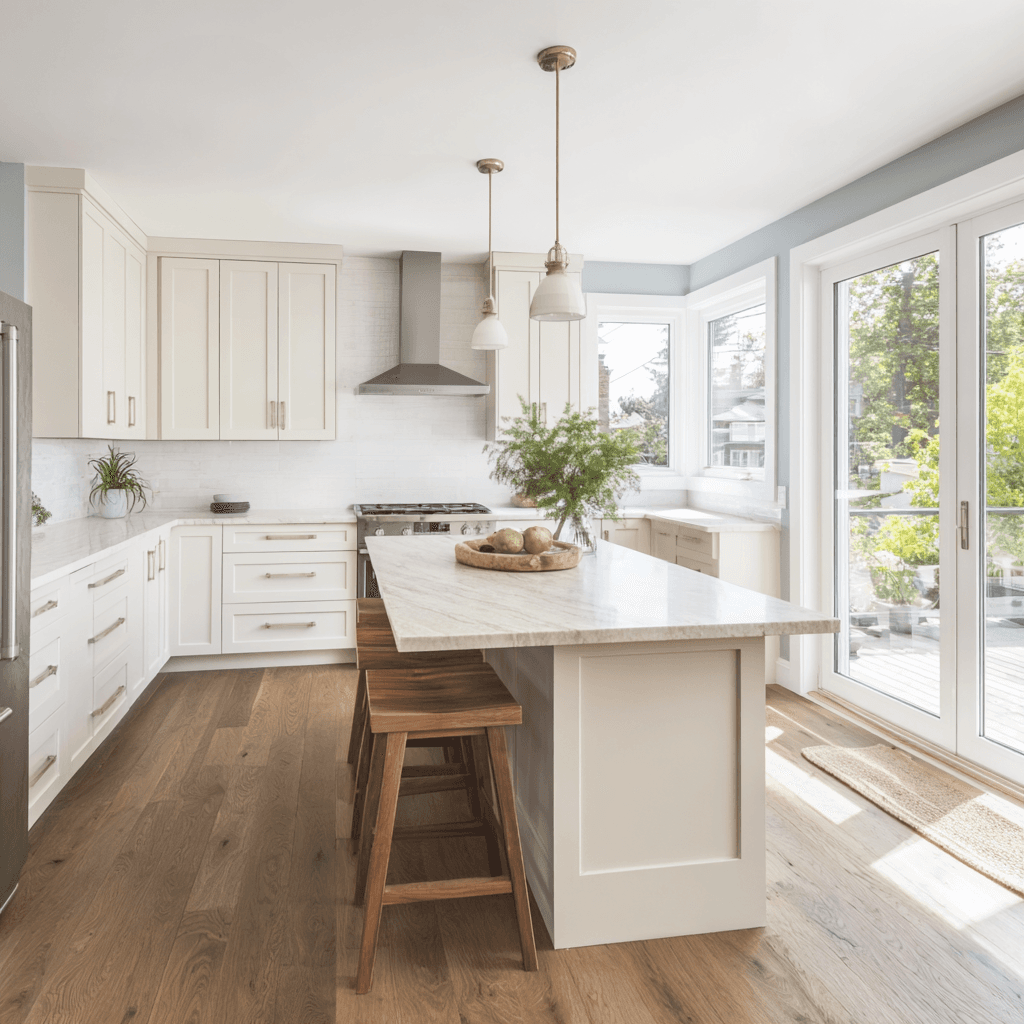
In 2026, across Canada, a typical kitchen bump-out (or micro-extension) often falls between $30,000 and $70,000, depending on structural complexity and region. The cost per square foot generally ranges from $300 to $700, which is higher than for larger extensions due to fixed costs (engineering, mobilization). This estimate includes structure, foundation (often helical piles), high-performance insulation suited to Canadian climates, and interior finishing. While the price per square foot is higher than new construction, compared to a full multi-storey addition (often $150,000+), a micro-extension limits overall budget impact while addressing a specific space constraint.
How Much Does a Kitchen Bump-Out Extension Cost in Canada?
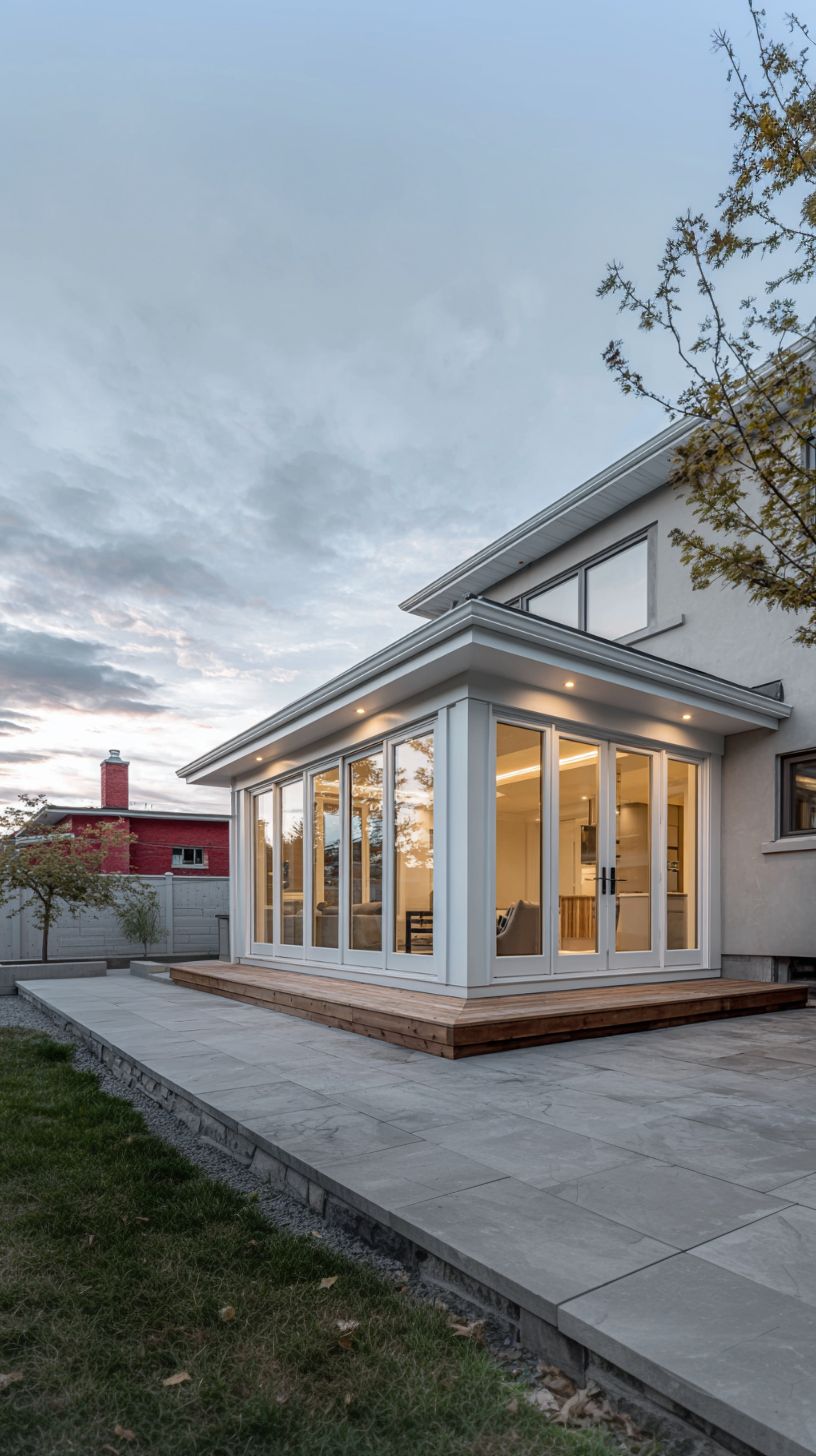
Source: RenoQuotes
Many bungalow and detached home owners face the same issue: a kitchen that’s too narrow to accommodate an island or breakfast nook. A micro-extension (commonly called a bump-out) is an ideal architectural solution to gain those extra square feet without committing to a full-scale addition.
Unlike a traditional extension that often requires new poured concrete foundations and complex roofing, a bump-out literally pushes an exterior wall outward. It’s a precise, targeted project that maximizes living space while minimizing impact on your lot.
Average Cost of a Kitchen Micro-Extension in 2026
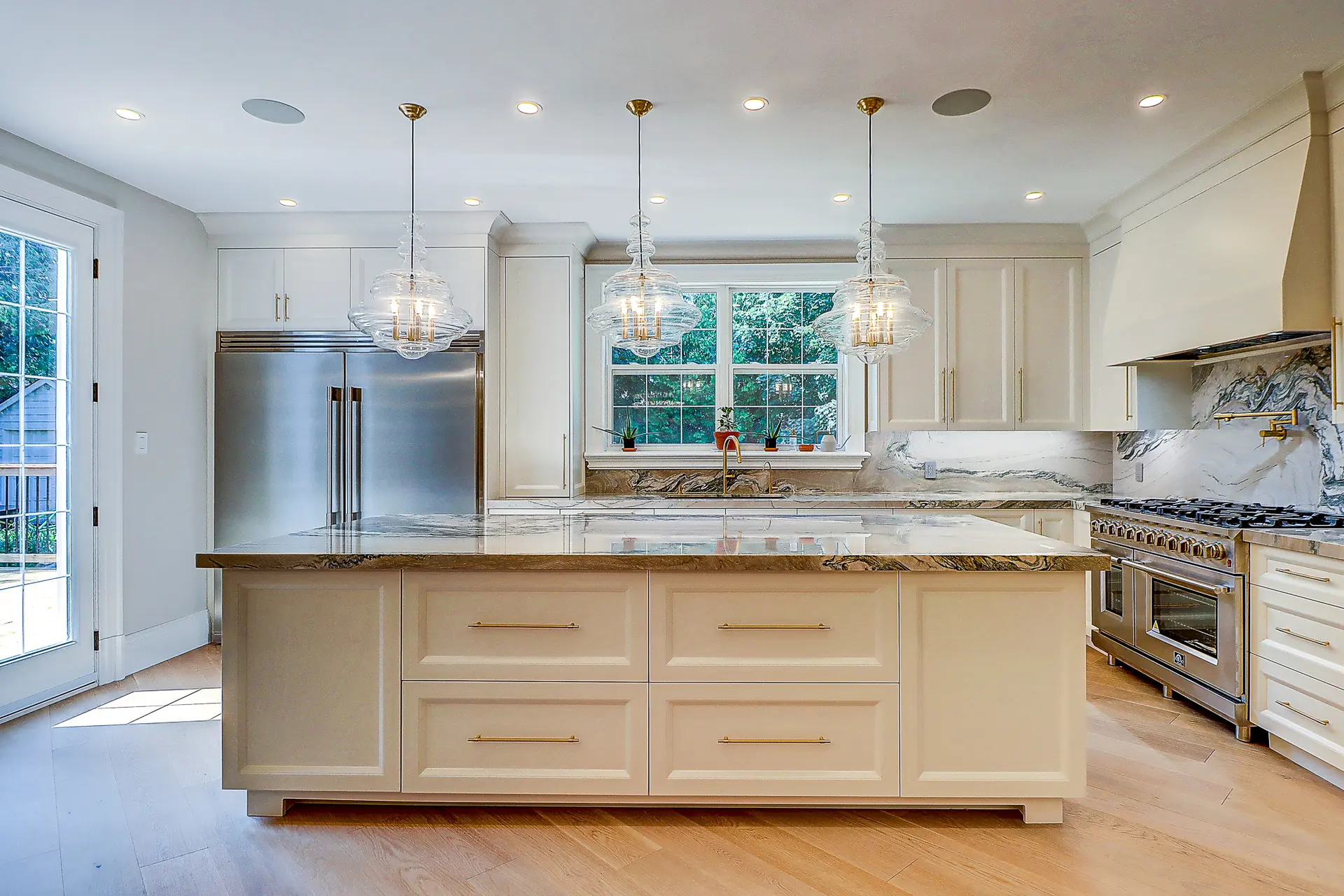
Source: Besta Kitchens
In 2026, the total cost of a bump-out project across Canada depends on the size of the extension and materials selected.
Small micro-extension (2 ft x 10 ft): Between $25,000 and $35,000. Ideal for adding cabinetry or a walk-in pantry.
Medium micro-extension (3 ft x 12 ft): Between $35,000 and $50,000. Allows for a functional kitchen island with decent clearance all around.
Large/complex micro-extension (4 ft x 15 ft or more): Between $50,000 and $65,000. Often includes relocating plumbing or adding large windows to create a bright breakfast nook.
Cost per Square Foot: Why Is It Higher Than a Full Addition?
It’s common to be surprised by the price per square foot (up to $700/sq. ft.) for a bump-out. This is due to unavoidable fixed costs:
Structure: Whether extending 3 feet or 15 feet, a structural engineer is required to calculate the load-bearing beam supporting your home.
Building envelope: New walls, roofing, and an insulated floor must be built for a very small footprint.
Mobilization: The general contractor must coordinate the same trades (electrician, carpenter, drywall finisher) for 40 sq. ft. as for 200 sq. ft.
Helical Piles vs. Poured Concrete Foundation
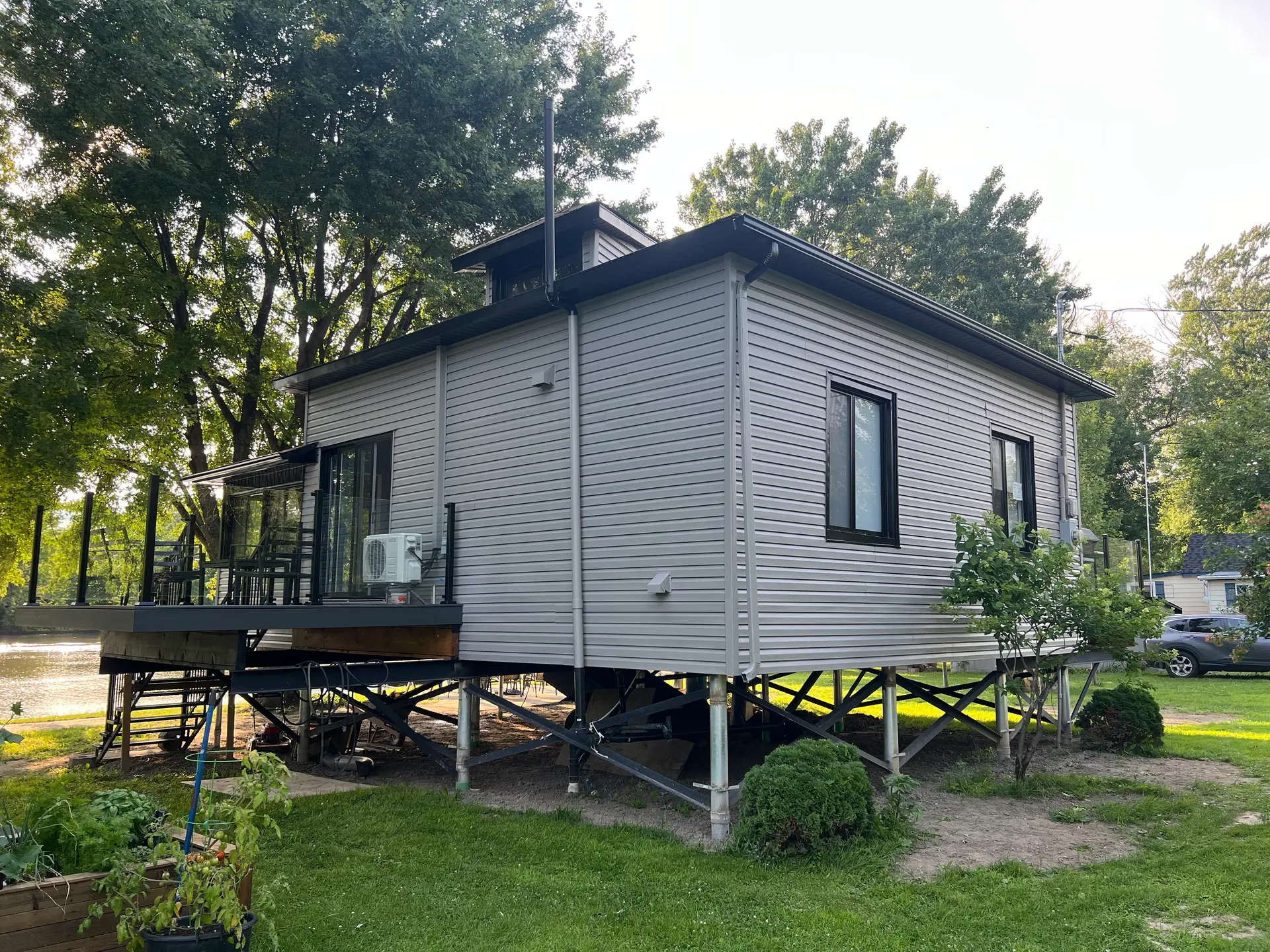
Source: Les entretiens alex’cellence inc
The foundation choice is one of the main cost drivers across Canada.
Helical Piles: The Cost-Effective Option
For lightweight micro-extensions, helical piles are a common solution (e.g., Techno Metal Post), especially where excavation is difficult.
Cost: Typically $2,000 to $5,000, depending on the number required and site access. A poured concrete foundation may still be preferable for larger or more complex projects.
Advantages: No heavy excavation, installation in a few hours, and minimal disruption to existing drainage. This is ideal for cantilevered or minimally invasive extensions.
Poured Concrete Foundation
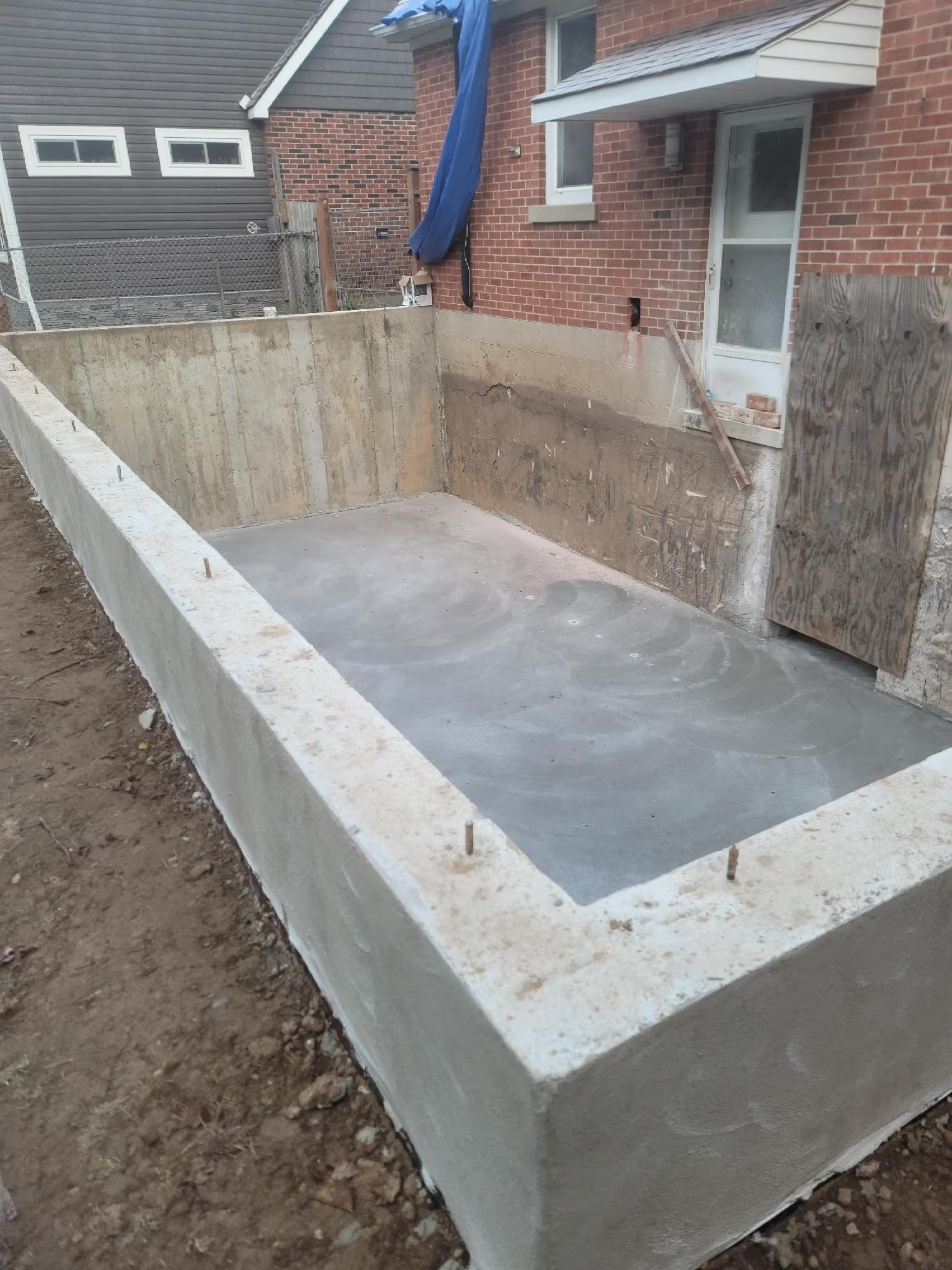
Source: W Group Contracting
Cost: Often exceeds $10,000 due to excavation and formwork.
Drawback: Rarely justified for a small bump-out unless you plan to extend the basement as well.
Layout Impact: Kitchen Island or Breakfast Nook?
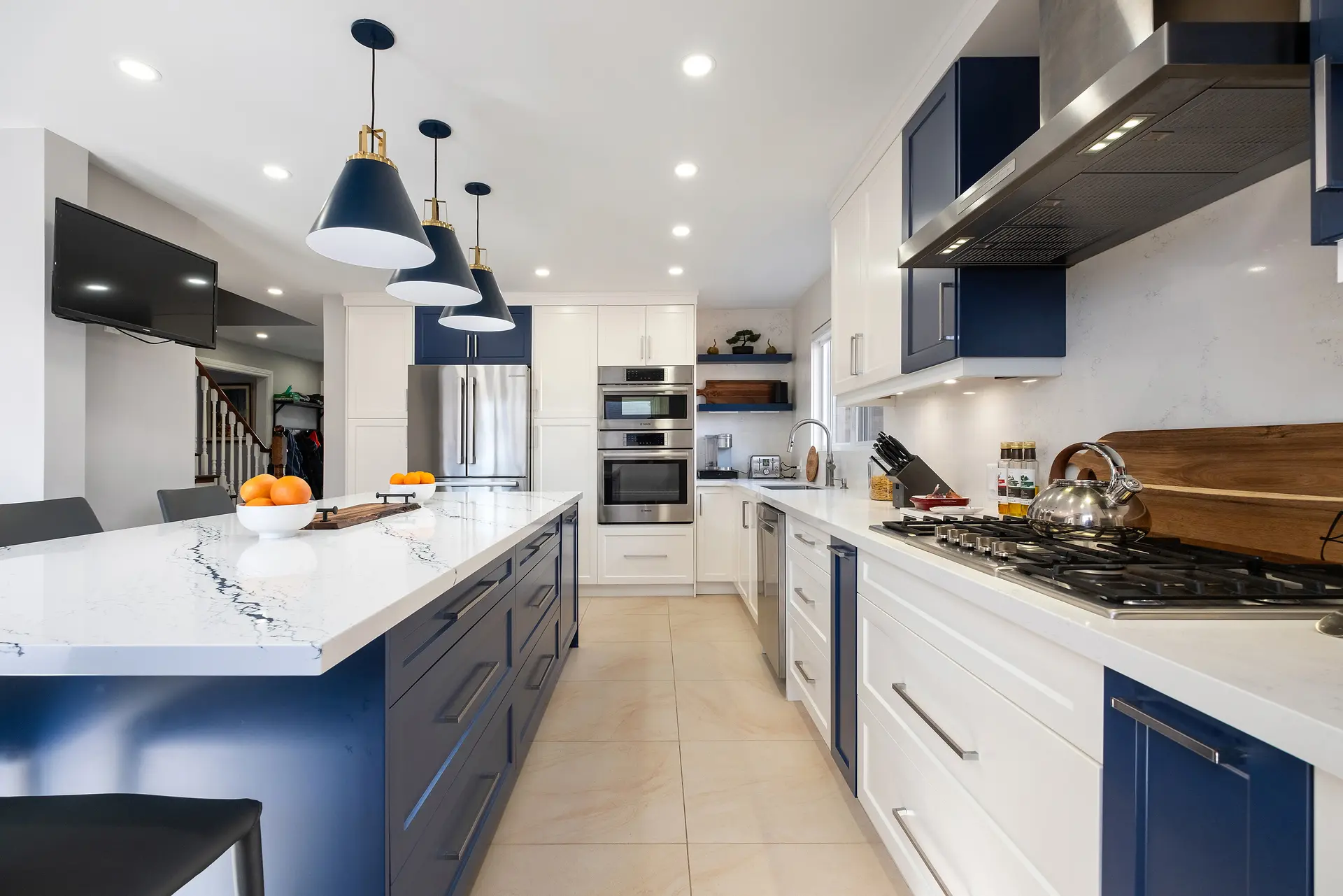
Source: A4 Group Construction Services Inc
Gaining just 3 feet of depth can significantly improve kitchen functionality:
Kitchen island: A minimum clearance of 36 to 42 inches is required around an island. A bump-out often transforms a cramped L-shaped kitchen into a more functional and social layout.
Breakfast nook: Extending toward the backyard allows for built-in seating, freeing space in the main dining area.
Cost-Affecting Factors: Plumbing, Electrical, and Windows
Relocating services: Moving a sink or stove typically adds $3,000 to $5,000 for plumbing and ventilation adjustments.
Thermal insulation: The floor of a bump-out is exposed to outdoor temperatures below. In Canadian climates, enhanced insulation is critical. Typical targets range from R-28 to R-40 (spray foam or rigid panels), depending on budget and engineering specs.
Windows: Adding high-performance windows increases costs but reduces the feeling of confinement and improves natural light.
Building Permits and Regulations in Canada

Source: RenoQuotes
Before requesting quotes, verify two key points with your municipality:
Setback requirements: Even a 2-foot extension must comply with minimum distance regulations from property lines.
Building permit: Plans from an architect or certified architectural technologist are generally required.
Contractors performing this type of work must hold the appropriate provincial licensing (requirements vary by province, such as RBQ in Québec or equivalent authorities elsewhere in Canada). Since this project affects your home’s structural integrity, certification and qualifications are critical. To validate your plans and obtain fair pricing, it’s recommended to request multiple quotes from experienced general contractors specializing in home additions.
Kitchen Bump-Out: A Strategic Investment to Maximize Space
A kitchen bump-out is a targeted solution for gaining space without undertaking major construction. Although the cost per square foot is higher, it allows you to optimize layout—whether for an island, a dining nook, or a more efficient layout—while keeping the overall budget under control. For a durable and cost-effective result, focus on proper planning, regulations compliance, and qualified professionals. Comparing multiple quotes remains the most reliable way to ensure a well-executed project tailored to your needs.
Looking for something else?
Related articles
The latest industry news, interviews, technologies, and resources.

Editorial Team
•07 May 2026
Excavation is an unavoidable step in numerous construction projects, whether to build a foundation, put in a swimming pool, or for landscaping purposes.
Editorial Team
•19 Mar 2026
Are you dreaming of a beautiful outdoor kitchen to unwind in the sun, inhaling the smells from your dinner cooking slowly on the barbecue? Before designing your new summer kitchen, you first have to establish a realistic budget. But, the question is, How much should you plan on spending for such a project?
Editorial Team
•28 Jan 2026
In 2026, the landscaping industry in Quebec is booming. With increasing demand for sustainable outdoor spaces and creative landscape design, residents across the province are turning to qualified landscapers to transform their properties. Whether you're looking to improve your curb appeal or completely revamp your backyard, understanding the role of a landscaper is crucial to a successful project.
Editorial Team
•21 Jul 2025
Are mouldings just an architectural detail? Beyond aesthetics, these decorative elements also help define spaces, frame doors and windows, hide joints, and fill gaps between different components.
Editorial Team
•08 Nov 2023
Are you looking for ceramic tiles? RenoQuotes.com has put together a short guide to the 7 main ceramic suppliers in the area of Longueuil.