Kitchen Countertops: Which material is right for your renovation?
By Collaboration
Updated on August 10, 2026
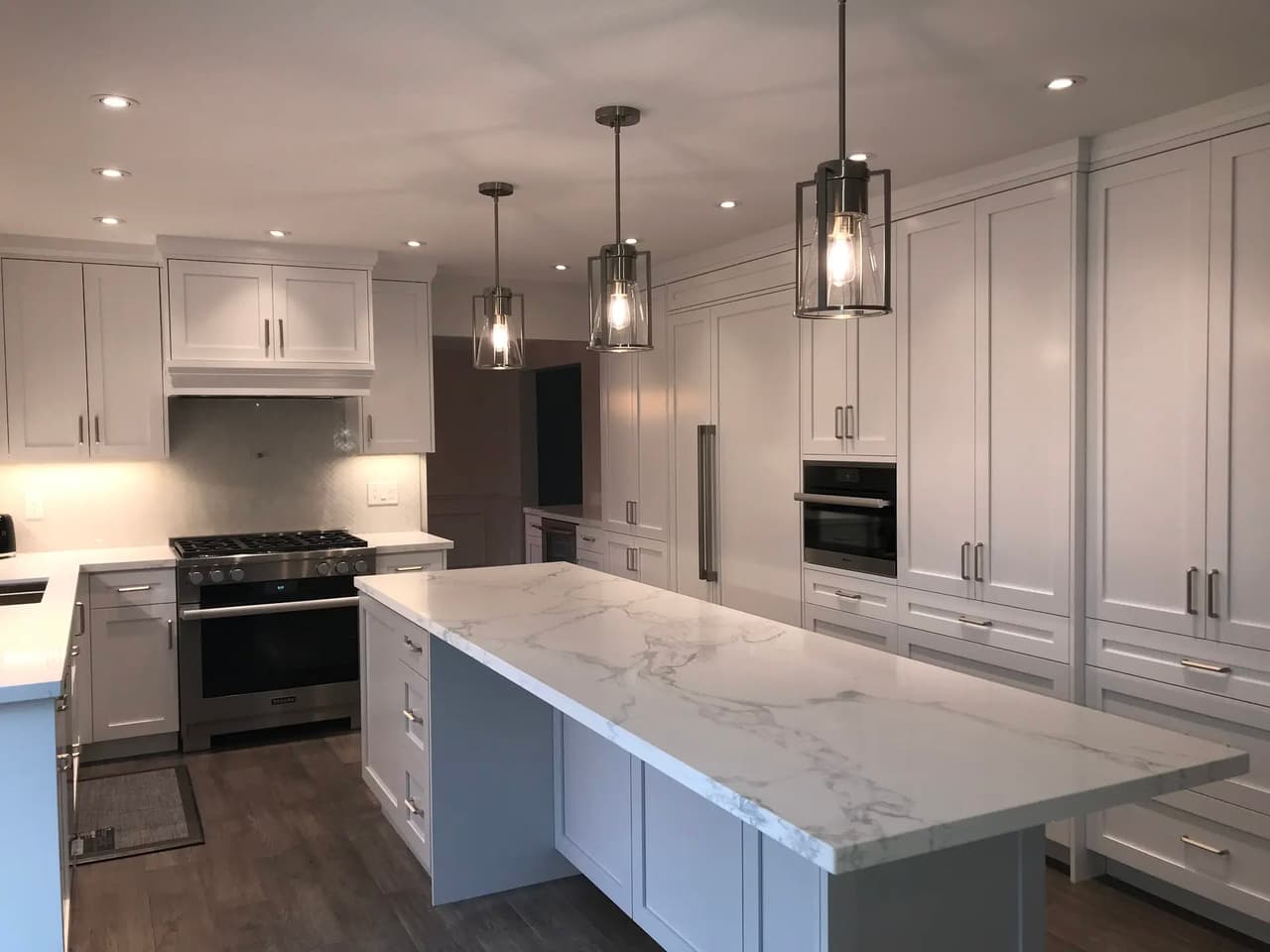
Countertops are one of the most significant investments in a kitchen renovation, next to the cabinets. That is because they influence how the space looks, how well it functions, and how easily it holds up to daily use.
With so many materials to choose from, it can be difficult to know which one is best suited to your home. In this article, we’ll compare popular countertop options, explain how they perform in everyday kitchens, and cover the key questions to consider before making your final choice.
Why Choosing Kitchen Countertops That Can Handle Your Daily Routine is a Must
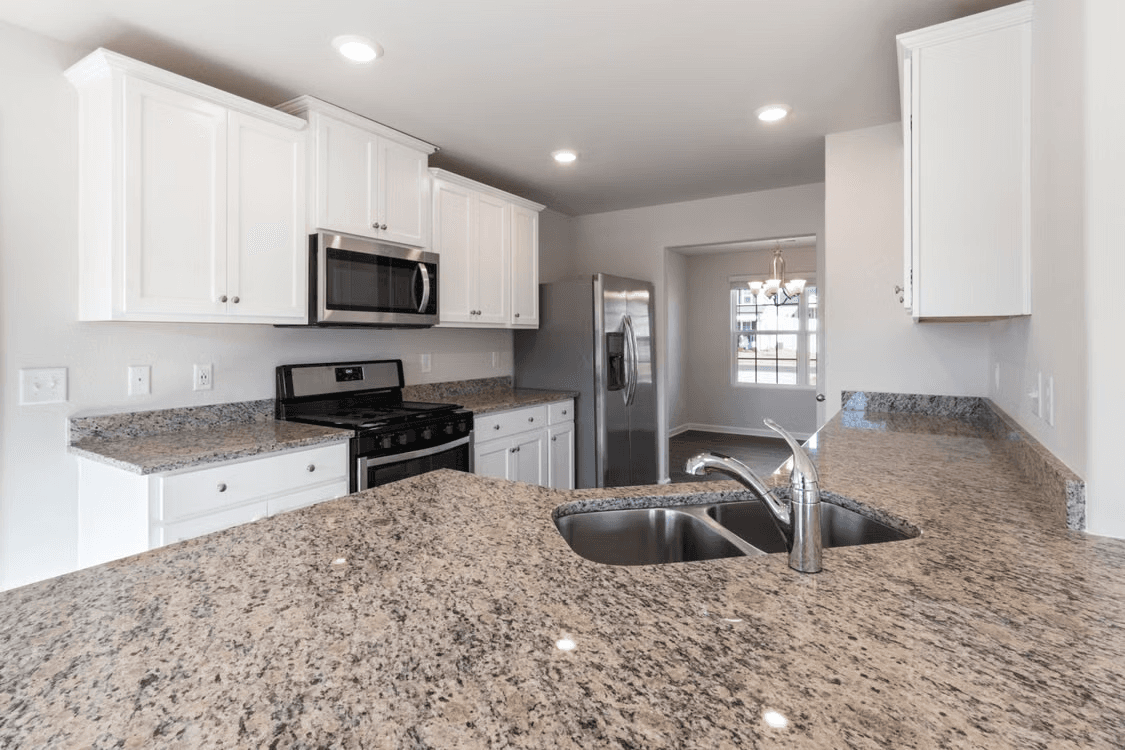
Source: Pexels
While getting the most durable kitchen countertops is often the default goal, durability means different things depending on how the kitchen is used. A surface that resists scratches may still be vulnerable to heat, stains, or impact. Another material may require more maintenance but perform better around hot cookware or frequent food preparation.
Before choosing kitchen countertops, homeowners should take a close look at their daily routine. Consider how often you cook, whether spills are common, how much cleaning and maintenance you are willing to do, and whether the surface will need to withstand children, pets, or heavy cookware.
Identifying these needs early makes it easier to select a material that works well in real life, not just one that looks appealing in a showroom.
The Best Kitchen Countertop Materials for Homeowners Planning a Renovation
Choosing the right countertop material can make a major difference in how your kitchen looks, feels, and functions over time. As you work through your kitchen renovation checklist, consider which option fits your budget and can handle the way you cook, clean, and use the space each day.
Quartz
Quartz is a popular choice for homeowners who want a countertop that looks polished without requiring complicated upkeep. Made from engineered stone, quartz kitchen countertops are nonporous, which means they do not need routine sealing and are less likely to absorb spills from coffee, wine, oils, or sauces. They are also available in a wide range of colors and patterns, including designs that resemble marble and natural stone.
Some of the main quartz countertop benefits include easy cleaning, consistent coloring, and strong resistance to everyday stains and scratches. However, quartz is not heatproof. Hot pans and cookware should be placed on trivets to prevent discoloration or damage caused by sudden temperature changes. When properly cared for, quartz can be a practical option for busy kitchens where appearance and low maintenance are equally important.
Granite
Granite combines natural beauty with dependable performance. Unlike manufactured countertops, every slab features its own pattern and color variation, so homeowners can choose a surface that feels distinctive.
The material is highly resistant to scratches and performs well near heat. It’s important to note that granite countertops need to be cleaned properly and may require sealing.
Quartzite
Quartzite is a natural stone created when sandstone is transformed by intense heat and pressure beneath the earth. It often has the soft veining of marble, but it is generally harder and better able to resist scratches. Unlike quartz, which is engineered, quartzite is quarried in slabs, so every piece has its own color movement and mineral pattern.
This material is ideal for homeowners who cook often but still want a refined, natural finish. However, quartzite usually comes at a higher price and requires more maintenance than engineered quartz. Most slabs need sealing, fabrication can be expensive, and vulnerable edges may chip if struck. Since some softer materials are marketed as quartzite, it is worth asking for clear confirmation before making a final decision.
Porcelain
Porcelain countertops are made from refined clay and mineral-based materials that are fired at extremely high temperatures. This creates a dense, nonporous surface that stands out for its resistance to heat, stains, moisture, and sunlight. Unlike many natural stones, porcelain does not need sealing, which makes it one of the more appealing low-maintenance countertops for busy households.
Its slim profile and wide range of stone-inspired designs make porcelain a strong fit for modern kitchens. However, the edges can chip if they are hit hard, and repairs are not always easy to conceal. Installation also requires a fabricator who is experienced with large-format porcelain slabs.
Marble
Few countertop materials make as much of a visual statement as marble. Quarried from natural stone, it features flowing veins and subtle color shifts that make every slab feel one of a kind. It also stays naturally cool, which is one reason bakers often appreciate it for rolling dough and preparing pastries.
Compared with granite, quartzite, and porcelain, marble is more sensitive to everyday wear. Lemon juice, vinegar, wine, and other acidic ingredients can leave visible marks, and spills may soak in if the stone is not properly sealed. It is a beautiful choice, but it suits homeowners who are comfortable with regular care and a surface that will naturally age.
Questions Homeowners Need to Consider Before Picking New Countertops
As different homeowners have varying expectations for durability, maintenance, and style, the right countertop will depend on how the kitchen is used. Taking the time to understand your household’s habits, priorities, and your kitchen countertop budget can make it easier to narrow down the options. Here are some helpful questions homeowners can ask themselves before choosing a countertop material:
How often do I cook?
What types of spills and wear should the surface handle?
How much maintenance am I willing to do?
How important is heat resistance?
Am I comfortable with natural variation and patina?
What is my full countertop budget?
Can the material be repaired if it is damaged?
Does the material fit the overall kitchen design?
Final Takeaways
Every countertop material comes with its own strengths and compromises. Quartz may appeal to homeowners seeking simple upkeep, while natural stone offers variation and character that cannot be exactly repeated. Other surfaces may stand out for heat resistance, repairability, or modern design flexibility.
The goal is not to find a flawless material. It is to choose one whose advantages matter most to your household and whose limitations you are prepared to manage. That approach can lead to a more practical renovation and fewer surprises after installation.
Looking for something else?
Related articles
The latest industry news, interviews, technologies, and resources.

Léa Plourde-Archer
•08 Nov 2023
Once seen as an architectural element only used for outdoor walls and industrial spaces, the interior brick wall has turned into a new staple in Canadian homes. This material is not set to go out of style any time soon! We’ve prepared a small guide to tell you more about interior brick wall installation and maintenance:
Editorial Team
•22 Jan 2026
Choosing a Lennox heat pump means investing in a balance of energy efficiency, durability, and year-round quiet comfort, whether you live in Ontario, the Prairies, Atlantic Canada or British Columbia. This American brand is well established across the Canadian market and is known for the reliability of its systems, the quality of its components, and strong performance in a wide range of climates.
Editorial Team
•13 Jan 2026
Choosing a heat pump suited to the Canadian climate is a strategic decision for comfort, energy savings, and long-term peace of mind. Recognized as a premium brand, Mitsubishi Electric stands out for its performance in extreme cold, precise temperature control, and the exceptional durability of its systems.
Editorial Team
•08 Nov 2023
Without a doubt, windows are an excellent barrier against the outside elements, which is ultimately a testament to the harsh weather conditions experienced at times.
Cynthia Pigeon
•05 Dec 2025
A common question among those renovating their bathroom is whether to opt for a bathtub or shower. While the initial focus is often on space constraints, there are other factors that come into play when making the final decision. So, what exactly are these factors? Keep reading to find out!